
who-are-you
 yt1988/who-are-you
Who do websites think you are? A privacy self-check: every sniffer any site can run, the portrait they paint, and the contradictions that give away a…
anti-botdns-analysisfingerprint-spoofing+8
812
yt1988/who-are-youWho do websites think you are? A privacy self-check: every sniffer any site can run, the portrait they paint, and the contradictions that give away a…
 cyberkristaps/libreosint
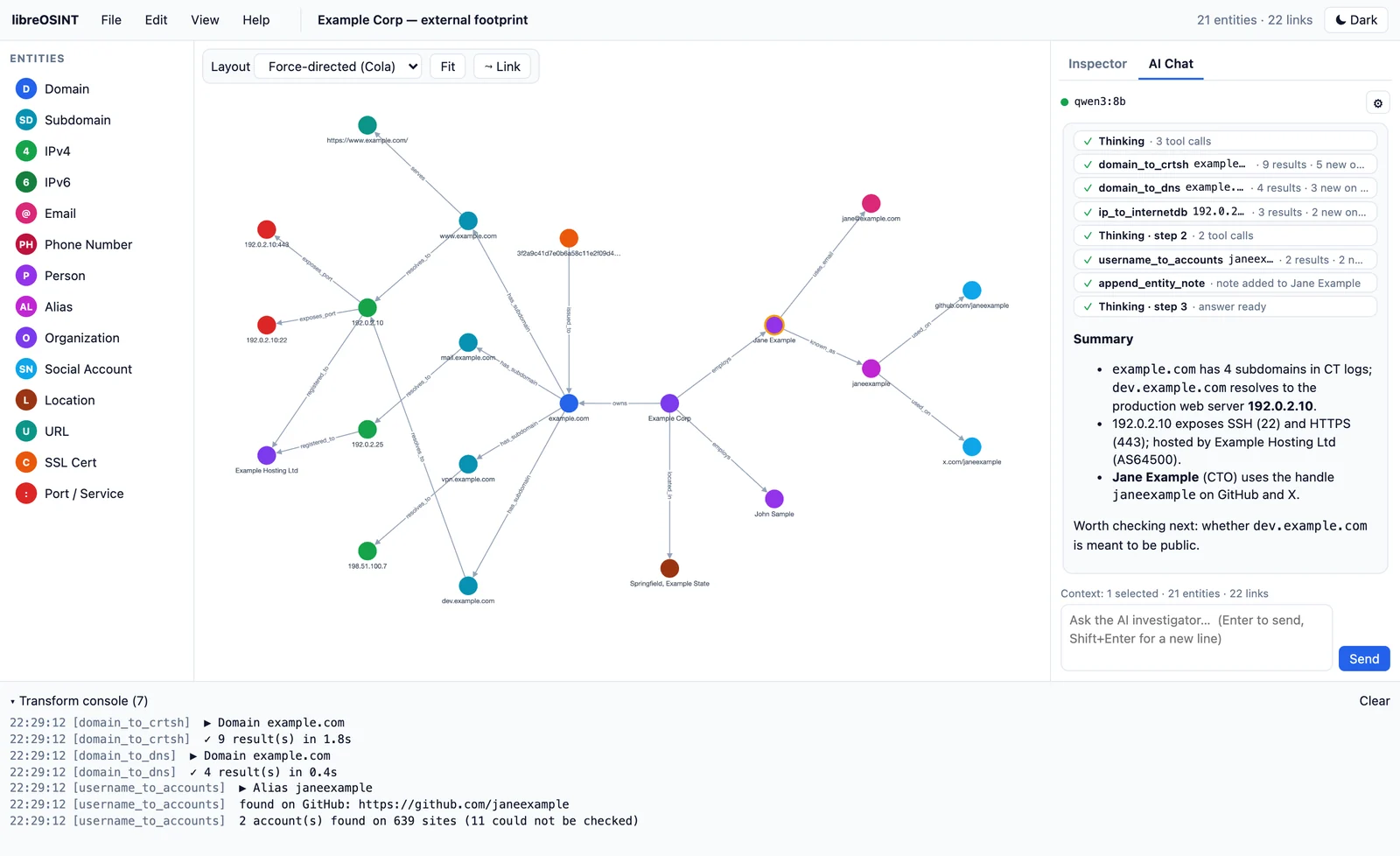
Local-first OSINT graph workbench with built-in lookups and a local AI investigator.
 halildeniz/vanguardhttp
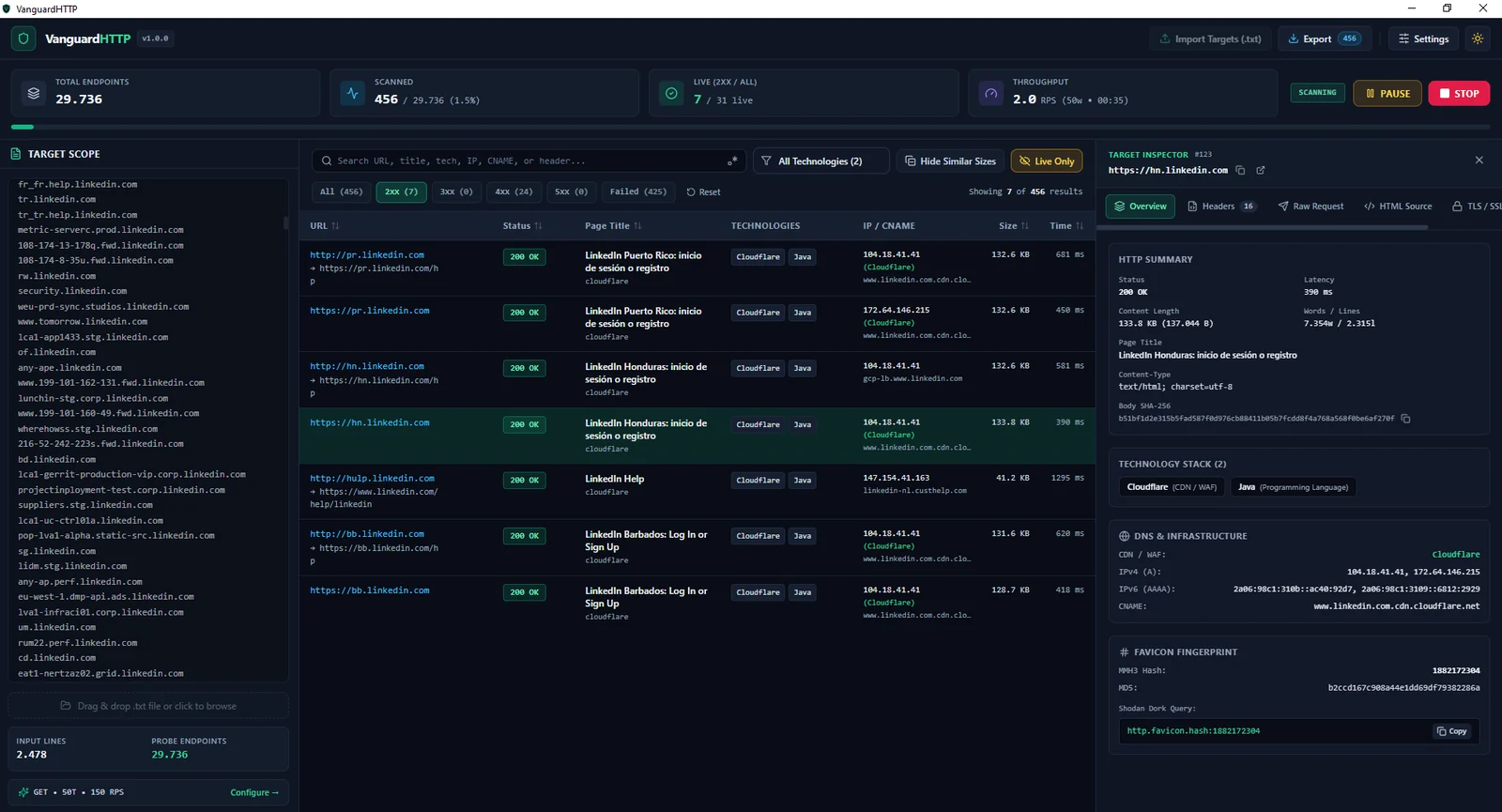
High-performance cross-platform HTTP probing & deep fingerprinting desktop suite built with Go and Wails v2. featuring real-time streaming, tech…
 novacode1337/prism-platform
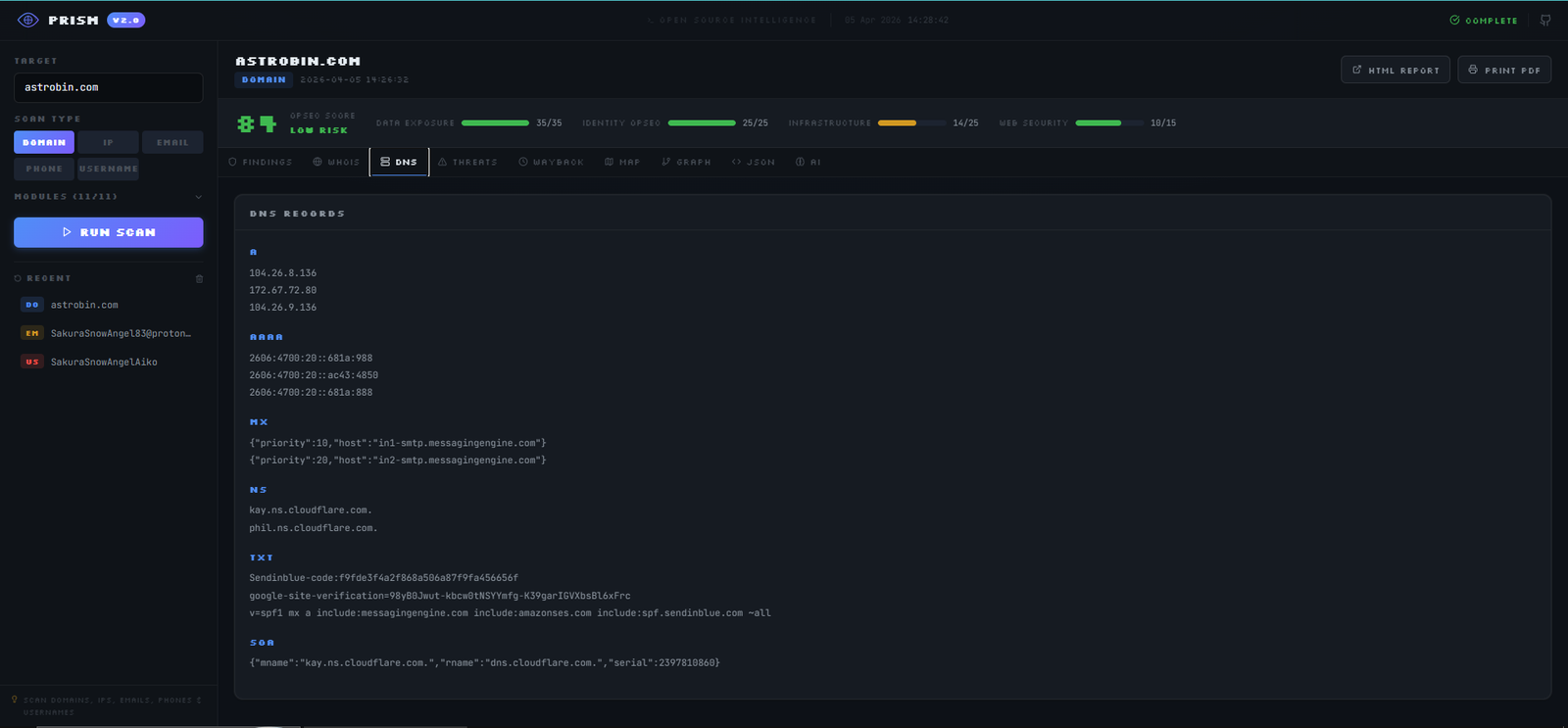
Self-hosted OSINT platform. Point it at a domain, IP, email, phone or username and 26 modules run in parallel: WHOIS, DNS, threat intel, breaches,…
 letox4/osinthunter
🎯 The ultimate OSINT toolkit: investigation graph, confidence scoring, alias families, map, timeline and reports. 49 modules, 400+ sites, no API…
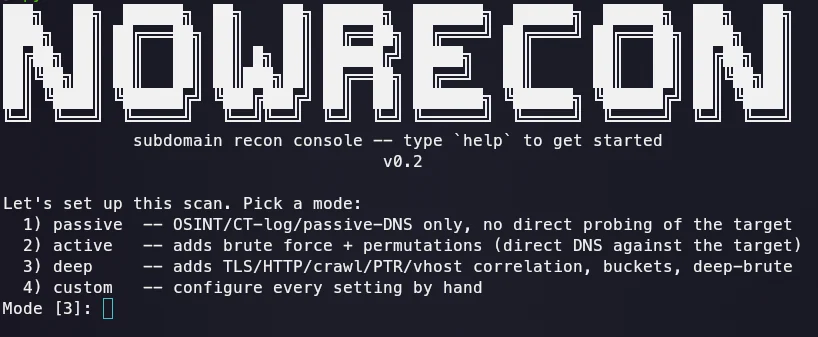 rebellionxkid/nowrecon
Subdomain enumeration and recon console for red team work. Passive + active collection, deep correlation, bucket discovery, msfconsole-style…
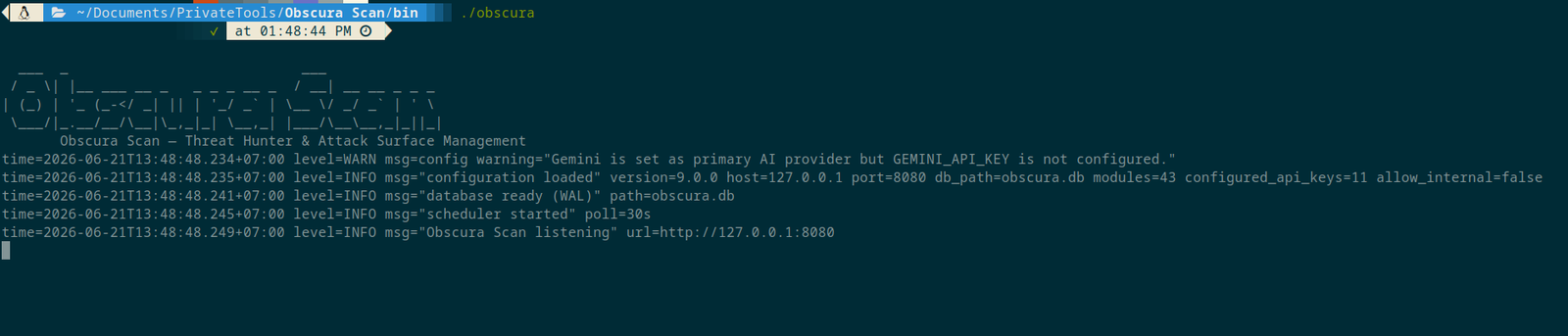 security-life-org/obscura
Threat Hunter & Attack Surface Management Platform A single static Go binary for passive & semi-offensive reconnaissance, correlation, risk scoring,…
 bountrix/whathost
Fast IP-to-hostname resolver with PTR, SSL/TLS lookup, SNI, JSON.
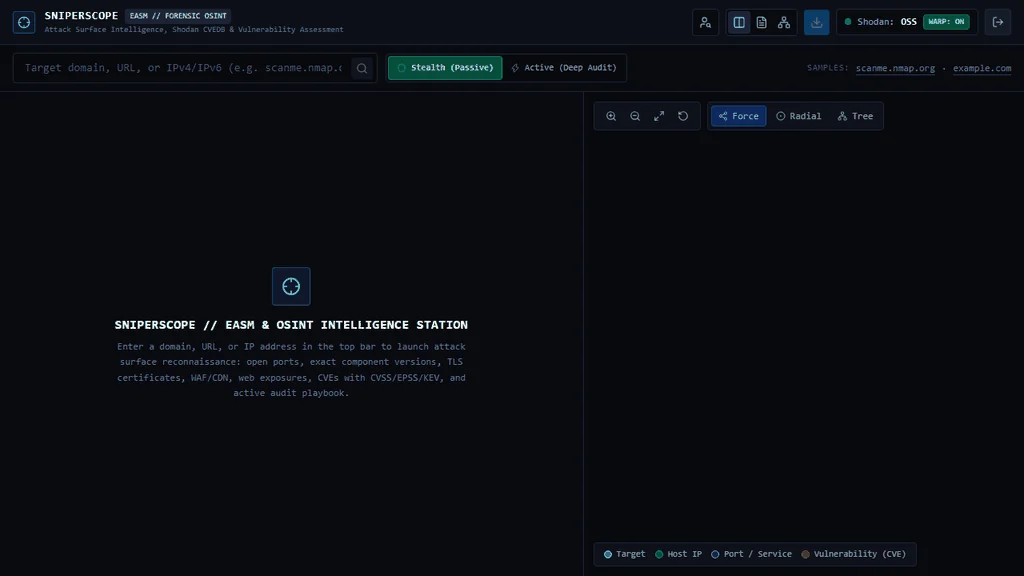 kamehameha-ctrl/sniperscope
External attack surface management workstation that correlates DNS, certificate transparency, Shodan, CVEDB, TLS and OSINT data into risk-scored…
 elbraino/awesome-blackhat-arsenal
Curated collection of cybersecurity tools featured in Black Hat Arsenal events.
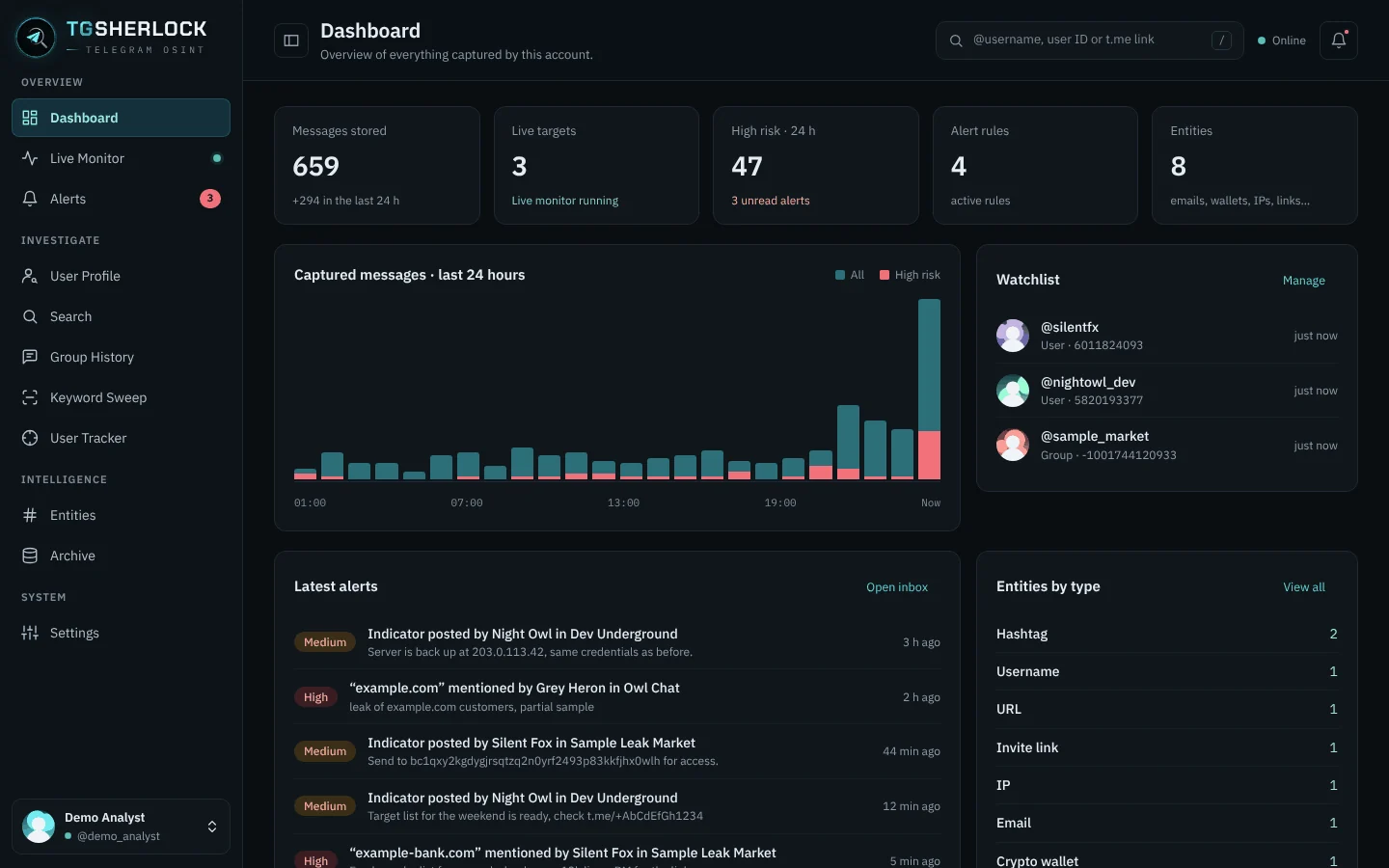 emrekybs/tgsherlock
Telegram OSINT tool for user, group and message investigation
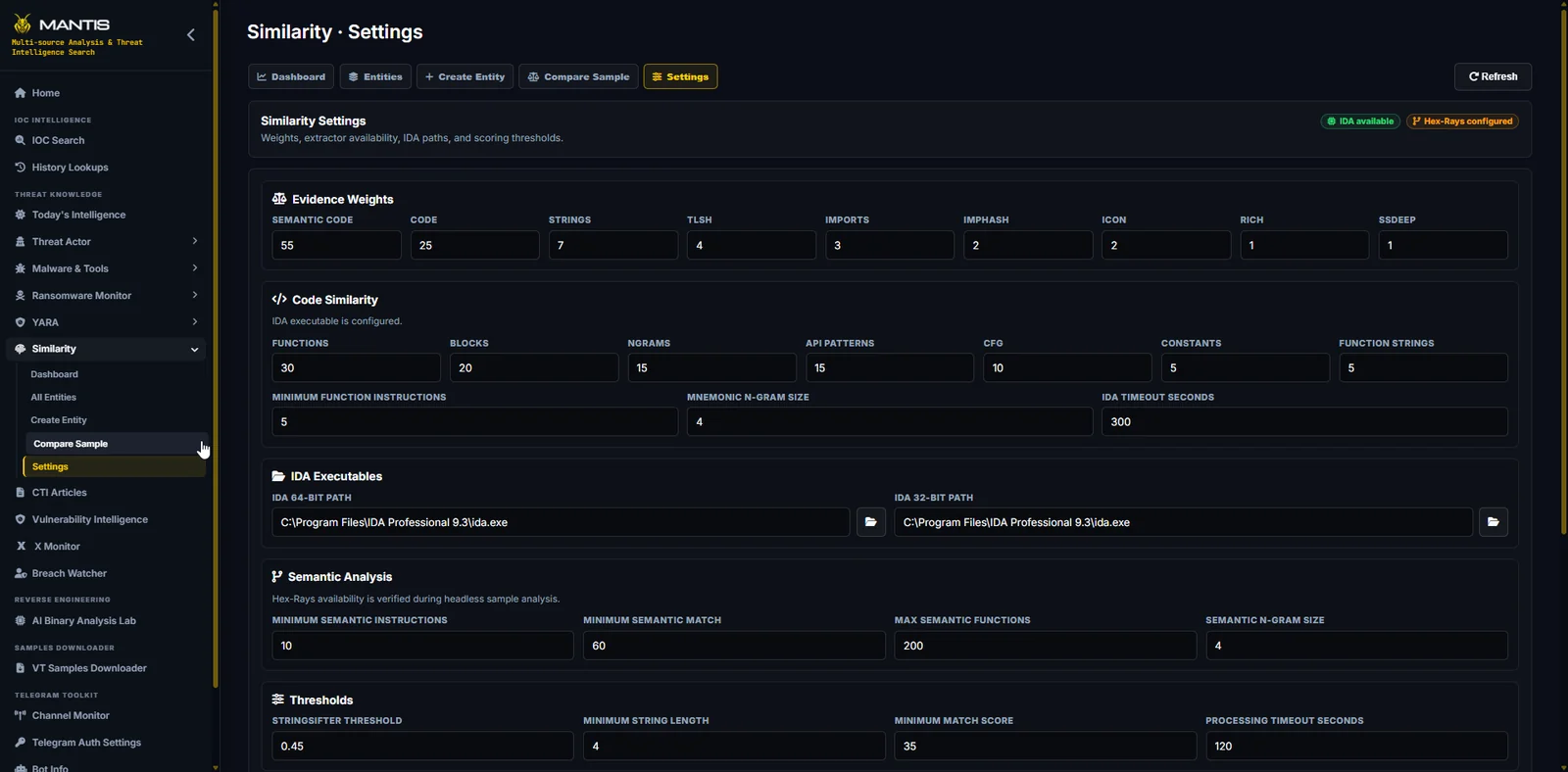 fareedfauzi/mantis
Multi-Source Analysis & Threat Intelligence Search
 trickest/inventory
Automated attack surface inventory for 800+ public bug bounty programs, running scheduled subdomain enumeration, permutation, DNS and web server…
 andreyglauzer/vigilantonion
:snake: - Crawler on tor network sites, searching for keywords.
 reloading01/certstream-server-rust
High-performance Certificate Transparency (CT) monitoring tool written in Rust. Real-time stream of newly issued SSL/TLS certificates from CT logs.…
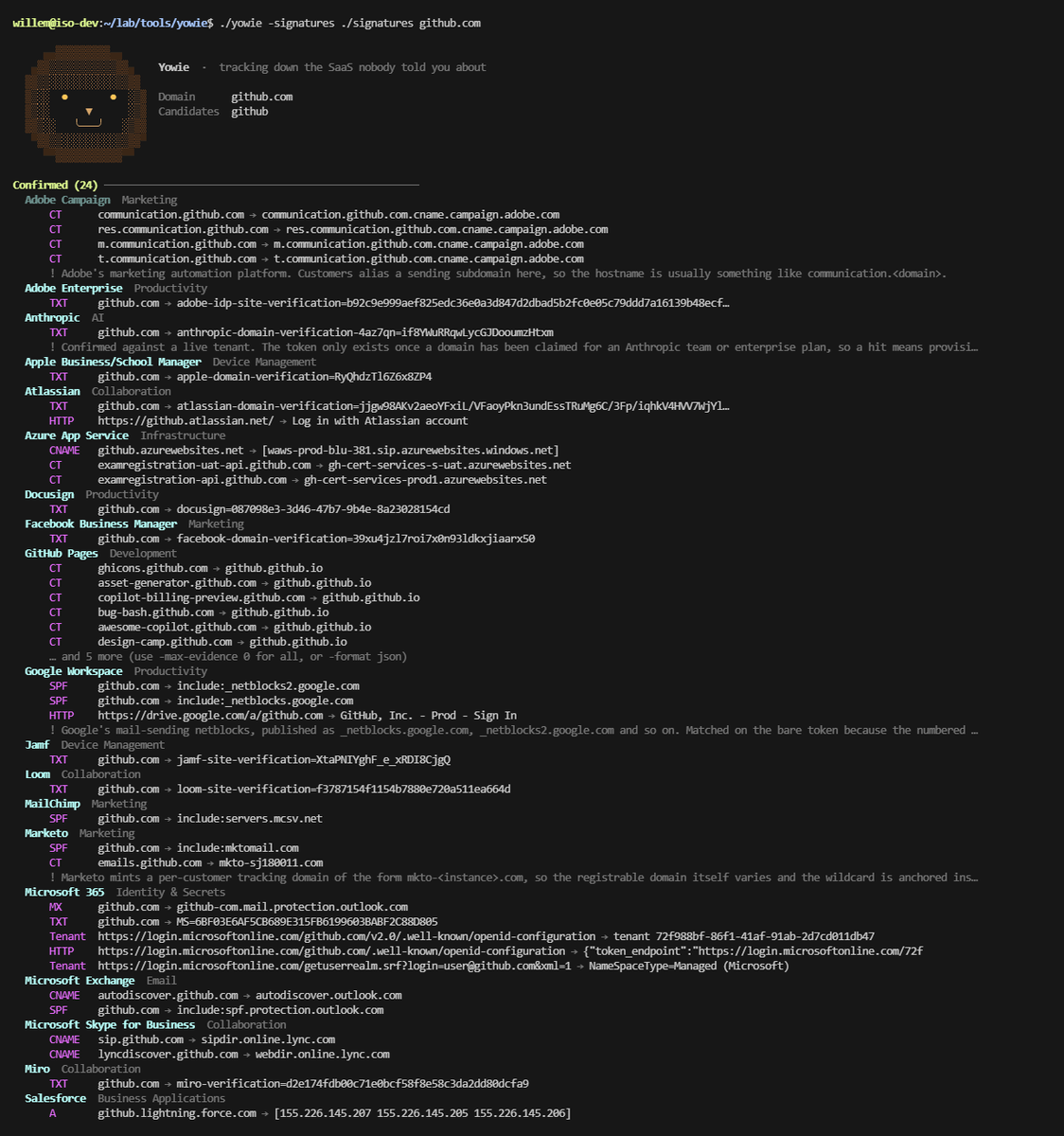 joda32/yowie
Finds the SaaS services an organisation subscribes to, using only externally observable data. Built for shadow IT discovery.
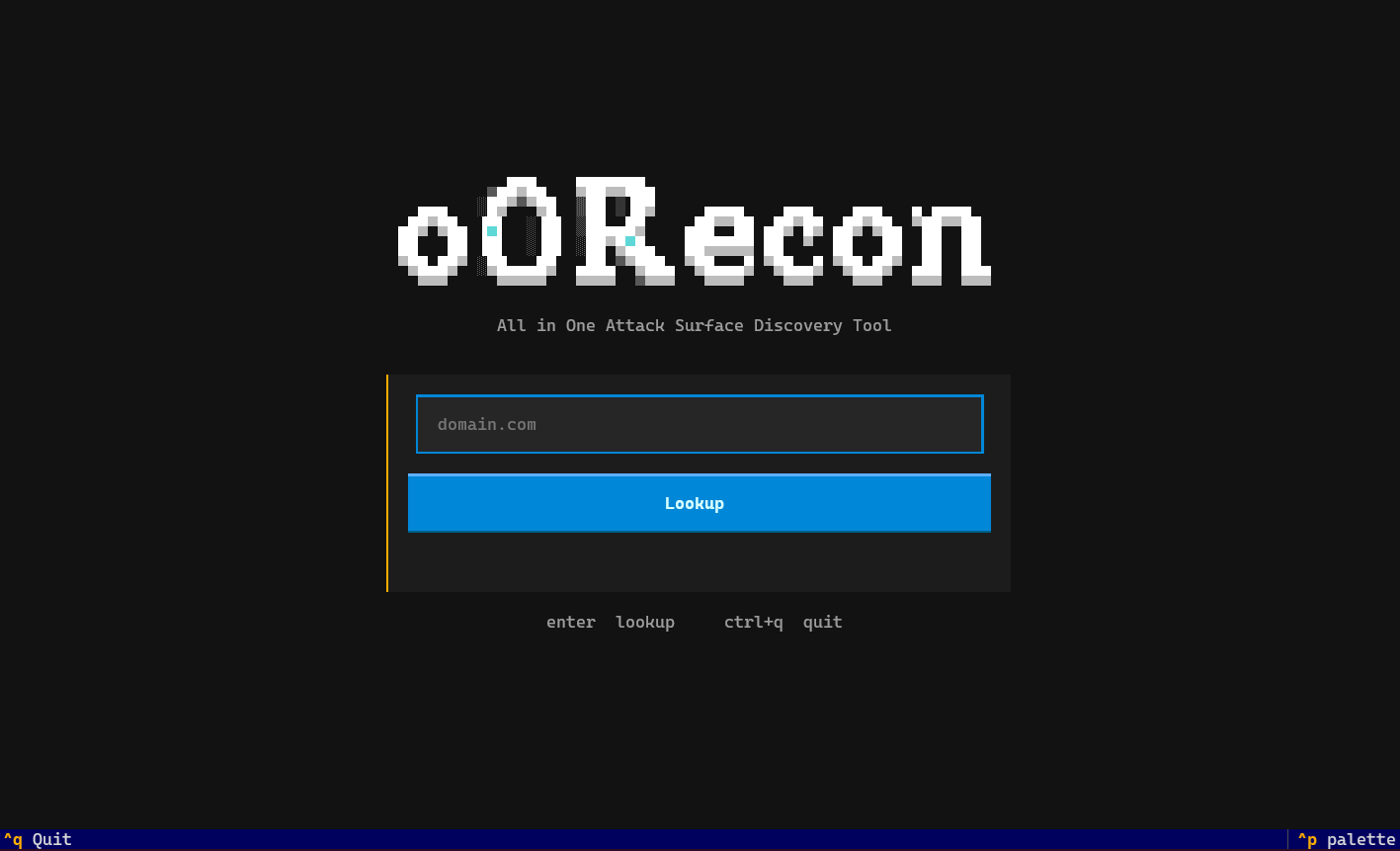 hilmiazizi/oorecon
Terminal UI for attack surface discovery: DNS recon, subdomain enumeration, port scanning, reverse IP, leaked login URLs, and JavaScript secret…
 darkrx1/rxscan
Rust CLI for bounded network reconnaissance: TCP/UDP port discovery, service identification, DNS/TLS/HTTP evidence collection, and public-source…