
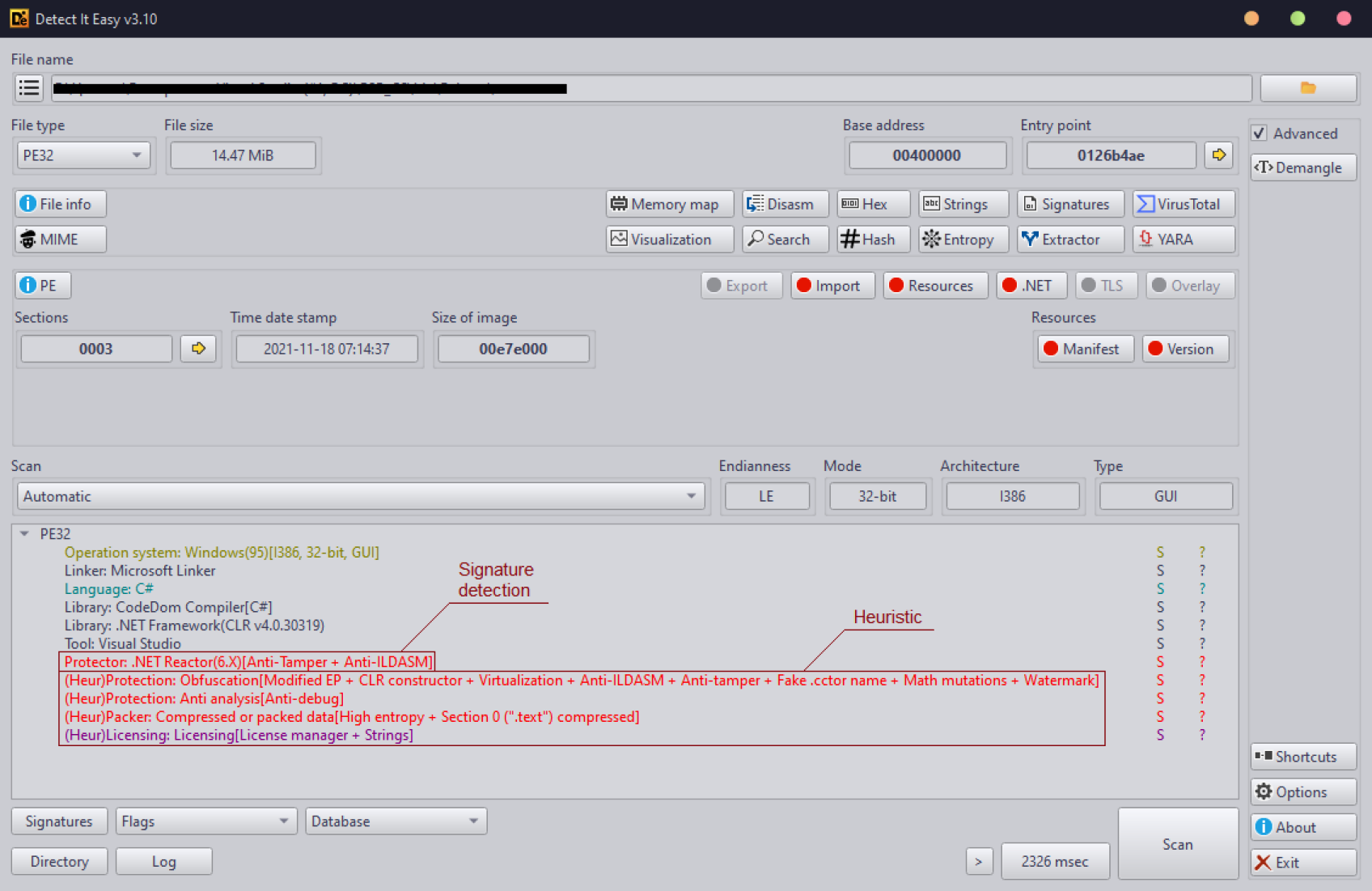
Detect-It-Easy
 horsicq/detect-it-easy
Program for determining types of files for Windows, Linux and MacOS.
ai-assisted-reversingbinary-analysisbinary-exploitation+10
11.3k
horsicq/detect-it-easyProgram for determining types of files for Windows, Linux and MacOS.
 rtkwlf/wolf-tools
Scans Windows, Linux, and macOS hosts for Java packages containing JndiLookup.class to detect Log4Shell (CVE-2021-44228, CVE-2021-45046) exposure and…
 fabriziosalmi/tanstack-compromise-checker
Shell script to detect TanStack npm supply chain attack indicators (CVE-2026-45321 / GHSA-g7cv-rxg3-hmpx)
 qkaiser/broadcom-wps
Tools to fingerprint WiFi Access Points running the Broadcom SDK and a list of known affected devices.
 neo23x0/process-watcher
A process monitoring tool that tries to detect exploitation
 0xkirisame/spica
eBPF-based Linux rootkit detector using multi-channel cross-view analysis (sched_switch, NMI, /proc) to detect DKOM, tracepoint tampering, and…
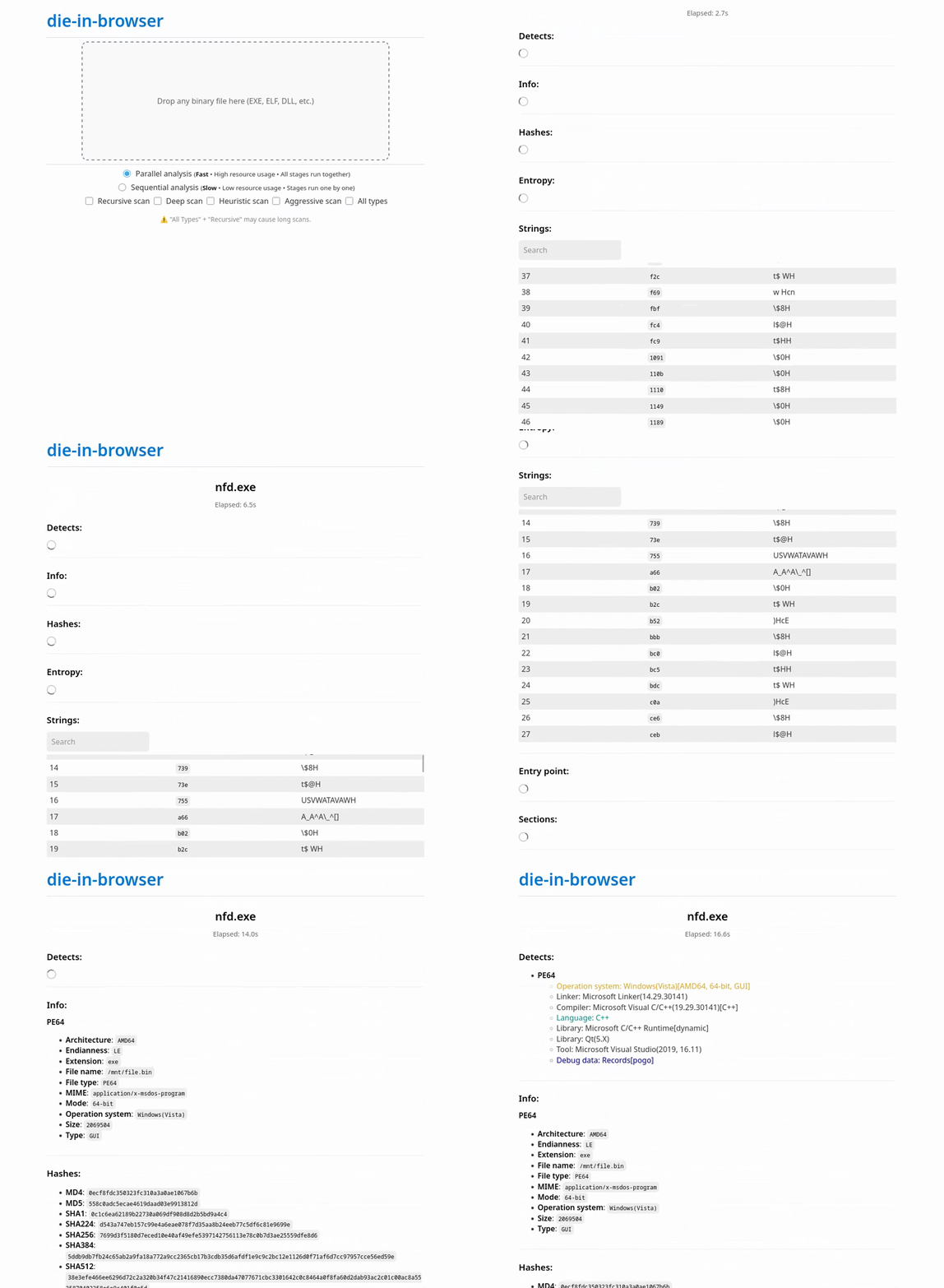 xoreaxlmbdx/die-in-browser
Static binary analysis with Detect It Easy — 100% in your browser, no uploads.
 trailofbits/manticore
Symbolic execution tool
 qi-scape/scan-shai-hulud
Detect CVE-2026-45321 Mini Shai-Hulud supply chain compromise — scans for 170 npm + 2 PyPI poisoned packages across TanStack, Mistral AI, UiPath,…
 paspke/scavenger_scanner
Detect CVE-2025-54313 eslint-config-prettier supply chain attack IOCs on Windows
 elastic/supply-chain-monitor
Automated supply chain security monitor that polls PyPI and npm registries, diffs new releases against predecessors, and uses LLM analysis to detect…
 tanmayshahane/kyubisweep
A lightweight, cross-platform CLI tool that scans your filesystem to detect exposed secrets, API keys, and tokens. Built with Go for maximum…
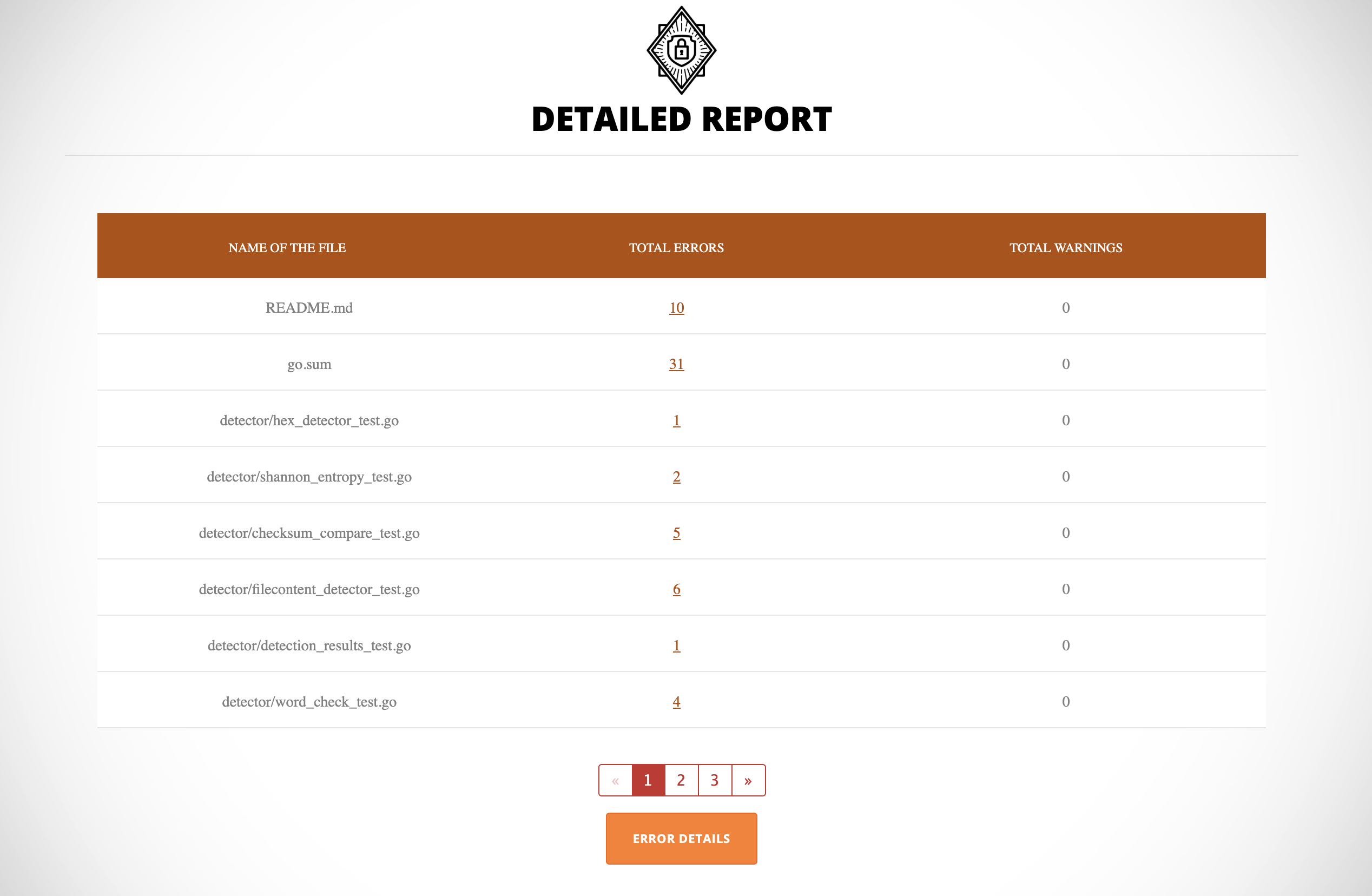 thoughtworks/talisman
Git hook-based secret scanner that detects tokens, passwords, and private keys in outgoing changesets, preventing sensitive data from being committed…
 bcoles/rootkit-signal-hunter
Detect Linux rootkits which use signals to elevate process privileges.
 kvesta/vesta
A static analysis of vulnerabilities, Docker and Kubernetes cluster configuration detect toolkit based on the real penetration of cloud computing
 snyk/leaky-vessels-dynamic-detector
eBPF-based runtime detector for container breakout vulnerabilities in runc and Docker, monitoring syscalls and Docker daemon calls to detect…
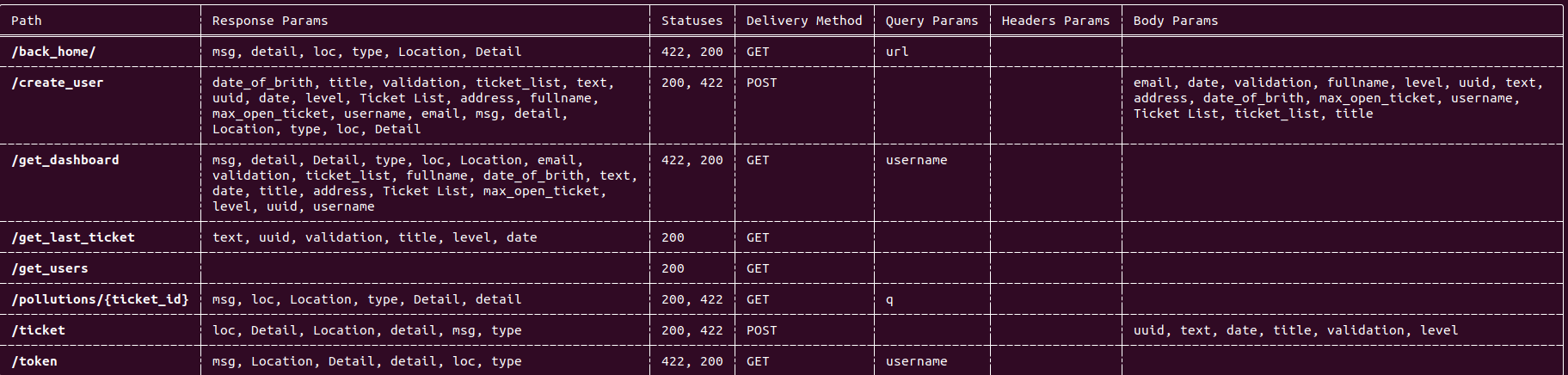 blst-security/cherrybomb
CLI tool that audits OpenAPI specifications, validates them against best practices, and runs automated security tests to detect vulnerabilities and…
 tadash10/detect-cve-2024-0762
Detecting vulnerabilities like CVE-2024-0762, particularly in UEFI firmware, is quite challenging due to the low-level nature