 #1
Tools for dissecting, understanding, and reverse engineering malicious software behavior.
Kitploit recommended
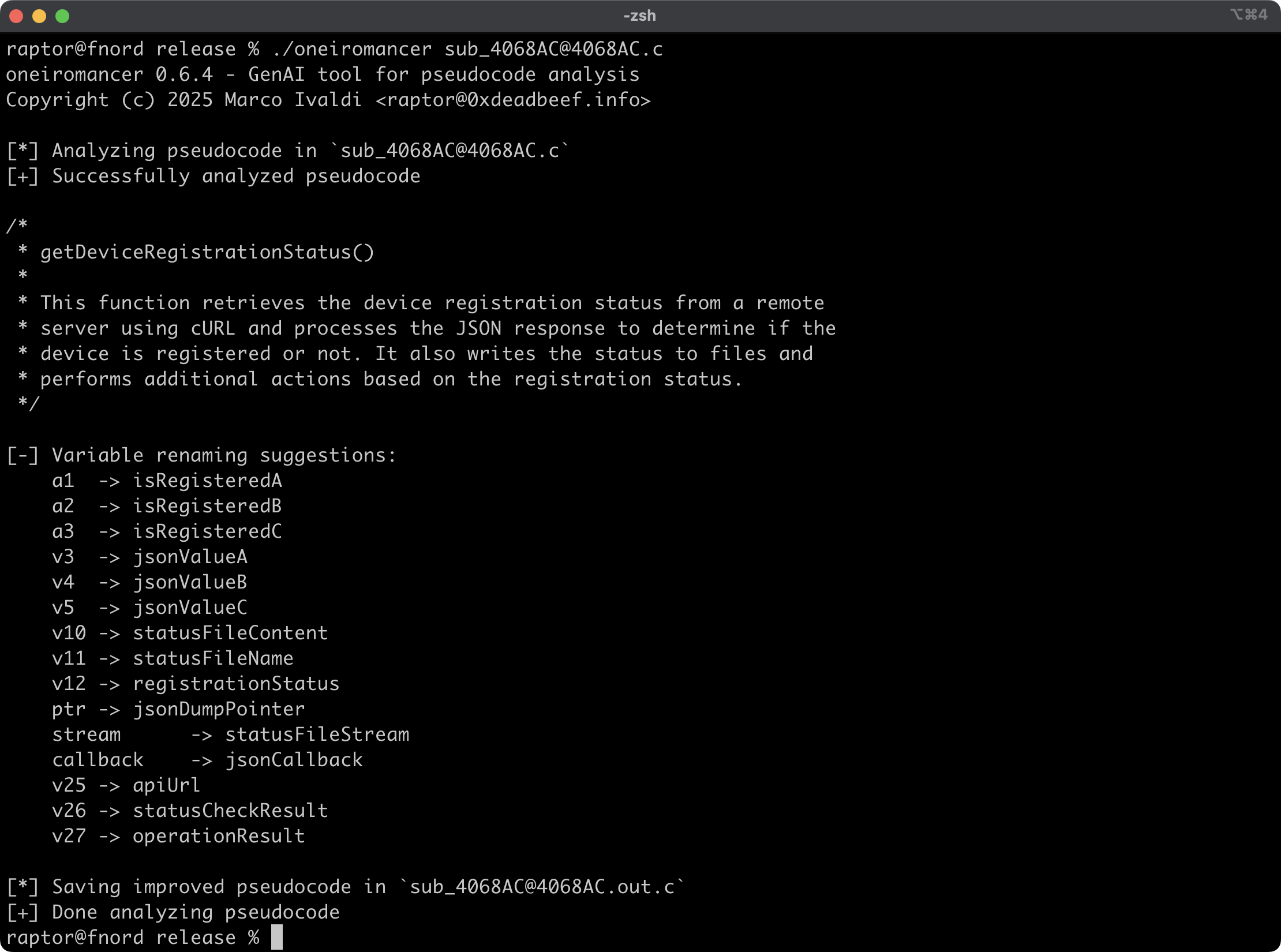
 0xdea/oneiromancer
Reverse engineering assistant that uses a locally running LLM to aid with pseudocode analysis.
 cookiengineer/actual-php2shell
:robot: (Vibecoded prototype) NO, There is an easy way to exploit this vulnerability!
 inquest/threatkb
Knowledge base workflow management for YARA rules and C2 artifacts (IP, DNS, SSL) (ALPHA STATE AT THE MOMENT)
 google/kernel-research
Linux kernel exploitation toolkit providing an exploit-building library, ROP chain and stack pivot generators, kernel image runners, and a target…
 silascutler/malpipe
Malware/IOC ingestion and processing engine
 cmu-sei/kaiju
CERT Kaiju is a binary analysis framework extension for the Ghidra software reverse engineering suite. This repository is a "mirror" -- please file…
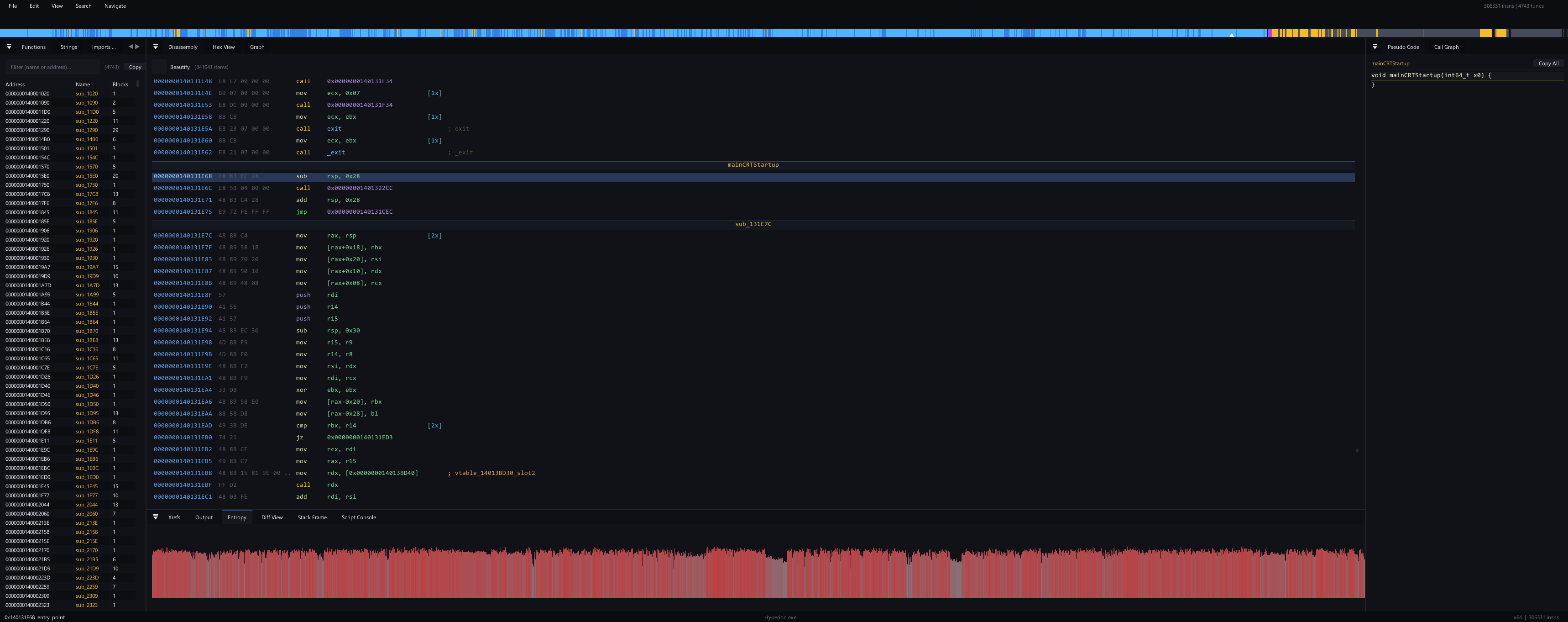 sidenai/hyperion-disassembler
Native multi-arch disassembler & decompiler - PE/ELF/Mach-O, x86/x64/ARM64, Lua scripting, RTTI recovery
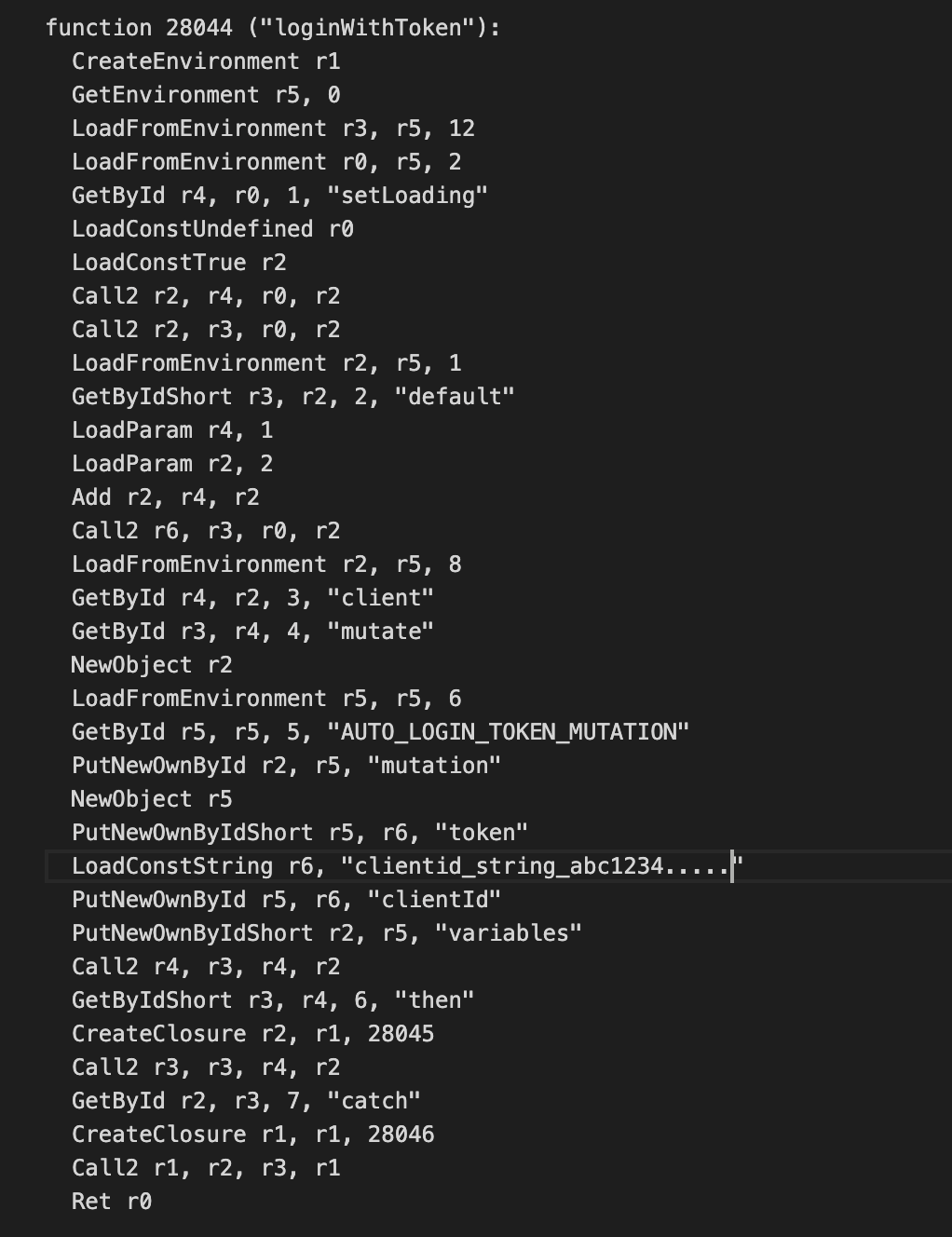 symbioticsec/hermes-decomp
A powerful decompiler that lets you reverse-engineer React Native mobile apps by converting their compiled Hermes bytecode (.hbc) files back into…

 niloofarkheirkhah/nili
Nili is a Tool for Network Scan, Man in the Middle, Protocol Reverse Engineering and Fuzzing.
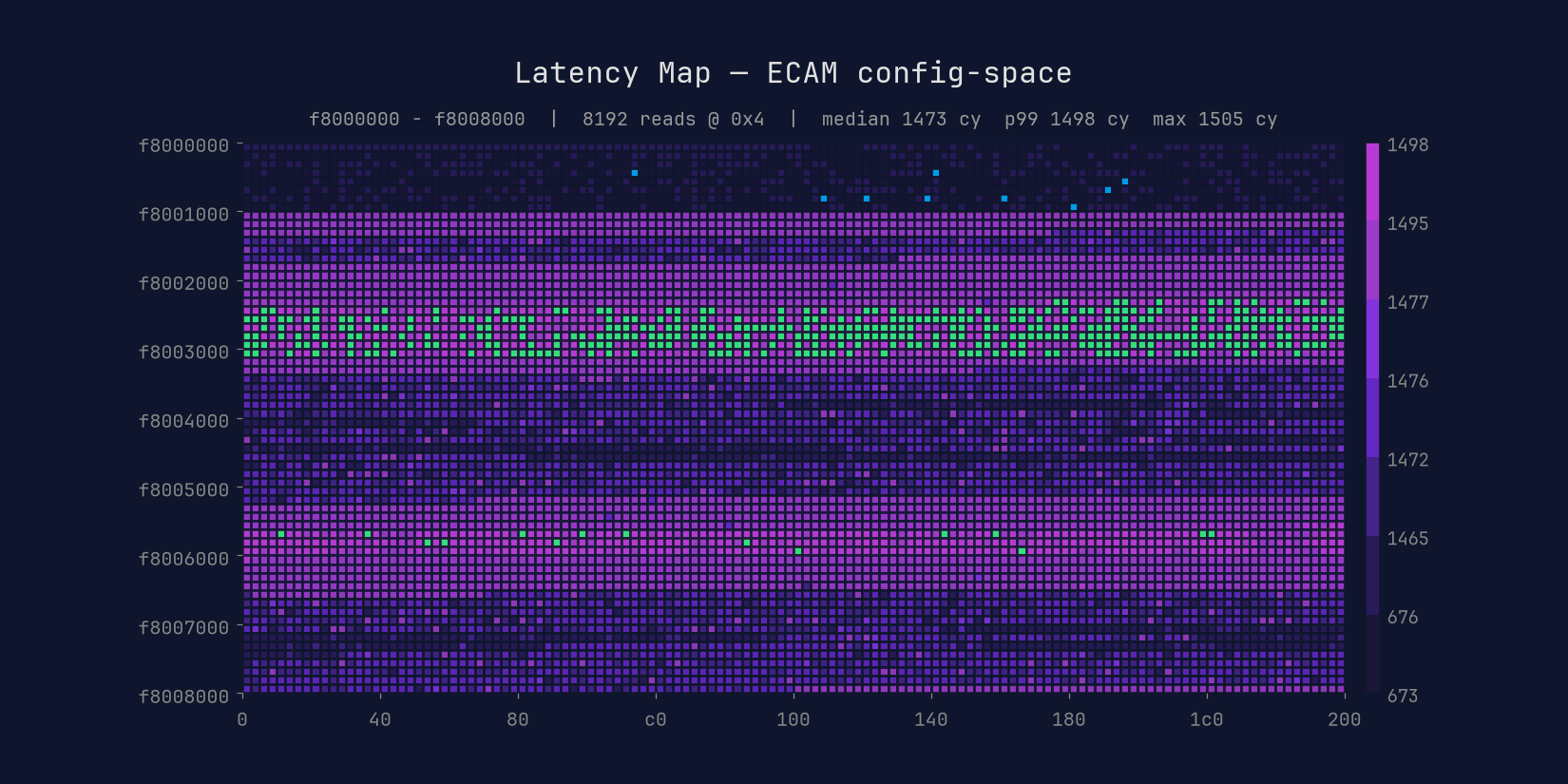 xoreaxeaxeax/mmiotic
Latency x-ray for undocumented hardware
 mushorg/buttinsky
Botnet monitoring is a crucial part in threat analysis and often neglected due to the lack of proper open source tools. Our tool will provide an open…
 hahwul/mzap
⚡️ Multiple target ZAP Scanning
 thebabush/llvm-jutsu
Anti-LLM obfuscation via finger counting
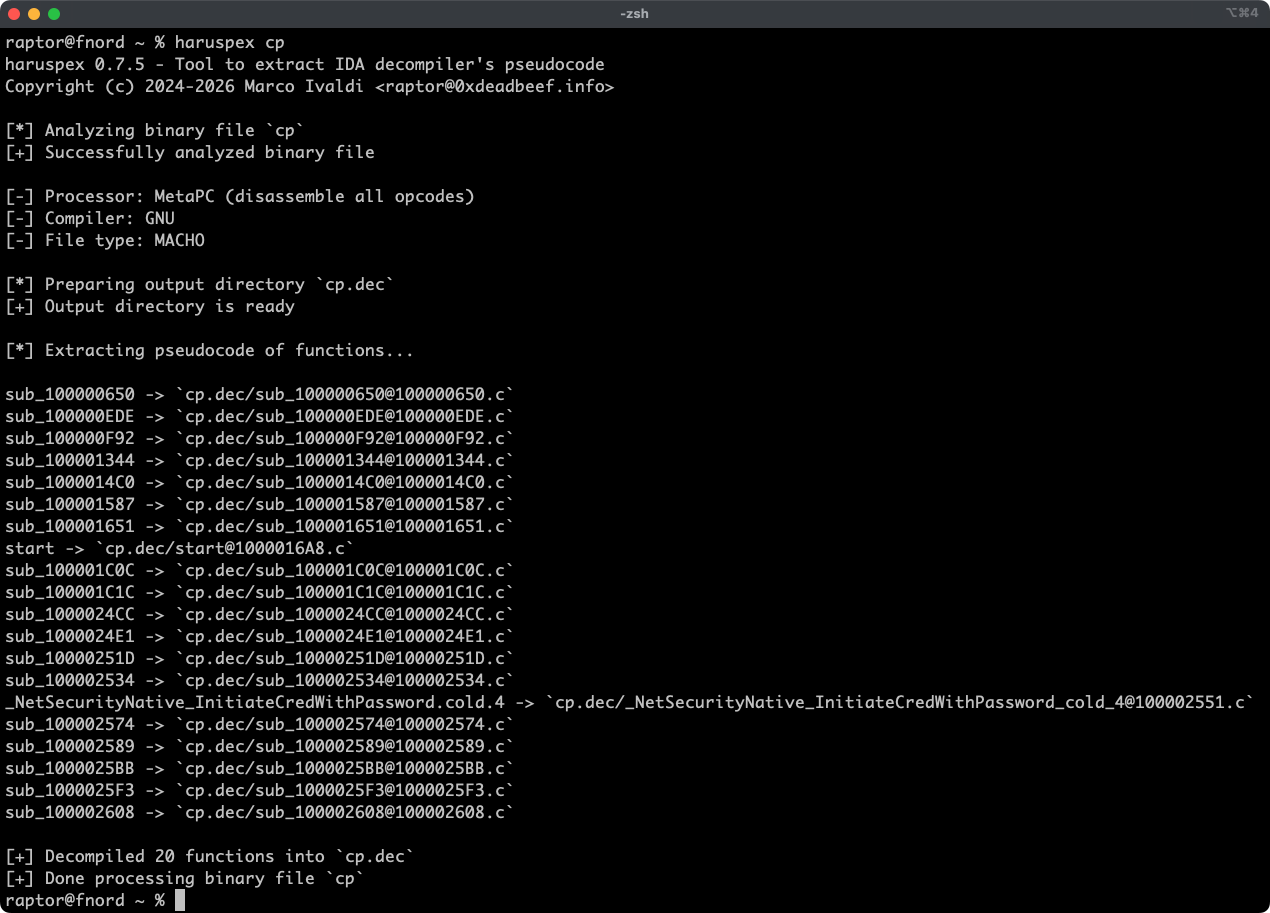 0xdea/haruspex
Vulnerability research assistant that extracts pseudocode from the IDA Hex-Rays decompiler.
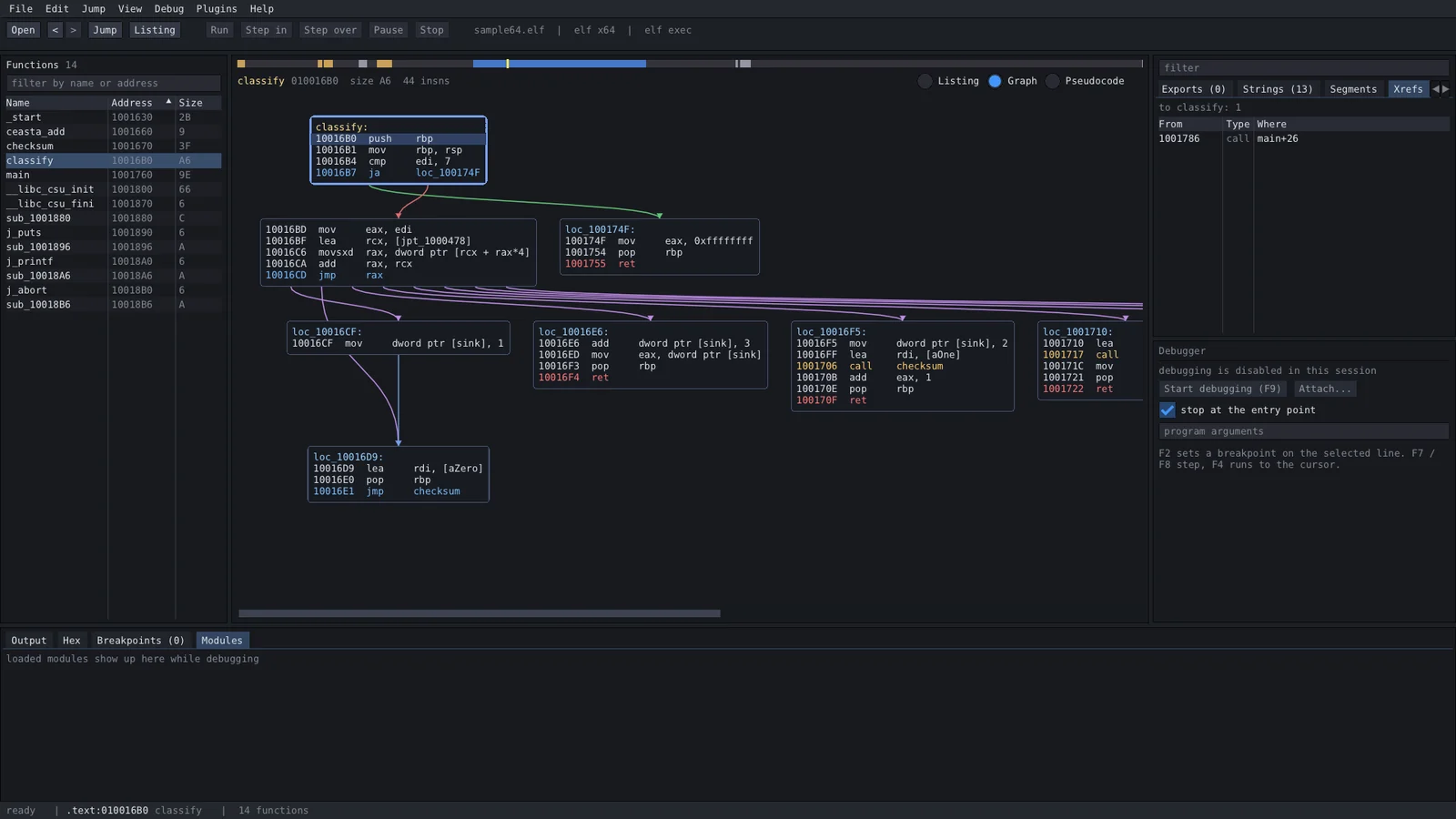 ngwg/ceasta
Disassembler, decompiler and x64dbg-style debugger for PE/ELF binaries with IDA-style listing, function graphs, Lua plugins, CLI, and a built-in MCP…
 dr4k0nia/niximports
A .NET malware loader, using API-Hashing to evade static analysis
 fortra/cve-2023-28252
Technical analysis and proof-of-concept exploit for CVE-2023-28252, a Windows Common Log File System (CLFS) driver privilege escalation vulnerability…