 #1
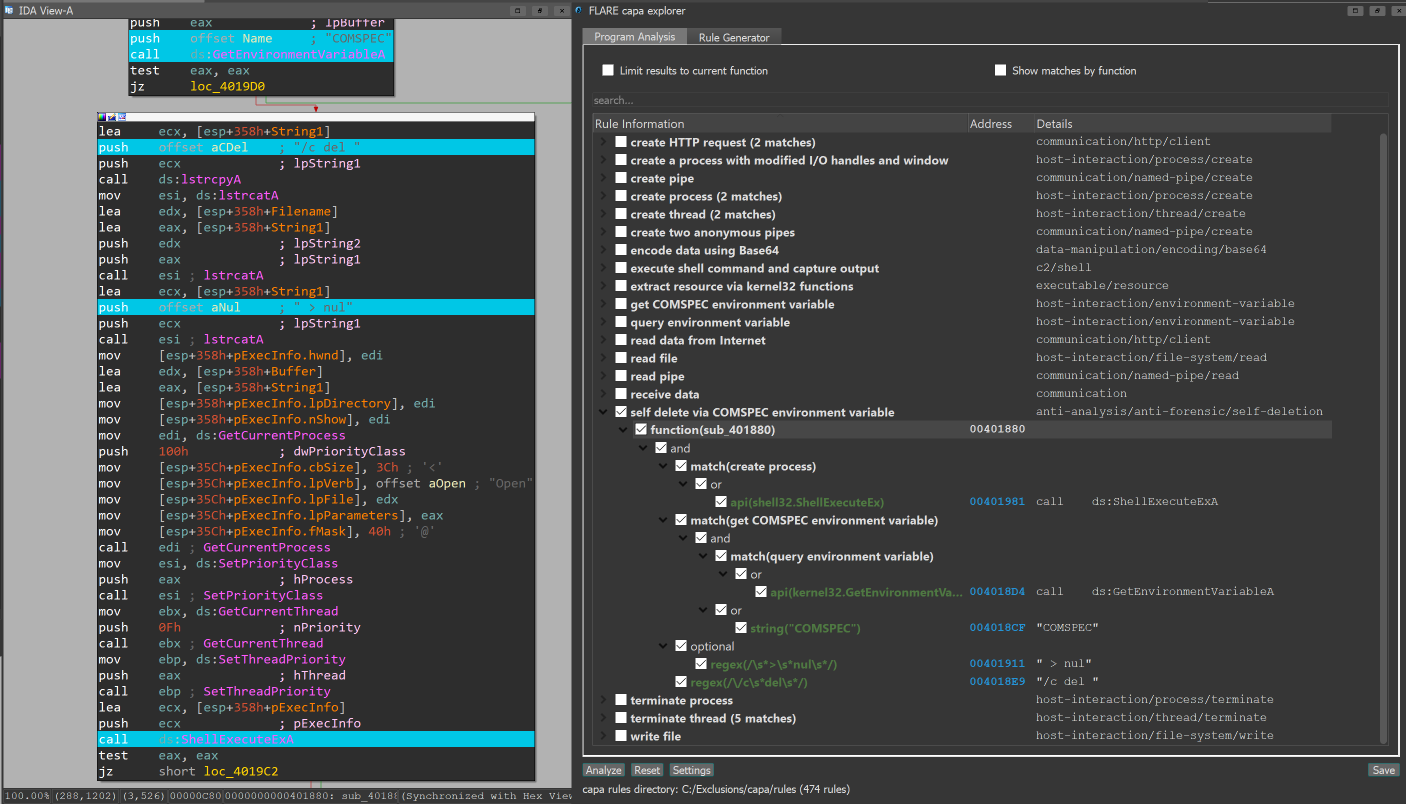
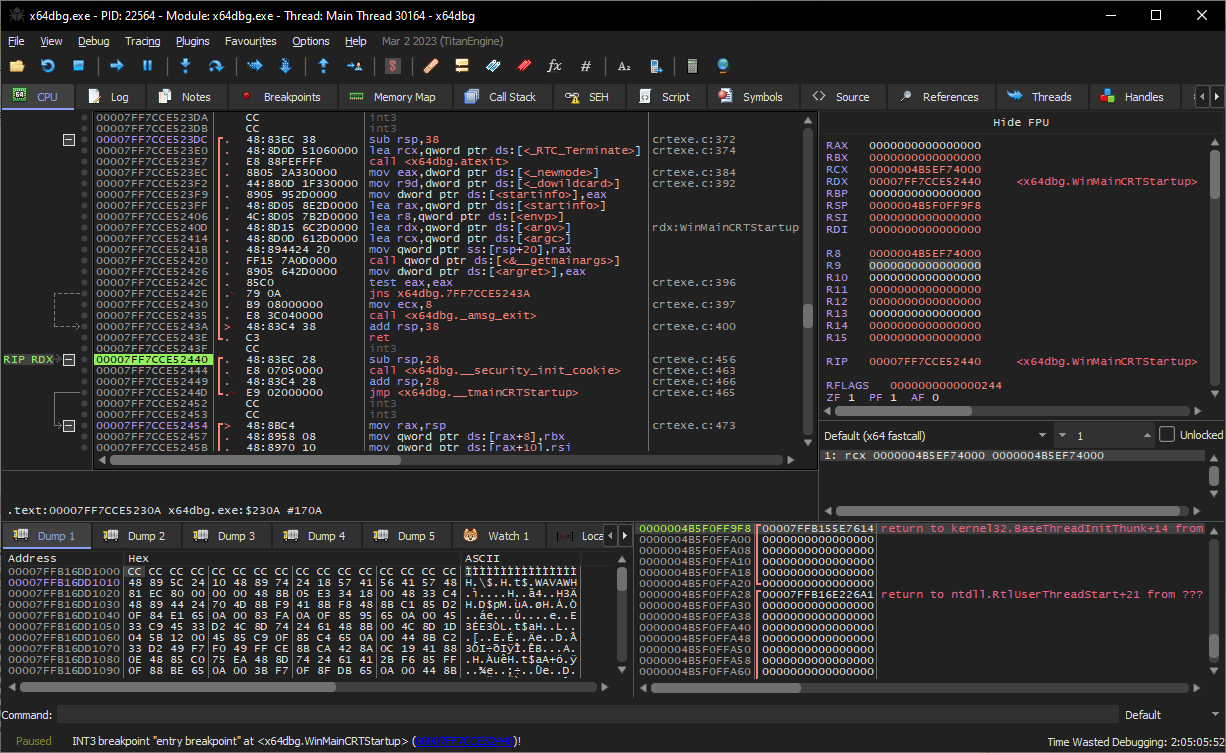
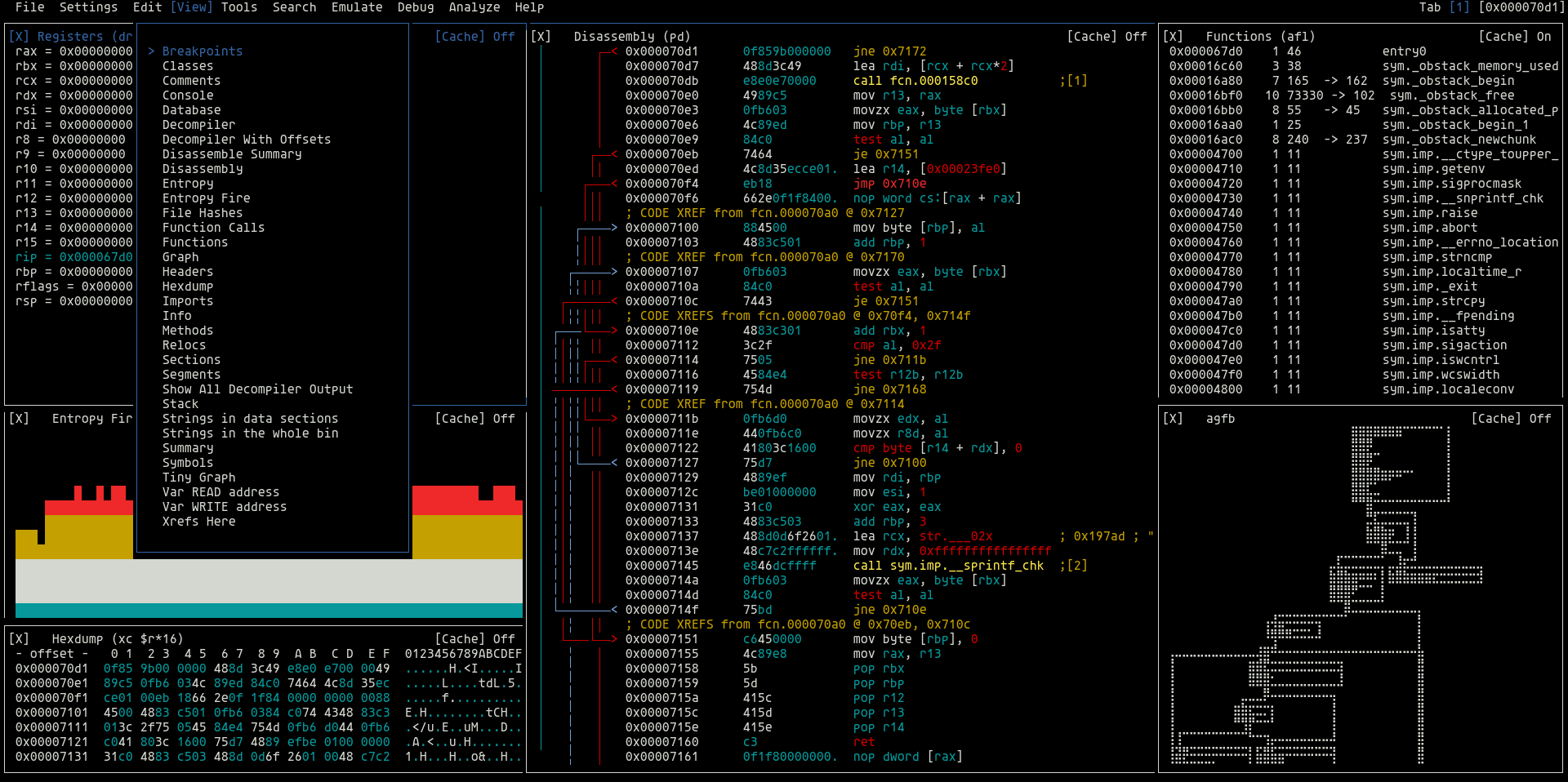
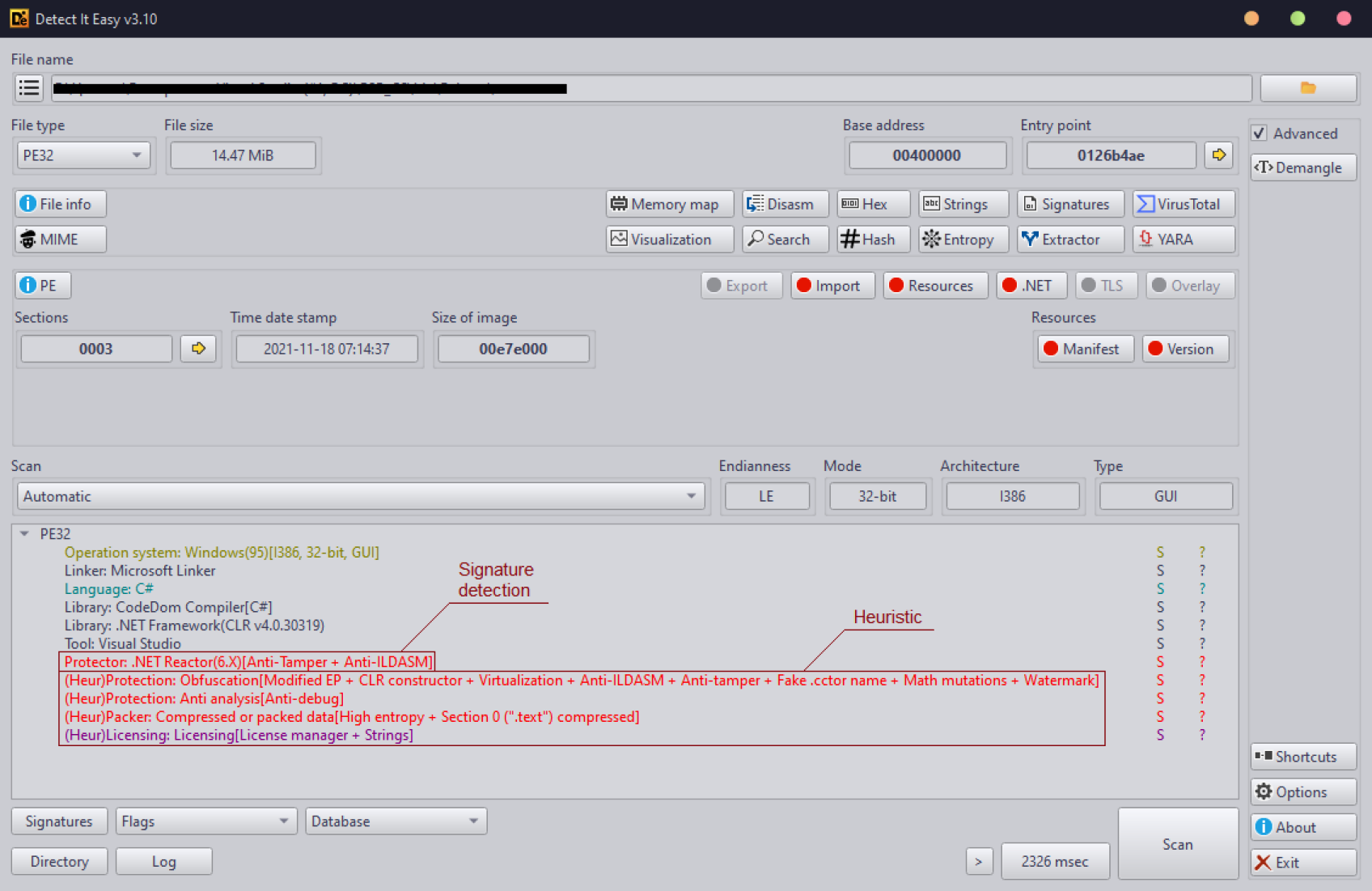
Tools for dissecting, understanding, and reverse engineering malicious software behavior.
Kitploit recommended
 mxmssh/drafl
AFL + DynamoRIO = fuzzing binaries with no source code on Linux
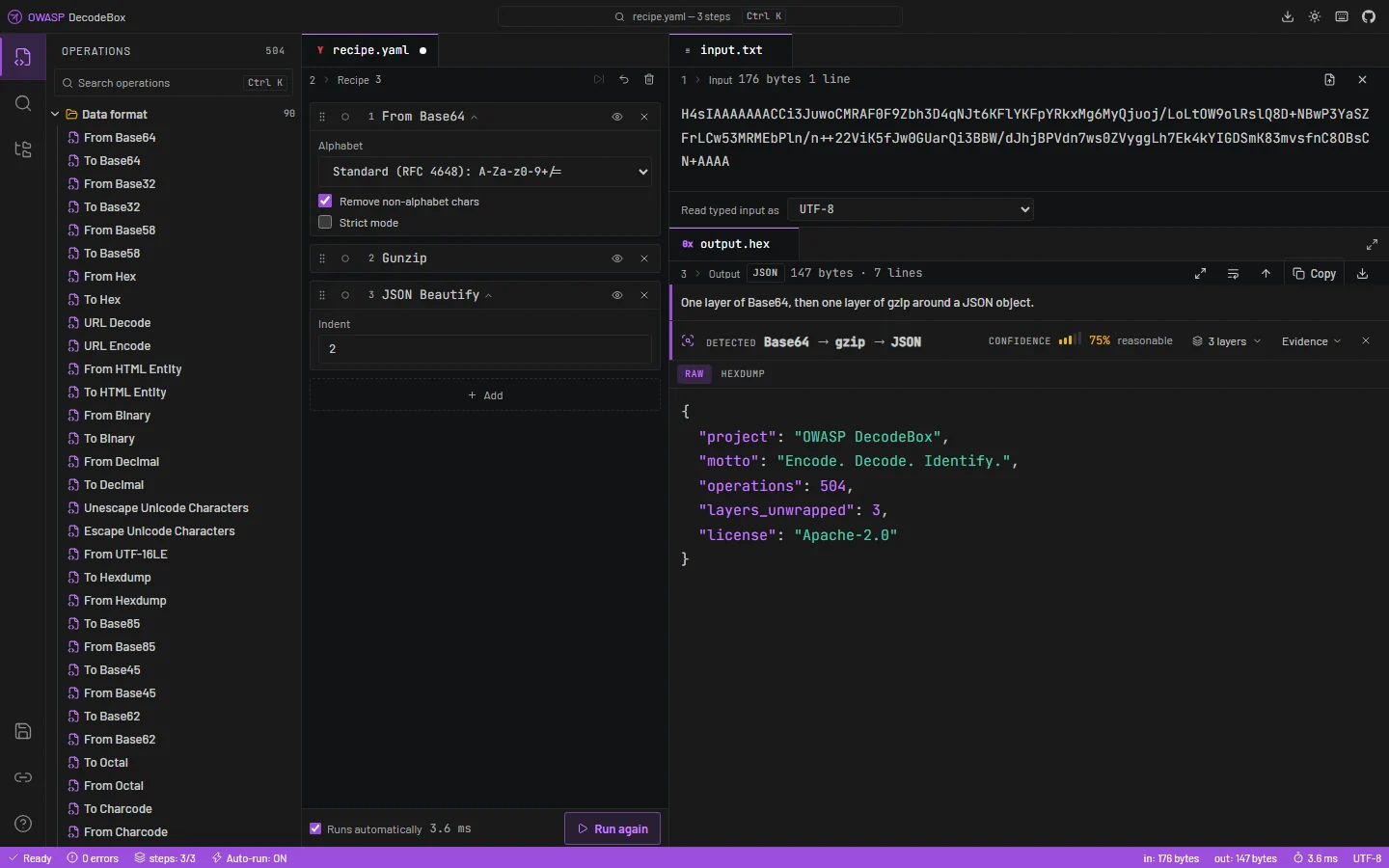 owasp/decodebox
Client-side workbench that auto-detects, recursively decodes, and analyses unknown or layered data, extracting indicators and CWE-tagged security…
 dmitry-matvienko/malware-analysis-fake-hwmonitor
Technical analysis, writeup, and YARA rules for a DLL Sideloading campaign disguised as HWMonitor
 idov31/silverseal
Linux post-exploitation framework with a UEFI bootkit that persistently and stealthily loads a Rust-based kernel module rootkit on modern Linux…
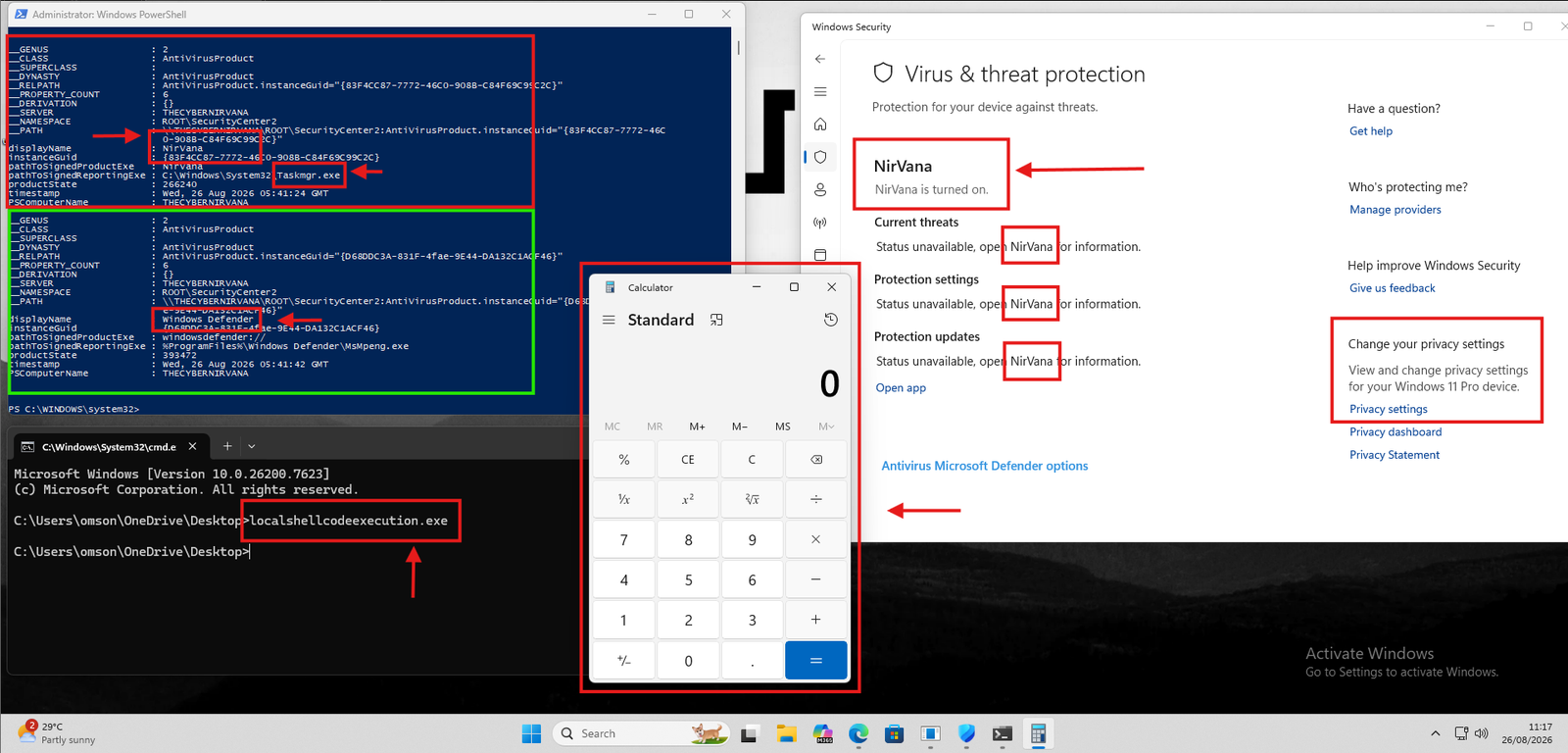 nirvanaon/own-defender
Research project reverse-engineering Windows Security Center COM interfaces to trace AV registration through ATL, vtable, WSCAPI, and RPC, with…
 yelp/detect-secrets
An enterprise friendly way of detecting and preventing secrets in code.
 gadievron/raptor
Autonomous security research framework integrating static analysis, binary analysis, fuzzing, LLM-powered vulnerability validation, exploit…
 illera88/ponce
IDA 2016 plugin contest winner! Symbolic Execution just one-click away!
 jackofmosttrades/gadgetinspector
A byte code analyzer for finding deserialization gadget chains in Java applications
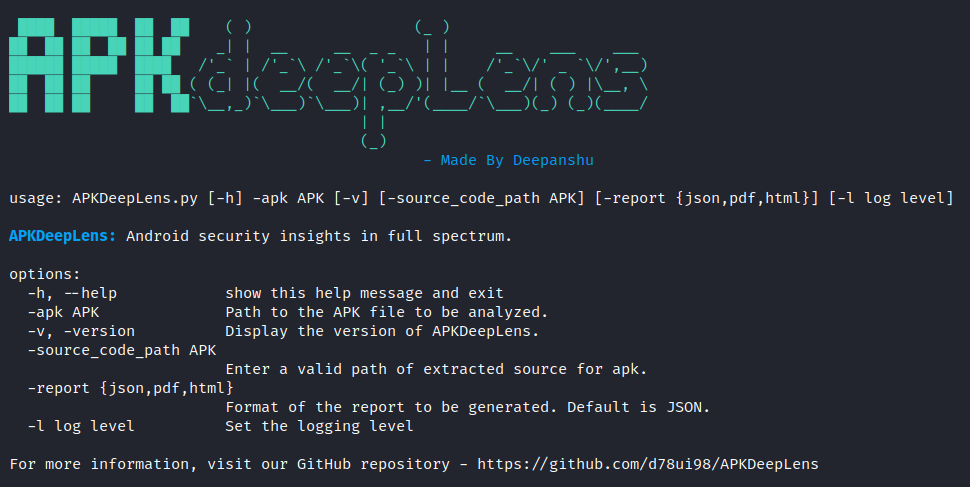 d78ui98/apkdeeplens
Android security insights in full spectrum.
 reyammer/shellnoob
A shellcode writing toolkit
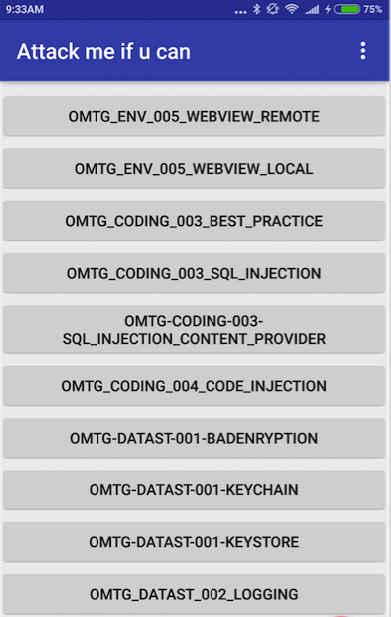 owasp/mastg-hacking-playground
Collection of intentionally insecure iOS and Android apps for learning mobile security testing, reverse engineering, and vulnerability analysis,…
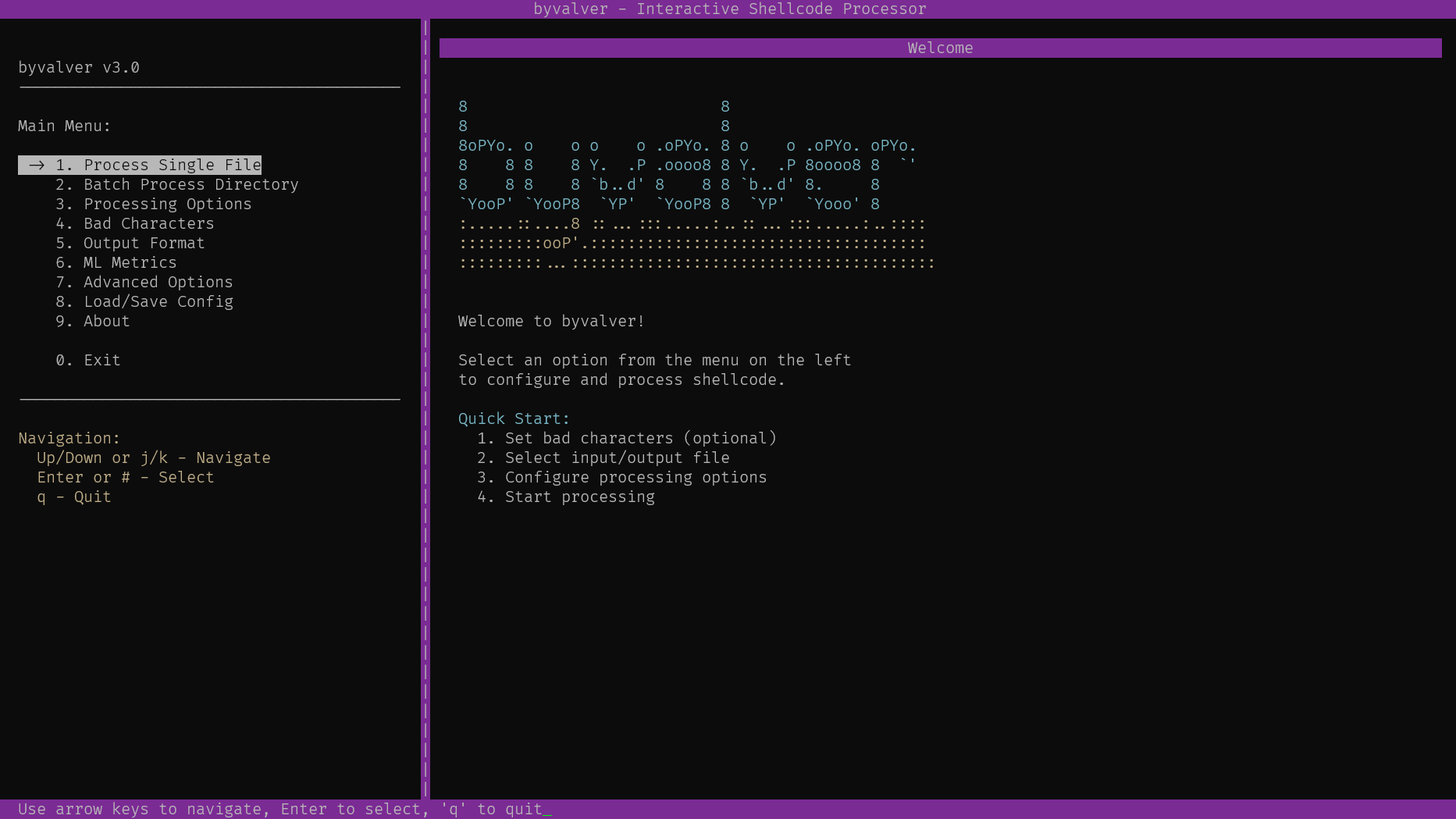 umpolungfish/byvalver
takes shellcode bad-bytes and banishes them, returning cleaned shellcode with preserved functionalities
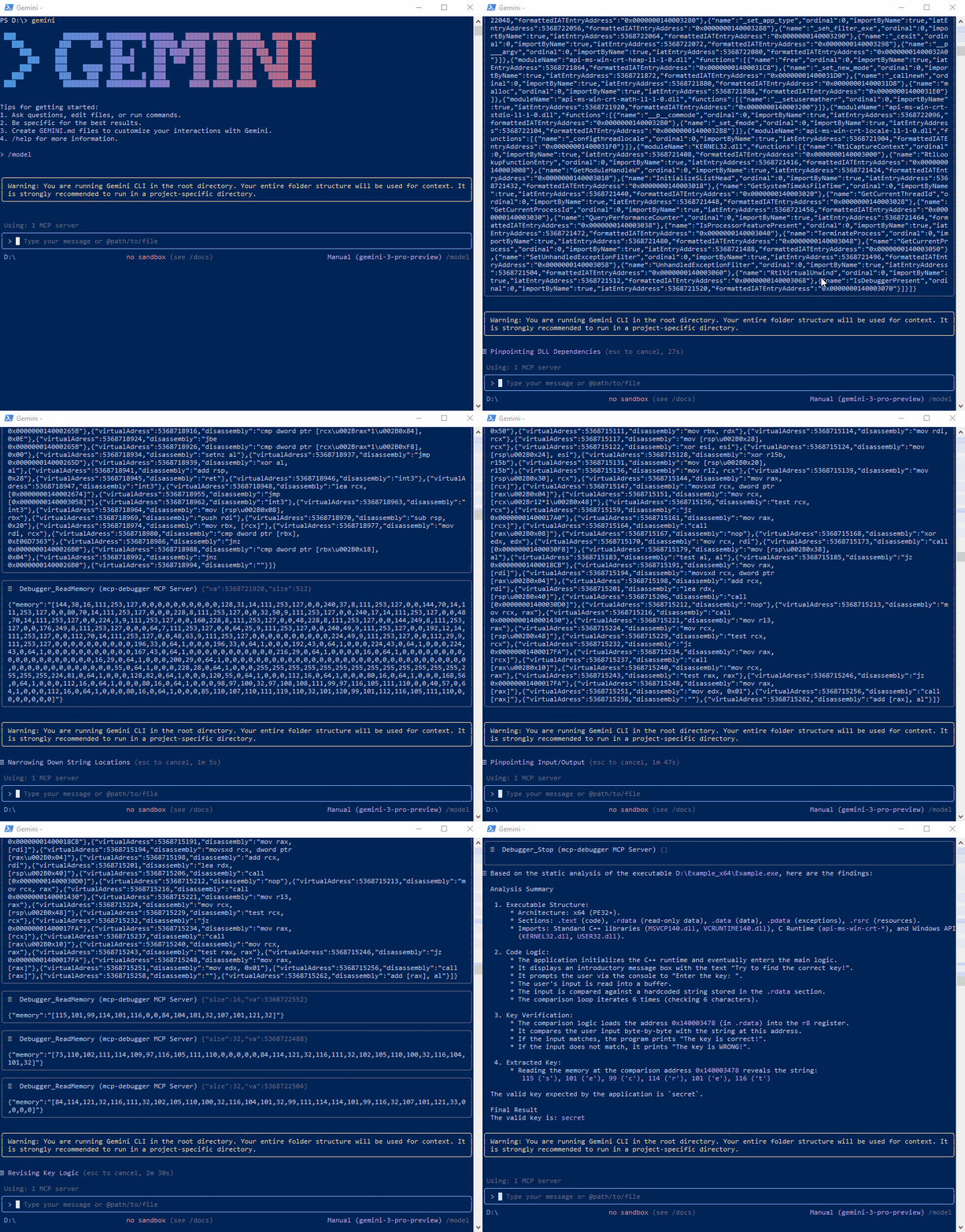 fatmike-gh/mcpdebugger
A MCP Debugger Server for Windows executables (x86 and x64). Exposes debugger functionality as MCP Tools for static / dynamic analysis of the…
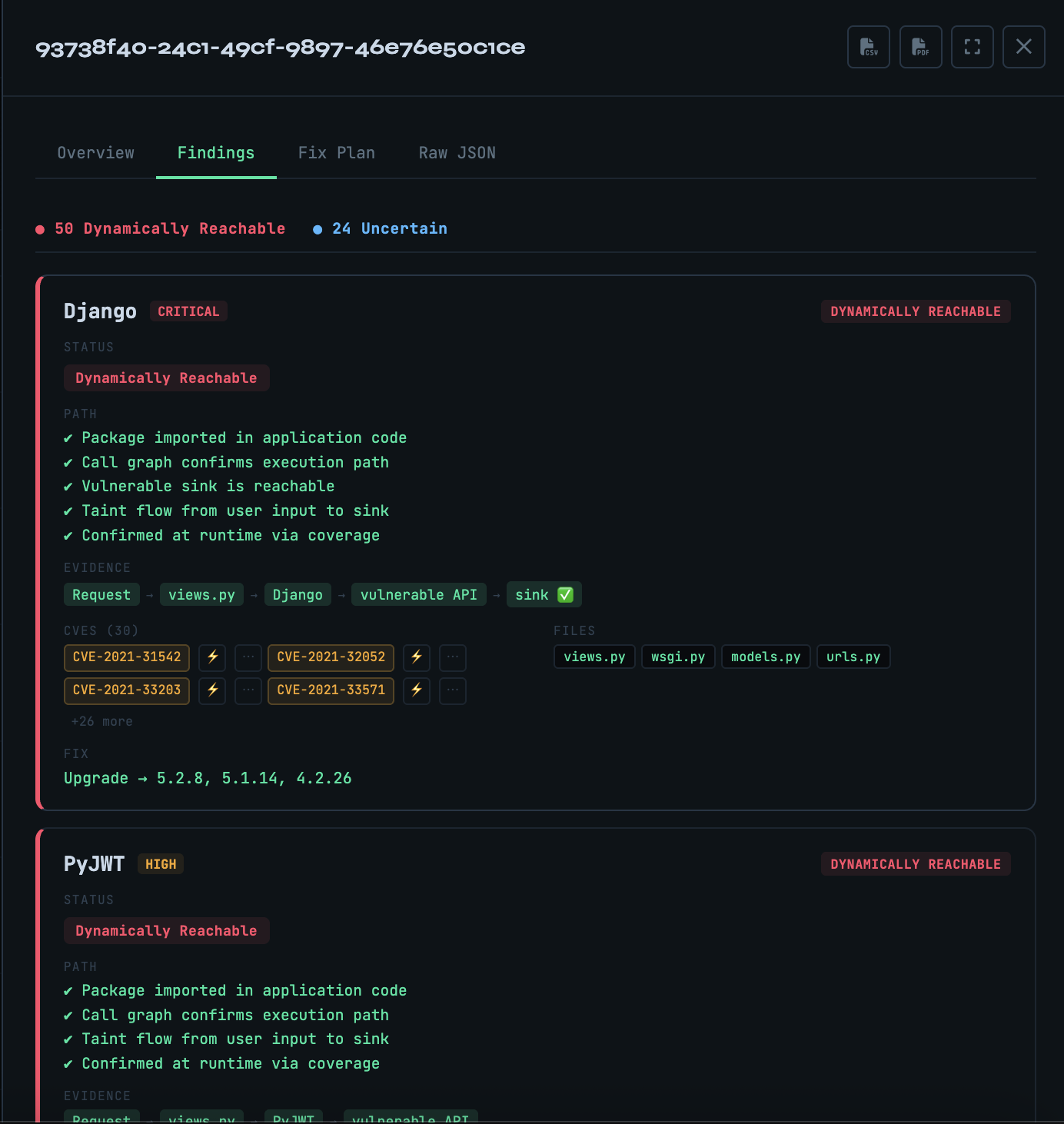 owasp/vulnreach
Runtime-aware SCA — proves which CVEs are actually reachable, not just installed.
 ejfkdev/pycdc
Decompile and disassemble Python bytecode (.pyc/.pyo) back to readable source. Supports Python 2.0 - 3.15 (CPython, PyPy and other implementations).…
 0xblackash/cve-2026-81000
Research repository for CVE-2026-81000 (TUNderflow), a Linux kernel TUN/TAP receive headroom integer underflow enabling local privilege escalation,…
 ping-2o/ios.cve-2026-84616-84607
research on finding the bug and fix of CVE-2026-84616 and CVE-2026-84607