
BYOVD
 blacksnufkin/byovd
BYOVD research use cases featuring vulnerable driver discovery and reverse engineering methodology. (CVE-2025-52915, CVE-2025-1055, CVE-2026-3609,…
educationexploitationids-ips-evasion+4
blacksnufkin/byovdBYOVD research use cases featuring vulnerable driver discovery and reverse engineering methodology. (CVE-2025-52915, CVE-2025-1055, CVE-2026-3609,…
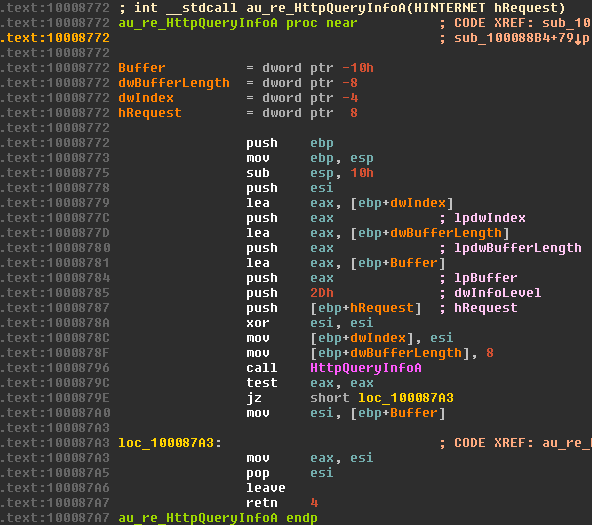 a1ext/auto_re
IDA PRO auto-renaming plugin with tagging support
 trailofbits/quantum-zk-proof-poc
Proof-of-concept code for beating Google's ZK proof of quantum cryptanalysis
 enovella/tee-reversing
A curated list of public TEE resources for learning how to reverse-engineer and achieve trusted code execution on ARM devices
 novaek/cve-2026-0073-research
CVE-2026-0073 is an RCE with a CVSS severity score of 8.3, and here we will explain how it works.
 frank2/packer-tutorial
A tutorial on how to write a packer for Windows!
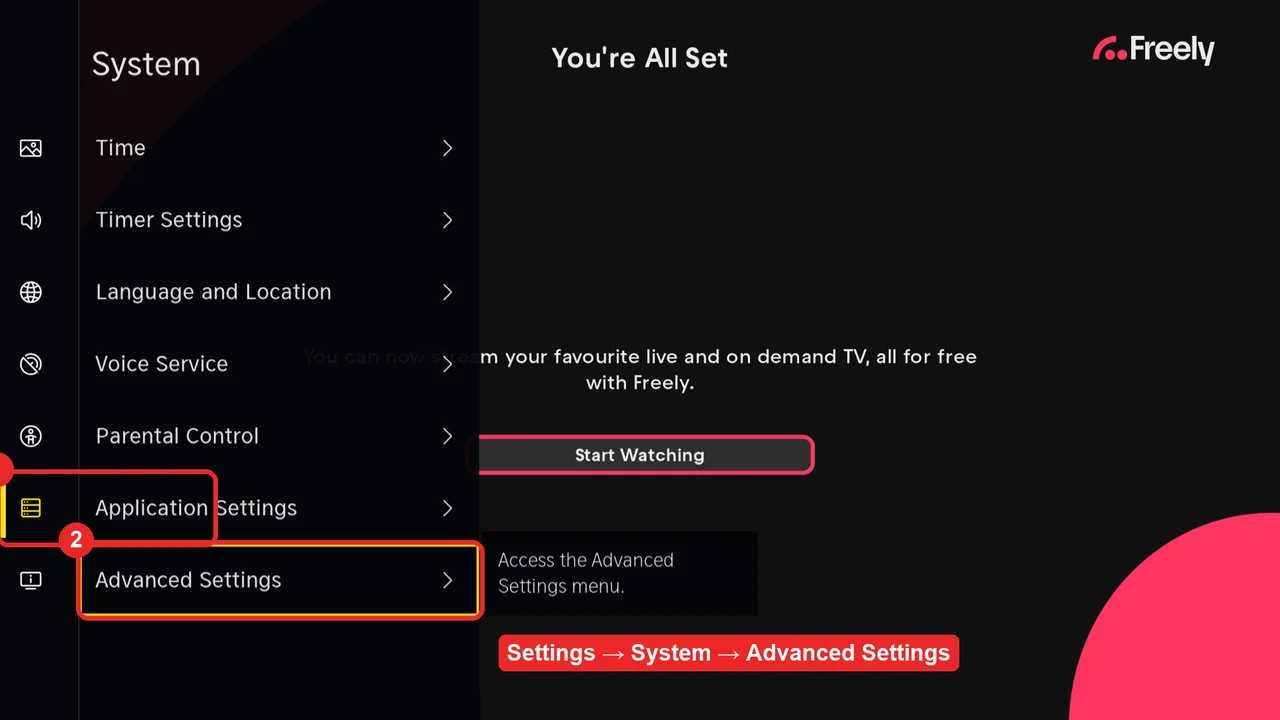 gwerneckp/vidaa-tv-spyware
What my Hisense VIDAA TV does in the background: ACR viewing tracking, decoded and captured, and how to turn it off
 saeidshirazi/awesome-android-security
A curated list of Android Security materials and resources For Pentesters and Bug Hunters
 smtimesiwndr/gdid-reversal
Reverse-engineered analysis of Microsoft's Global Device Identifier (GDID) revealing its generation as a server-assigned MSA Device PUID, storage in…
 brnpl/flutter-reverse-engineering-labs
Hands-on challenges for learning how to reverse engineer Flutter applications.
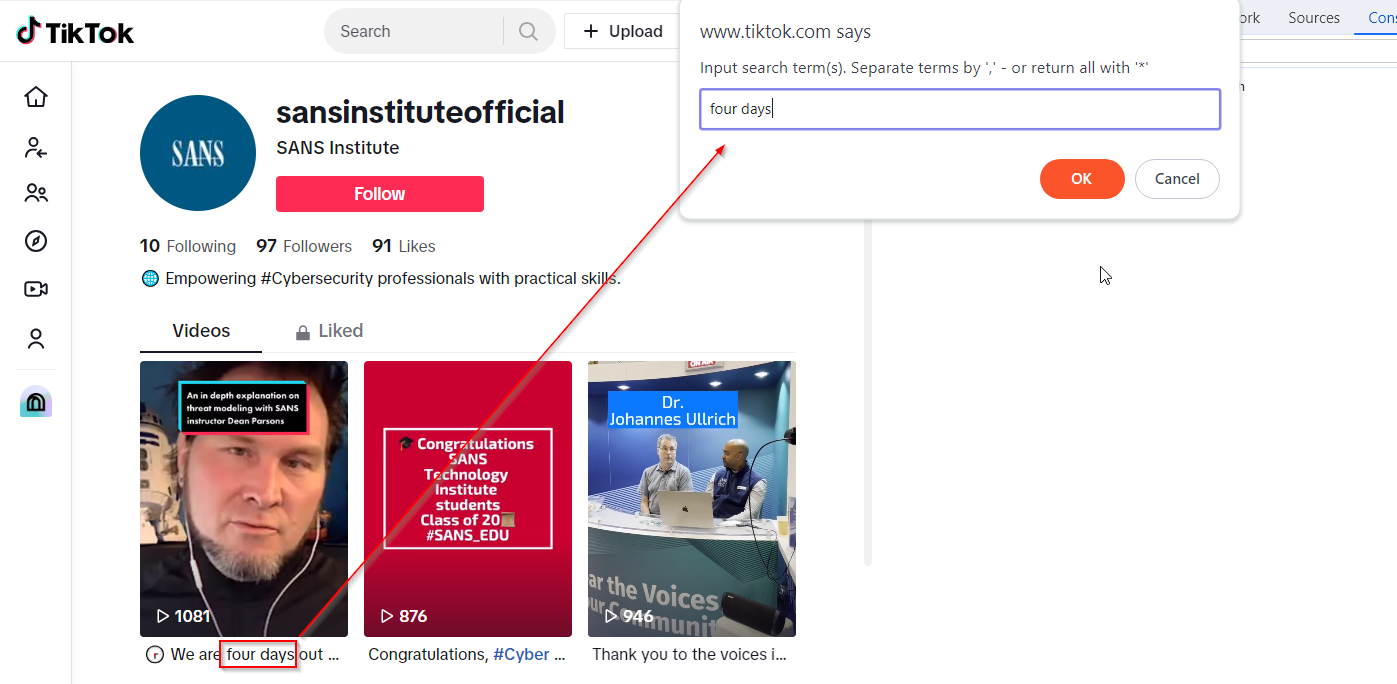 janhalendk/react
A OSINT project that explores how to dump data from React
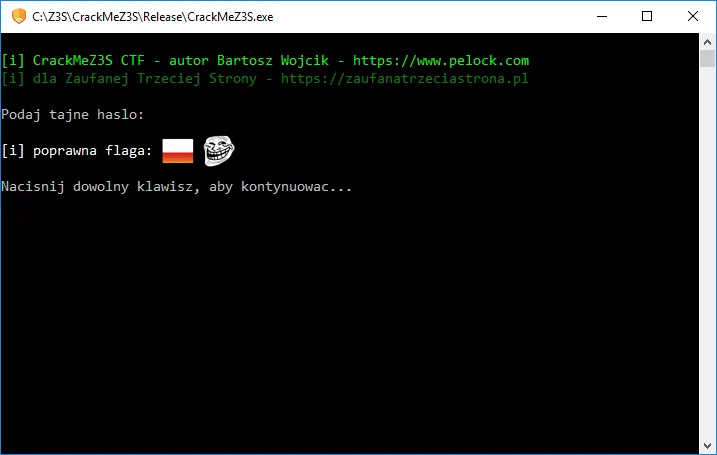 pelock/crackmez3s-ctf-crackme-tutorial
How to write a CrackMe for a CTF competition. Source code, technical explanation, anti-debugging and anti reverse-engineering tricks.
 ilgobbo00/cve-2023-6241-pixel7_adaptation
Adaptation of CVE-2023-6241 for Google Pixel 7 from Google Pixel 8 taken from securitylab/SecurityExploits/Android/Mali/CVE_2023_6241
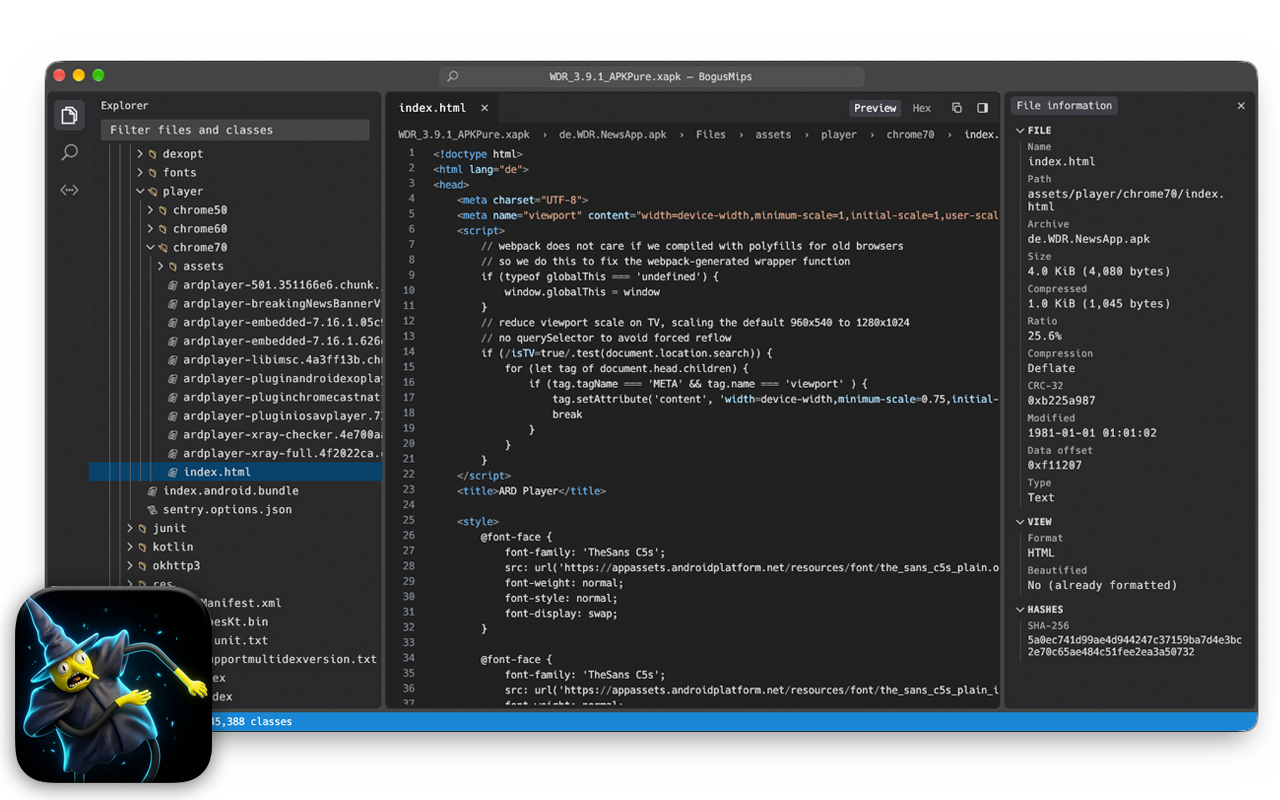 jankammerath/bogusmips
Forensic analytics for disassembly, reassembly, reverse engineering and auditing of Android apps
 adrihd/shiningappmask-reverseengineering
Reverse Engineering of the Shining App Mask
 gmh5225/driver-pidqserializationwrite-example
How to use PiDqSerializationWrite. Introduces how to safely read and write from mapped driver
 k3vinlusec/r7000_httpd_bof_cve-2020-15416
Walkthrough of CVE-2020-15416 buffer overflow exploit for Netgear R7000 router, including QEMU user-mode debugging environment setup and detailed…
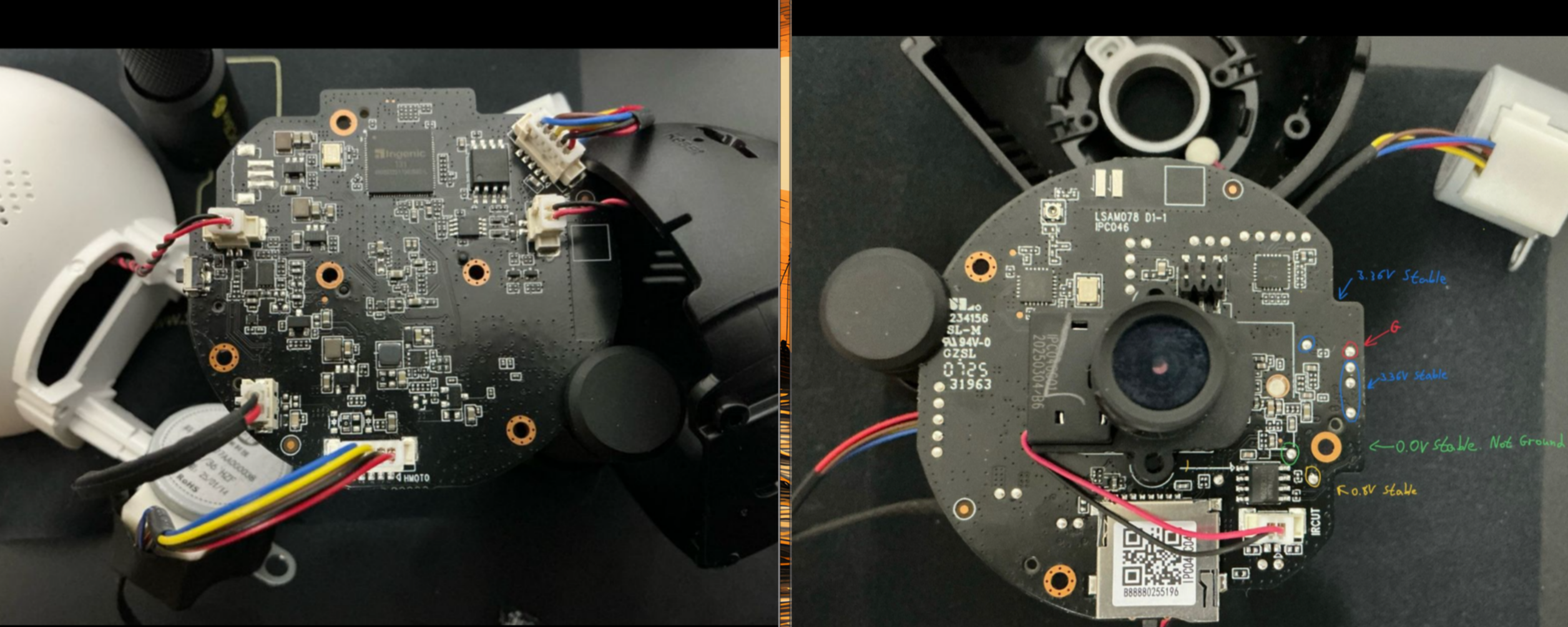 h3xdum/xiaomi-c200-firmware-analysis
From UART to Root: Breaking Into the Xiaomi C200 via U-Boot