
Skip to content
KitploitKITPLOIT
ToolsExploitsBlog
Log in
Submit
ToolsExploitsBlog
Submit

Hacking, PenTest, and Cybersecurity Tools for Your Security Arsenal!

Kitploit is a directory of hacking, cybersecurity, and pentesting tools. Discover the latest project updates to find vulnerabilities, analyze systems, automate testing, and strengthen your security.

FeedsContactPrivacy© 2026 Kitploit

Tool Directory

Categories

View all categories
Loading categories
WhoAmIMailBot — Self-hosted email alias masking service using Postfix and Telegram bot to create disposable addresses for signups, with full control over email infrastructure. | Kitploit
Tools/GitHubGitHub/mthbernardes/whoamimailbot
PrivacyUtilities & FrameworksAuthenticationEmail Security
GitHubmthbernardes/whoamimailbot

WhoAmIMailBot

Self-hosted email alias masking service using Postfix and Telegram bot to create disposable addresses for signups, with full control over email infrastructure.

View Repository
6823448 years agoReviewed by Kitploit
Share

Who Am I Mail Bot

What is it?

Who Am I Mail Bot is a service to mask your e-mails. It was inspired by Blur, where you can create an alias for your e-mail and use it to signup on applications. The problem with Blur is that all e-mails pass trough their infraestructure and I don't need/want anybody looking on my e-mails, so I made this project. WhoAmIMailBot is similar to Blur service but runs on your own infraestructure!

How it works?

You will need:

  • A domain (to not expend money you can use no-ip services);
  • A VPS that allows smtp outbound;
  • A telegram bot ID;
  • Your telegram user ID;
  • This project.

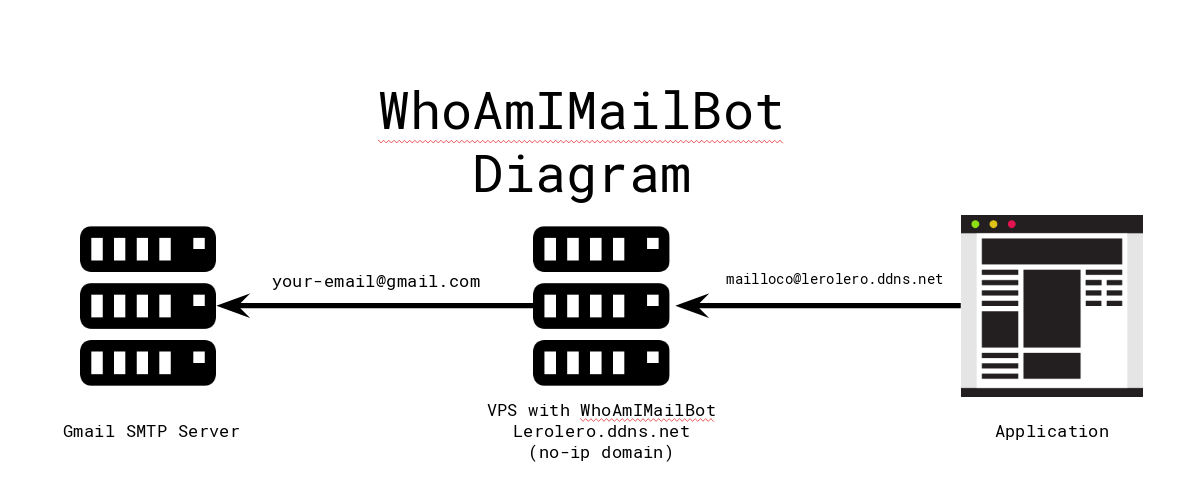
Your VPS will run a postfix that will redirect e-mails using the postfix function of virtual alias (where you can set an e-mail address to redirect all incoming messages to another e-mail), the no-ip domain will be the domain which you'll use on your alias e-mails and the telegram bot will manage your alias. So:
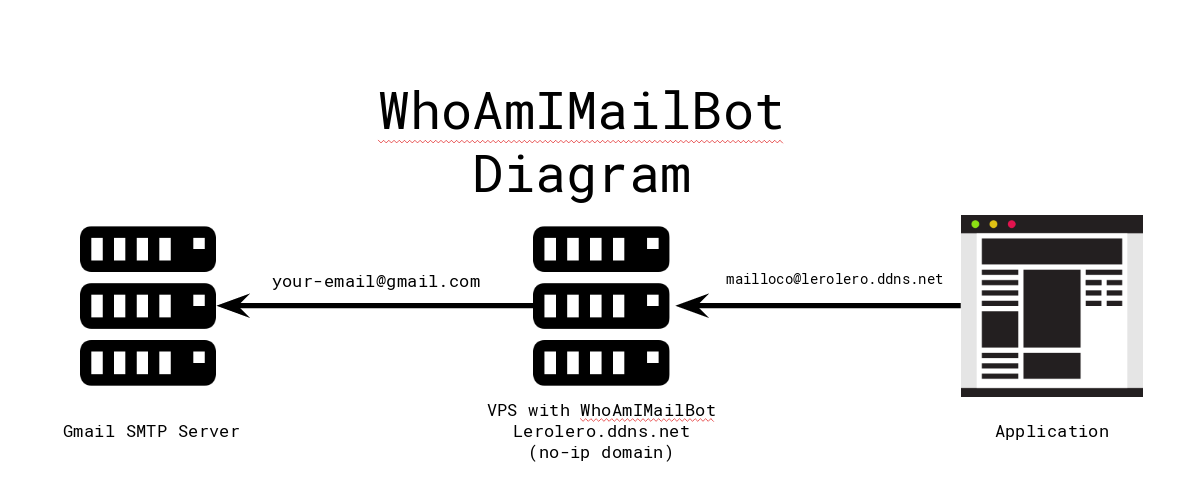
diagram

Installation

  • From source
git clone https://github.com/mthbernardes/WhoAmIMailBot.git
cd WhoAmIMailBot
docker build -t whoamimailbot .
docker run -d -p 25:25 --name whoamimailbot -v /data/postfix/:/data -e TELEGRAM_BOT_TOKEN="BOT_TOKEN" -e TELEGRAM_USER_ID="USER_ID" -e FAKE_DOMAIN="mail.example.com" whoamimailbot
  • From Hub Docker

You can download the image using the following command:

docker pull btamburi/whoamimailbot

or

docker run -d -p 25:25 --name whoamimailbot -v /data/postfix/:/data -e TELEGRAM_BOT_TOKEN="BOT_TOKEN" -e TELEGRAM_USER_ID="USER_ID" -e FAKE_DOMAIN="mail.example.com" btamburi/whoamimailbot

Environment variables

This image uses environment variables to allow the configuration of some parameteres at run time:

  • TELEGRAM_BOT_TOKEN: Telegram bot token. (Use: @BotFather)
  • TELEGRAM_USER_ID: Your Telegram ID. (Use: @my_id_bot)
  • FAKE_DOMAIN: Your fake domain for receive email. (Example: mailbot.ddns.net )

Usage

On your telegram bot you have the follow commands,

CommandDescription
/listList all available aliases
/new [email protected]Create a new alias for the given mail
/delete stringDelete alias by a given string
Download Tool

Most Popular

View all →

Discover the most used tools by our community.

  • 1

    OsintHunter

    letox4/osinthunter

    🎯 The ultimate OSINT toolkit: investigation graph, confidence scoring, alias families, map, timeline and reports. 49 modules, 400+ sites, no API keys required.

    795
  • 2

    ghostlock-app

    yukonga/ghostlock-app

    GhostLock One-Tap Execution App (CVE-2026-43499)

    520
  • 3

    ARTEX

    baarai/artex

    LLM multi-agent autonomous penetration testing platform with planner/worker agents, asset and exploration graphs, MITM traffic recording, and vulnerability retesting.

    439
  • 4

    redforge

    cybersecurity91/redforge

    Browser-side red team toolkit with 102 offline tools for recon, payload generation, credential attacks, crypto, encoding and engagement reporting.

    346
  • 5

    looking-glass

    anonghosty/looking-glass

    CSIRT platform that ingests Shadowserver reports into MongoDB and replays them as interactive maps, analysis, findings, advisories and executive dashboards.

    267
  • 6

    CyberStrikeAI

    ed1s0nz/cyberstrikeai

    The system of action for AI-native cybersecurity—where intent becomes governed execution, evidence becomes operational memory, and every operation improves the next.

    264

Explore all tools

Browse our collection of tools

View all tools →






