
Skip to content
KitploitKITPLOIT
ToolsExploitsBlog
Log in
Submit
ToolsExploitsBlog
Submit

Hacking, PenTest, and Cybersecurity Tools for Your Security Arsenal!

Kitploit is a directory of hacking, cybersecurity, and pentesting tools. Discover the latest project updates to find vulnerabilities, analyze systems, automate testing, and strengthen your security.

FeedsContactPrivacy© 2026 Kitploit

Tool Directory

Categories

View all categories
Loading categories
dnsresolver — A Lightning-Fast DNS Resolver written in Rust 🦀 | Kitploit

Tools/GitHubGitHub/ethicalhackingplayground/dnsresolver
ReconnaissanceDNS & Subdomain EnumerationInformation GatheringWeb SecurityPenetration TestingDNS Analysis
GitHubethicalhackingplayground/dnsresolver

dnsresolver

A Lightning-Fast DNS Resolver written in Rust 🦀

Share
View Repository
7011402 years agoReviewed by Kitploit

dnsresolver


DNS Resolver

A Lightning-Fast DNS Resolver


Table of Contents

  • Installation
  • Usage
    • Basic Usage
    • Resolving Hosts with Ports
    • Virtual Host Enumeration
      • Using Unresolved Domains
      • Using Localhost
  • Demonstrations
  • Feedback
  • License

Installation

Make sure you have rust installed, then run the following command to install dnsresolver.

git clone https://github.com/ethicalhackingplayground/dnsresolver ; cd dnsresolver ; cargo install --path .

Usage

cat subs.txt | dnsresolver

If you need to resolve hosts with any ports, you can use the --ports flag.

cat subs.txt | dnsresolver -p 443,80,8080,8081

Virtual Host Enumeration

Using Unresolved Domains

First step would be to get all the unresolved hosts from a given domain list using:

cat subs.txt | dnsresolver --show-unresolved | anew unresolved.txt

Then, to discover all the virtual hosts from a given domain list,

you can use the --vhost flag followed by the --vhost-file flag.

dnsresolver aims to bypass access restrictions on certain pages. It does so by substituting the host header with unresolved domains and using the sift algorithm. This ensures that the virtual host's response differs from the actual response. Remember to raise the soft limit using the command ulimit -n 10000 to handle more files simultaneously.

cat subs.txt | dnsresolver --vhost --vhost-file unresolved.txt

To validate a finding run this curl command:

curl -v -k thehost.com -H "Host: unresolved-domain.com"

Using Localhost

You can also use the --vhost flag with the --check-localhost flag to replace the host header with localhost, often times this allows you to access restricted pages and can lead to some information disclosures and juicy admin panels.

cat subs.txt | dnsresolver --vhost --check-localhost

To validate a finding run this curl command:

curl -v -k thehost.com -H "Host: localhost"

Demonstrations

asciicast

asciicast

asciicast

Feedback

If you have any feedback, please reach out to us at [email protected] or via twitter https://twitter.com/z0idsec

License

MIT

Download Tool

Most Popular

View all →

Discover the most used tools by our community.

  • 1

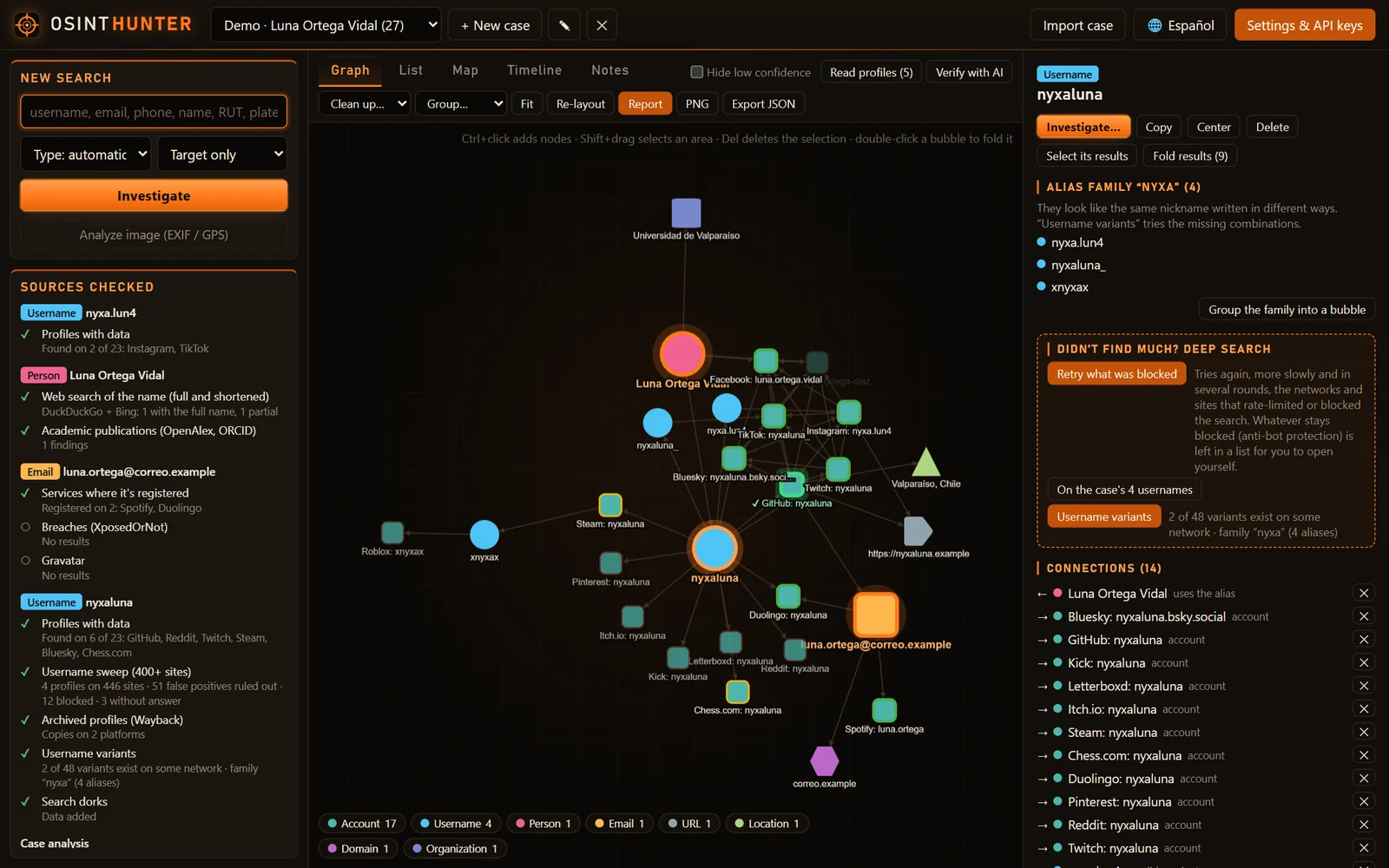
    OsintHunter

    letox4/osinthunter

    🎯 The ultimate OSINT toolkit: investigation graph, confidence scoring, alias families, map, timeline and reports. 49 modules, 400+ sites, no API keys required.

    867
  • 2

    ghostlock-app

    yukonga/ghostlock-app

    GhostLock One-Tap Execution App (CVE-2026-43499)

    544
  • 3

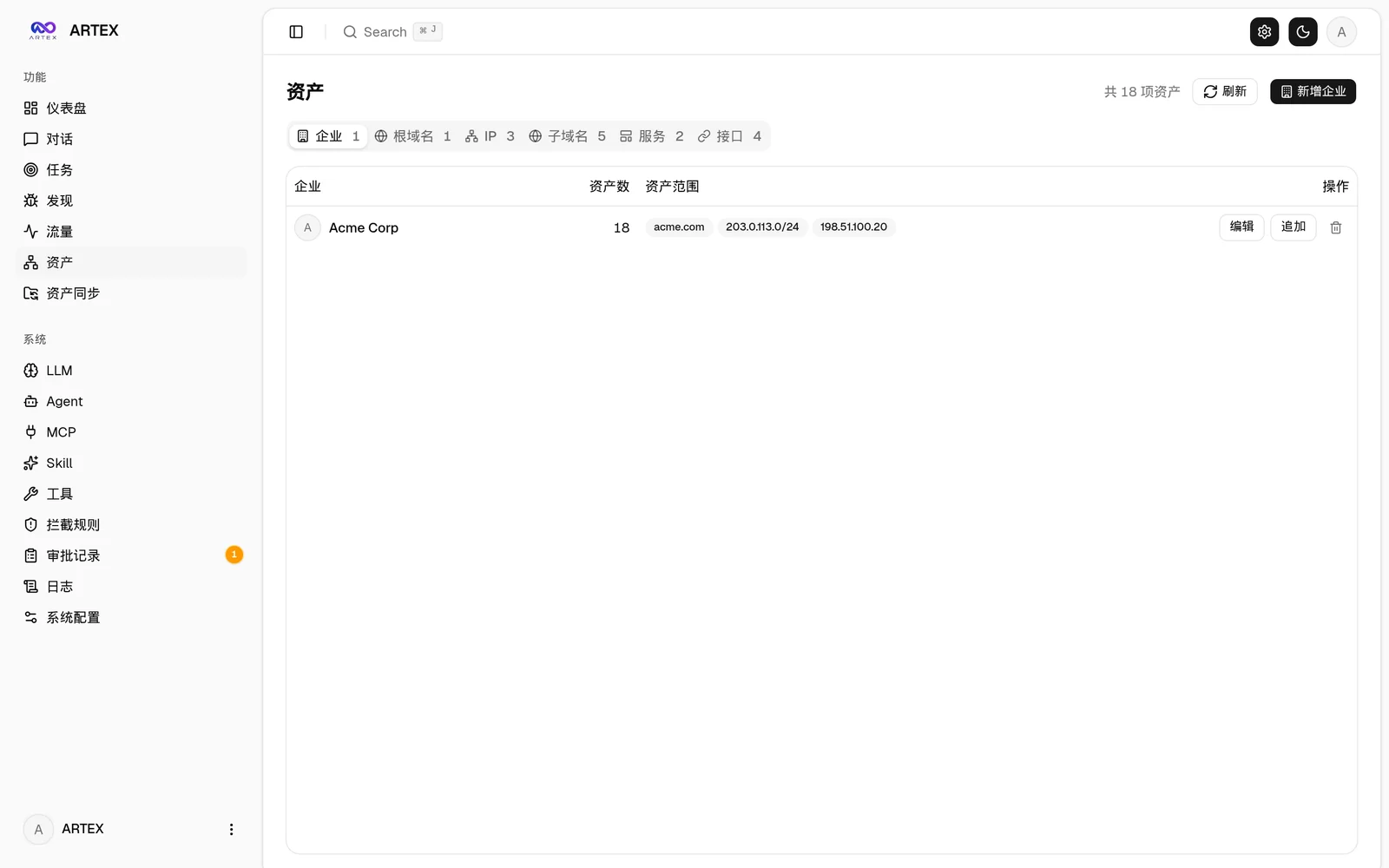
    ARTEX

    baarai/artex

    LLM multi-agent autonomous penetration testing platform with planner/worker agents, asset and exploration graphs, MITM traffic recording, and vulnerability retesting.

    385
  • 4

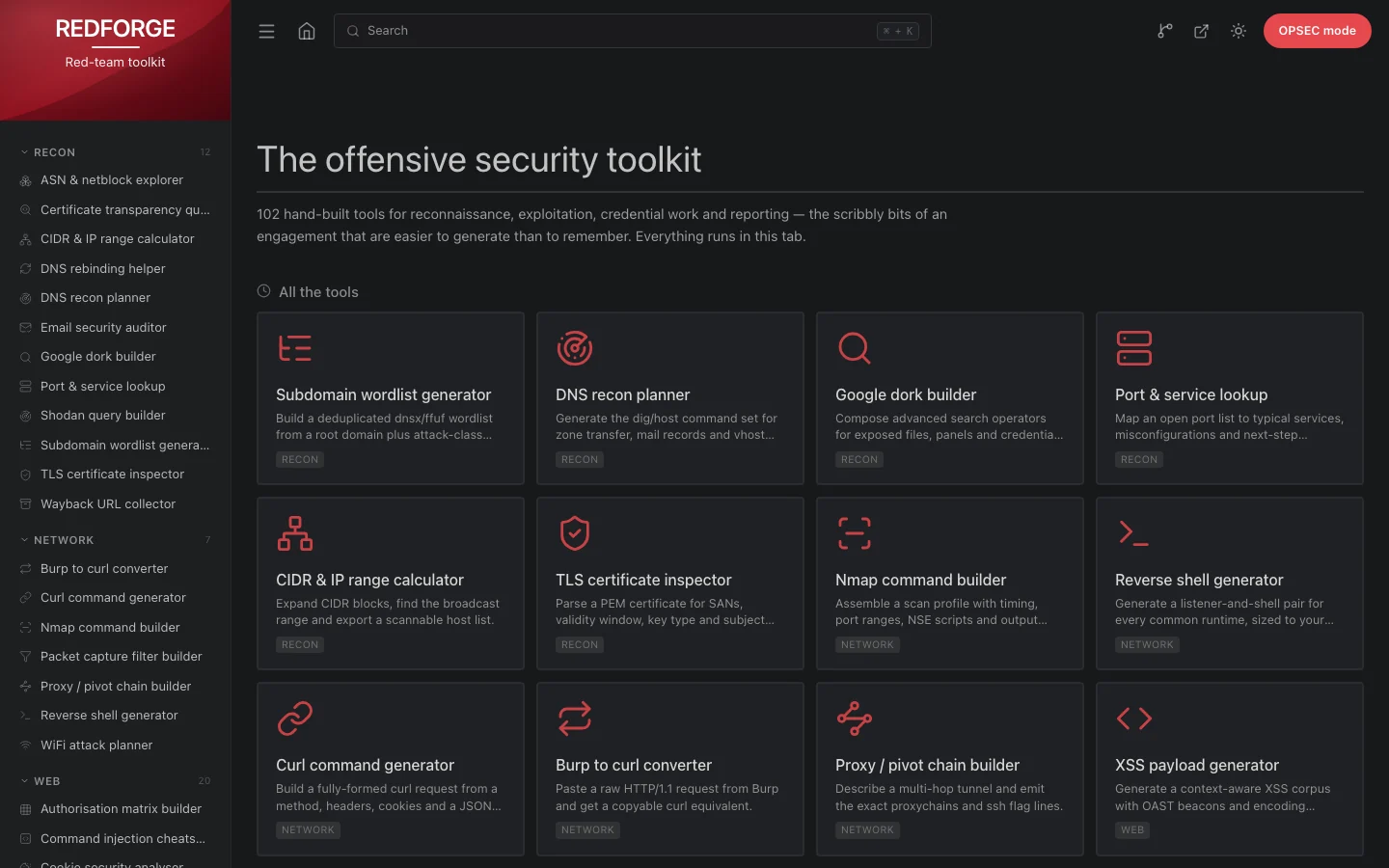
    redforge

    cybersecurity91/redforge

    Browser-side red team toolkit with 102 offline tools for recon, payload generation, credential attacks, crypto, encoding and engagement reporting.

    360
  • 5

    looking-glass

    anonghosty/looking-glass

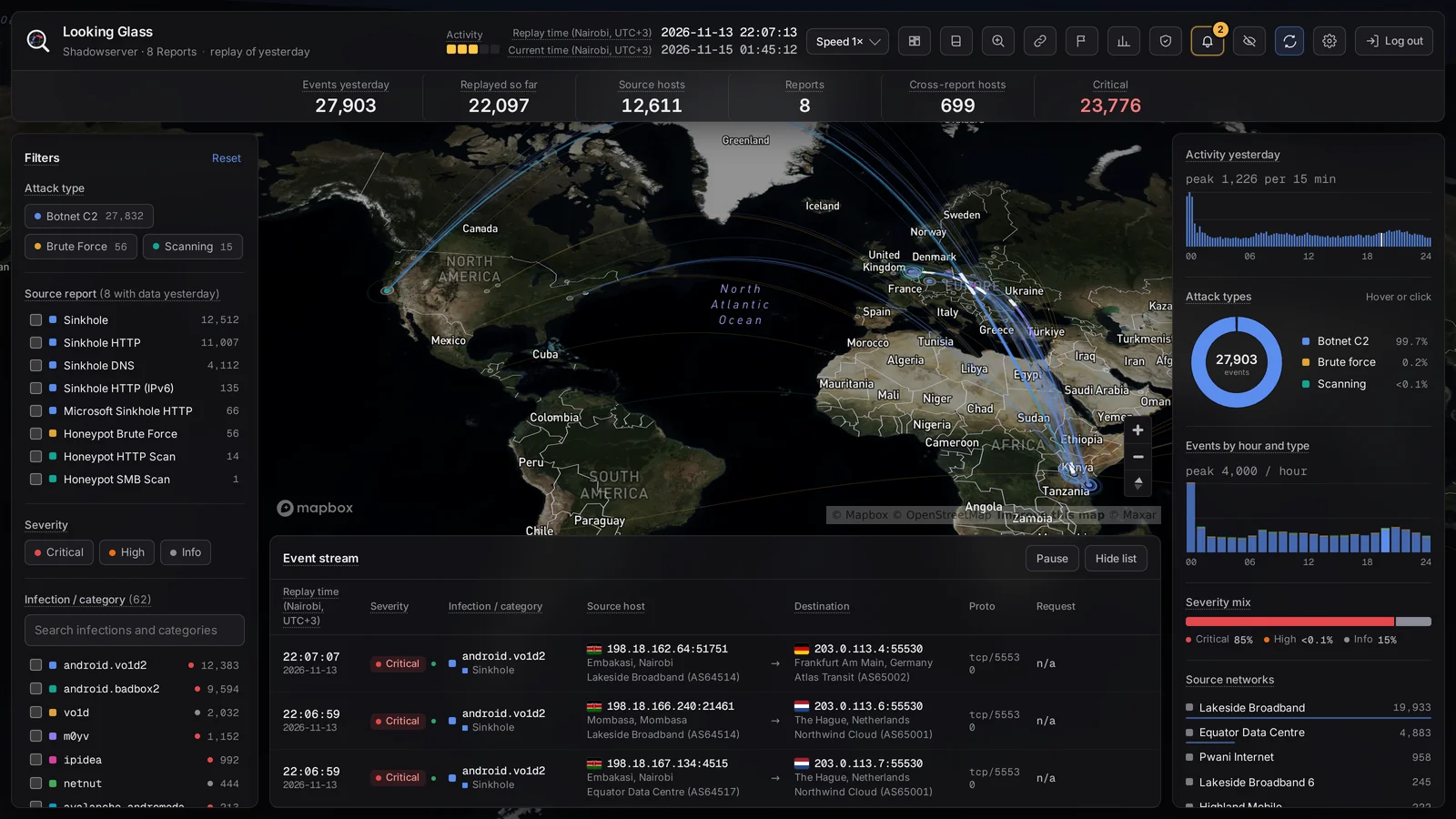
    CSIRT platform that ingests Shadowserver reports into MongoDB and replays them as interactive maps, analysis, findings, advisories and executive dashboards.

    302
  • 6

    CyberStrikeAI

    ed1s0nz/cyberstrikeai

    The system of action for AI-native cybersecurity—where intent becomes governed execution, evidence becomes operational memory, and every operation improves the next.

    279

Explore all tools

Browse our collection of tools

View all tools →