
CVE-2023-41992
 whw0x455/cve-2023-41992
Proof-of-concept for CVE-2023-41992, a macOS kernel vulnerability, demonstrating exploitation techniques and providing a patch analysis.
binary-exploitationexploitationios-security+2
55
whw0x455/cve-2023-41992Proof-of-concept for CVE-2023-41992, a macOS kernel vulnerability, demonstrating exploitation techniques and providing a patch analysis.
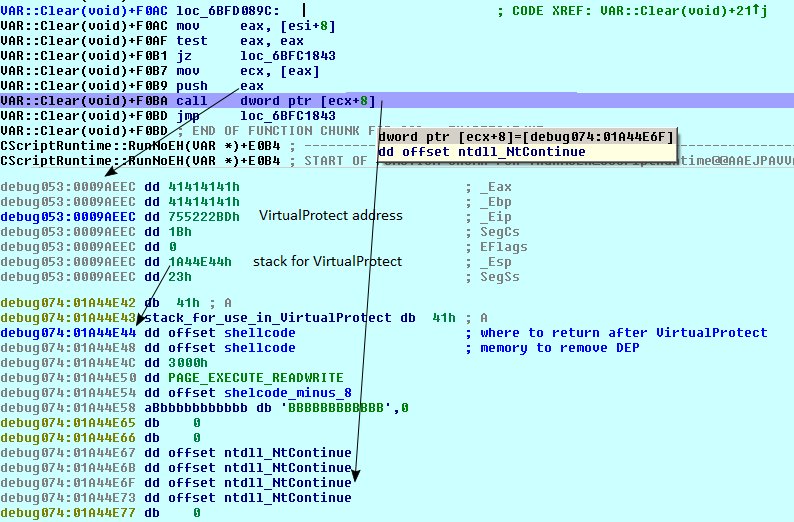 piotrflorczyk/cve-2018-8174_analysis
Analysis of VBS exploit CVE-2018-8174
 carmaa/interrogate
Interrogate is a proof-of-concept tool for identification of cryptographic keys in binary material (regardless of target operating system), first and…
 pdb333/cortex
A Windows runtime analysis toolkit combining memory scanning, debugging, automation, and AI-friendly APIs.
 zeusbox/cve-2021-21017
Proof-of-concept exploit for Adobe Reader type confusion leading to heap overflow, with detailed root-cause analysis and detection guidance.
 withsecurelabs/radare2-scripts
Collection of radare2 scripts for malware analysis: carve binaries from memory dumps, patch PE headers, and decode hashed function imports in…
 nccgroup/libptmalloc
Heap analysis tooling for ptmalloc
 illegal-instruction-co/processhacker-mcp
Runtime process analysis and memory hacking MCP server for AI agents. Supports dynamic extension loading, read-only mode, audit logging, and…
 nccgroup/libdlmalloc
Heap analysis tooling for dlmalloc
 ignacioj/whacamole
Live memory analysis detecting malware IOCs in processes, modules, handles, tokens, threads, .NET assemblies, memory address space and environment…
 0neb1n/cve-2020-1493
Technical analysis and PoC details for CVE-2020-1493, a zero-click Outlook RCE triggered by malformed MS-TNEF attachments leading to remote code…
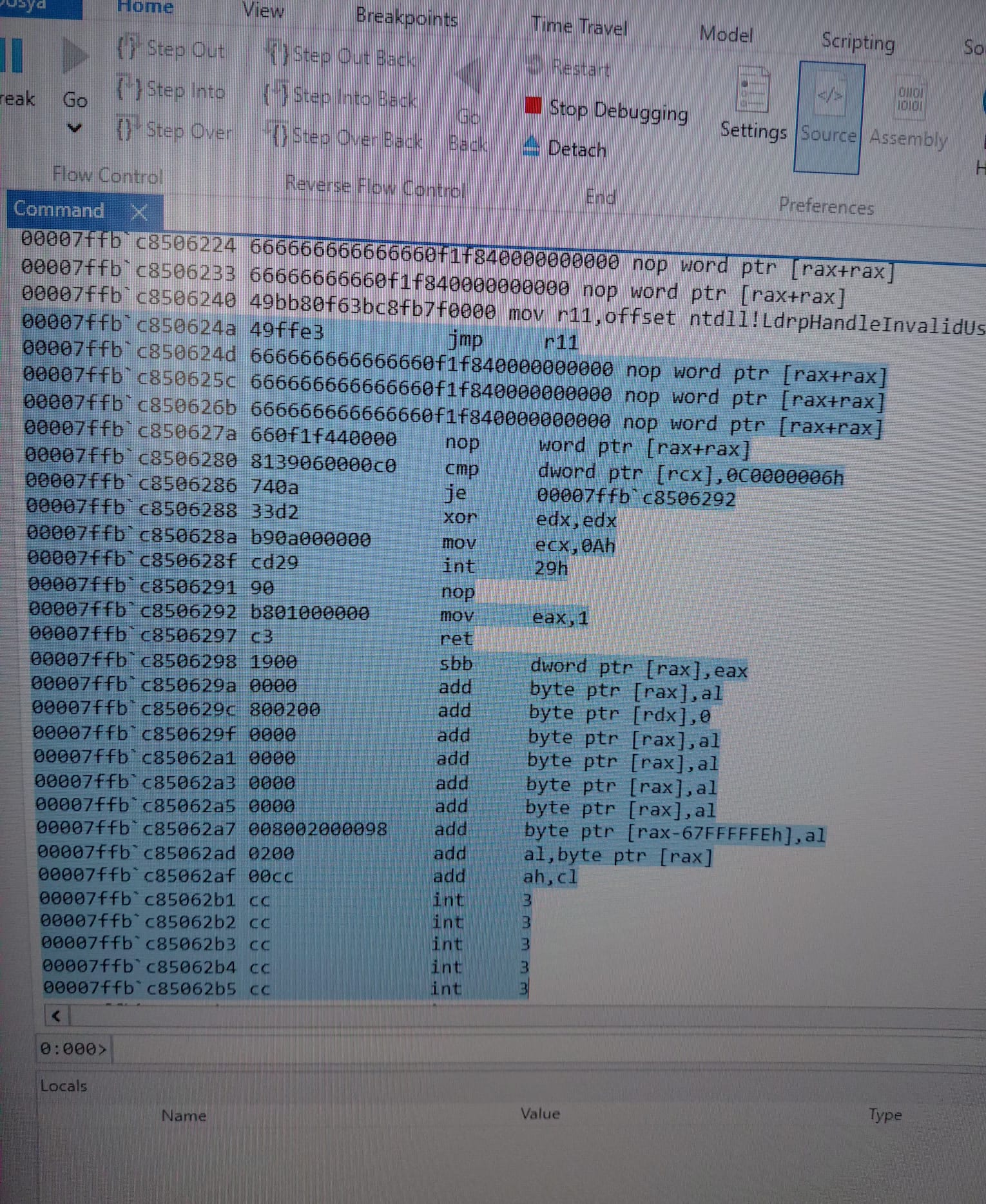 kaandemir993/advanced-loader-reverse-engineering
"In-depth reverse engineering analysis of an advanced multi-phase loader targeting Shellhost.exe, amsi.dll, mstscax.dll, and clbcatq.dll using module…
 hdbreaker/webkit-cve-2016-4622
Deep-dive analysis and exploitation walkthrough of CVE-2016-4622, a WebKit JavaScriptCore memory disclosure vulnerability via Array.slice TOCTOU race…
 dukptkey/cve-2020-9273
Analysis and exploitation of an use-after-free in ProFTPd
 nccgroup/memaddressanalysis
Research project related to memory address analysis
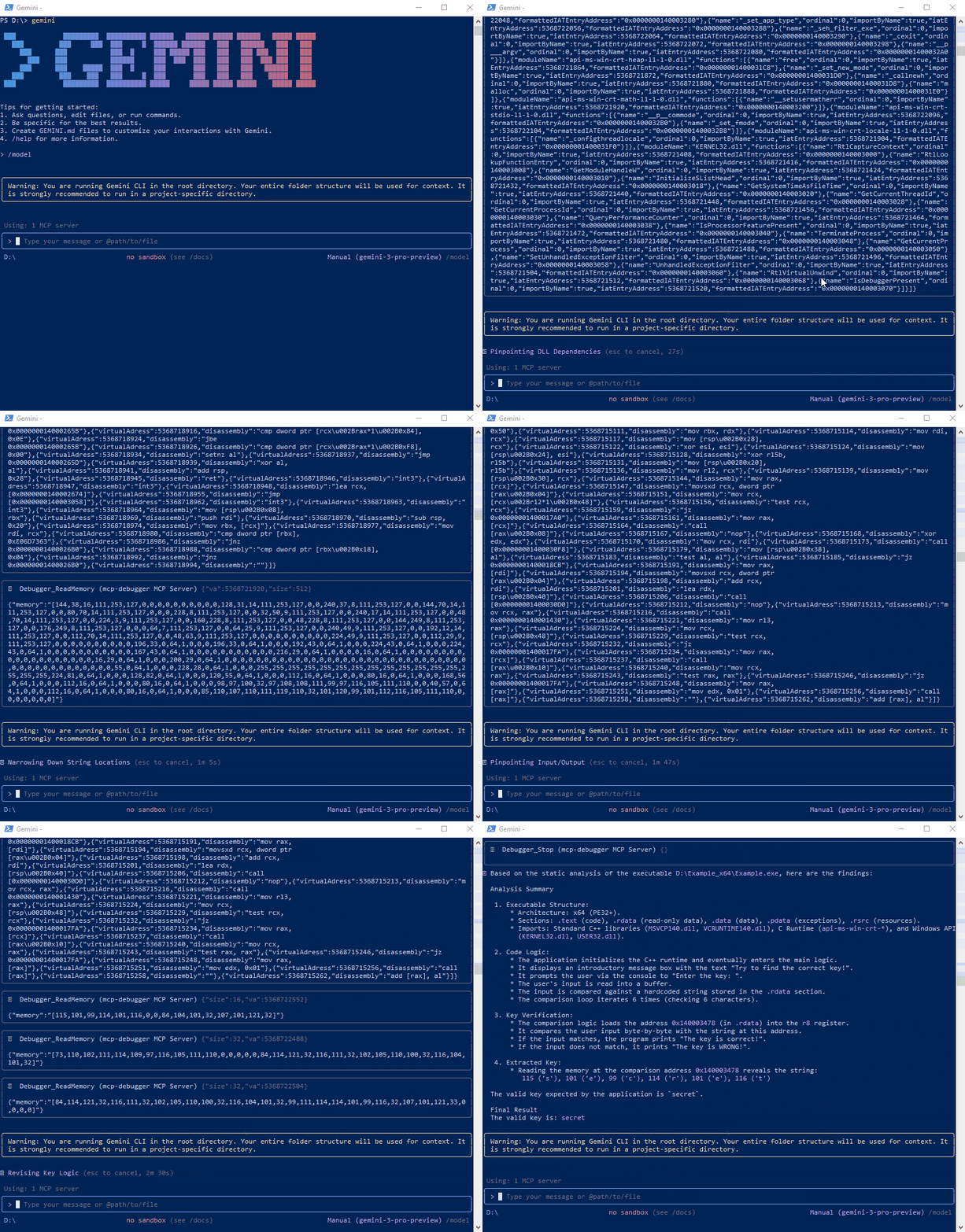 fatmike-gh/mcpdebugger
A MCP Debugger Server for Windows executables (x86 and x64). Exposes debugger functionality as MCP Tools for static / dynamic analysis of the…
 nccgroup/libmempool
Heap analysis tooling for mempool
 bytehackr/cve-2022-0853
Demonstrates a memory leak in JBoss client when using UserTransaction repeatedly, with a PoC and analysis for CVE-2022-0853.