
grubcrawler
 deepbluedynamics/grubcrawler
The world's fastest agentic crawler. Reclaimed. Reinvented. Ready for war.
anti-botcrawlerdynamic-analysis-sandboxing+9
42
deepbluedynamics/grubcrawlerThe world's fastest agentic crawler. Reclaimed. Reinvented. Ready for war.
 tracebyte8/systrace
Linux system-call monitor using ptrace to trace file, process, network, and memory activity, with namespace isolation and machine learning…
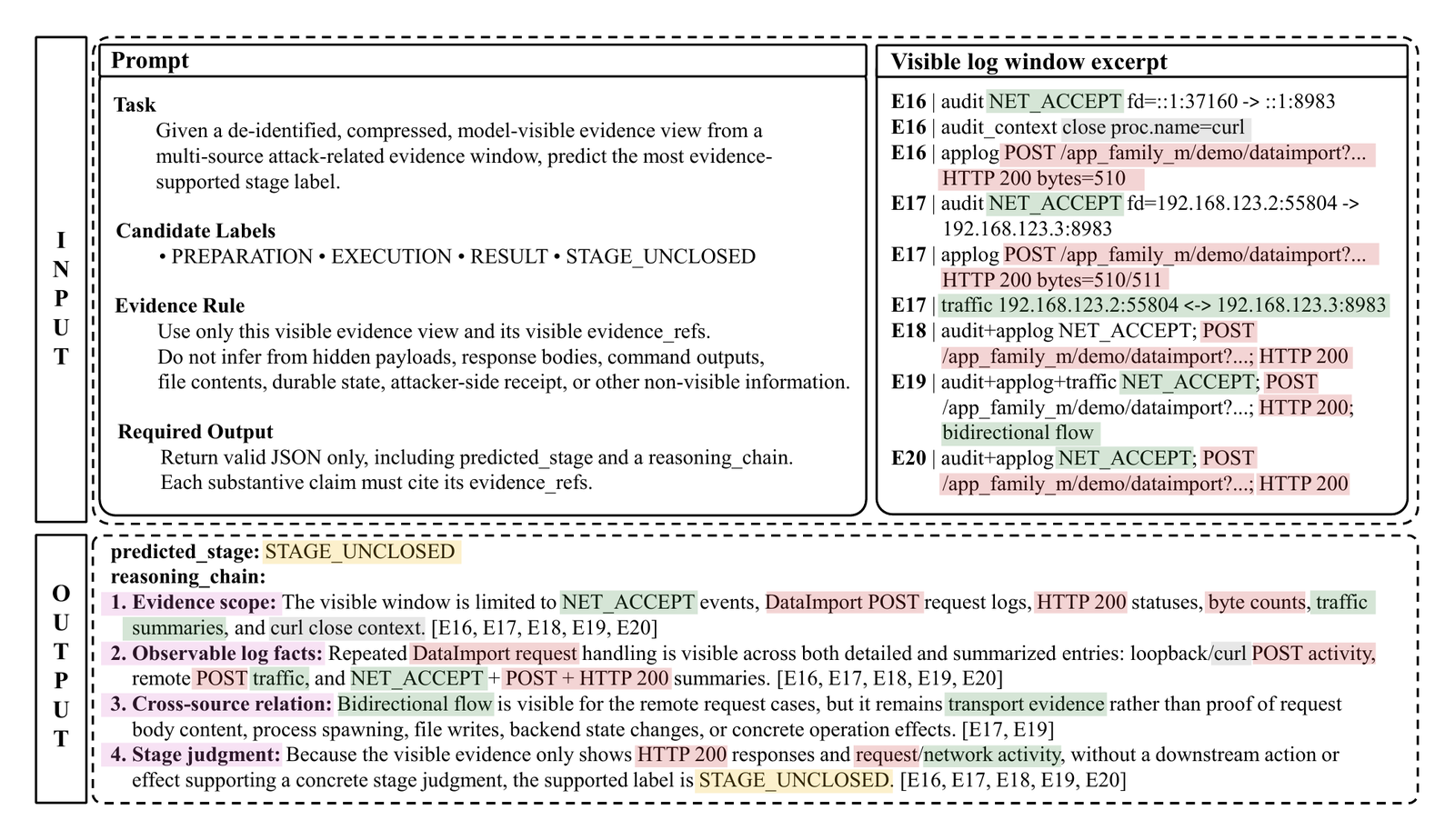 seclog-open/seclog
Collects multi-source security logs from reproducible Docker attack scenarios, builds attack chains, and provides the SecLog-Bench-216 benchmark for…
 certcc/certfuzz
This project contains the source code for the CERT Basic Fuzzing Framework (BFF) and the CERT Failure Observation Engine (FOE).
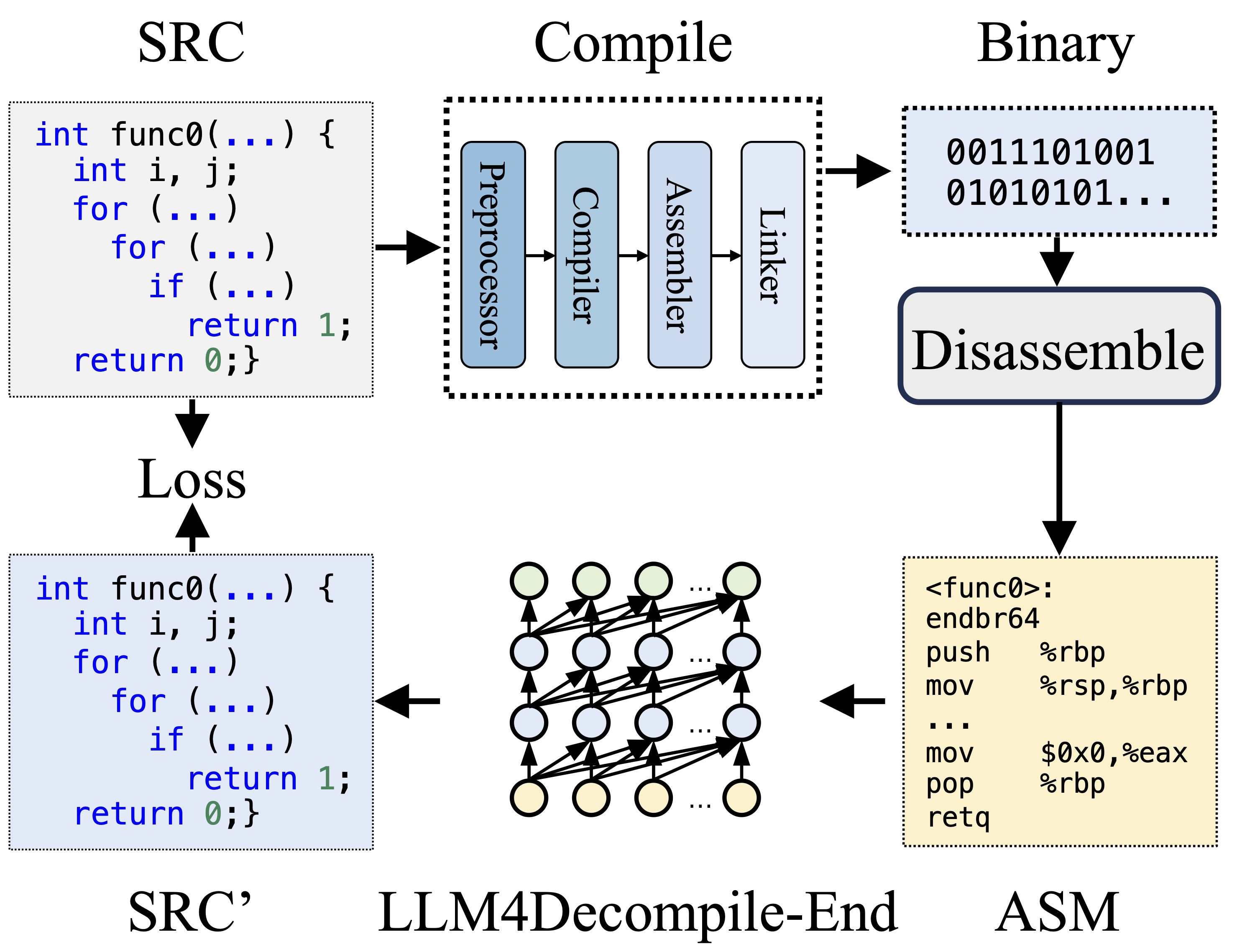 albertan017/llm4decompile
Reverse Engineering: Decompiling Binary Code with Large Language Models
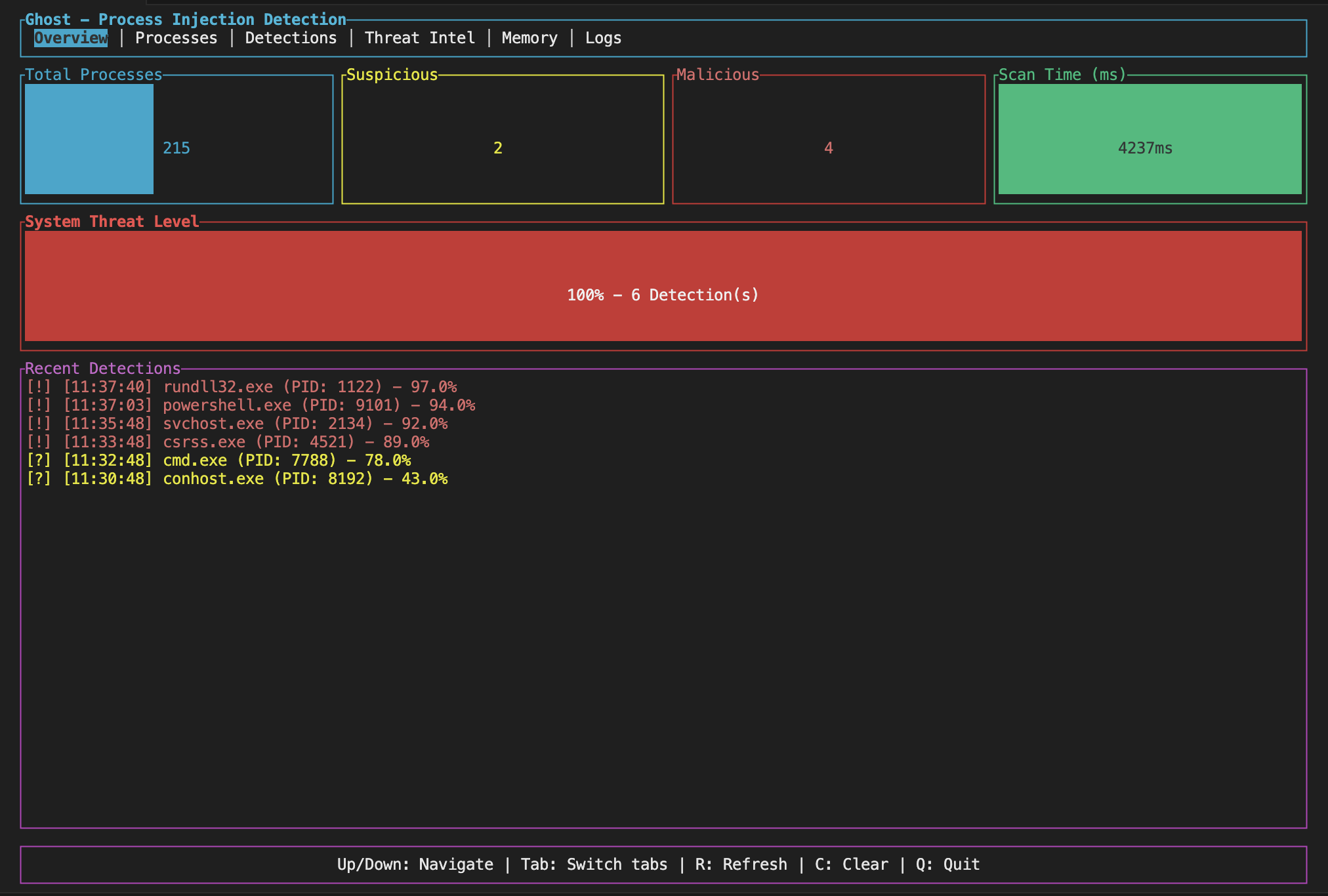 pandaadir05/ghost
Detects process injection and memory manipulation used by malware. Finds RWX regions, shellcode patterns, API hooks, thread hijacking, and process…
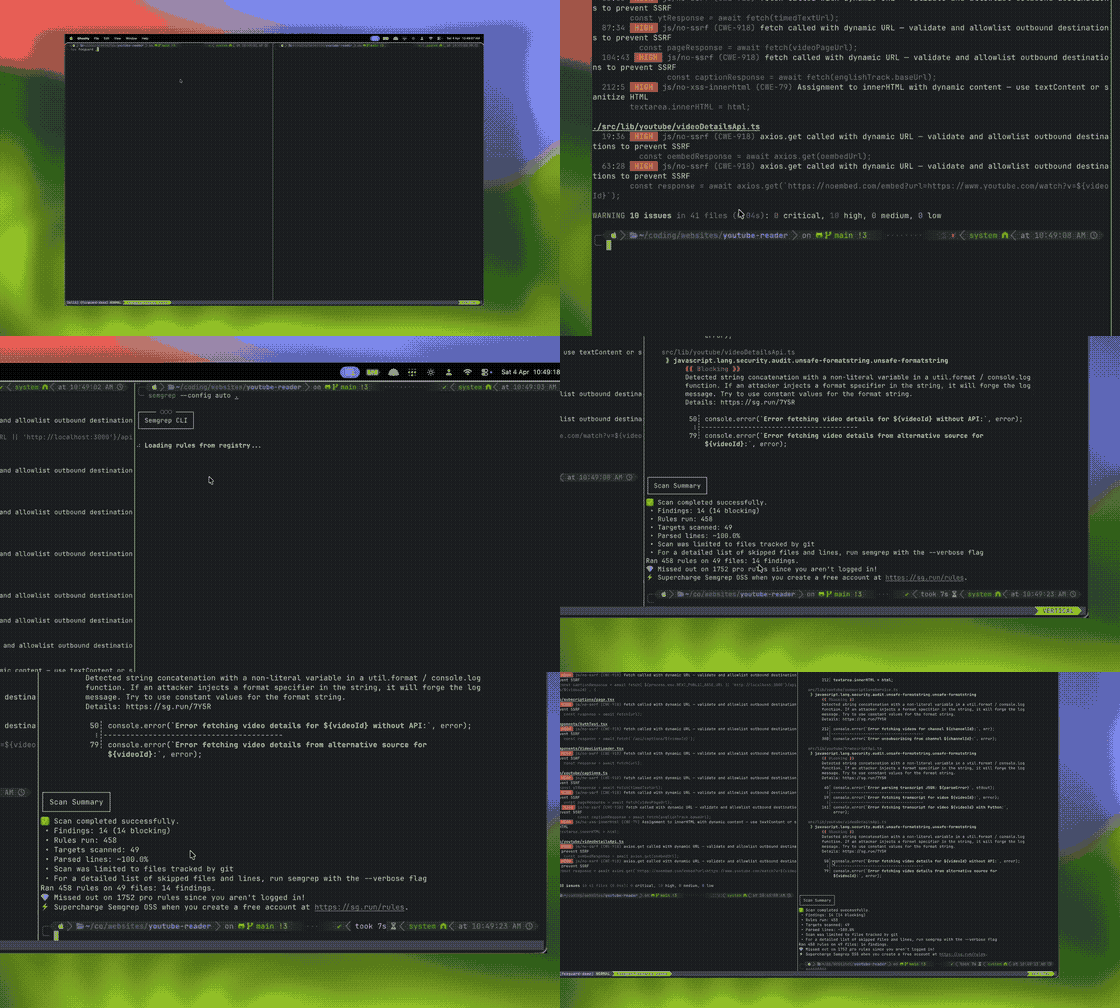 0sec-labs/foxguard
A fast universal code security scanner, written in Rust. Batteries included: supports 14 languages, TUI for triage, secrets, post-quantum audits,…
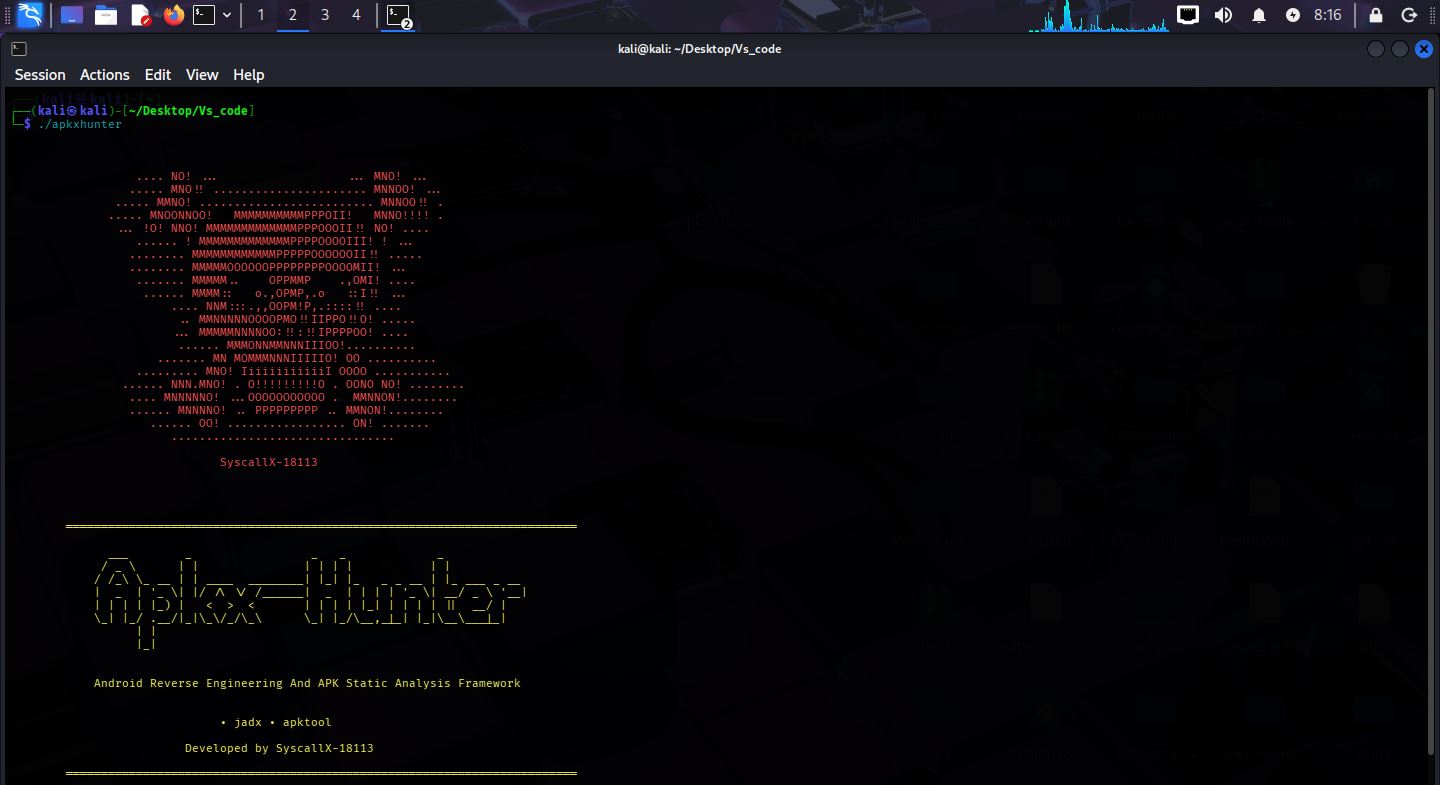 syscallx-18113/apkx-hunter
C-based Android static analysis framework for decompilation, secret detection, endpoint discovery, permission analysis, and native library scanning…
 gradiant/faro
FARO - Document Sensitivity Detector
 c3rb3ru5d3d53c/binlex
A Binary Genetic Traits Lexer Framework
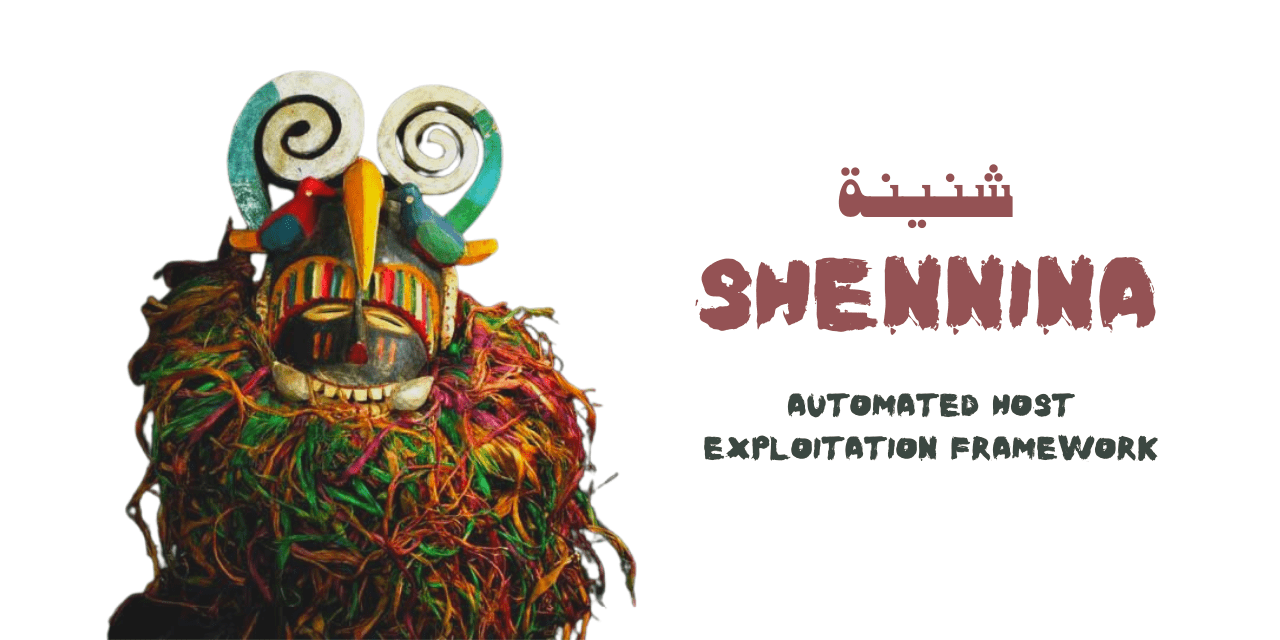 mazen160/shennina
Automating Host Exploitation with AI
 tejasprasad2008-afk/tracetree
Runtime behavioral analysis tool that sandboxes suspicious packages in Docker, traces syscalls with strace, maps process cascades into directed…
 mandiant/stringsifter
A machine learning tool that ranks strings based on their relevance for malware analysis.
 svdwi/bluebox
Open-source threat intelligence platform for malware and observable analysis. Enriches IPs, domains, URLs, and hashes with external sources, performs…
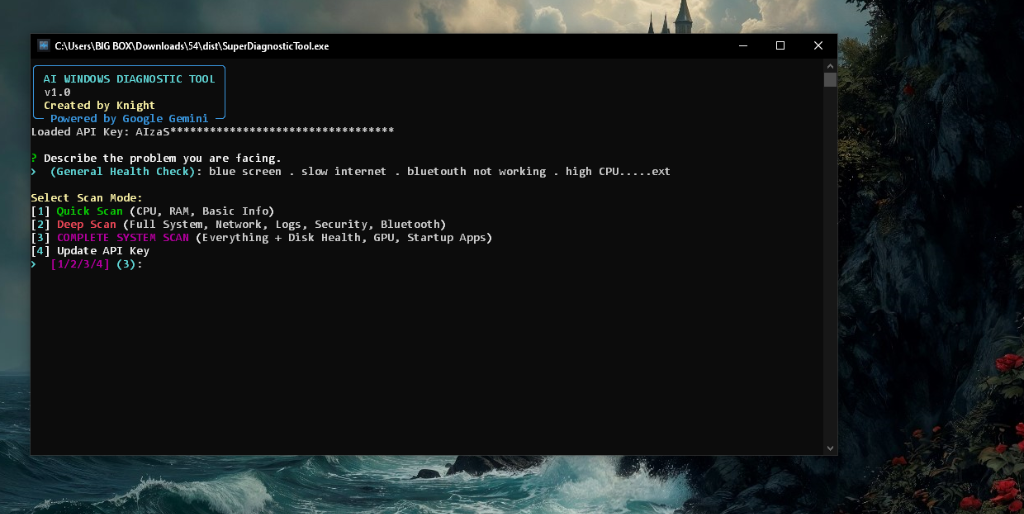 guettaf-hossam/superdiagnostictool
AI-powered Windows diagnostic & auto-repair tool using Google Gemini. Detect crashes, optimize performance, scan for malware, and generate PowerShell…
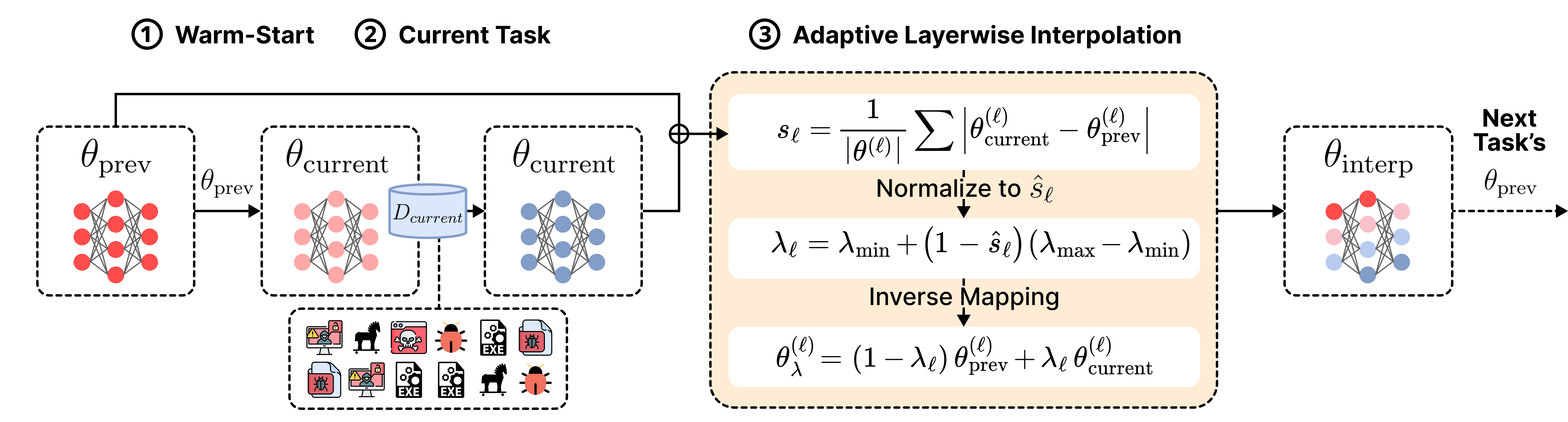 iqsec-lab/freemoca
Memory-free continual learning framework for malware classification using mode connectivity-based interpolation. Supports class-incremental and…
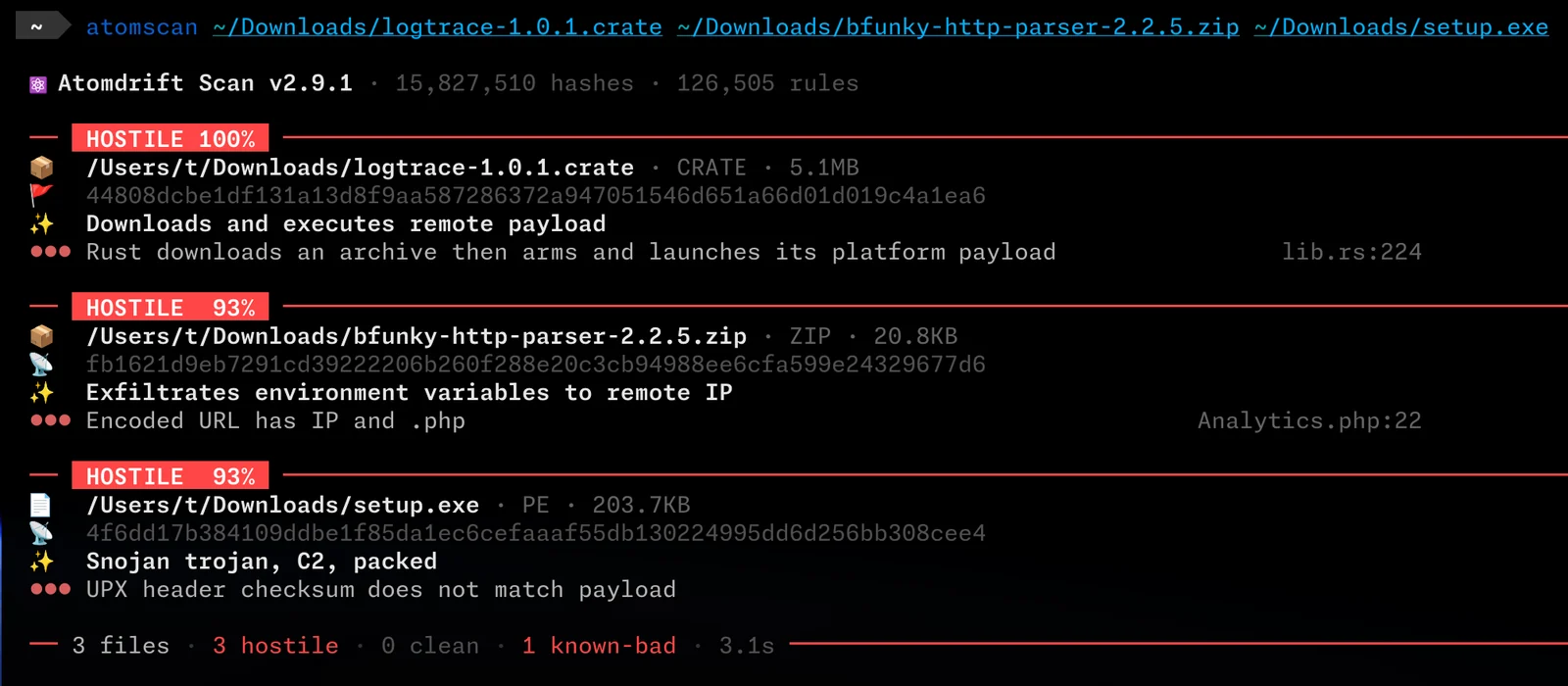 atomdrift-project/scan
0-day malware detection for binaries, source & scripts (that doesn't suck)
 zhengxr930/maleval
Official code for the ISSTA 2026 paper: Is "Knowing It’s Malicious" Enough? Evaluating LLMs for Fine-Grained Malware Behavior Auditing