
tplmap
 epinna/tplmap
Server-Side Template Injection and Code Injection Detection and Exploitation Tool
code-analysisexploitationpenetration-testing+2
epinna/tplmapServer-Side Template Injection and Code Injection Detection and Exploitation Tool
 use-tusk/tusk-cli
Automated testing suite with live traffic record and replay
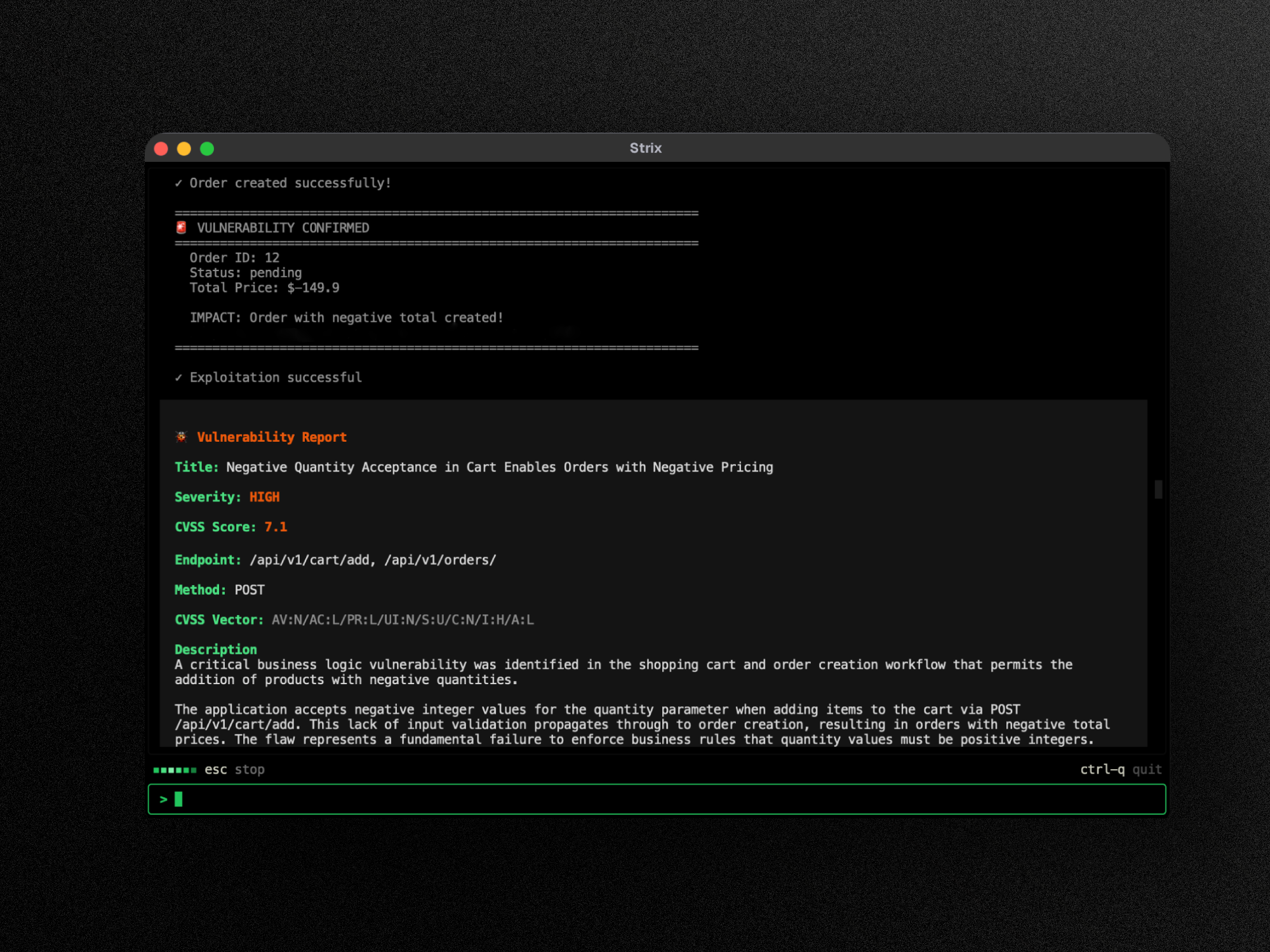 usestrix/strix
Open-source AI penetration testing tool to find and fix your app’s vulnerabilities.
 konloch/bytecode-viewer
A Java 8+ Jar & Android APK Reverse Engineering Suite (Decompiler, Editor, Debugger & More)
 silentchainai/silentchain
AI-powered vulnerability scanner extension for Burp Suite with multi-provider support (Ollama, OpenAI, Claude, Gemini)
 owasp/agent-security-regression-harness
Executable security regression testing for agentic applications and MCP-integrated systems.
 cerberusmrxi/cve-2026-44680-mikroorm-sql-injection-exploit-framework
PoC tool for CVE-2026-44680 affecting MikroORM ≤7.0.13. Exploits JSON path injection to extract database contents via UNION-based attacks. Features…
 abhi-r3v0/adhrit
Android Security Suite for in-depth reconnaissance and static bytecode analysis based on Ghera benchmarks.
 keygraphhq/shannon
Shannon is an autonomous, white-box AI pentester for web applications and APIs. It analyzes your source code, identifies attack vectors, and executes…
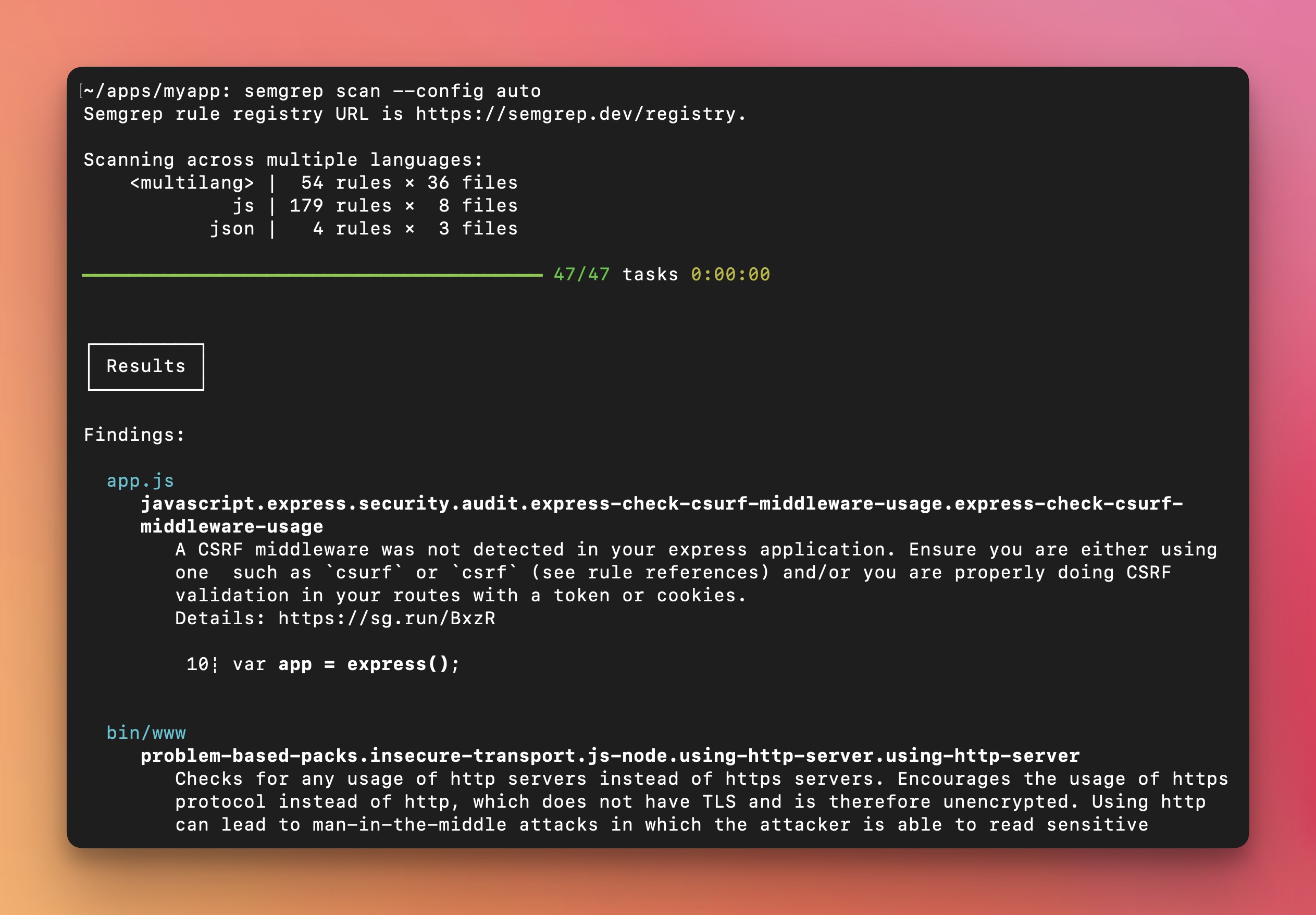 semgrep/semgrep
Lightweight static analysis for many languages. Find bug variants with patterns that look like source code.
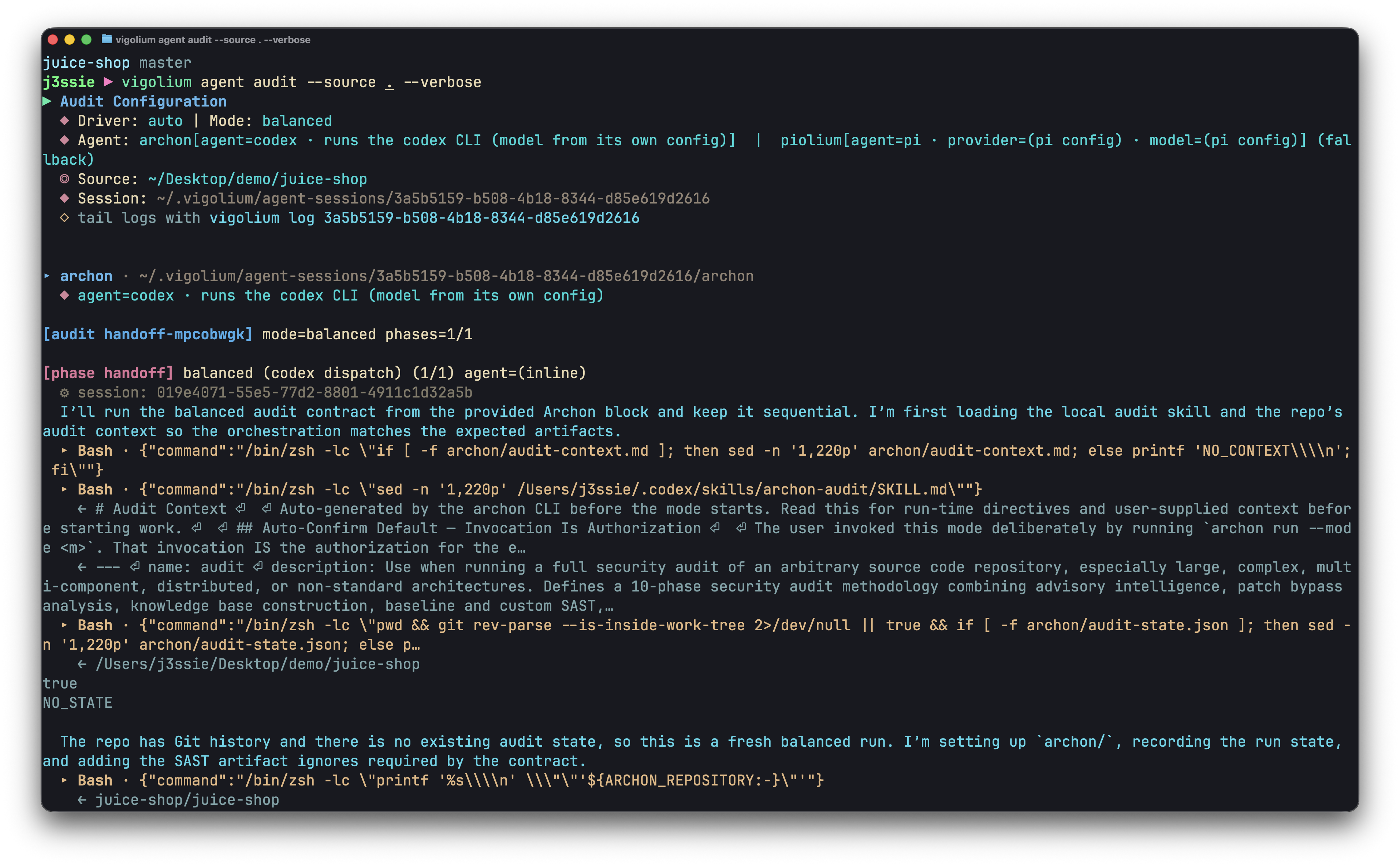 vigolium/vigolium
Vigolium - High-fidelity vulnerability scanner fusing agentic AI with native speed, modularity, and precision
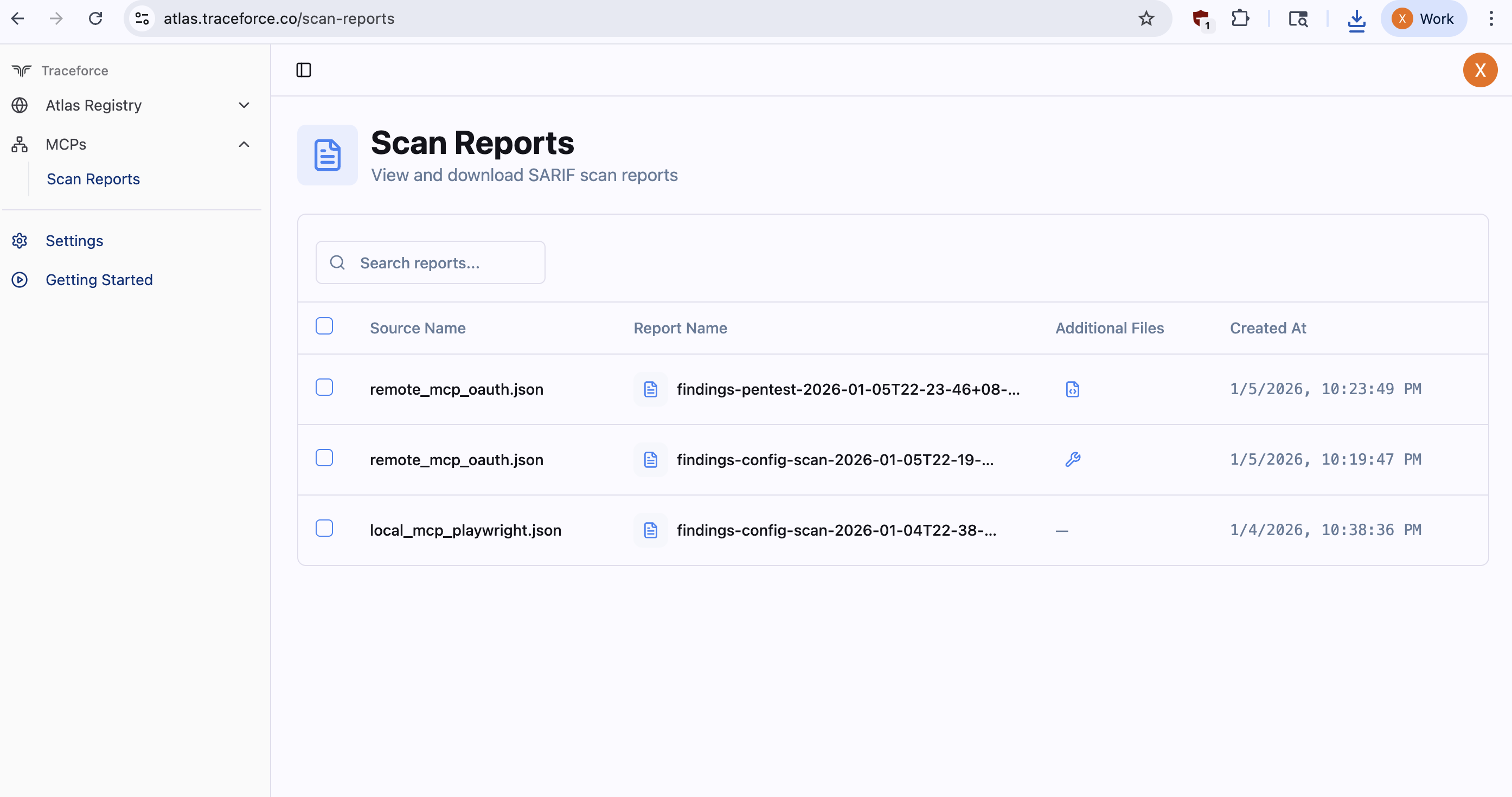 traceforce/mcp-xray
Unified security scanner for MCP servers with config, pentest, and repo-scan modes. Generates SARIF reports for CI/CD integration, detects secrets,…
 nuguardai/nuguard
opensource repo for validating agentic AI applications: redteam, behavior, supply-chain, static analysis
 momenbasel/vulnhawk
AI-powered SAST scanner that finds auth bypass, IDOR, and logic bugs Semgrep/CodeQL miss. Free GitHub Action. Supports Python, JS/TS, Go, PHP, Ruby.
 trailofbits/slither-mcp
MCP server for Slither static analysis of Solidity smart contracts
 agentsid-dev/agentsid-scanner
Security scanner for MCP servers. Grades auth, permissions, injection risks, and tool safety. The Lighthouse of agent security.
 vighnesh91/-logicsentry-ai
Offline SAST/DAST triage engine that parses source code and replays HAR traffic to detect business-logic flaws, BOLA, race conditions, and privilege…
 csinexus/mcpshield
Drop-in fix for the unpatched MCP STDIO command-injection flaw (CVE-2026-30623 family)