
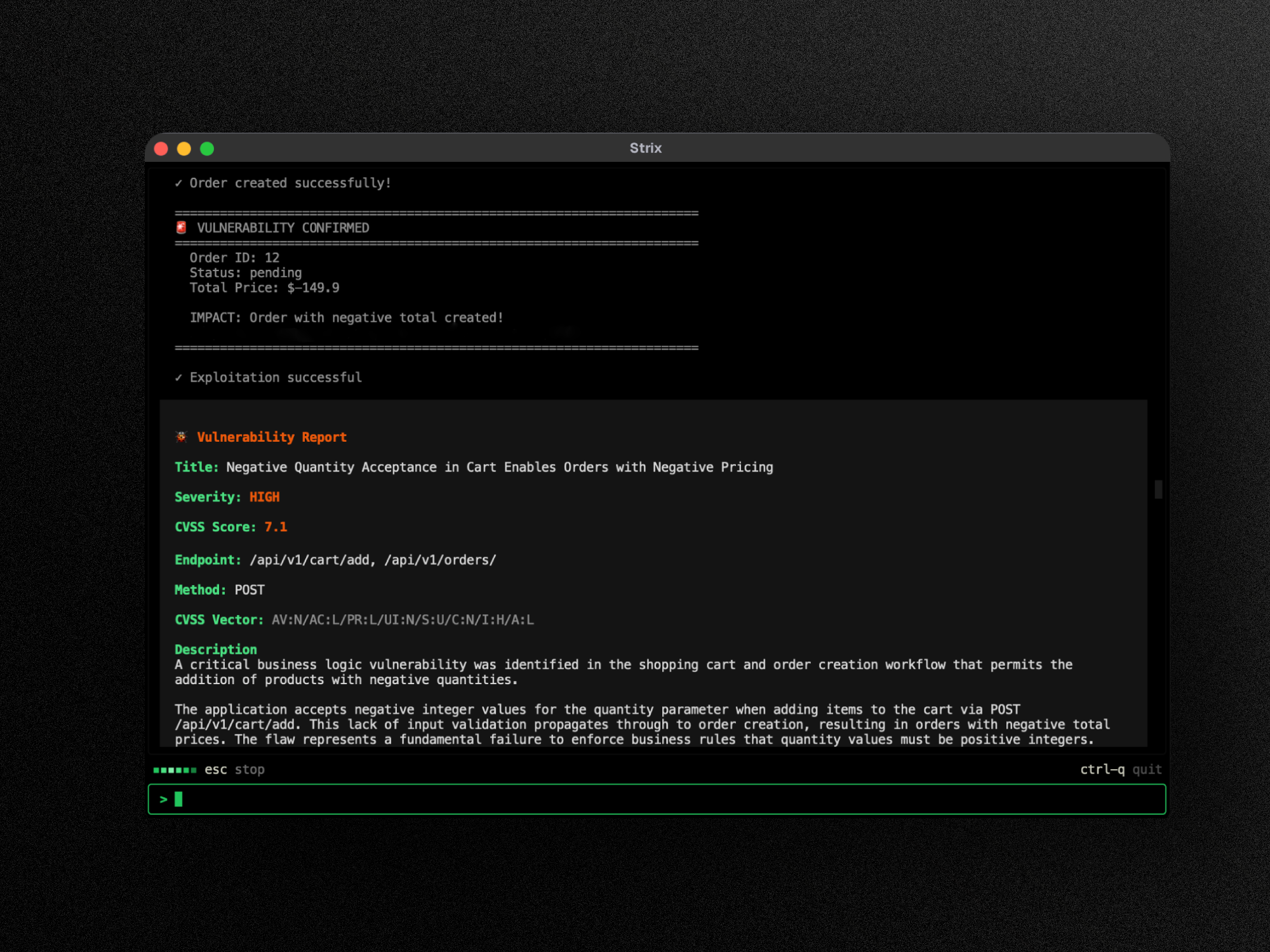
strix
 usestrix/strix
Open-source AI penetration testing tool to find and fix your app’s vulnerabilities.
ai-securityapi-security-testingcode-analysis+9
usestrix/strixOpen-source AI penetration testing tool to find and fix your app’s vulnerabilities.
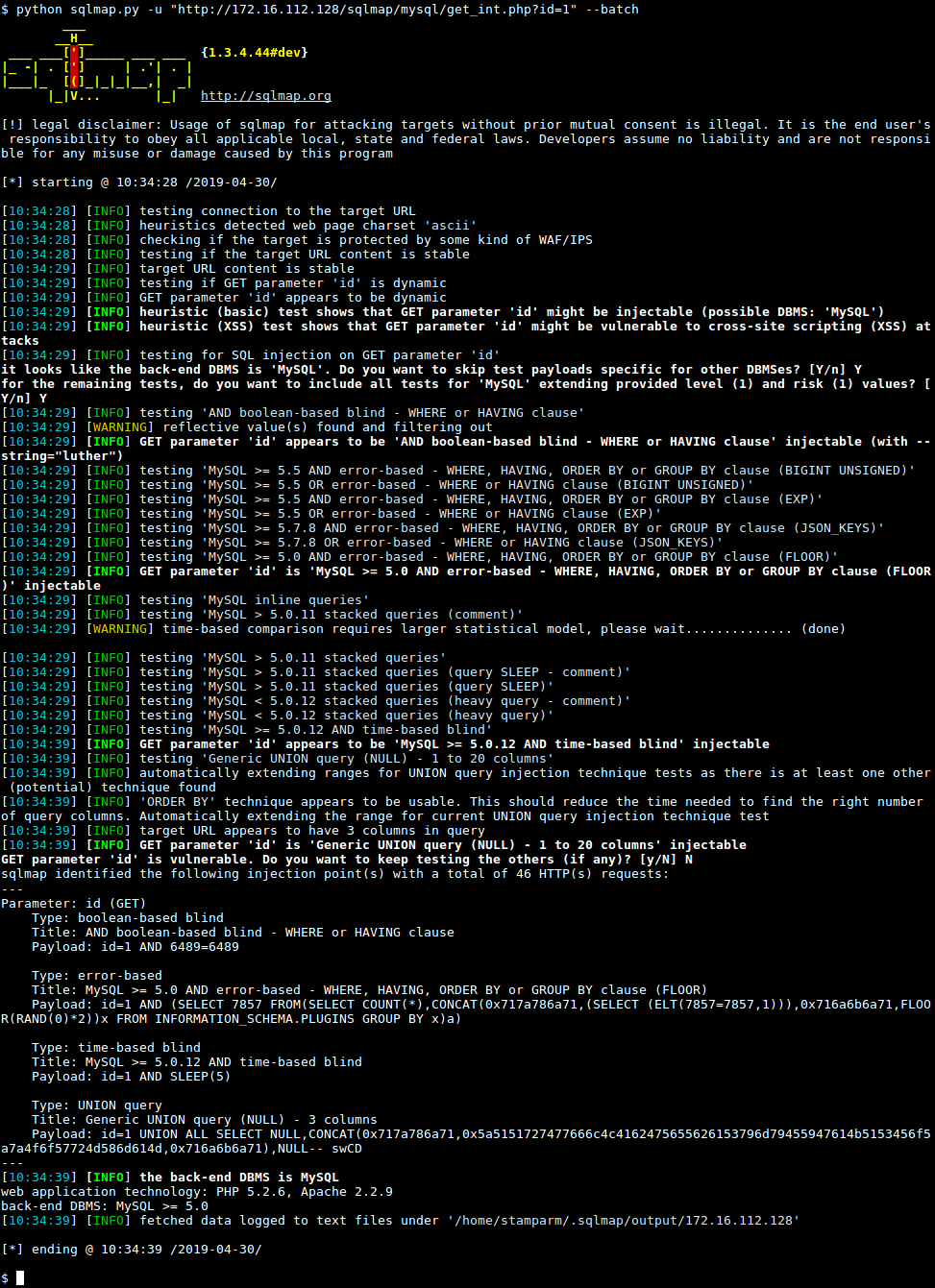 sqlmapproject/sqlmap
Automatic SQL injection and database takeover tool
 spectolabs/hoverfly
Lightweight service virtualization/ API simulation / API mocking tool for developers and testers
 piratesshield/apiharvester
The one shot API attacker tool - finds the API url from the given root simulate the automated attacks
 ticarpi/jwt_tool
:snake: A toolkit for testing, tweaking and cracking JSON Web Tokens
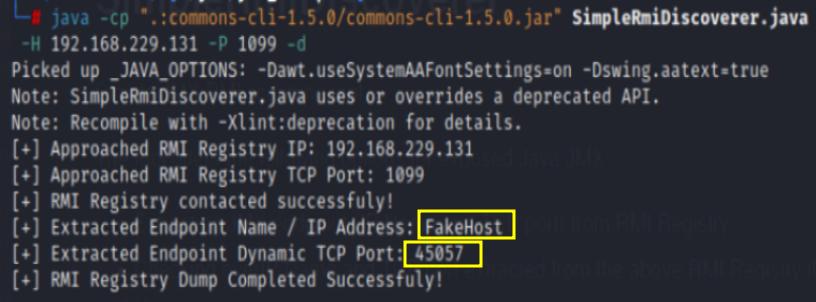 marcin-wolak/simplermidiscoverer
Simple JMX RMI scanning tool
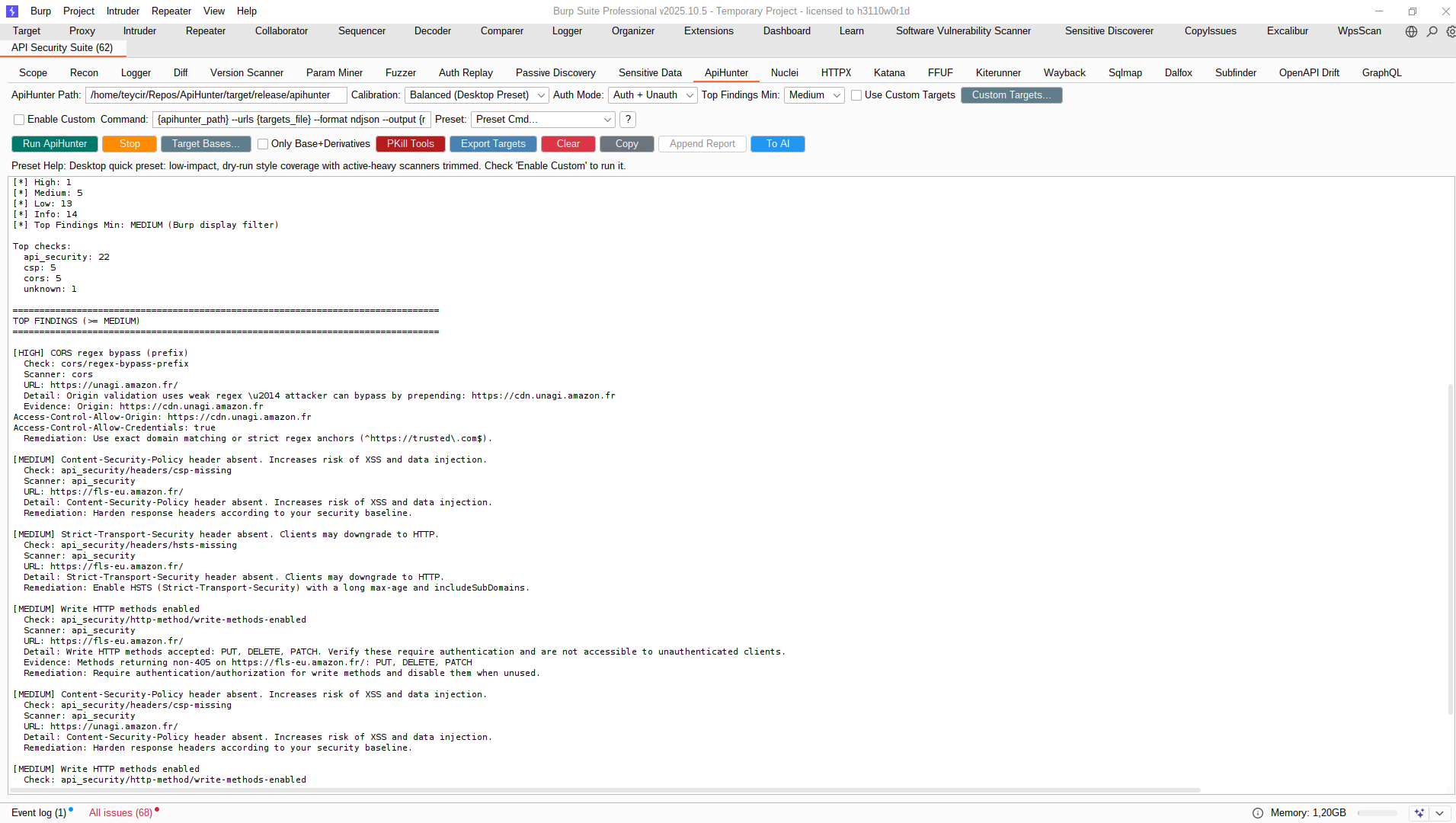 teycir/burpapisecuritysuite
Burp Suite extension for API security testing with 15 attack types, 108+ payloads, intelligent fuzzing, BOLA/IDOR detection, AI integration, and…
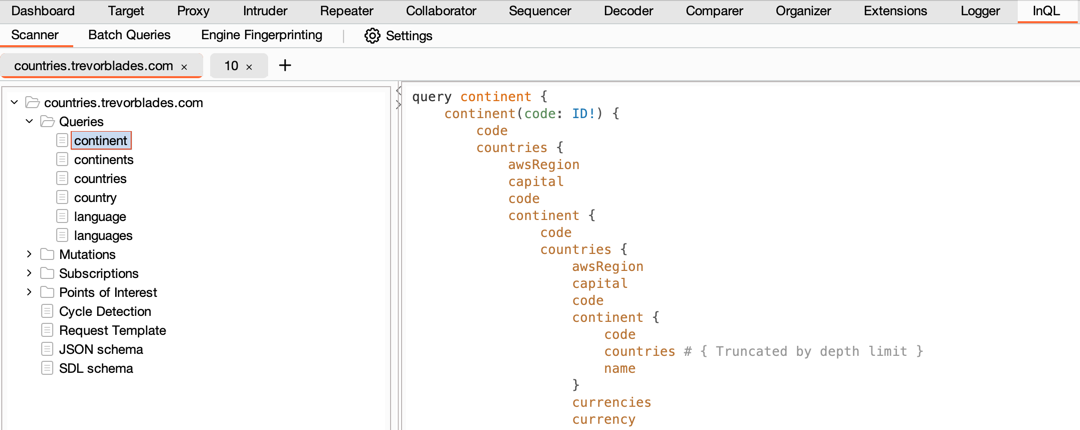 doyensec/inql
InQL is a robust, open-source Burp Suite extension for advanced GraphQL testing, offering intuitive vulnerability detection, customizable scans, and…
 omar2535/graphqler
☸The first ever dependency-aware GraphQL API testing tool!
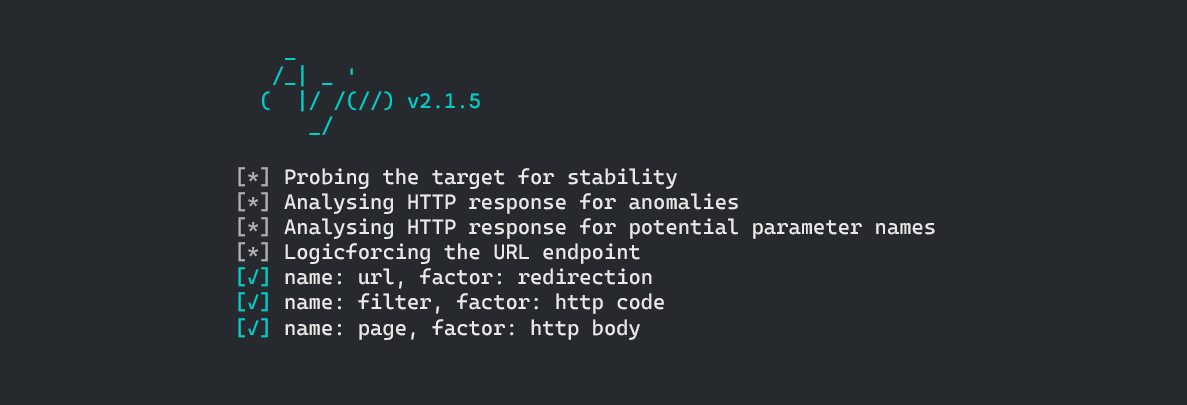 s0md3v/arjun
HTTP parameter discovery tool that finds valid query parameters for URL endpoints using a large dictionary, supporting GET/POST/JSON/XML requests,…
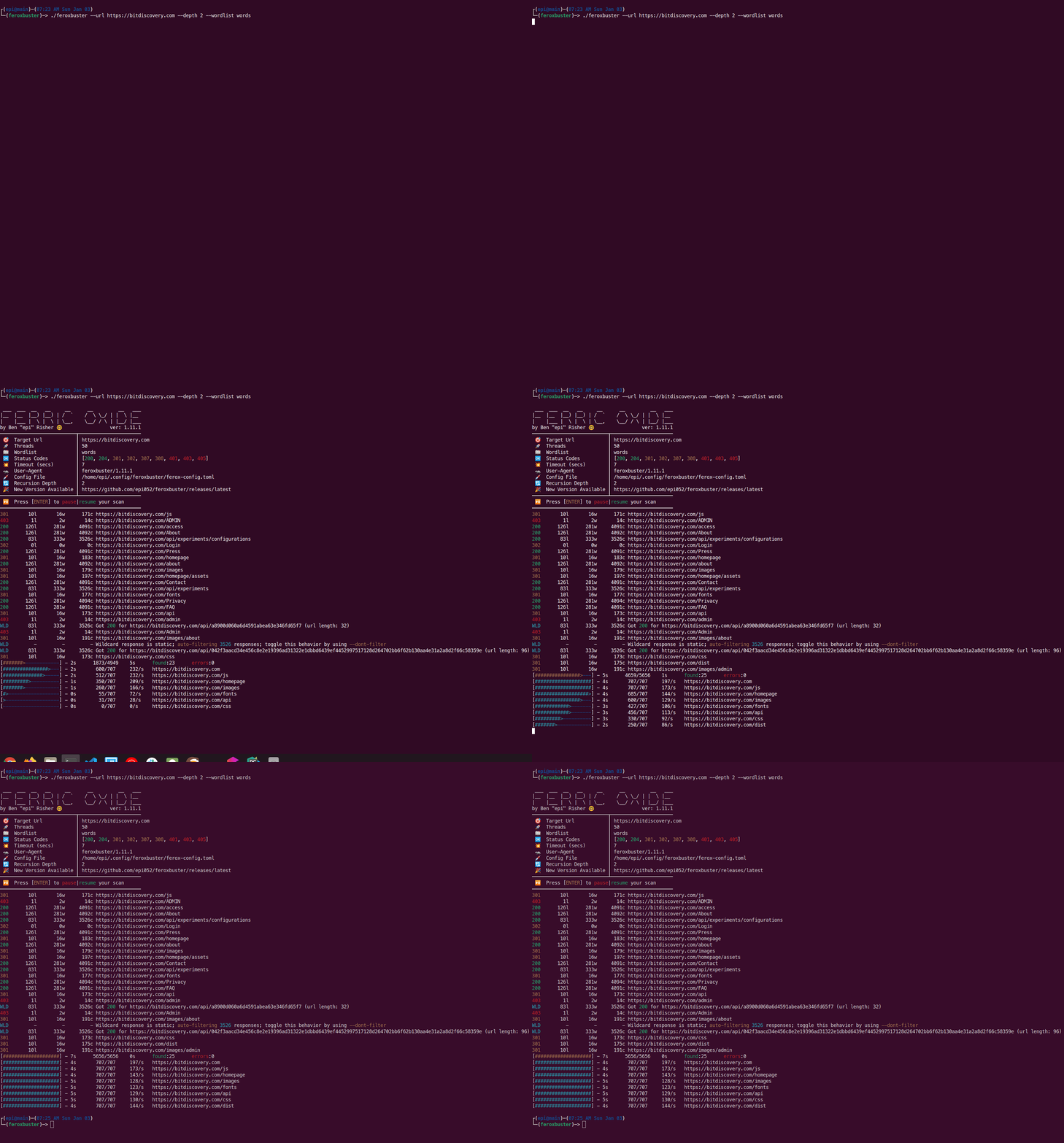 epi052/feroxbuster
A fast, simple, recursive content discovery tool written in Rust.
 httptoolkit/httptoolkit
HTTP Toolkit is a beautiful & open-source tool for debugging, testing and building with HTTP(S) on Windows, Linux & Mac :tada: Open an issue here…
 santandersecurityresearch/corsair_scan
Automated CORS misconfiguration scanner that tests Origin header injection, wildcard reflection, and credential leakage across web applications and…
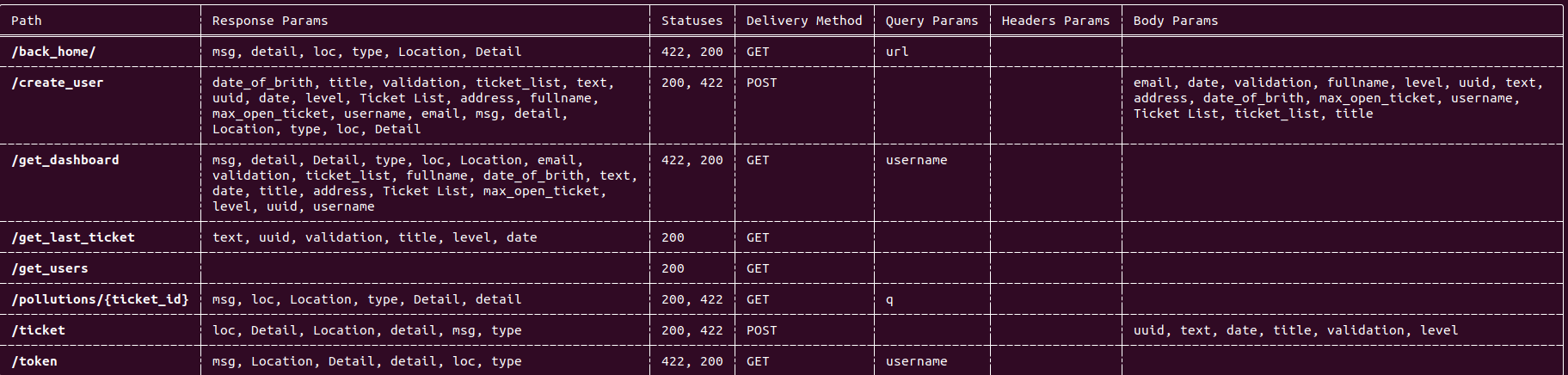 blst-security/cherrybomb
CLI tool that audits OpenAPI specifications, validates them against best practices, and runs automated security tests to detect vulnerabilities and…
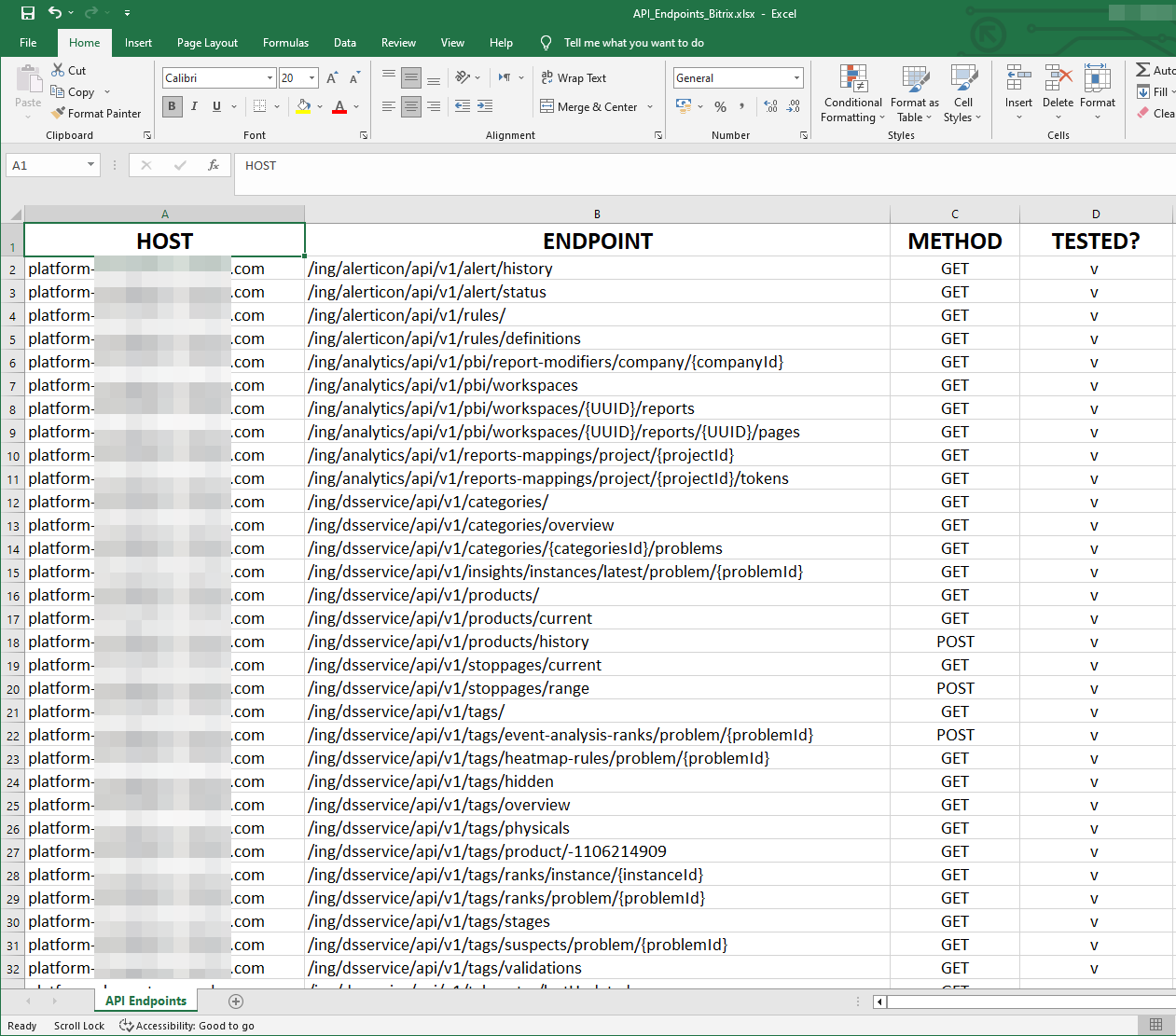 sajibuu/burp_collector
A Multi-Processing Tool for collecting and extracting information to an Excel file from a Burp Suite output file.
 assetnote/kiterunner
High-speed API and web content discovery tool that bruteforces routes using compiled Swagger datasets, supporting depth scanning, custom wordlists,…
 0xsteph/pentest-ai
Open-source AI pentester that proves every finding. Machine oracles re-run each exploit; verified bugs ship a proof capsule you can replay yourself.
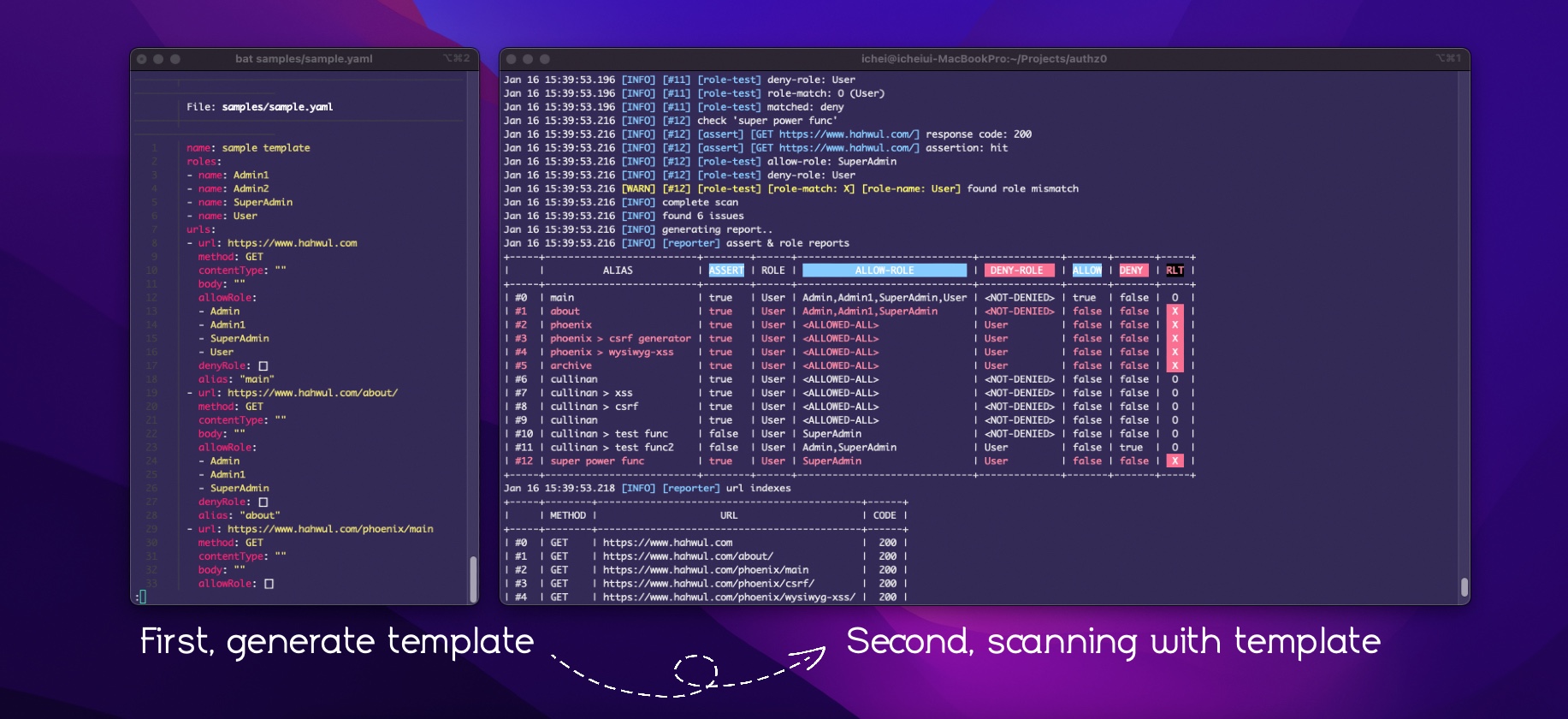 hahwul/authz0
Automated authorization testing tool that detects unauthorized access by scanning URLs with role-based credentials using YAML templates.