#1
Security papers, research projects, technical references, and reproducible material for defensive or authorized analysis.
Kitploit recommended
 owasp/the-agents-epistemic-baggage
An audit-oriented risk model for how agent-generated inferences can change epistemic status, gain operational authority, and influence later…
 k0keoyo/ssctf-pwn450-ms16-034-writeup
Writeup of an SSCTF pwn450 challenge covering Windows kernel exploitation of MS16-034, including vulnerability analysis and privilege escalation…
 asngs/agenttriage-open-source
Cross-agent tracing and security-diagnosis system for tool-using LLM agents: normalizes trace events, builds provenance graphs, extracts…
 thezdi/poc
Collection of proof-of-concept exploits and vulnerability research artifacts published by Trend Micro's Zero Day Initiative, covering SCADA, RPC, and…
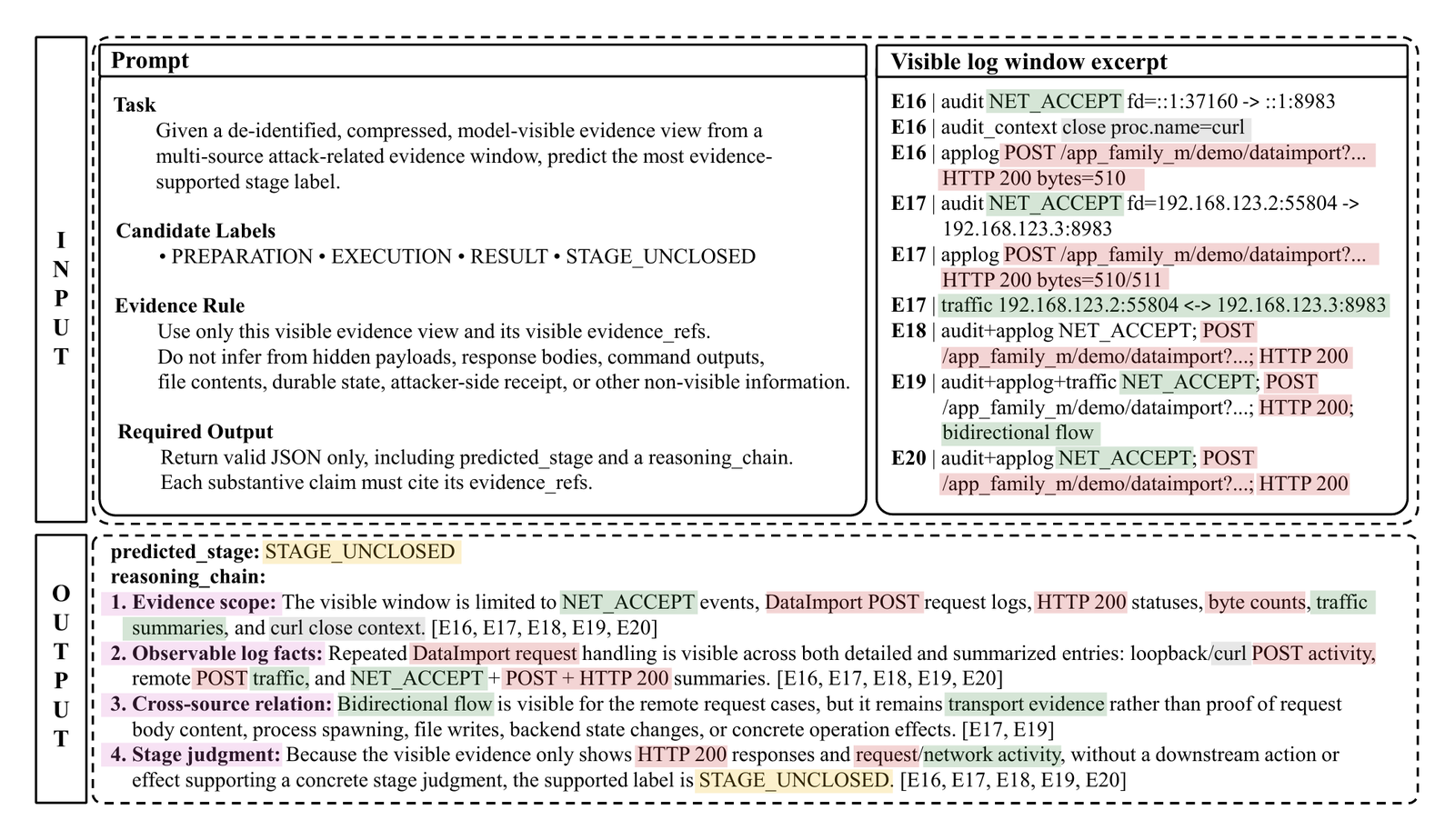 seclog-open/seclog
Collects multi-source security logs from reproducible Docker attack scenarios, builds attack chains, and provides the SecLog-Bench-216 benchmark for…
 suels-group/beyond_asr
Research code for measuring jailbreak attack success rates (ASR and stepwise ASR) against LLMs, with implementations of attacks such as GCG and…
 bitcoindatalabs/ln-upgrade-dynamics
Code, aggregate data and LaTeX source for 'Who Patches the Lightning Network? Evidence from Release Lines in Gossip, 2023-2026' (arXiv:2610.30350)
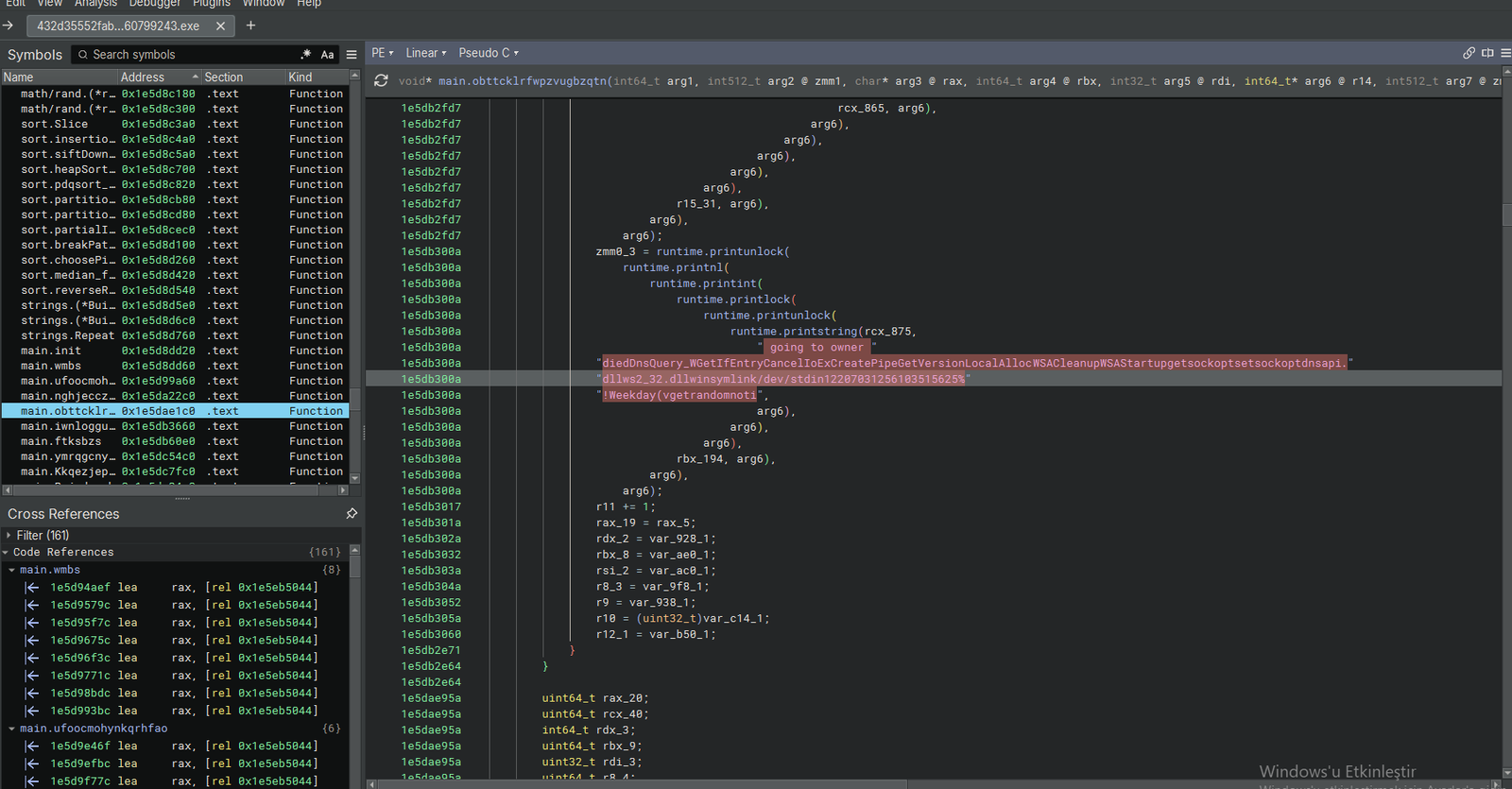 kaandemir993/vidar-stealer-chrome-injection-malicious-js-targeting-google-reddit-sessions-analysis
Reverse engineering Vidar Stealer: From obfuscated memory strings to Chrome process injection, malicious JS execution, and active session hijacking…
 cookiengineer/actual-php2shell
:robot: (Vibecoded prototype) NO, There is an easy way to exploit this vulnerability!
 horkimhab/cve-2025-64702-more
Proof-of-concept code and research notes for QPACK/HTTP-3 vulnerabilities (CVE-2025-64702, CVE-2026-12523, CVE-2025-13945) for authorized lab testing.
 horkimhab/cve-2026-109618-619
Proof-of-concept code for CVE-2026-109618 and CVE-2026-109619 (php2shell bypass), packaged for authorized lab reproduction and vulnerability research.
 inquest/yara-rules
Collection of YARA rules for hunting malware, malicious Office documents, and exploit artifacts, with references to samples and research write-ups.
 pedrobarcha/memory-injection
Research on persistent prompt injections via memory features in Claude, Gemini, and ChatGPT, with reproduction steps, datasets, and proofs for…
 xhyumiracle/sudp
Secret-Use Delegation Protocol — protocol-level secret use for agentic systems
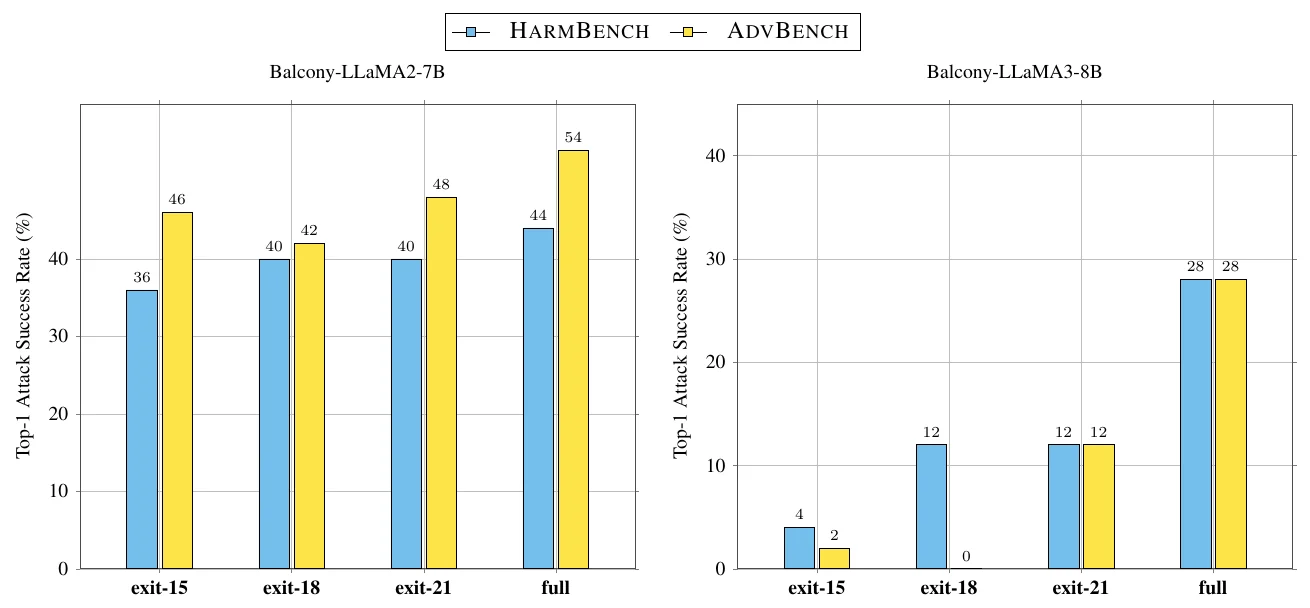 lassnajmuldeen/balcony-jailbreaking
Jailbreak vulnerability across early-exit depths LLMs. Published at NeurIPS 2026 in the FLMSec workshop
 crypto-unict/ghostfacempc
Reference implementation of privacy-preserving face recognition using replicated secret sharing in MP-SPDZ, with quantized GhostFaceNet inference,…
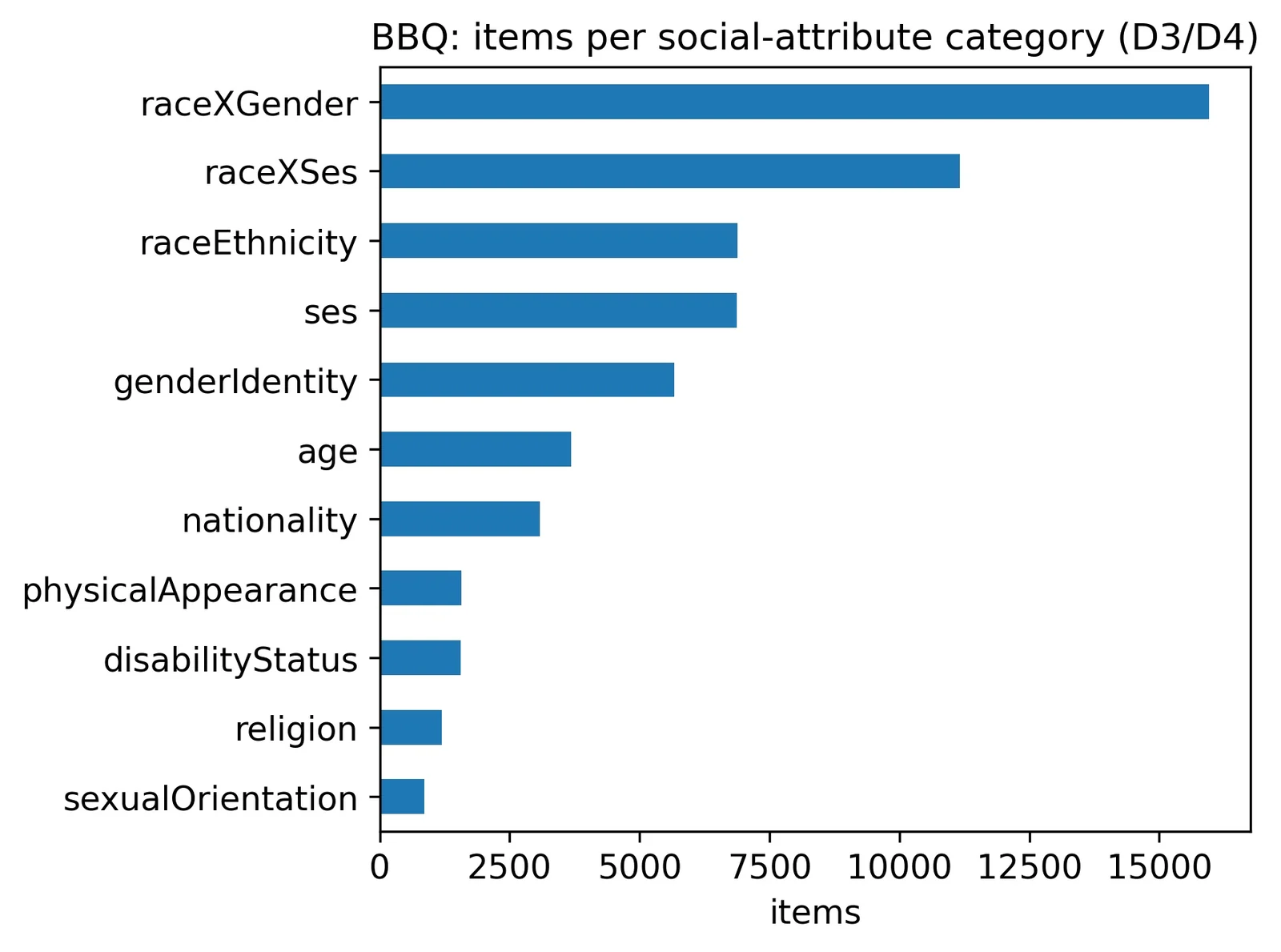 ericyoc/ai-security-literacy
Reproducible Colab pipeline that grounds six AI Security Literacy competency dimensions in public benchmarks and survey microdata, producing figures,…
 automateforceai/cve-2018-0202
Security & Privacy in Computing(Fall 2018), Final Group Project at JHUISI, clamscan vulnerability in Cisco's ClamAV 0.99.3