 #1
LLM security, prompt injection, model extraction, adversarial AI, and AI red teaming tools.
Kitploit recommended
 trustedsec/ts_llmlib
Python library for local LLM-powered security analysis with Ghidra binary analysis, C/C++ vulnerability scanning, and MCP tool integration for…
 canyonroad/agentsh
Execution-Layer Security (ELS) for AI agents — policy-enforced shell with audit.
 goochbeater/spiritual-spell-red-teaming
A repo for jailbreaking various LLMs, mainly Claude
 amnsecurity/litellm-command-injection-security-assessment
Professional vulnerability assessment report for LiteLLM command injection risk, including executive summary, technical impact, remediation, and…
 adshao/flounder
Autonomous white-hat security auditor for AI-driven code review, bug bounty research, exploit construction, and execution-grounded verification.
 onecli/onecli
Open-source sandboxed agent harness for teams. Giving every employee a secured personal agent.
 bytepro-ai/bitcoder-v2-research
Research repository documenting LLM generalization ceilings in code security vulnerability detection, with cross-evaluation across synthetic and…
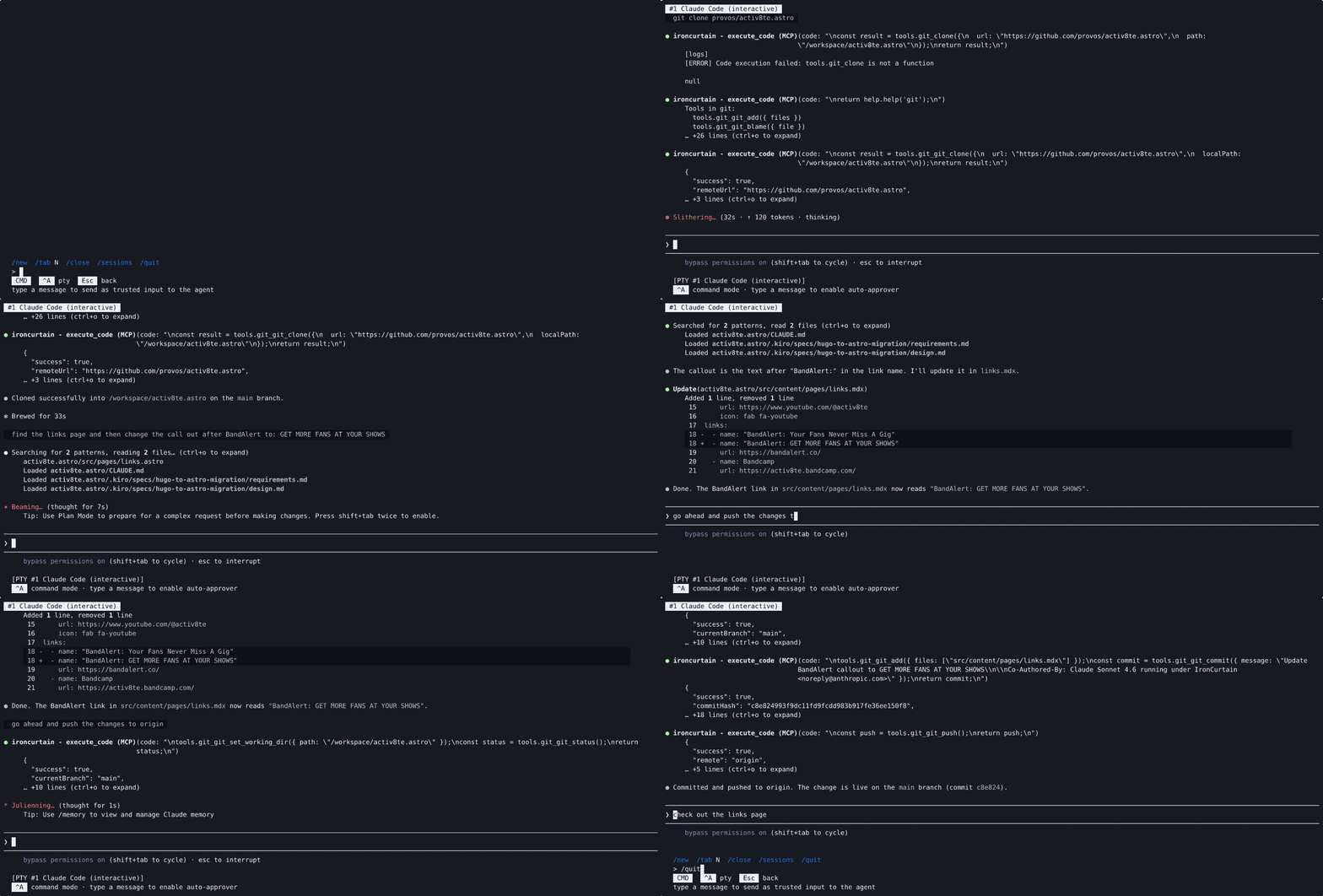 provos/ironcurtain
A secure* runtime for autonomous AI agents. Policy from plain-English constitutions. (*https://ironcurtain.dev)
 ustayready/cloudgpt
Vulnerability scanner for AWS customer managed policies using ChatGPT
 projectdiscovery/nuclei-templates-ai
Repository of AI-generated Nuclei templates for public CVEs not yet covered by existing templates, enhancing detection speed and coverage 👾
 owasp/agent-skills-security-standard
Security standard for agent skills, providing guidelines and best practices to secure AI-driven autonomous agents in cloud and API environments.
 owasp/damn-vulnerable-ml-model
Intentionally vulnerable machine learning model for hands-on security training. Explore common ML vulnerabilities, adversarial attacks, and defensive…
 silentchainai/silentchain
AI-powered vulnerability scanner extension for Burp Suite with multi-provider support (Ollama, OpenAI, Claude, Gemini)
 blacksnufkin/litterbox
A self-hosted sandbox for red teams to test payloads against modern detection before deployment. MCP integration lets an LLM agent drive analysis end…
 pduggusa/dugganusa-ietf
DugganUSA threat-intelligence contributions to the IETF Hackathon: real-world agentic-attack benchmark vectors, CVE-2026-33697 attestation analysis,…
 scrapegraphai/scrapegraph-ai
Python scraper based on AI
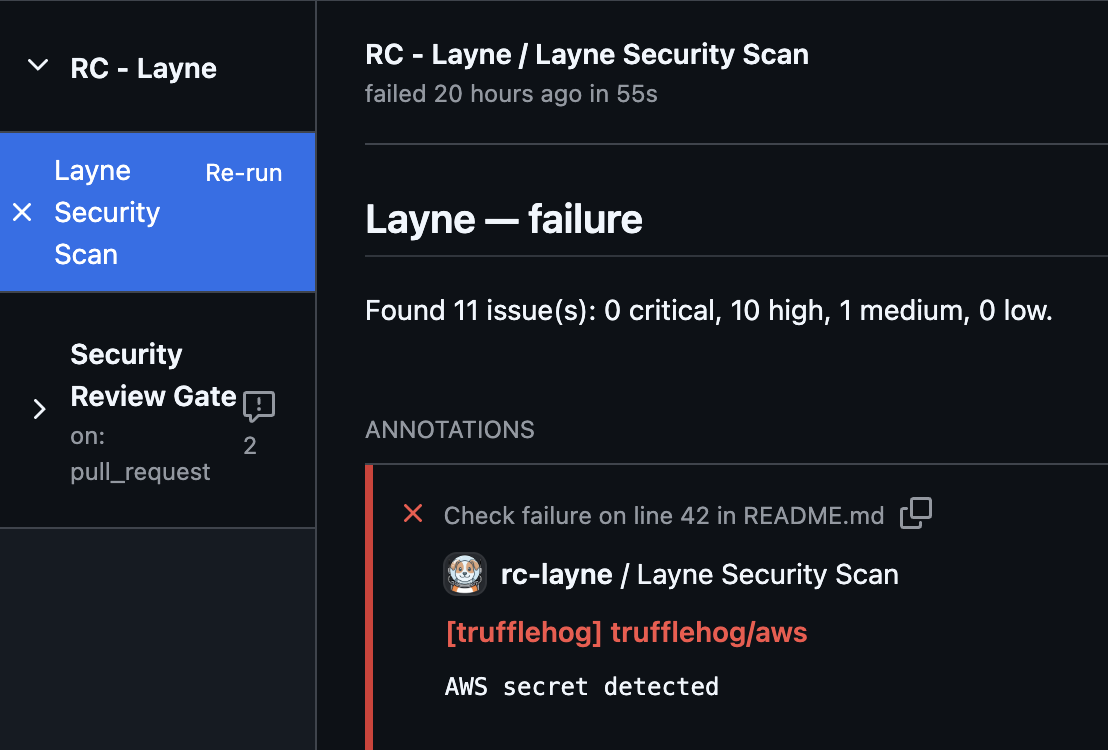 rocketchat/layne
A doggo that helps look for security issues in your repositories.