 epsylon/ufonet
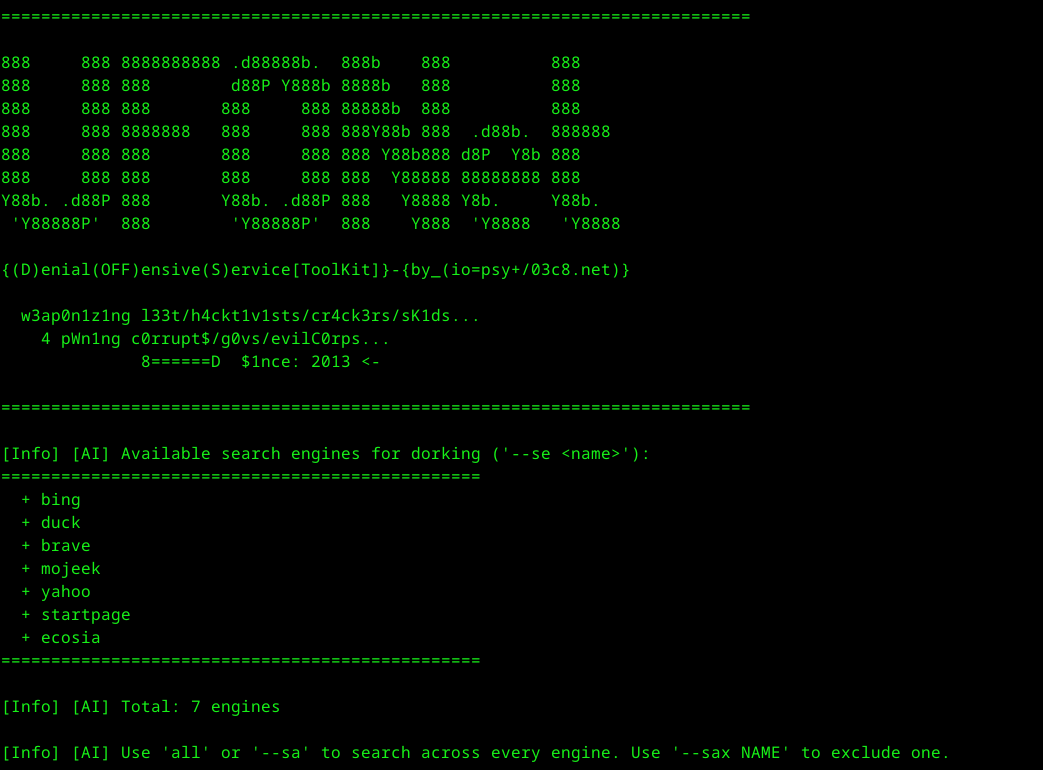
UFONet - Denial-of-Service-Toolkit

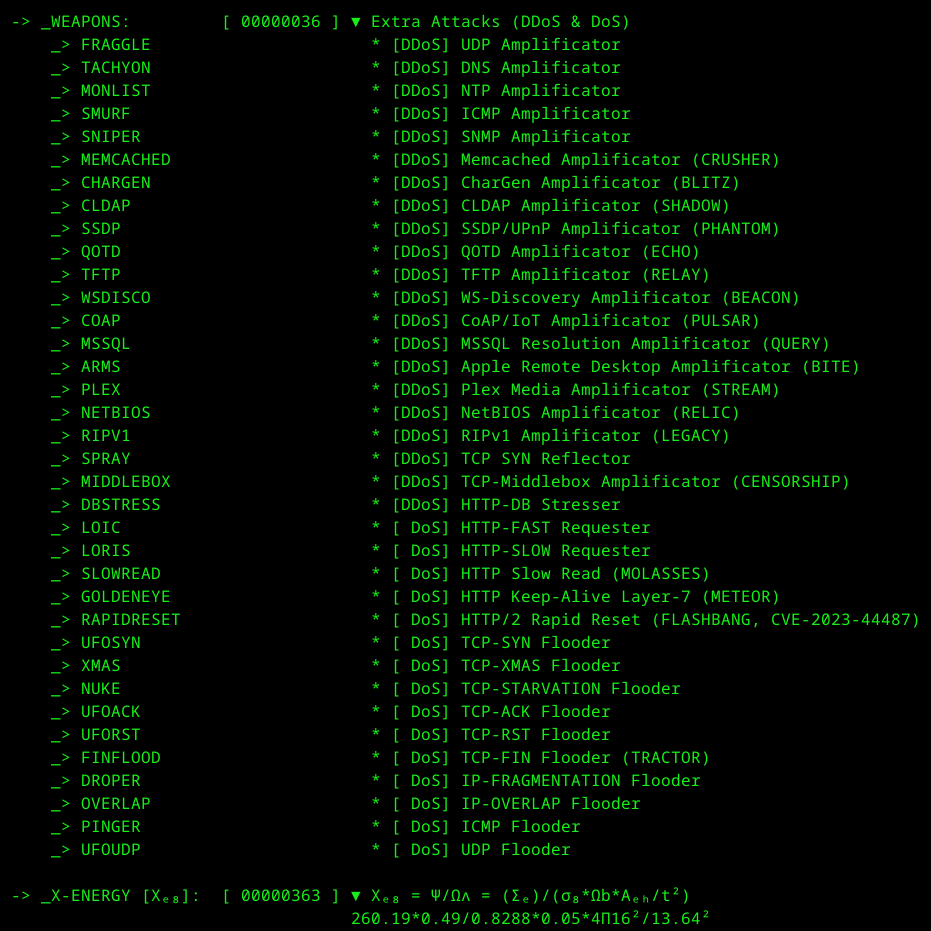
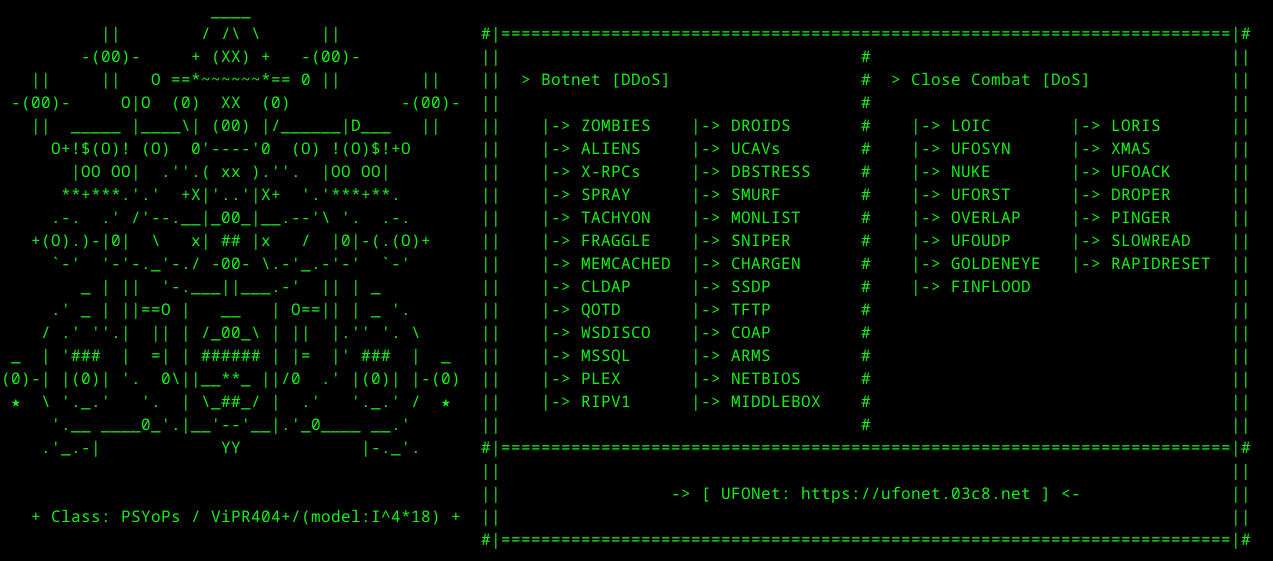
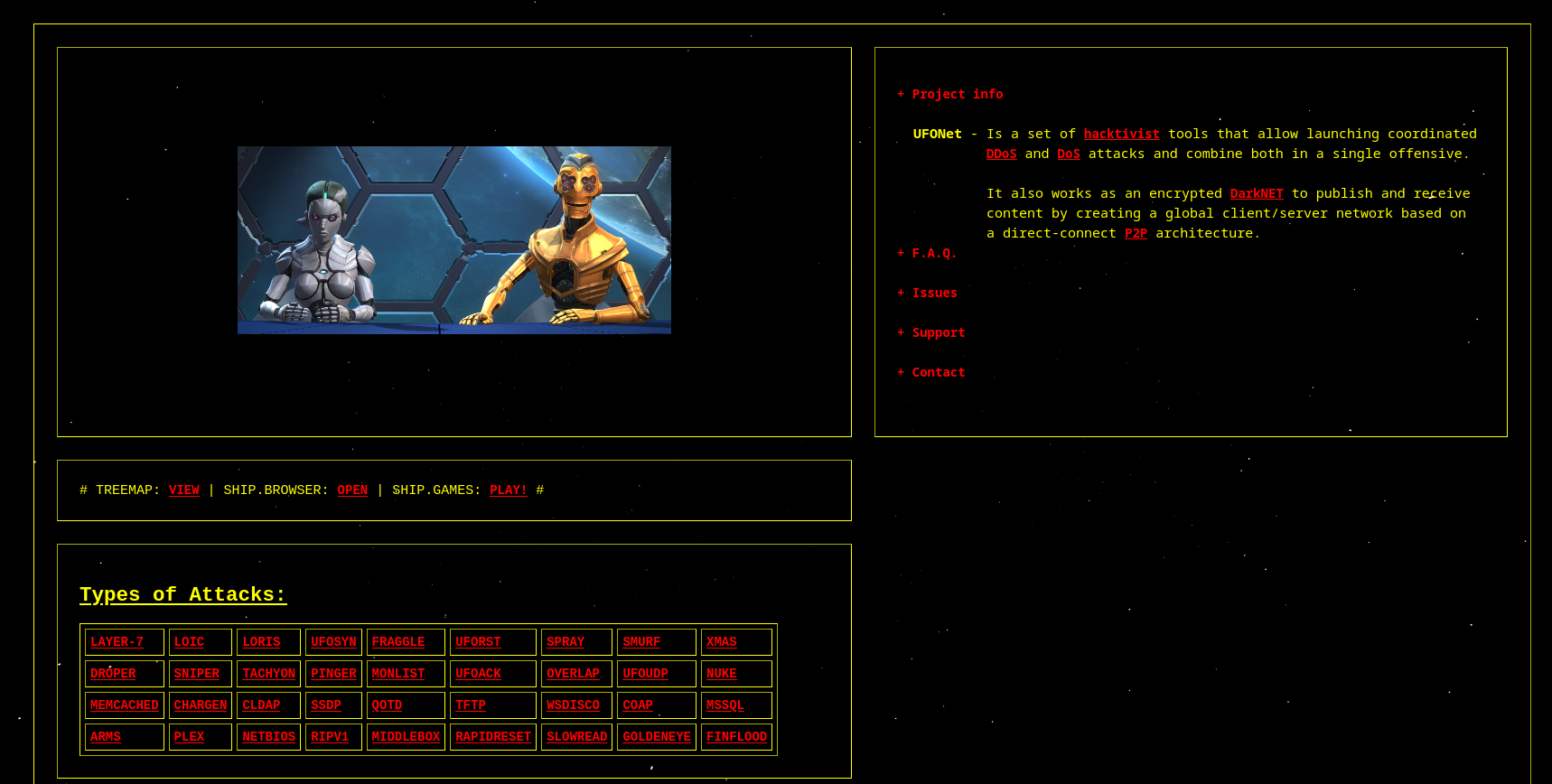
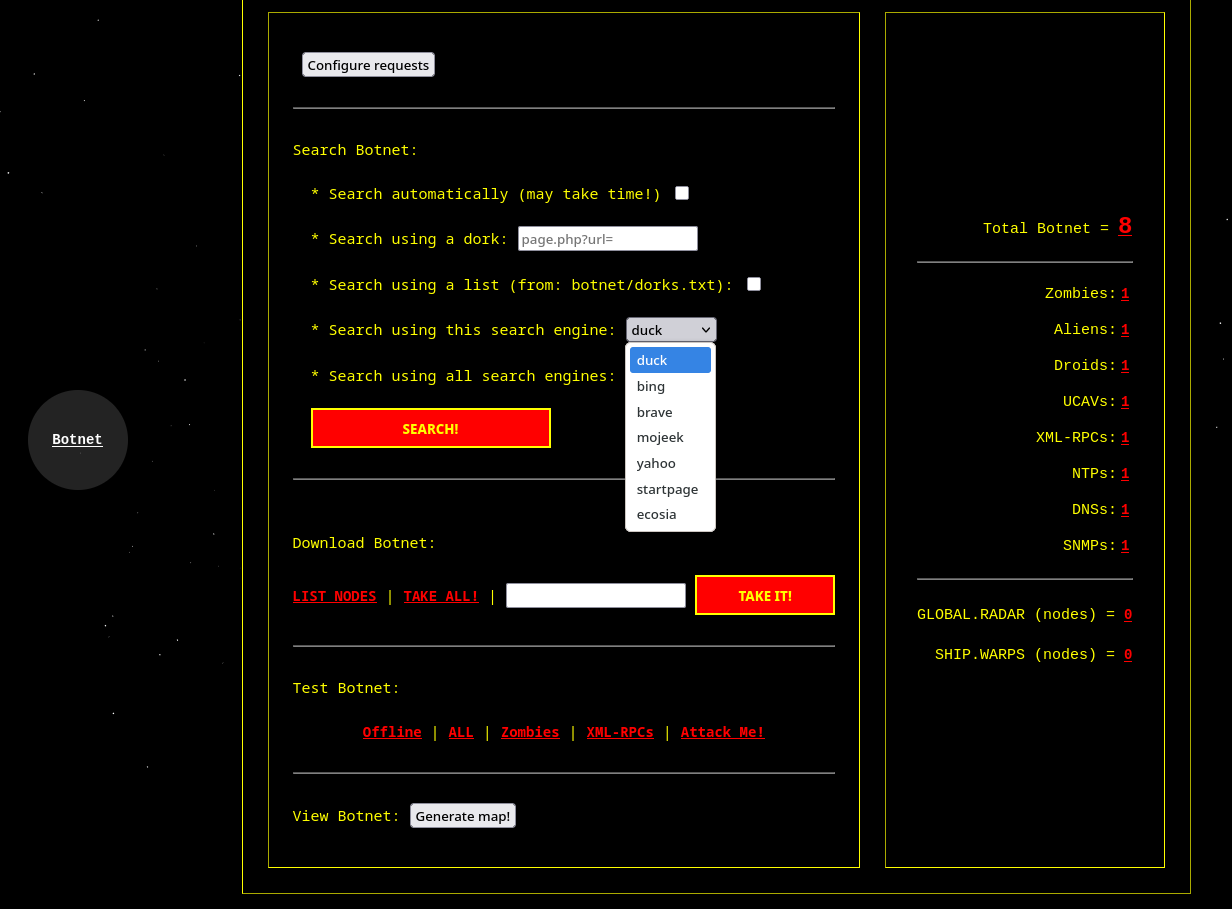
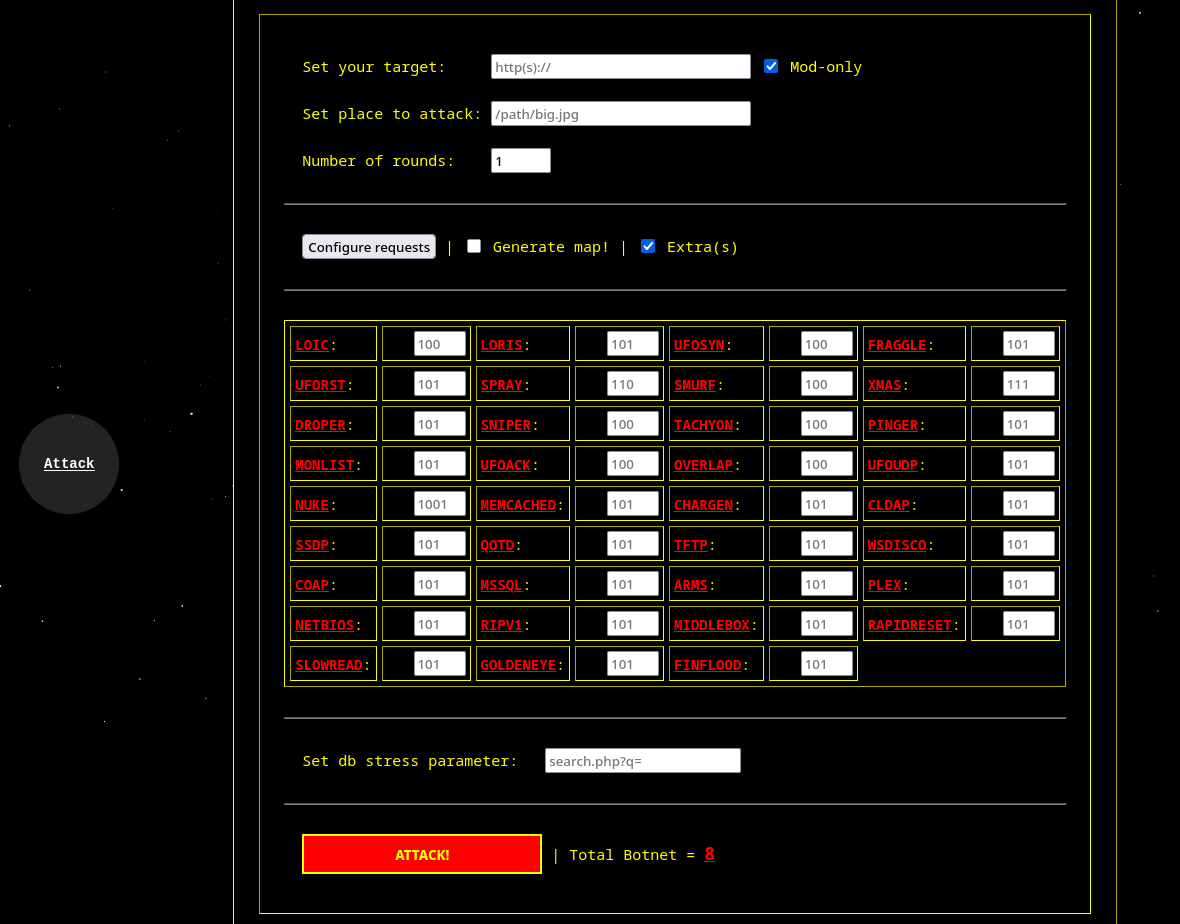
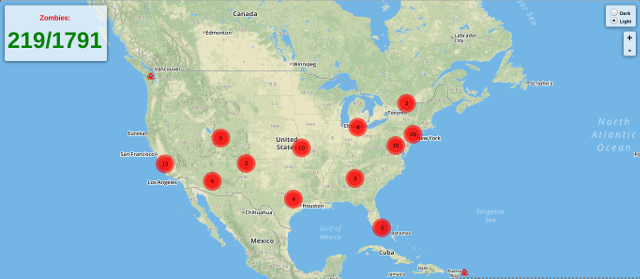
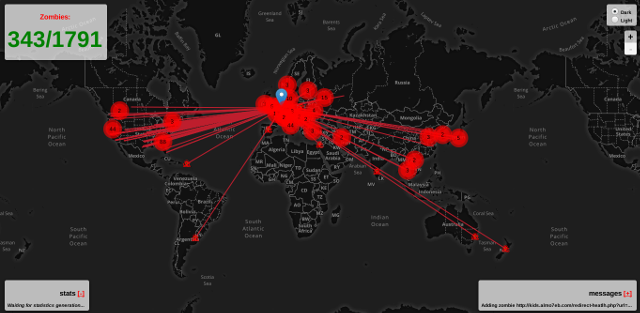
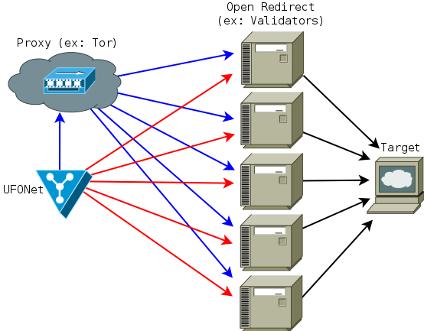
UFONet ist eine freie Software, ein P2P- und kryptografischer -störender Werkzeugkasten-, der es ermöglicht, DoS- und DDoS-Angriffe durchzuführen; auf Schicht 7 (APP/HTTP) durch die Ausnutzung von Open-Redirect-Vektoren auf Websites Dritter, um als Botnetz zu agieren, und auf Schicht 3 (Netzwerk) durch Missbrauch des Protokolls.
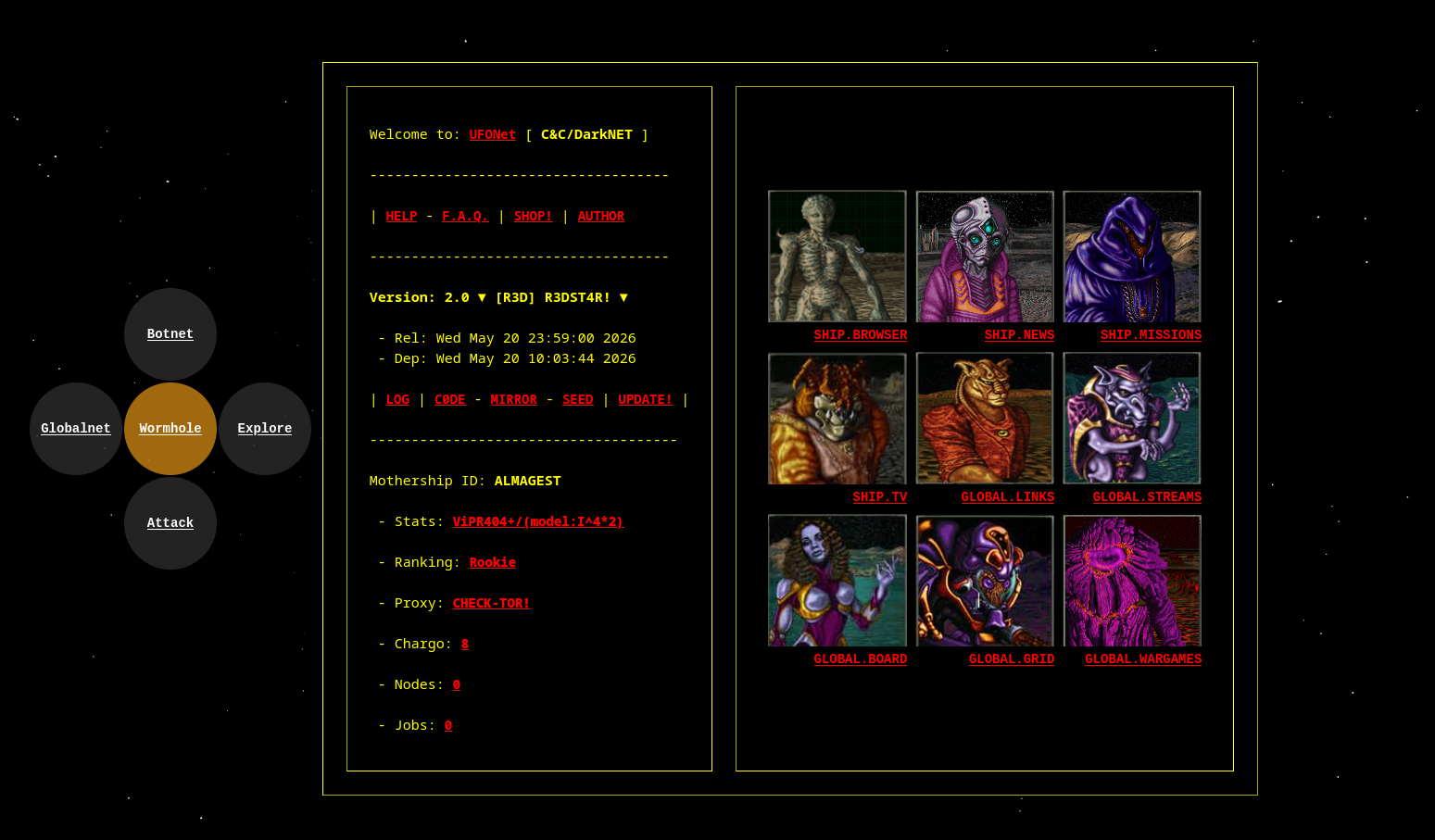
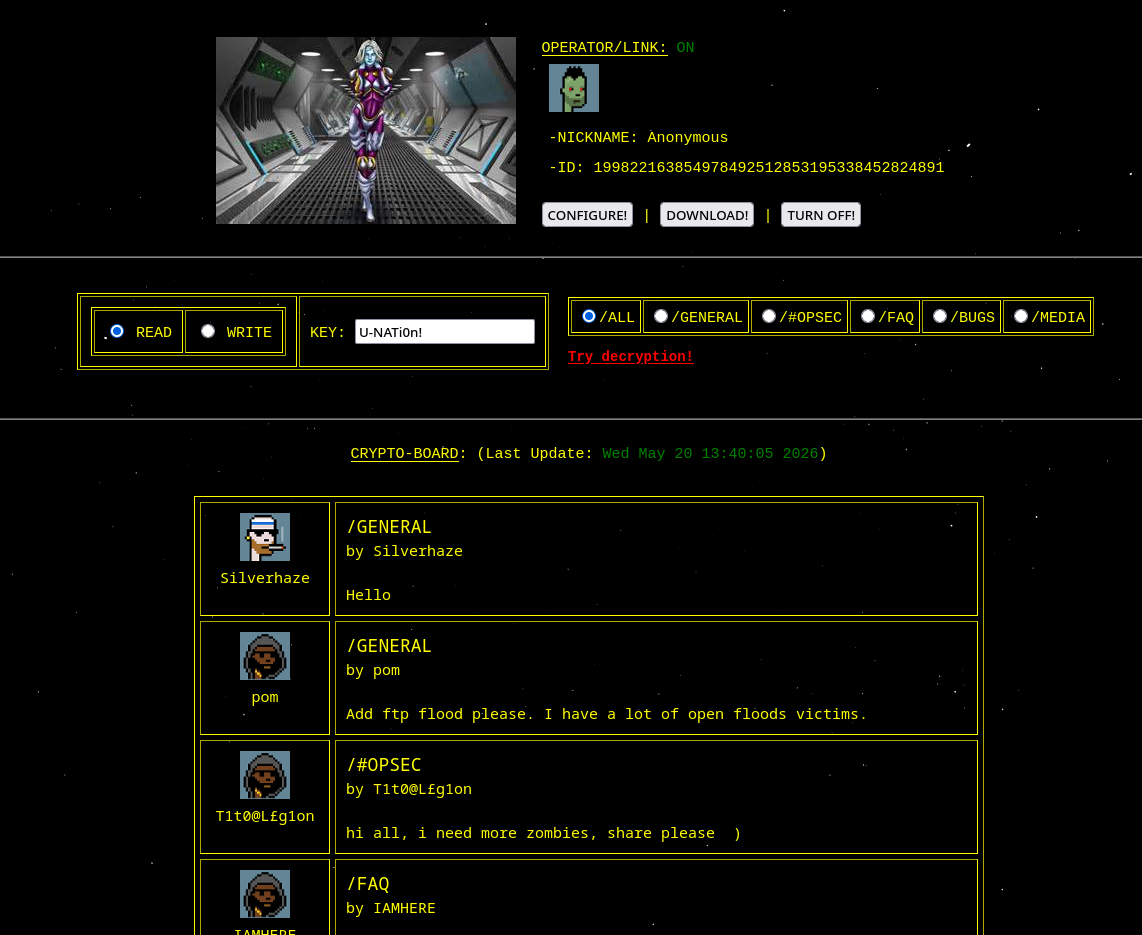
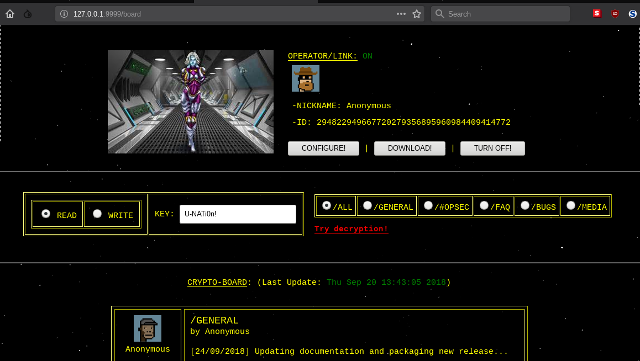
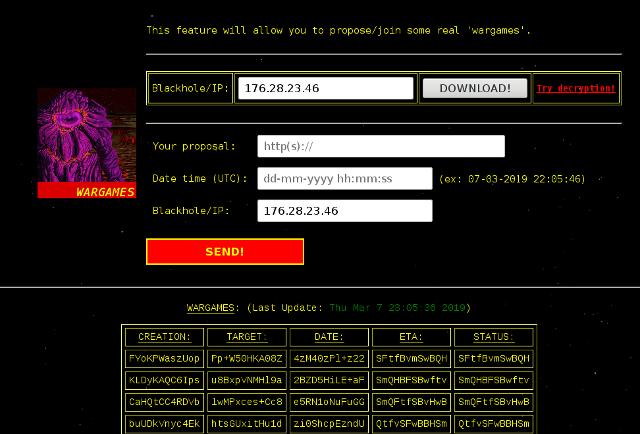
Es fungiert auch als verschlüsseltes DarkNET, um Inhalte zu veröffentlichen und zu empfangen, indem es ein globales Client/Server-Netzwerk auf Basis einer Direct-Connect-P2P-Architektur erstellt.
Weitere Informationen finden Sie unter diesen Links:
CWE-601:Offene Weiterleitung: https://cwe.mitre.org/data/definitions/601.html
SPRAY: https://en.wikipedia.org/wiki/Denial-of-service_attack#Reflected_attack
DROPER: https://en.wikipedia.org/wiki/IP_fragmentation_attack
SNIPER: https://en.wikipedia.org/wiki/Simple_Network_Management_Protocol
TACHYON: https://en.wikipedia.org/wiki/DNS_amplification_attack
MONLIST: https://en.wikipedia.org/wiki/NTP_server_misuse_and_abuse
UFOACK: https://en.wikipedia.org/wiki/Denial-of-service_attack
OVERLAP: https://en.wikipedia.org/wiki/IP_fragmentation_attack#Overlapping_fragment_attack
MEMCACHED: https://en.wikipedia.org/wiki/Memcached
CHARGEN: https://en.wikipedia.org/wiki/Character_Generator_Protocol
CLDAP: https://en.wikipedia.org/wiki/Lightweight_Directory_Access_Protocol
SSDP: https://en.wikipedia.org/wiki/Simple_Service_Discovery_Protocol
TFTP: https://en.wikipedia.org/wiki/Trivial_File_Transfer_Protocol
COAP: https://en.wikipedia.org/wiki/Constrained_Application_Protocol
RIPV1: https://en.wikipedia.org/wiki/Routing_Information_Protocol
RAPIDRESET: https://en.wikipedia.org/wiki/HTTP/2
SLOWREAD: https://en.wikipedia.org/wiki/Slowloris_(software)
GOLDENEYE: https://en.wikipedia.org/wiki/Denial-of-service_attack#Application-layer_attacks
FINFLOOD: https://en.wikipedia.org/wiki/Transmission_Control_Protocol#Connection_termination
UFONet läuft auf vielen Plattformen:
Sie können versuchen, alle erforderlichen Bibliotheken automatisch zu beziehen mit (als root):
python3 setup.py
Für die manuelle Installation führen Sie aus:
   sudo apt-get install -y --no-install-recommends libpython3.12-dev python3-pycurl python3-geoip python3-whois python3-requests libgeoip1 libgeoip-dev
   python3 -m pip install --upgrade pip --no-warn-script-location --root-user-action=ignore --break-system-packages
   python3 -m pip install pycurl --upgrade --root-user-action=ignore --break-system-packages
   python3 -m pip install pygeoip requests urllib3 whois scapy pycryptodomex duckduckgo-search dnspython certifi --ignore-installed --root-user-action=ignore --break-system-packages
Falls zur Laufzeit eine Bibliothek fehlt, wird UFONet 2.0 versuchen, sie automatisch mit pip zu installieren.
Um die Testsammlung jederzeit auszuführen:
python3 ufonet --test-ufonet
UFONet wird unter der GPLv3 veröffentlicht. Sie finden den vollständigen Lizenztext in der Datei LICENSE.