
Skip to content
KitploitKITPLOIT
FerramentasExploitsBlog
Log in
Enviar
FerramentasExploitsBlog
Enviar

Ferramentas de Hacking, PenTest e Cibersegurança para o seu Arsenal de Segurança!

Kitploit é um diretório de ferramentas de hacking, cibersegurança e pentesting. Descubra as últimas atualizações de projetos para encontrar vulnerabilidades, analisar sistemas, automatizar testes e fortalecer sua segurança.

FeedsContatoPrivacidade© 2026 Kitploit

Diretório de Ferramentas

Categorias

Ver todas as categorias
Loading categories
Vulnvault — Developer-focused knowledge base of application security vulnerabilities with insecure vs secure code examples, prevention guidance, and OWASP/CWE mappings across languages and frameworks. | Kitploit
Ferramentas/GitHubGitHub/viralmaniar/vulnvault
Vulnerability AnalysisCode AnalysisWeb SecurityDevSecOpsSupply Chain SecurityLearning & EducationCurated ResourcesLearning Paths & Courses
GitHubviralmaniar/vulnvault

Vulnvault

Developer-focused knowledge base of application security vulnerabilities with insecure vs secure code examples, prevention guidance, and OWASP/CWE mappings across languages and frameworks.

Ver Repositório
4119há 14 diasAinda não revisado

Mais Populares

Ver todos →

Descubra as ferramentas mais usadas pela nossa comunidade.

Explore todas as ferramentas

Navegue pela nossa coleção de ferramentas

Ver todas as ferramentas →
Compartilhar
Conteúdo não disponível no idioma solicitado. Mostrando versão em inglês.

VulnVault 🔐

VulnVault is a practical, developer‑first knowledge base of common and critical application security vulnerabilities, covering the full lifecycle from code to build, infrastructure, and deployment.

It provides clear explanations, realistic insecure vs secure code examples, and actionable guidance across multiple programming languages and frameworks to help teams build secure applications by default.
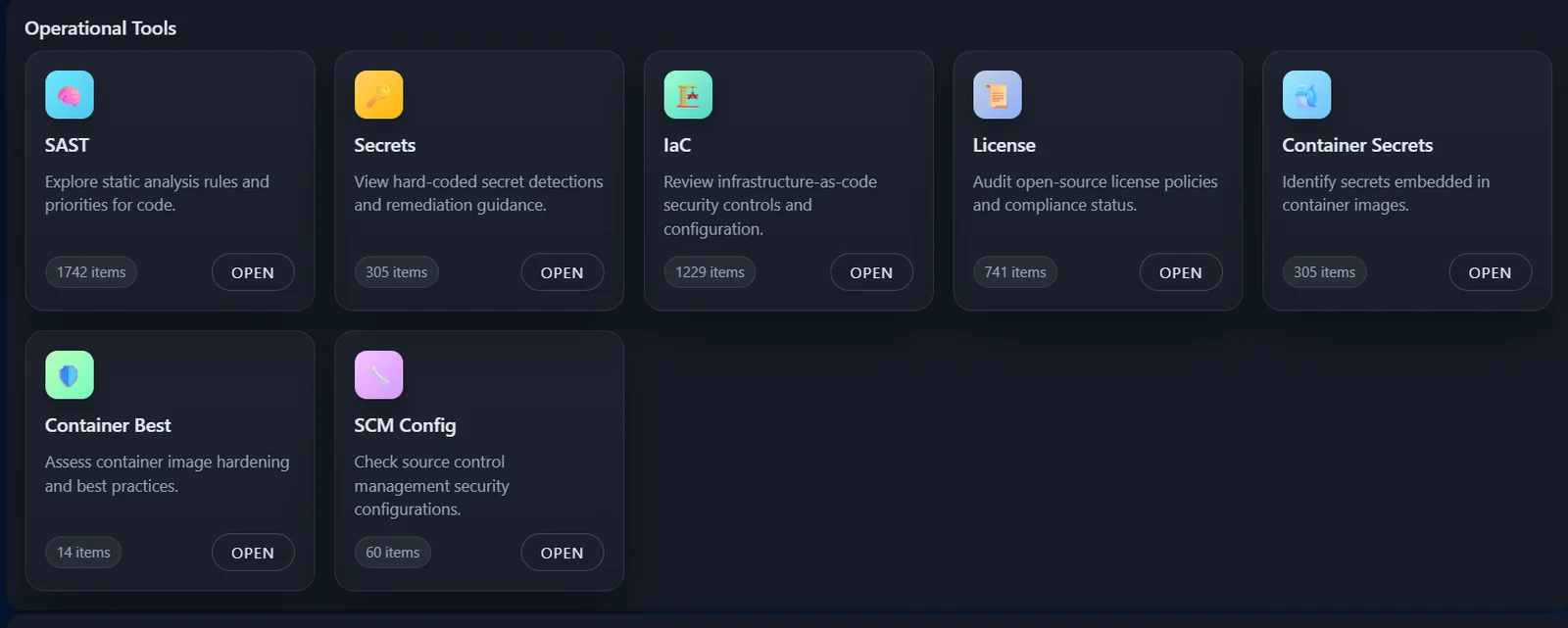
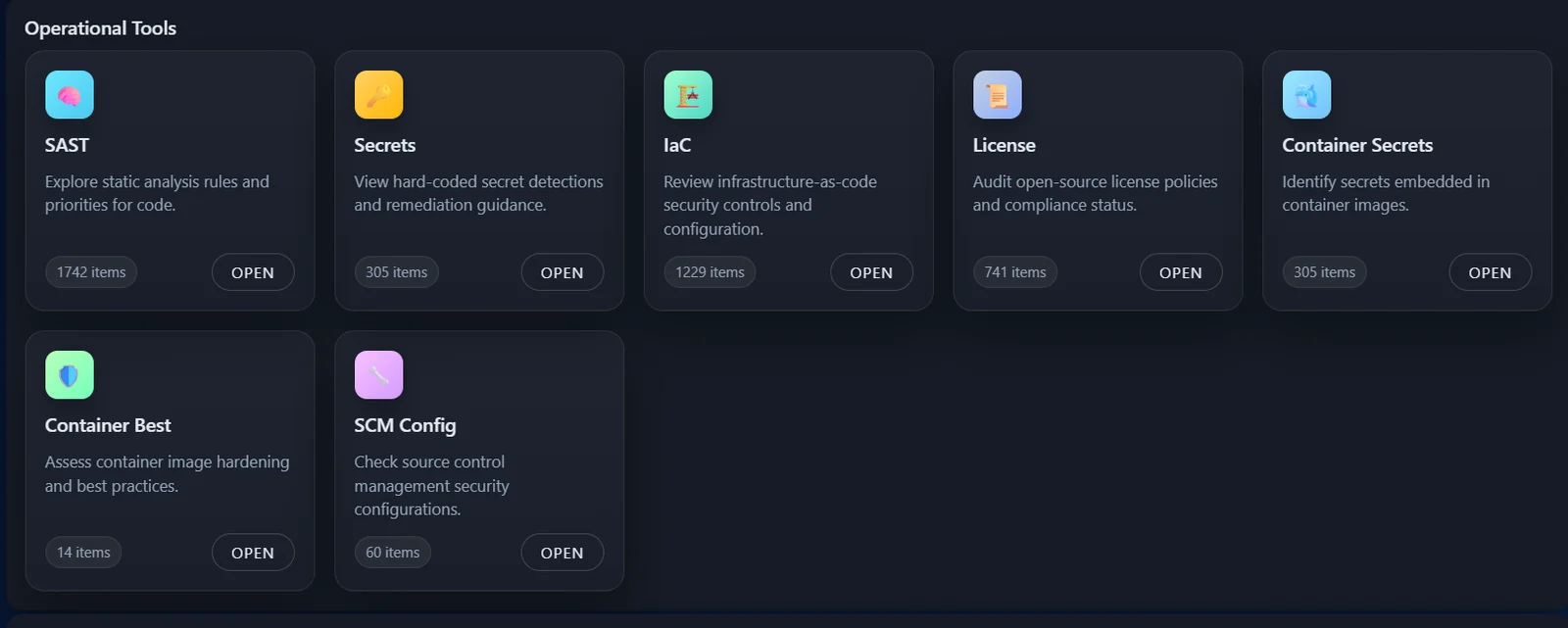
image

🎯 Goal: Uplift the organisation’s application security posture by making secure coding understandable, accessible, and repeatable.

Access here - https://viralmaniar.github.io/Vulnvault/site/vulnvault.html


Why VulnVault?

Most security guidance is either:

  • Too abstract to apply, or
  • Too security‑centric to resonate with developers

VulnVault bridges that gap by:

  • Showing what insecure code actually looks like
  • Explaining why it’s vulnerable
  • Demonstrating how to fix it properly
  • Mapping issues to real‑world impact and controls

This repo is designed to be used by:

  • Developers
  • Tech leads & architects
  • AppSec & DevSecOps teams
  • Engineering onboarding programs

What’s Inside

VulnVault is organised by vulnerability category, not by tool or standard.

Each vulnerability typically includes:

  • ✅ Description & Risk
  • ✅ How the vulnerability occurs
  • ✅ Insecure code examples
  • ✅ Secure code examples
  • ✅ Language / framework‑specific nuances
  • ✅ Prevention & best practices
  • ✅ Related standards (OWASP Top 10, CWE, ASVS)

Vulnerability Coverage (Examples)

  • Injection (SQL, NoSQL, OS Command)
  • Cross‑Site Scripting (XSS)
  • Cross‑Site Request Forgery (CSRF)
  • Authentication & Session Management
  • Authorization & Access Control
  • Insecure Deserialization
  • Security Misconfiguration
  • Sensitive Data Exposure
  • File Upload & Path Traversal
  • Server‑Side Request Forgery (SSRF)
  • Dependency & Supply Chain Risks
  • Secrets Management
  • Cloud & Container Misconfigurations

Supported Languages & Frameworks

Examples are written using realistic application patterns, not contrived snippets.

Current coverage includes (and is expanding):

  • Java
    • Spring / Spring Boot
  • JavaScript / TypeScript
    • Node.js
    • Express
  • Python
    • Flask
    • Django
  • C#
    • ASP.NET / ASP.NET Core
  • Go
  • Infrastructure & Platform
    • Docker
    • Kubernetes
    • CI/CD pipelines (generic patterns)

Each example contrasts ❌ insecure and ✅ secure implementations side‑by‑side.


Example

SQL Injection (Java – Spring Boot)

❌ Insecure

String query = "SELECT * FROM users WHERE username = '" + username + "'";

Why this matters: Untrusted input is directly concatenated into the query, allowing attackers to manipulate SQL logic.

✅ Secure

String query = "SELECT * FROM users WHERE username = ?";
PreparedStatement ps = connection.prepareStatement(query);
ps.setString(1, username);
ResultSet rs = ps.executeQuery();

How to Use VulnVault

📚 Learning & Reference Use as a secure coding handbook during development.

🔍 Code Reviews Link relevant VulnVault pages directly in PR comments.

🧪 Security Testing Validate whether findings from SAST, DAST, or pentests are exploitable.

🎓 Training & Onboarding Use examples to upskill new hires and junior developers.

🛡 AppSec Program Enablement Align guidance with internal standards, threat models, and risk appetite.


Contribution Guidelines

Contributions are welcome and encouraged. You can contribute by:

  • Adding new vulnerabilities
  • Expanding language/framework coverage
  • Improving insecure/secure examples
  • Fixing inaccuracies or edge cases

Guiding principles for contributions:

  • Keep examples realistic and minimal
  • Prefer clarity over cleverness
  • Assume a developer audience
  • Avoid tool‑specific lock‑in where possible

Security Philosophy

VulnVault intentionally focuses on:

  • Root causes, not just symptoms
  • Developer decision‑making, not just controls
  • Preventative patterns, not reactive fixes

This is not a vulnerability scanner—it’s a security enablement asset.


Disclaimer

The examples in this repository are for educational purposes only. Do not deploy insecure examples to production systems.


License

This project is licensed under the MIT License. See the LICENSE file for details.


Acknowledgements

Inspired by real‑world security reviews, penetration tests, and lessons learned from building and securing production systems.

🔐 Build secure software. By design.

Baixar ferramenta