cve-2026-124194-outlook-ntlm-hash-leak

PoC and exploit for CVE-2026-124194: generates crafted Outlook .msg files with UNC INCLUDEPICTURE references and runs an SMB listener to capture…

PoC and exploit for CVE-2026-124194: generates crafted Outlook .msg files with UNC INCLUDEPICTURE references and runs an SMB listener to capture…

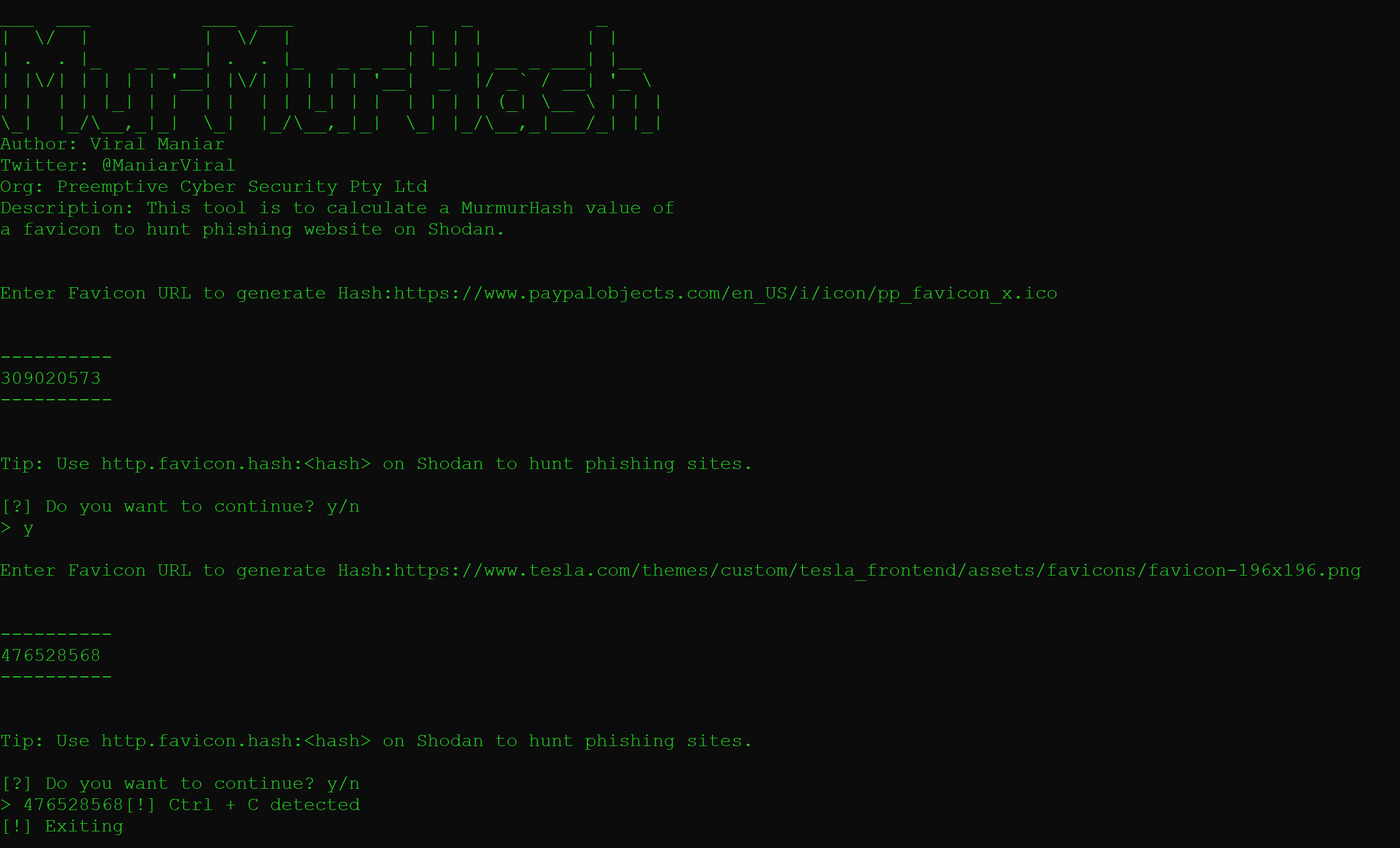
Collection of DFIR and OSINT Python scripts for parsing malicious LNK samples, extracting OLE objects from MHTML, and hashing favicons to hunt…

Open-source threat intelligence platform for malware and observable analysis. Enriches IPs, domains, URLs, and hashes with external sources, performs…

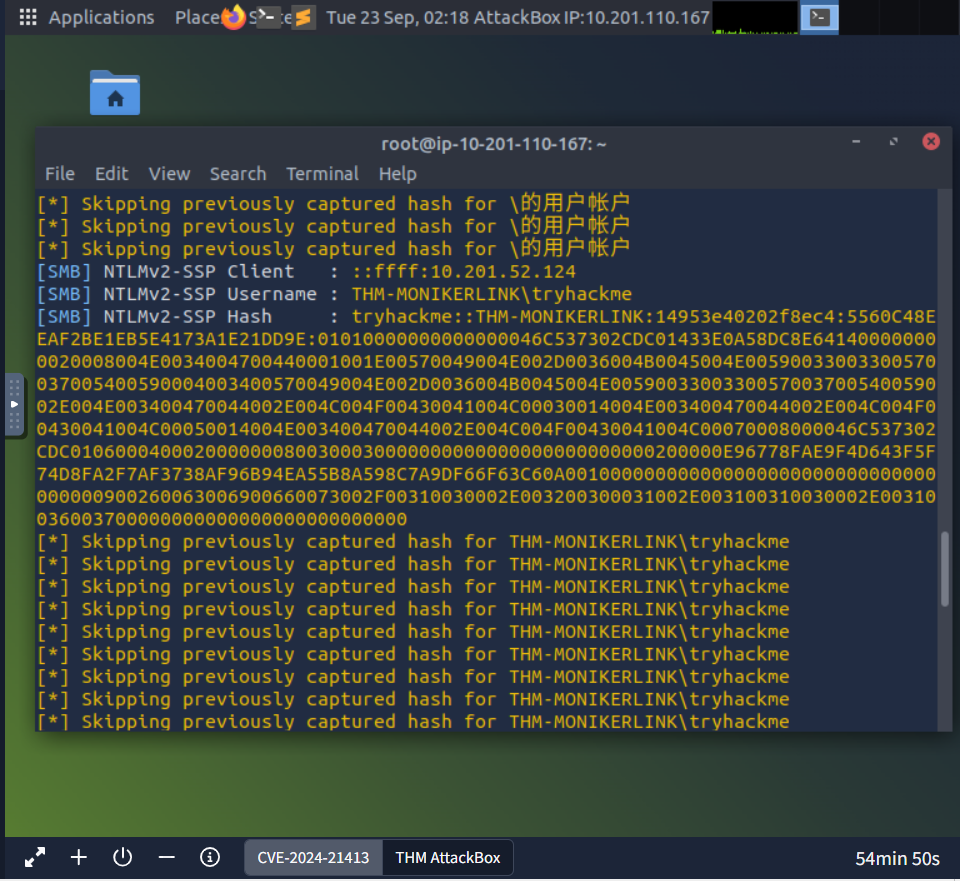
Proof-of-concept exploit for CVE-2024-21413 using Moniker Link in HTML email to trigger SMB connection and capture netNTLMv2 hashes via Responder.…

Proof-of-concept exploit for CVE-2024-21413, a critical Outlook RCE vulnerability that leaks NetNTLMv2 hashes via crafted file:// links, enabling…

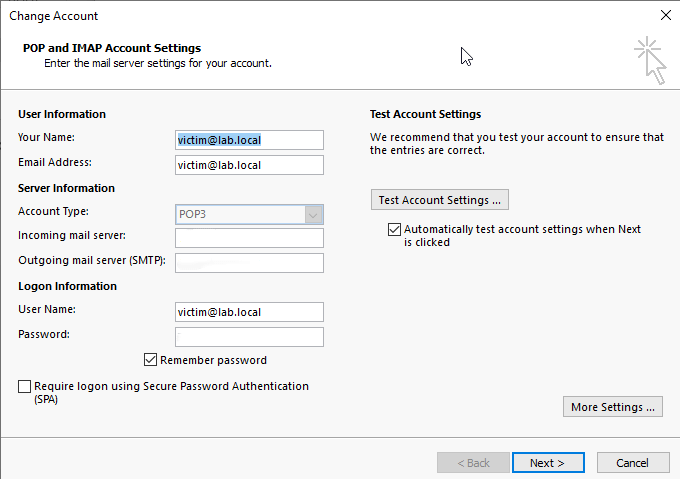
Educational lab demonstrating CVE-2024-21413 exploitation in Outlook to leak NTLM hashes via malicious UNC links, with custom SMTP/POP3…

New 0 day vulnerability allowing to leak NTLM hashes from browsers with one click

Educational lab and PoC demonstrating CVE-2024-21413 Outlook Moniker Link attack to leak netNTLMv2 hashes via crafted HTML email.

Proof-of-concept exploit for Microsoft Outlook RCE (CVE-2024-21413) with SMTP-based phishing email delivery, malicious RTF attachment generation, and…

CVE-2024-43451 is a Windows NTLM vulnerability that allows an attacker to force authentication and capture NTLM hashes by using malicious shortcuts.

Demonstrates capturing NTLM hashes via Responder and executing phishing emails exploiting CVE-2024-21413 to compromise systems.

The SOC Analysts all-in-one CLI tool to automate and speed up workflow.

Chromepass - Hacking Chrome Saved Passwords

This little tool is to calculate a MurmurHash value of a favicon to hunt phishing websites on the Shodan platform.