
KnockGiga
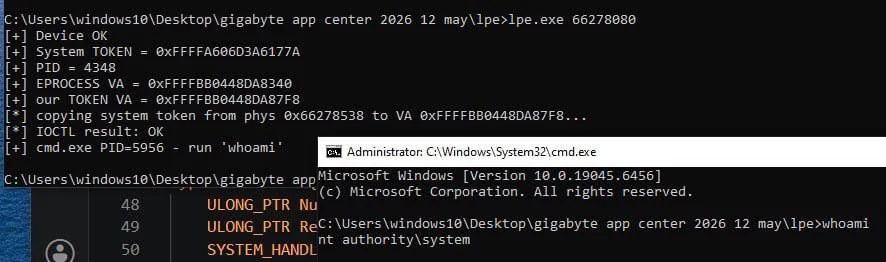
 mein-0/knockgiga
Proof-of-concept local privilege escalation exploiting Gigabyte gdrv3.sys IOCTLs to write the SYSTEM token into a user process via an unchecked…
binary-exploitationexploitationhardware-security+3
11
mein-0/knockgigaProof-of-concept local privilege escalation exploiting Gigabyte gdrv3.sys IOCTLs to write the SYSTEM token into a user process via an unchecked…
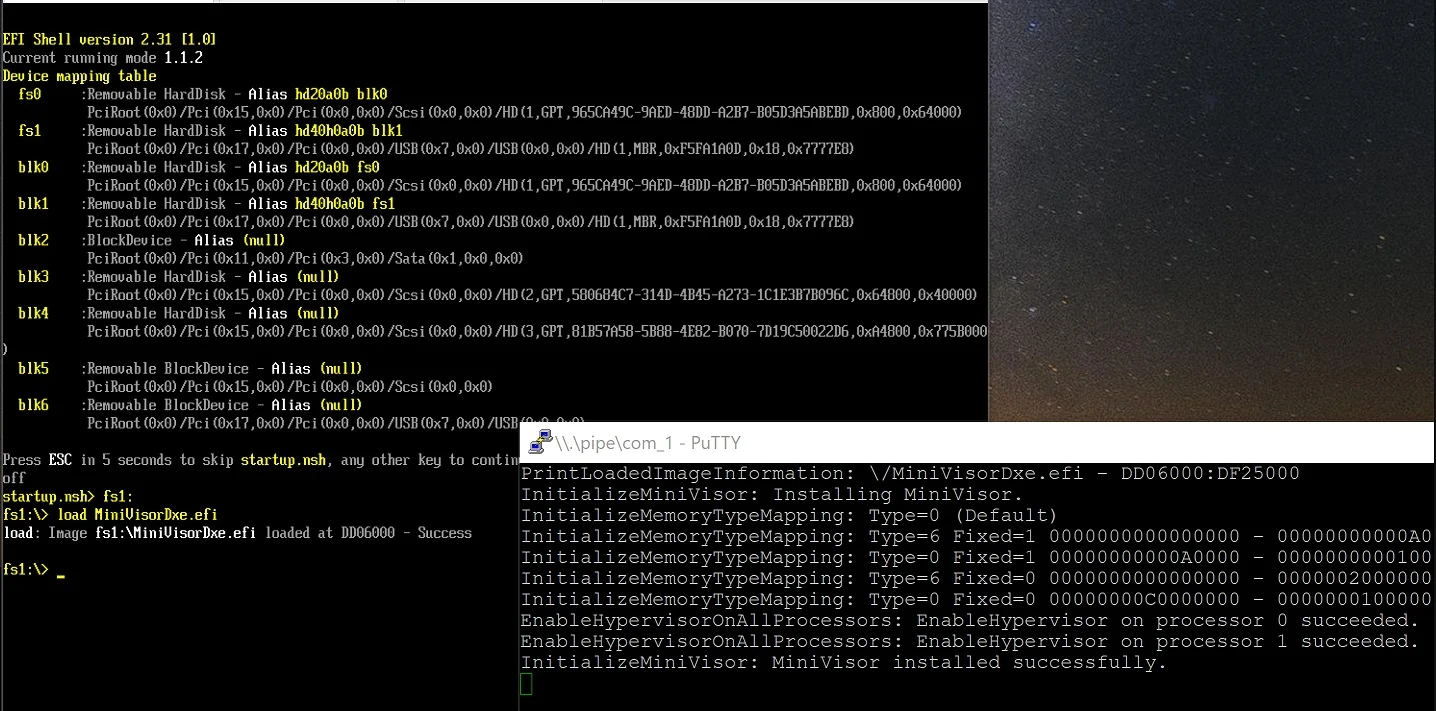 tandasat/minivisorpkg
The research UEFI hypervisor that supports booting an operating system.
 gmh5225/awesome-game-security
Curated index of game security research: anti-cheat internals, DMA attacks, reverse engineering, kernel/mobile protections, and graphics API hooking…
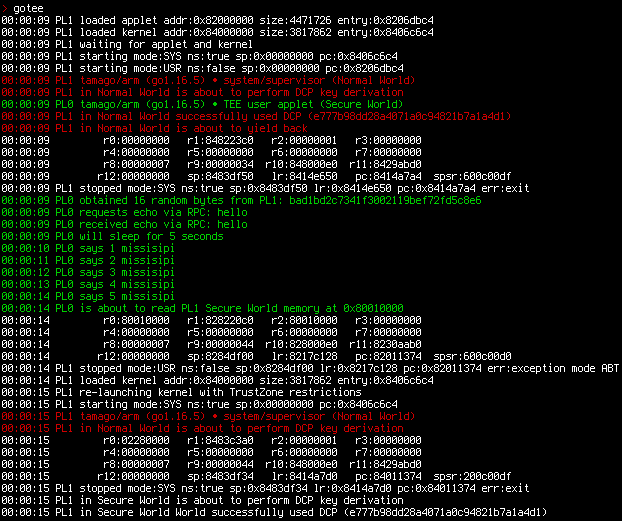 usbarmory/gotee
Go Trusted Execution Environment (TEE)
 google/silifuzz
Fuzzes CPU implementations by generating test inputs from software proxies, then executes them on real hardware to detect microarchitecture defects…
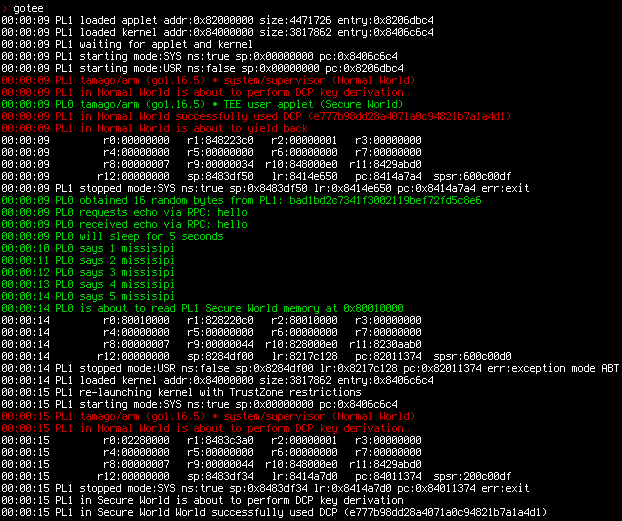 usbarmory/gotee-example
GoTEE - example application
 hotcakex/harden-windows-security
Harden Windows Safely, Securely using Official Supported Microsoft methods and proper explanation | Always up-to-date and works with the latest build…
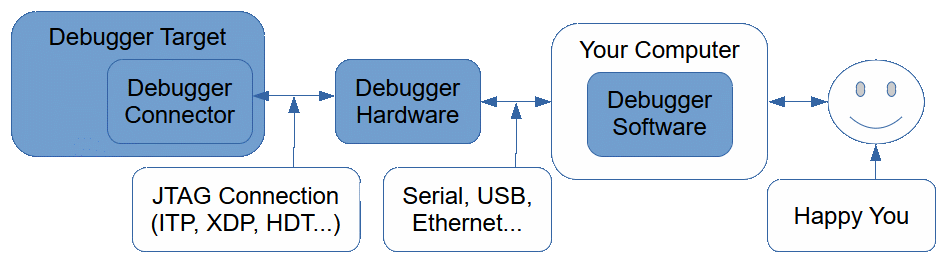 x86-jtag-open-research/x86-jtag-information
Documents Intel and AMD x86 JTAG debugger hardware, connectors, probe software, and target platforms for low-level system debugging and firmware…
 spiralbl0ck/microc-u-os2-vuln-code-extracted-from-
Buffer Overflow Attack and Prevention for an FPGA Based Soft-Processor System - 7th International Conference on Innovation in Electronics and…
 owasp/iot-security-verification-standard-isvs
OWASP IoT Security Verification Standard (ISVS)
 nu11secur1ty/linux_hardening_and_security
Collection of Linux hardening scripts and security configurations for system auditing, access control, and defensive posture improvement. Includes…
 msm8916-mainline/cve-2022-22063
Security issue in the hypervisor firmware of some older Qualcomm chipsets
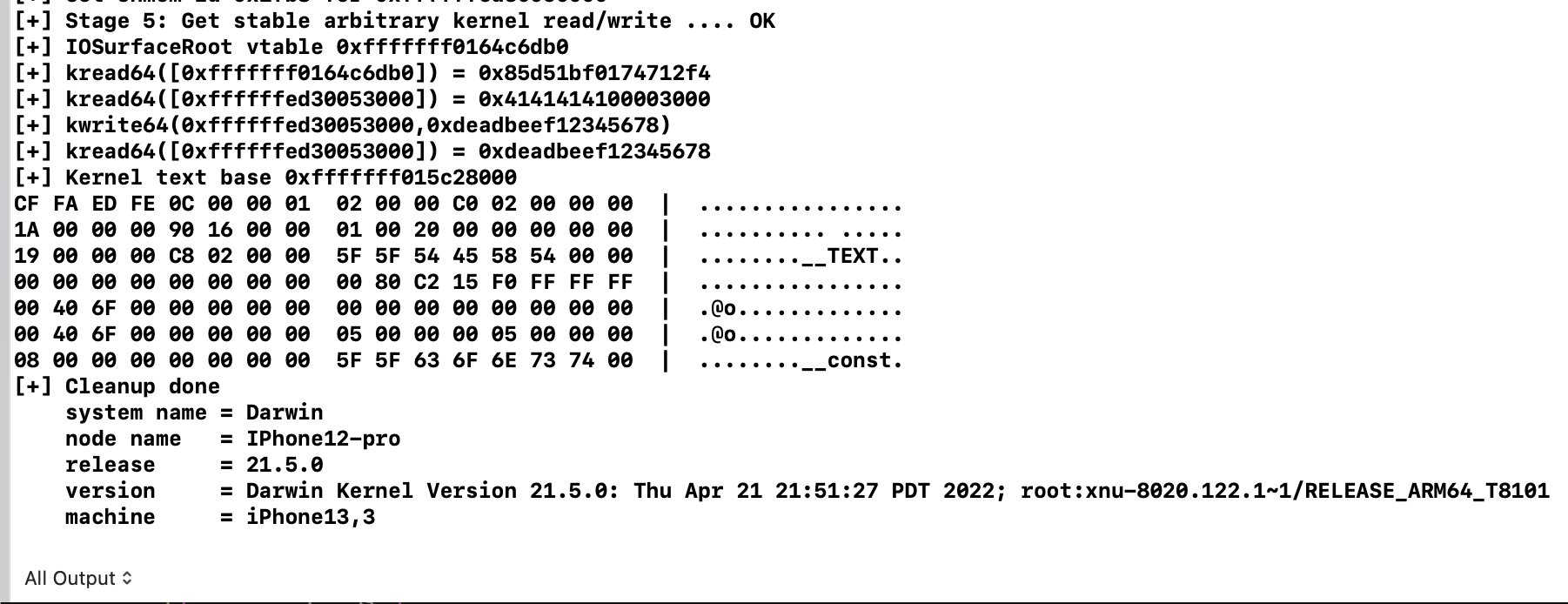 ox1111/cve-2022-32898
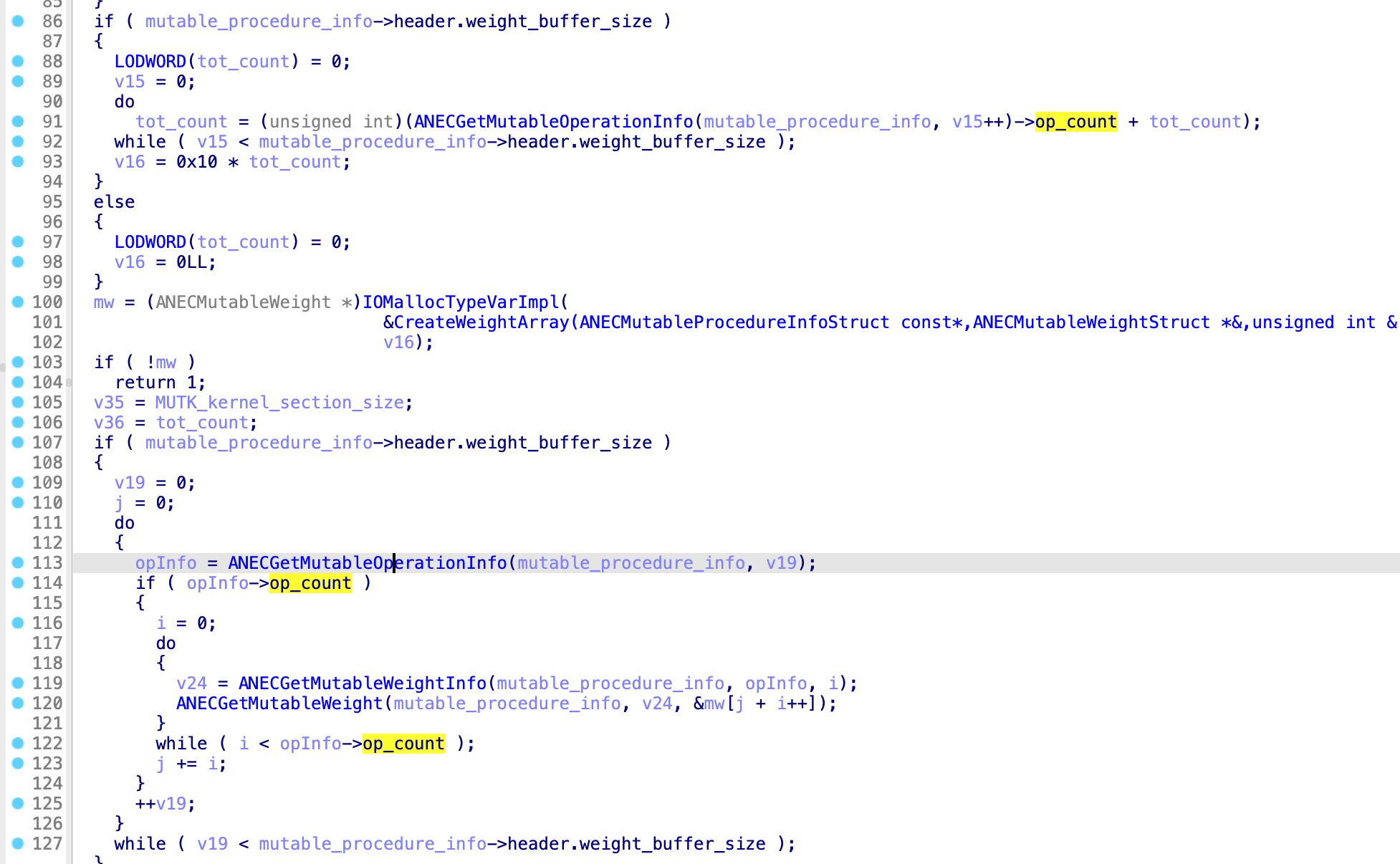
Technical analysis and exploit demonstration of CVE-2022-32898, a kernel memory corruption vulnerability in Apple Neural Engine driver, with detailed…
 ox1111/cve-2022-32932
Technical analysis and proof-of-concept for CVE-2022-32932, a double fetch vulnerability in Apple's ANE kernel driver leading to out-of-bounds write…
 raphaelsc/am-i-affected-by-meltdown
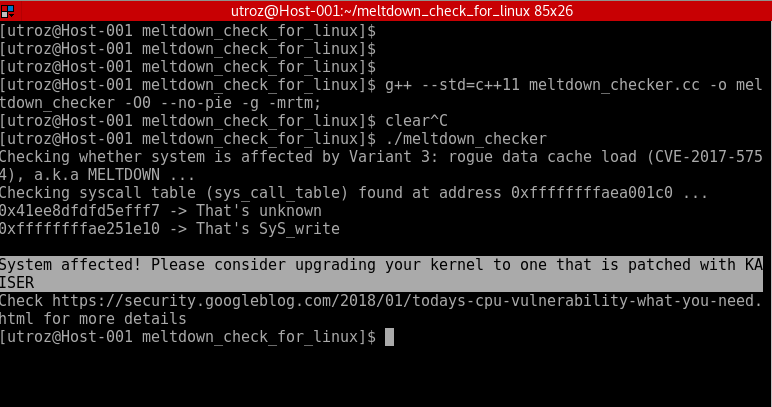
Meltdown Exploit / Proof-of-concept / checks whether system is affected by Variant 3: rogue data cache load (CVE-2017-5754), a.k.a MELTDOWN.
 speecyy/am-i-affected-by-meltdown
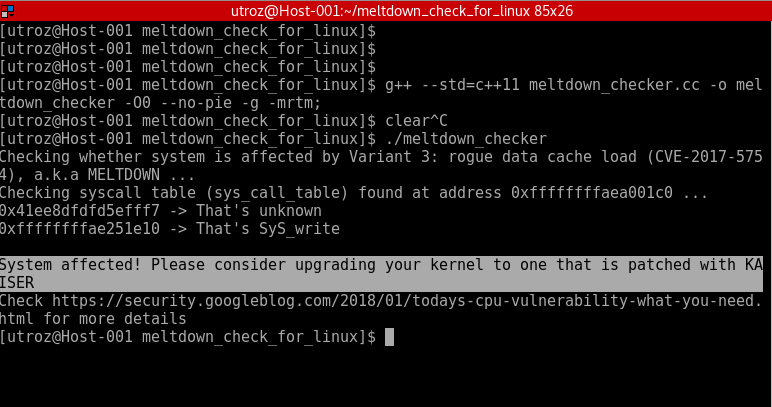
Proof-of-concept / Exploit / checks whether system is affected by Variant 3: rogue data cache load (CVE-2017-5754), a.k.a
 gregaskew/speculativeexecutionassessment
Assesses a system for the "speculative execution" vulnerabilities described in CVE-2017-5715, CVE-2017-5753, CVE-2017-5754