Skip to content
KitploitKITPLOIT
ToolsExploitsBlog
Log in
Submit
ToolsExploitsBlog
Submit

Hacking, PenTest, and Cybersecurity Tools for Your Security Arsenal!

Kitploit is a directory of hacking, cybersecurity, and pentesting tools. Discover the latest project updates to find vulnerabilities, analyze systems, automate testing, and strengthen your security.

FeedsContactPrivacy© 2026 Kitploit

Tool Directory

Categories

View all categories
Loading categories
IoT-Security-Verification-Standard-ISVS — OWASP IoT Security Verification Standard (ISVS) | Kitploit

Tools/GitHubGitHub/owasp/iot-security-verification-standard-isvs
Embedded Systems SecurityIoT SecurityConfiguration AuditingWeb SecurityWireless SecurityCloud SecurityMobile SecurityHardware SecurityHardware & IoT Security
Share
Learning & Education
Curated Resources
GitHubowasp/iot-security-verification-standard-isvs

IoT-Security-Verification-Standard-ISVS

OWASP IoT Security Verification Standard (ISVS)

View Repository
15749364 months agoReviewed by Kitploit

IoT Security Verification Standard (ISVS)

Version 1.0 Release Date Creative Commons License Document Build Status GitHub Pages Slack

⚠️ Release Candidate — 1.0.0-RC2. This is a release candidate under community review and may change before the final release. It is not yet a finalized standard. Please review and share feedback via GitHub Discussions.

The OWASP Internet of Things Security Verification Standard (ISVS) is a community effort to establish an open standard of security requirements for Internet of Things (IoT) ecosystems. The requirements provided by the ISVS can be used at many stages during the Development Life Cycle including design, development, and testing of IoT ecosystems.

IoT ecosystems are often complex collections of many interconnected systems. Some of these interconnected systems are IoT systems, containing connected devices and their components, both software and hardware. Others examples of systems in IoT ecosystems are web or mobile applications and cloud components.

The ISVS focuses on providing security requirements for IoT systems and their components: IoT hardware, software, embedded applications and communication protocols. It also provides some general requirements for the IoT ecosystems in which IoT systems reside, while referring to existing industry-accepted standards as much as possible.

Release Candidate (1.0.0-RC2)

The OWASP ISVS is preparing its first official release. The current content is a release candidate (1.0.0-RC2) under community review and may change before the final release. It provides comprehensive security requirements for IoT ecosystems and their components — please help us finalize it by reviewing and sharing feedback via GitHub Discussions.

Documentation

Official Documentation - Read the standard online with full search capabilities

Download the Standard

Version 1.0 is available in multiple formats on the releases page:

  • 📄 PDF - For reading and printing
  • 📱 EPUB - For e-readers
  • 📝 DOCX - For editing and customization
  • 📊 CSV - For spreadsheet analysis
  • 🔧 JSON - For programmatic use
  • 🌐 XML - For integration with tools

Read Individual Sections of the ISVS Below

  • Frontispiece
  • Using the ISVS
  • V1: IoT Ecosystem Requirements
  • V2: User Space Application Requirements
  • V3: Software Platform Requirements
  • V4: Communication Requirements
  • V5: Hardware Platform Requirements
  • Appendix A - Glossary

How to Contribute

The ISVS is an open source effort and we welcome contributions and feedback. If you want to contribute additional content, improve existing content, or provide your feedback, we suggest that you do so through:

  • The OWASP ISVS Slack channel. You can sign up here.
  • Through creating an issue or a pull request.

Before you start contributing, please check our contribution guide which should get you started.

Project Leads

  • Aaron Guzman
  • Cédric Bassem
Download Tool

Most Popular

View all →

Discover the most used tools by our community.

  • 1

    OsintHunter

    letox4/osinthunter

    🎯 The ultimate OSINT toolkit: investigation graph, confidence scoring, alias families, map, timeline and reports. 49 modules, 400+ sites, no API keys required.

    524
  • 2

    ghostlock-app

    yukonga/ghostlock-app

    GhostLock One-Tap Execution App (CVE-2026-43499)

    478
  • 3

    ARTEX

    baarai/artex

    LLM multi-agent autonomous penetration testing platform with planner/worker agents, asset and exploration graphs, MITM traffic recording, and vulnerability retesting.

    357
  • 4

    redforge

    cybersecurity91/redforge

    Browser-side red team toolkit with 102 offline tools for recon, payload generation, credential attacks, crypto, encoding and engagement reporting.

    317
  • 5

    estorides

    grisuno/estorides

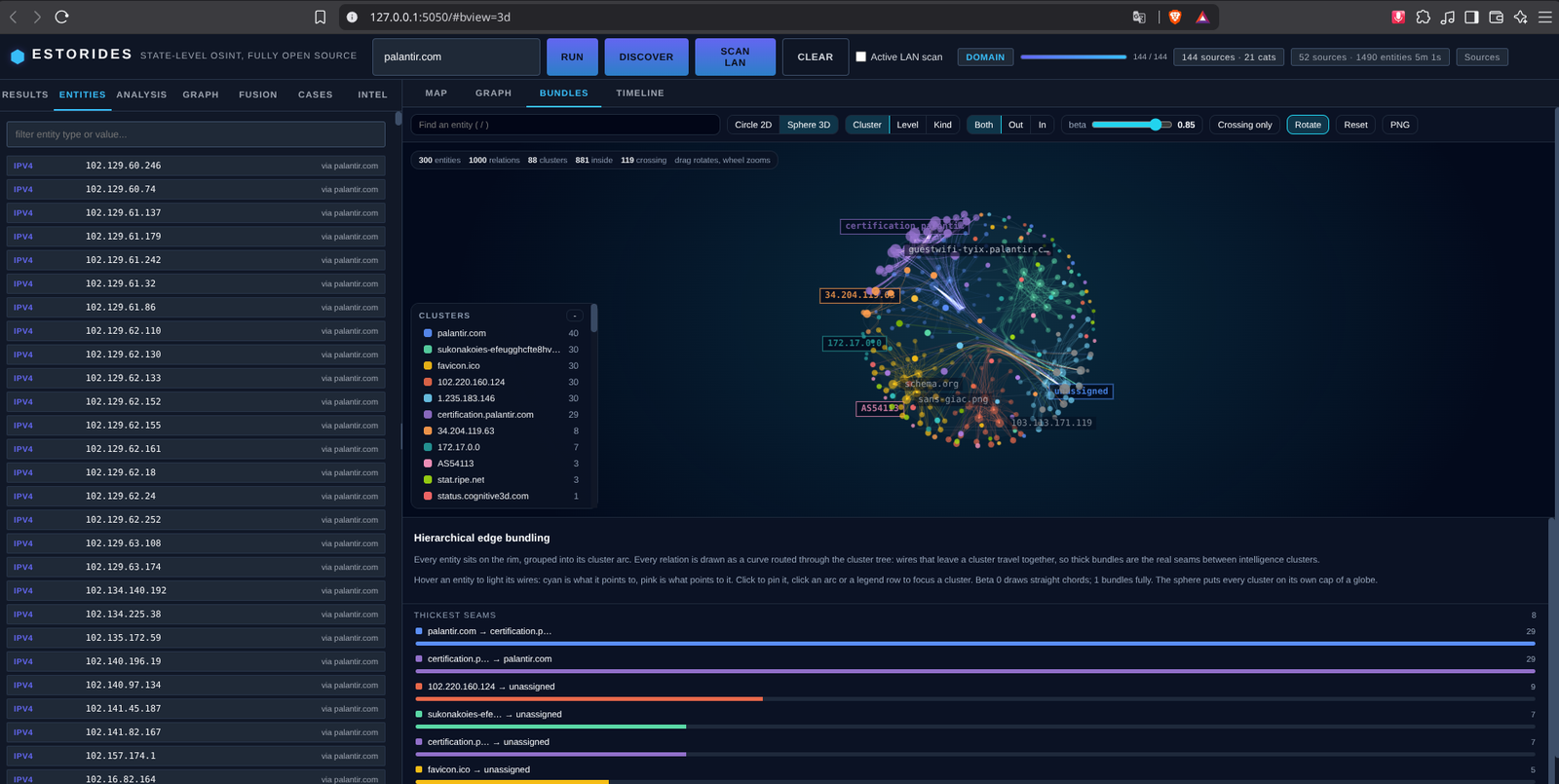
    Aggregates 99+ free OSINT sources in parallel, resolves entities into a knowledge graph, and exports STIX 2.1, MISP, or GraphML with LLM-assisted analysis.

    305
  • 6

    opencti

    opencti-platform/opencti

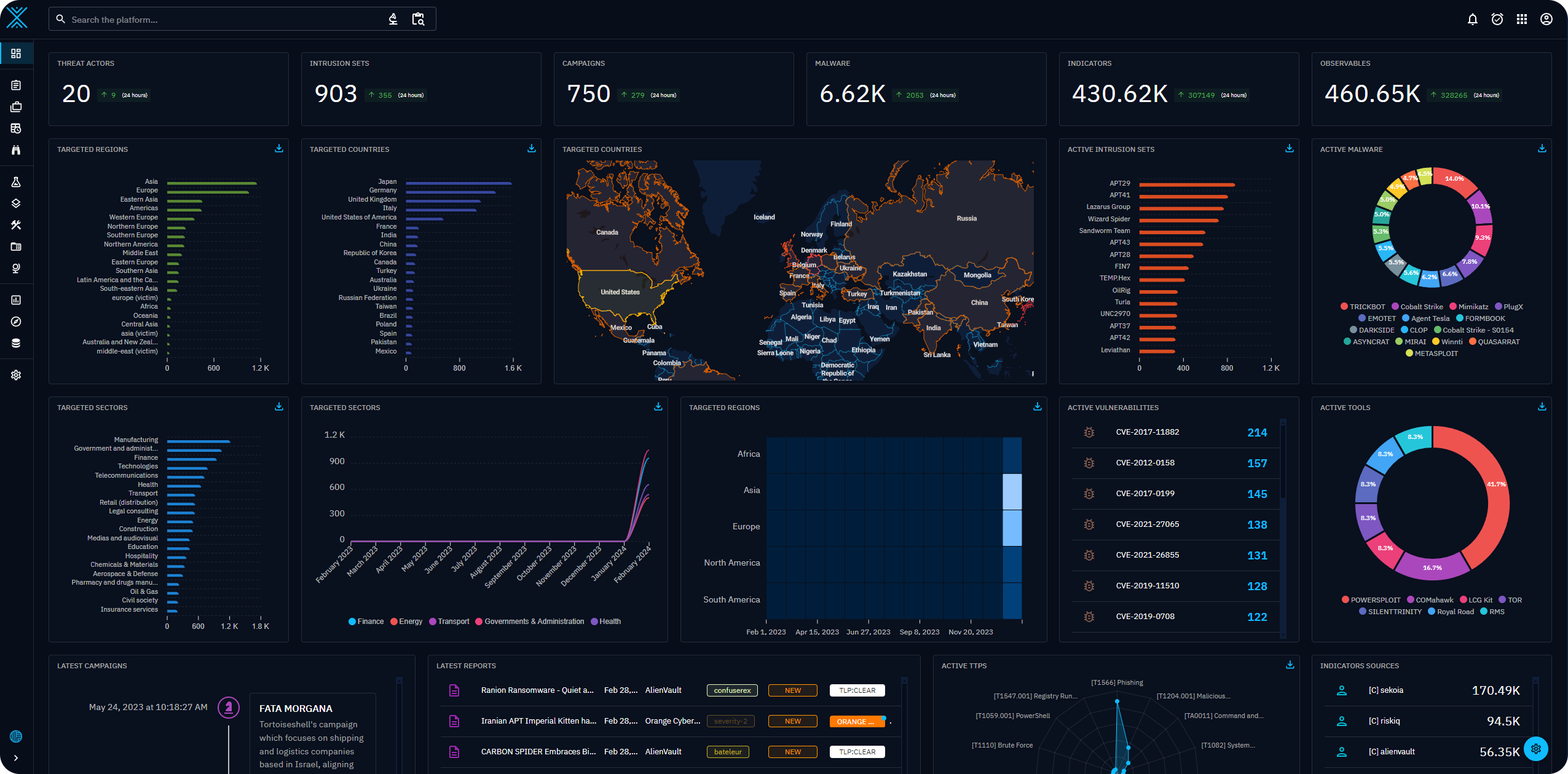
    Open Cyber Threat Intelligence Platform

    275

Explore all tools

Browse our collection of tools

View all tools →