 kaandemir993/vidar-stealer-reverse-engineering
"In-depth reverse engineering analysis of Vidar Stealer 2.0 covering Task Scheduler tampering (1999 timestamps), Explorer.exe process hollowing, and Microsoft Copilot injection."

This analysis covers an in-depth reverse engineering of Vidar Stealer 2.0, a sophisticated information stealer that uses advanced evasion techniques to remain undetected. Key findings include:
One of the most unusual and sophisticated behaviors observed in Vidar Stealer 2.0 is its interaction with the Windows Task Scheduler. The malware does not simply create a new task for persistence—it actively tampers with the timestamps of existing system tasks, setting them to the year 1990.
Key Observations:
OneDrive had their timestamps changed to 6.04.2026 but some were reverted.30.11.1999 00:00:00 (a classic anti-forensic timestamp).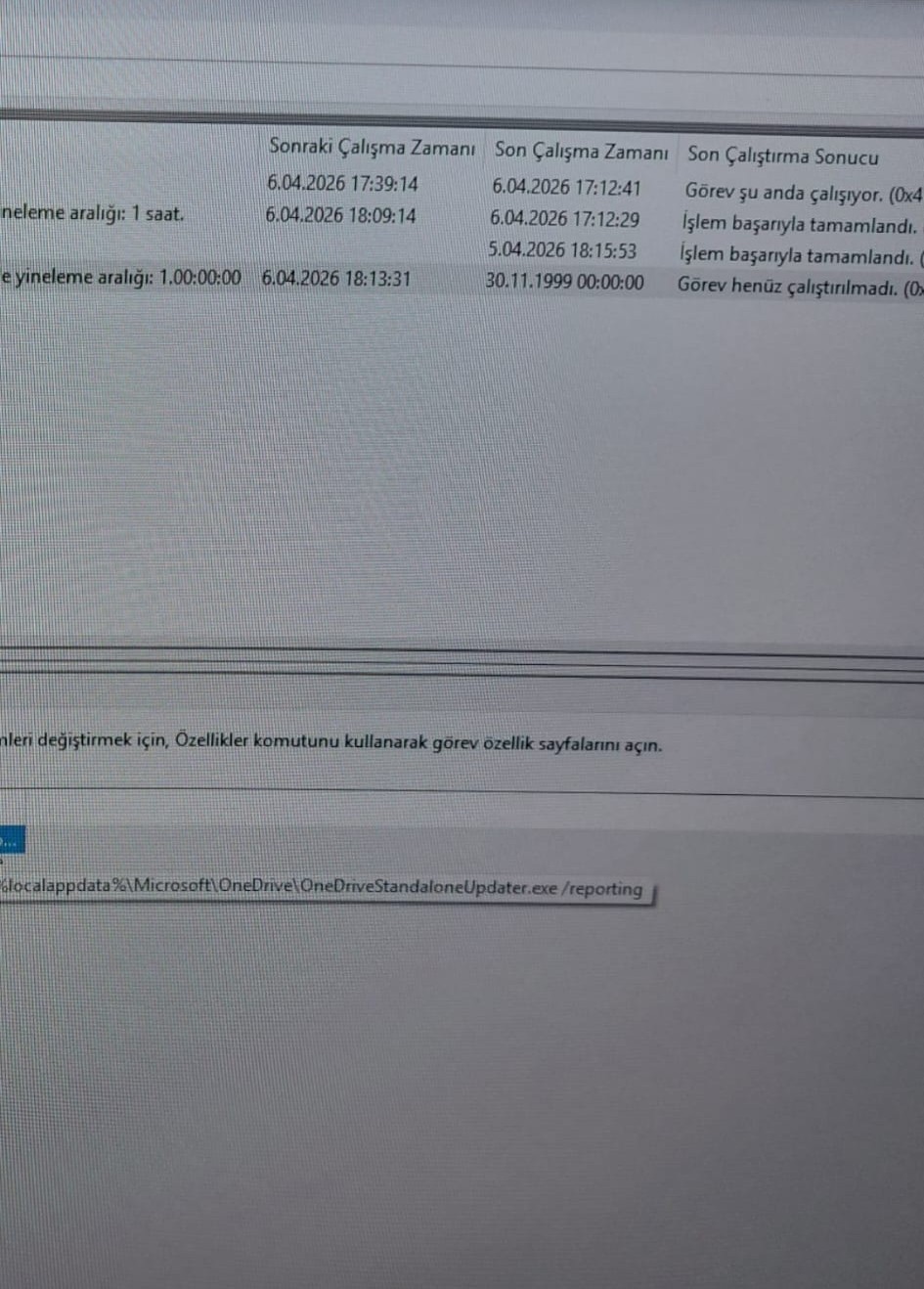
One of the most critical evasion techniques used by Vidar Stealer 2.0 is Process Hollowing on Explorer.exe. This technique allows the malware to execute its malicious code inside a legitimate Windows process, making detection significantly harder.
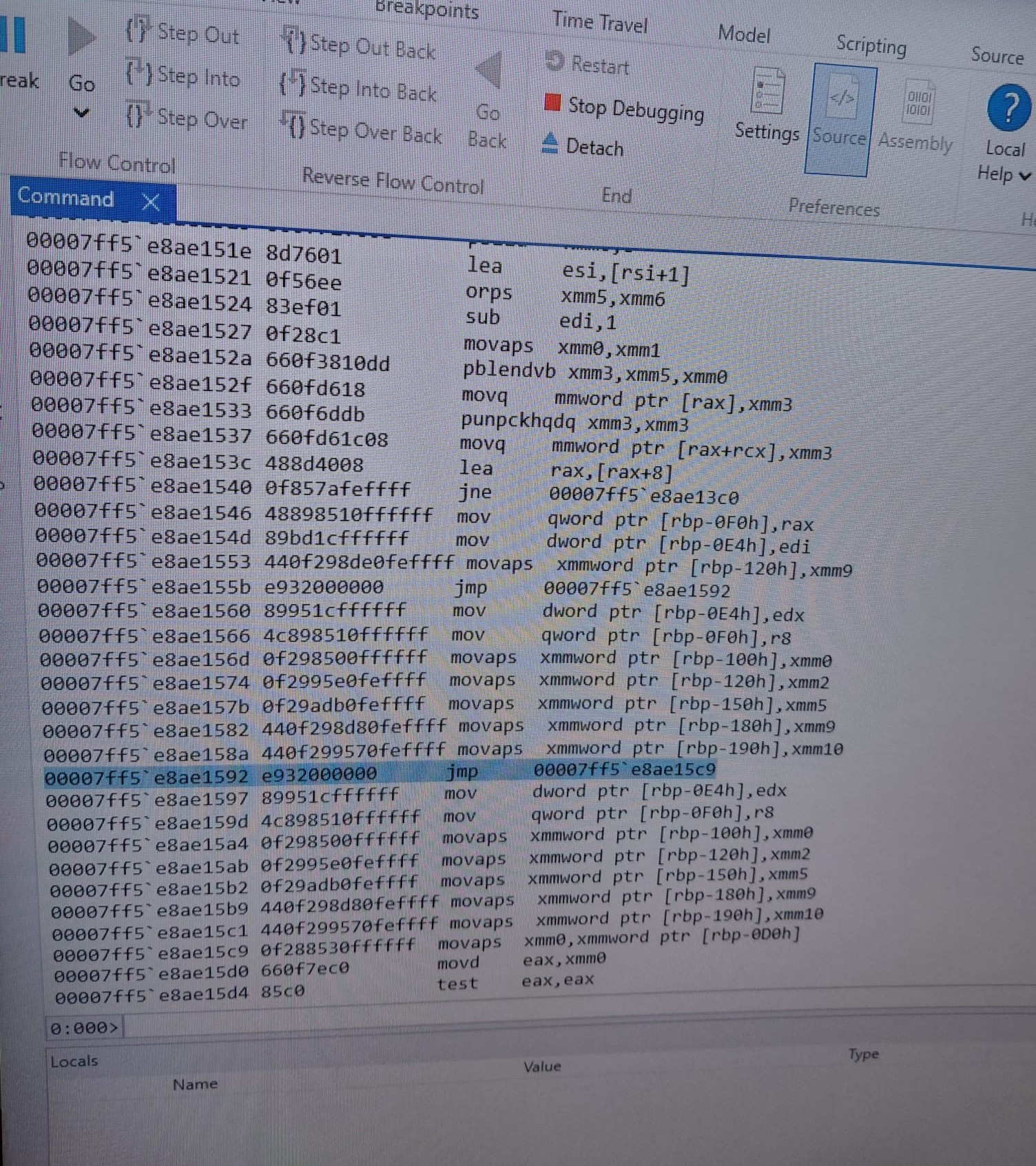
Explorer.exe, a trusted system process.Using WinDbg, we can observe the injected shellcode inside the Explorer process. The memory regions show typical PAGE_EXECUTE_READWRITE permissions, which are uncommon for legitimate Explorer memory.
Key Observations:
PAGE_EXECUTE_READWRITE sections were found in Explorer's address space.What the Image Shows:
The image below is a direct WinDbg dump of the shellcode found inside the PAGE_EXECUTE_READWRITE region of Explorer.exe. The disassembly reveals typical shellcode characteristics: prologue instructions (push, mov), API call patterns (call, jmp), and obfuscated data blocks.
One of the most remarkable findings in this analysis is the injection of Vidar's shellcode into the Microsoft Copilot process. This is a relatively new and highly interesting target, as Copilot is an AI-powered assistant integrated into modern Windows systems.
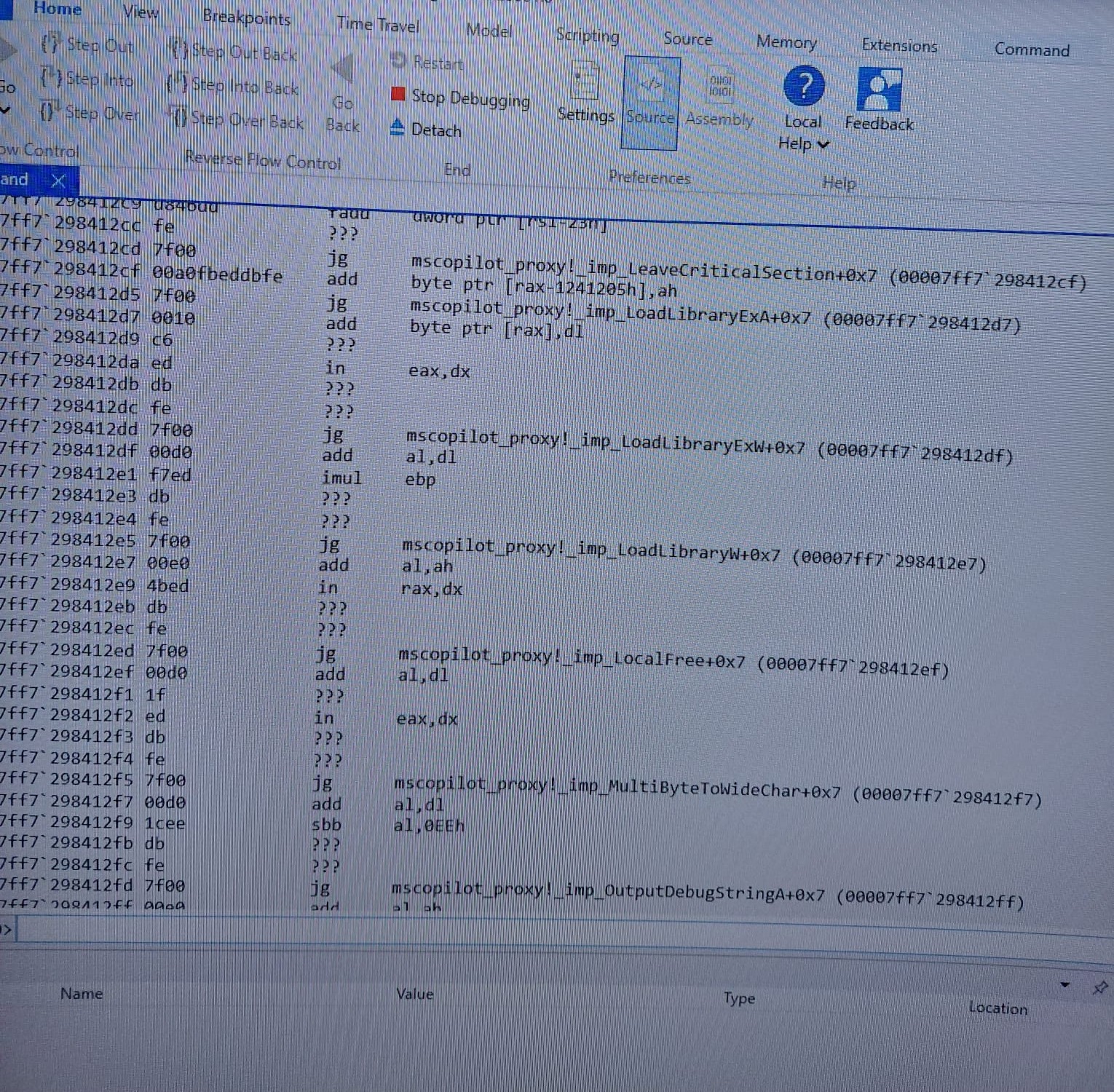
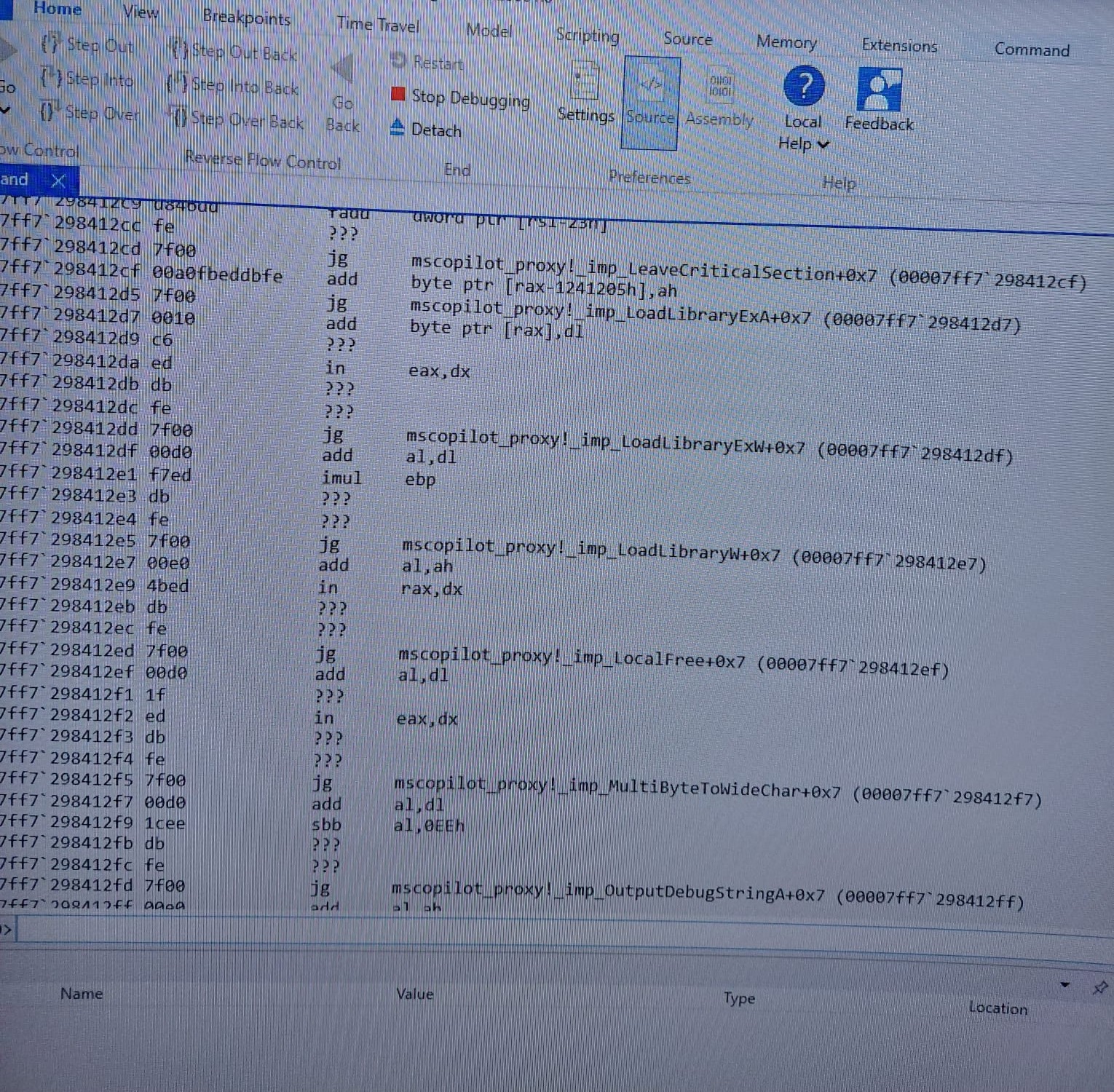
Copilot.exe, a new and trusted Windows process.Initial analysis of the injected code revealed an obfuscated payload, with instructions such as jg, add, and xchg appearing out of context. This is a clear indication of code obfuscation, used to evade static analysis.
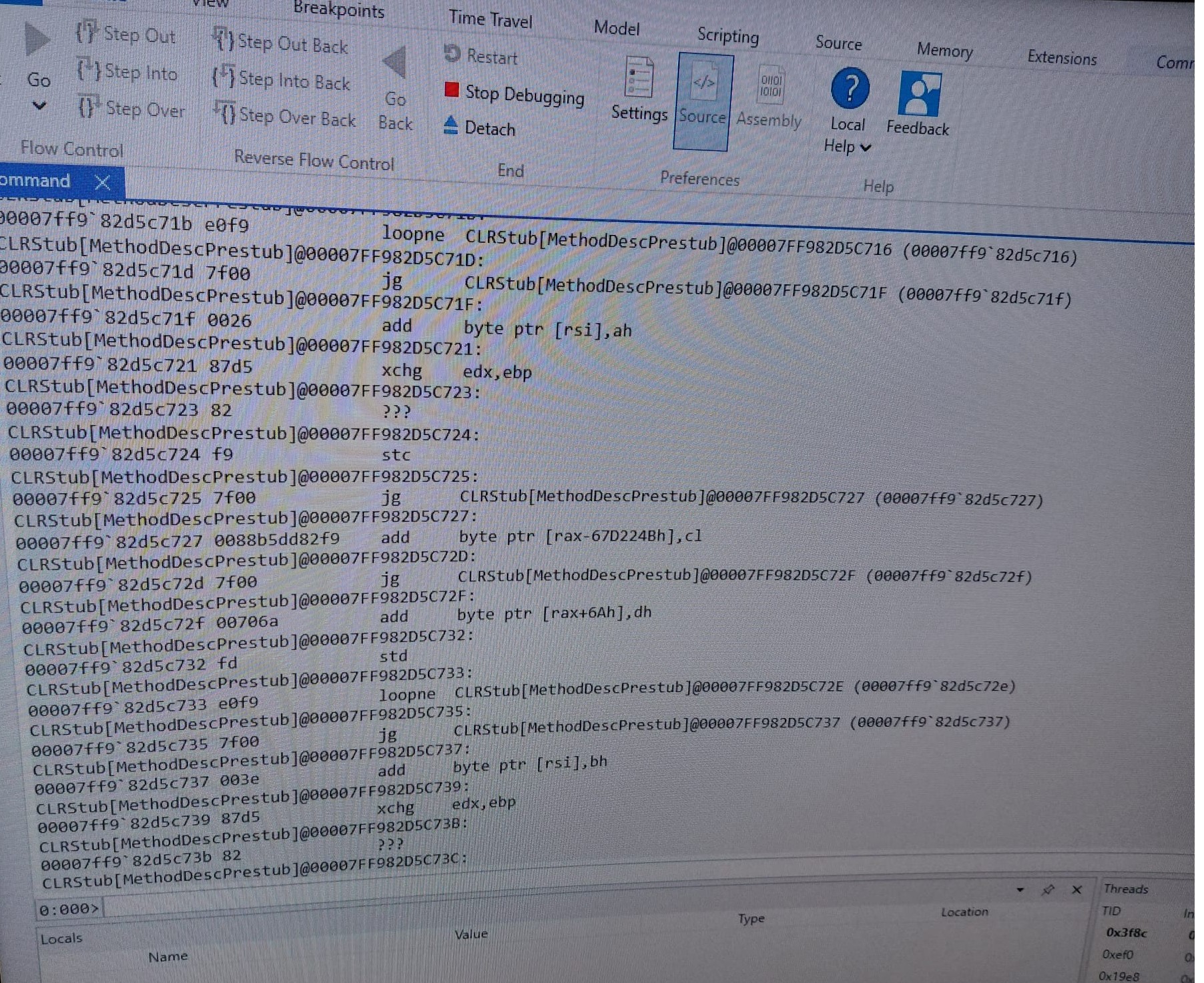
The image below shows a mix of clear API calls and obfuscated code. The resolved functions include:
LoadLibraryExW – Used to load additional DLLs.LoadLibraryW – Standard DLL loading.LocalFree – Memory management.MultiByteToWideChar – String conversion (commonly used in malware for data exfiltration).The unresolved sections (???, jg add, etc.) indicate areas where Windbg could not fully decode the obfuscated code, highlighting the complexity of Vidar's evasion techniques.
Vidar Stealer 2.0 is a prime example of how modern information stealers have evolved to become highly sophisticated and resilient. This analysis uncovered several advanced techniques that set it apart from typical malware:
LoadLibrary and MultiByteToWideChar confirms its ability to load additional modules and exfiltrate data.The analyzed sample is available on MalwareBazaar for those who wish to conduct their own analysis:
🔗 Vidar Stealer 2.0 Sample on MalwareBazaar
Vidar Stealer 2.0 represents a new generation of information stealers that are not only focused on data theft but also on staying undetected. Its ability to tamper with system tasks, inject into trusted processes, and target new Windows features like Copilot demonstrates a deep understanding of modern security controls.
Understanding these techniques is crucial for defenders to build better detection rules and security measures against evolving threats.
