 #1
Adversary simulation, red team infrastructure, C2 frameworks, and operational security tools.
Kitploit recommended
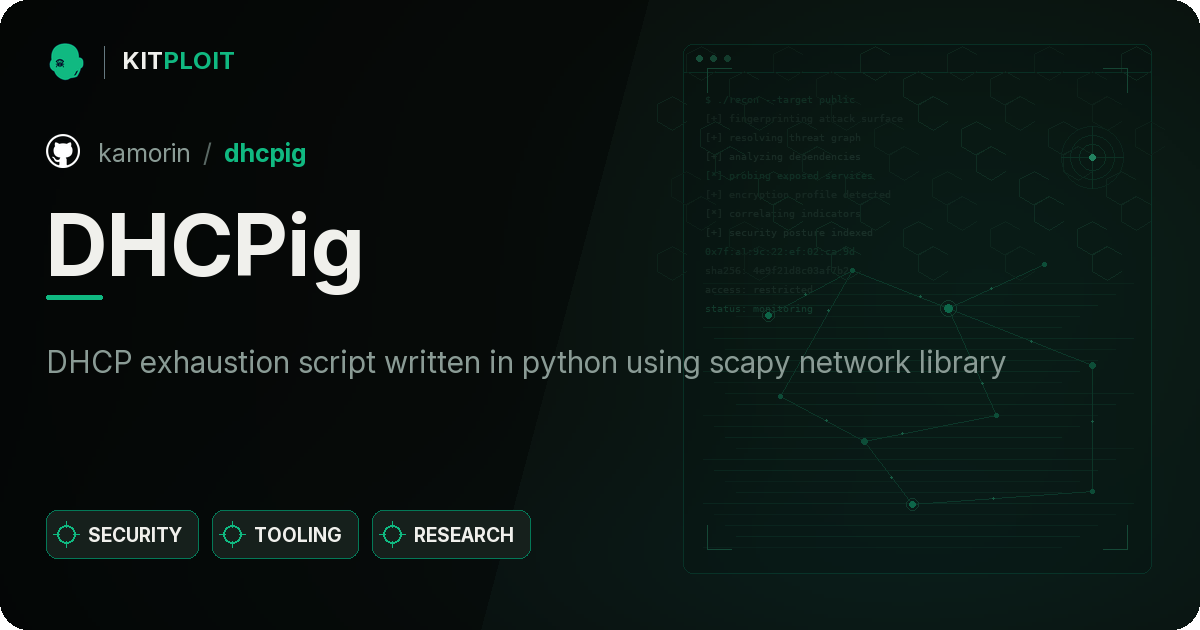
 kamorin/dhcpig
DHCP exhaustion script written in python using scapy network library
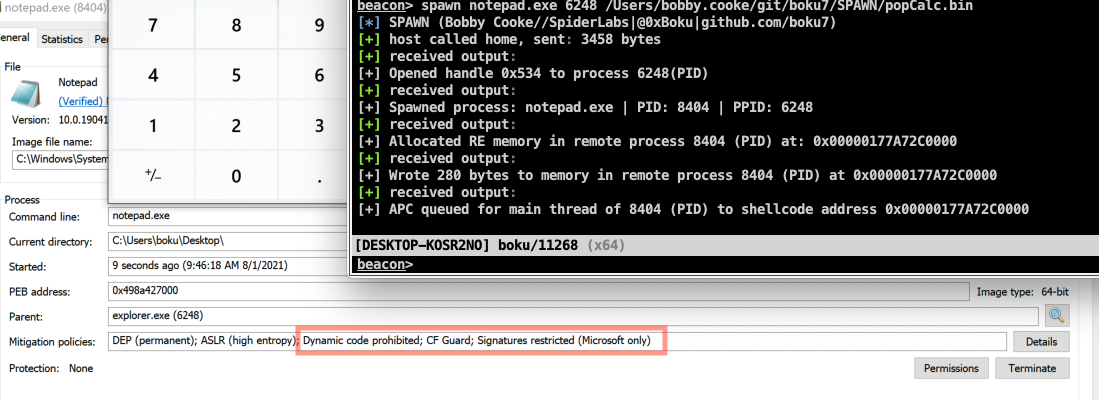 boku7/spawn
Cobalt Strike BOF that spawns a sacrificial process, injects it with shellcode, and executes payload. Built to evade EDR/UserLand hooks by spawning…
 mhaskar/dnsstager
Hide your payload in DNS
 pegasuslab/ghosttunnel
Covert backdoor transmission tool using 802.11 probe request and beacon frames for isolated network attacks. Delivers payloads via HID devices,…
 theqmaks/phantom-frida
Build anti-detection Frida server from source. ~90 patches covering 16 detection vectors, weekly auto-builds with random names.
 eerykitty/cve-2020-0796-poc
PoC for triggering buffer overflow via CVE-2020-0796

 justicerage/freedomfighting
A collection of scripts which may come in handy during your freedom fighting activities.
 brannondorsey/whonow
A "malicious" DNS server for executing DNS Rebinding attacks on the fly (public instance running on rebind.network:53)
 arno0x/csharpscripts
C# offensive scripts for reflective PE and shellcode injection, in-memory payload execution, XOR brute-force shellcode decryption, and .NET assembly…
 tyeurada/edrevasionworkshop
Workshop materials for “Step-by-Step Malware Development: Evading EDR from Loaders to the Kernel” presented at DEF CON 34 and BSidesLV 2026. Covers…
 quickbreach/smbetray
SMB MiTM tool with a focus on attacking clients through file content swapping, lnk swapping, as well as compromising any data passed over the wire in…
 jas502n/cve-2020-5902
Proof-of-concept exploit for CVE-2020-5902, a directory traversal and remote code execution vulnerability in F5 BIG-IP TMUI. Includes file read,…
 synacktiv/grouppolicybackdoor
Group Policy Objects manipulation and exploitation framework
 xm0kht4r/ven0m-ransomware
Fully undetectable and evasive ransomware written in Rust, leveraging a BYOVD technique to disable AV/EDR solutions on the infected systems.
 felixweyne/imaginaryc2
Imaginary C2 is a python tool which aims to help in the behavioral (network) analysis of malware. Imaginary C2 hosts a HTTP server which captures…
 lumoslab-innovation/openhunterai
Local-first AI red team for web, API, and LLM application security. Attacker-style reasoning, evidence-backed findings, and skills for AI coding…
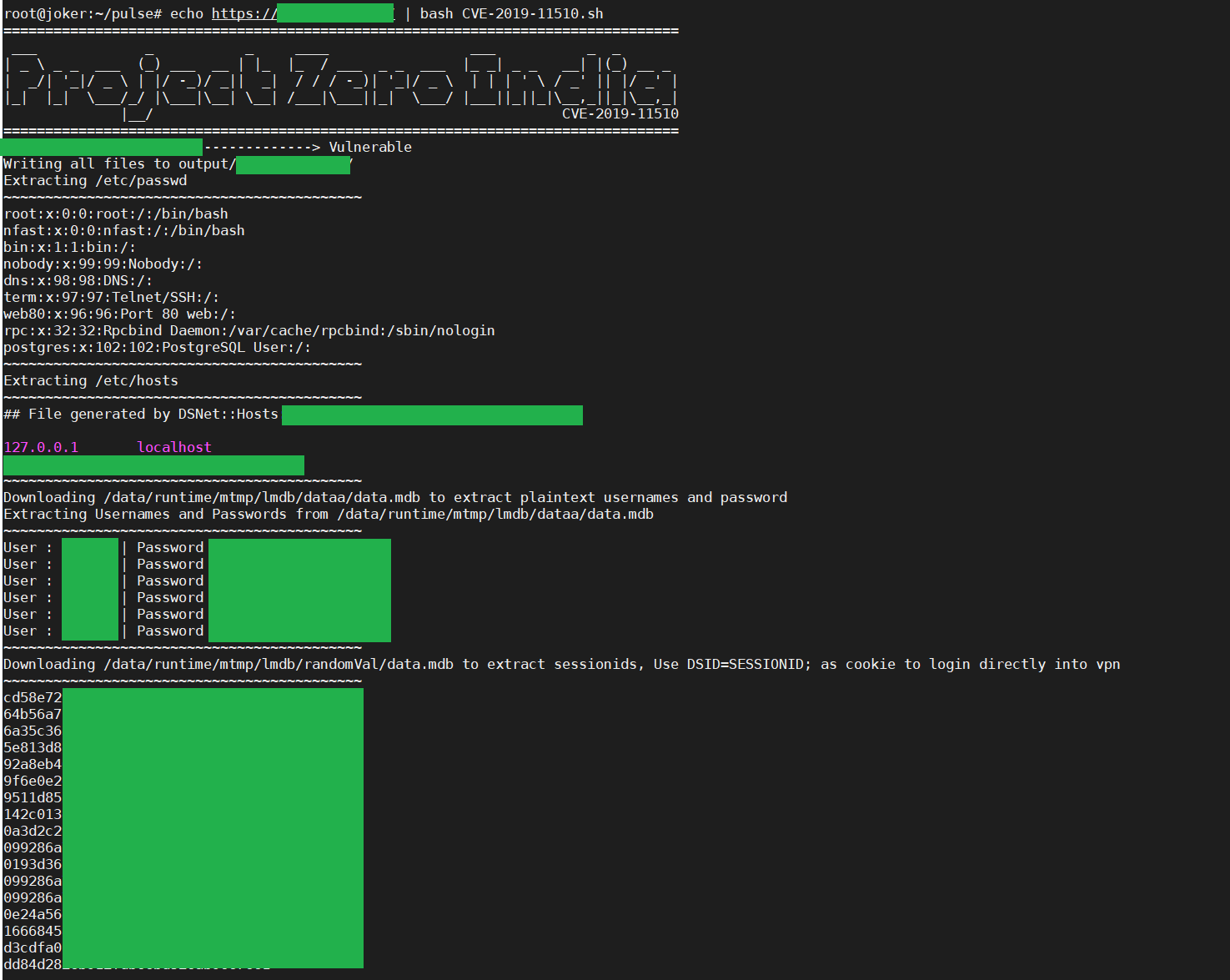 projectzeroindia/cve-2019-11510
Exploit for Arbitrary File Read on Pulse Secure SSL VPN (CVE-2019-11510)