
Skip to content
KitploitKITPLOIT
ToolsBlog
Einreichen
ToolsBlog
Einreichen

Hacking-, PenTest- und Cybersicherheits-Tools für Ihr Sicherheitsarsenal!

Kitploit ist ein Verzeichnis von Hacking-, Cybersicherheits- und Pentesting-Tools. Entdecken Sie die neuesten Projekt-Updates, um Schwachstellen zu finden, Systeme zu analysieren, Tests zu automatisieren und Ihre Sicherheit zu stärken.

··Feeds·Kontakt·Datenschutz·© 2026 Kitploit

Tool-Verzeichnis

Kategorien

Alle Kategorien anzeigen
Loading categories
ExtensionSpoofer — Spoof file icons and extensions in Windows | Kitploit
Tools/GitHubGitHub/henriksb/extensionspoofer
Phishing ToolsIDS/IPS EvasionImpersonation ToolsMalware AnalysisSocial EngineeringPayload Development
GitHubhenriksb/extensionspoofer

ExtensionSpoofer

Spoof file icons and extensions in Windows

Repository anzeigen
18764vor 27 TagenVon Kitploit geprüft

Beliebteste

Alle anzeigen →

Entdecken Sie die meistgenutzten Tools unserer Community.

Alle Tools erkunden

Durchsuchen Sie unsere Tool-Sammlung

Alle Tools anzeigen →
Teilen
Inhalt in der angeforderten Sprache nicht verfügbar. Englische Version wird angezeigt.

ExtensionSpoofer

ExtensionSpoofer is a Visual Basic .NET desktop app that demonstrates how file names and icons can be visually manipulated on Windows while the underlying executable file type remains unchanged.

It uses the Unicode Right-to-Left Override character (U+202E) to reverse displayed characters in part of the file name and can swap the executable icon to match a chosen spoofed extension.

How it works (example)

Original file name:

test_application[RIGHT_TO_LEFT_OVERRIDE]gnp.exe

Displayed in Explorer as:

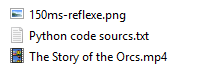
test_applicationexe.png

The file still executes as an executable format.

Supported source executable extensions

  • .exe
  • .scr
  • .com

Note: .com icon replacement is not always supported by the Windows shell.

Usage

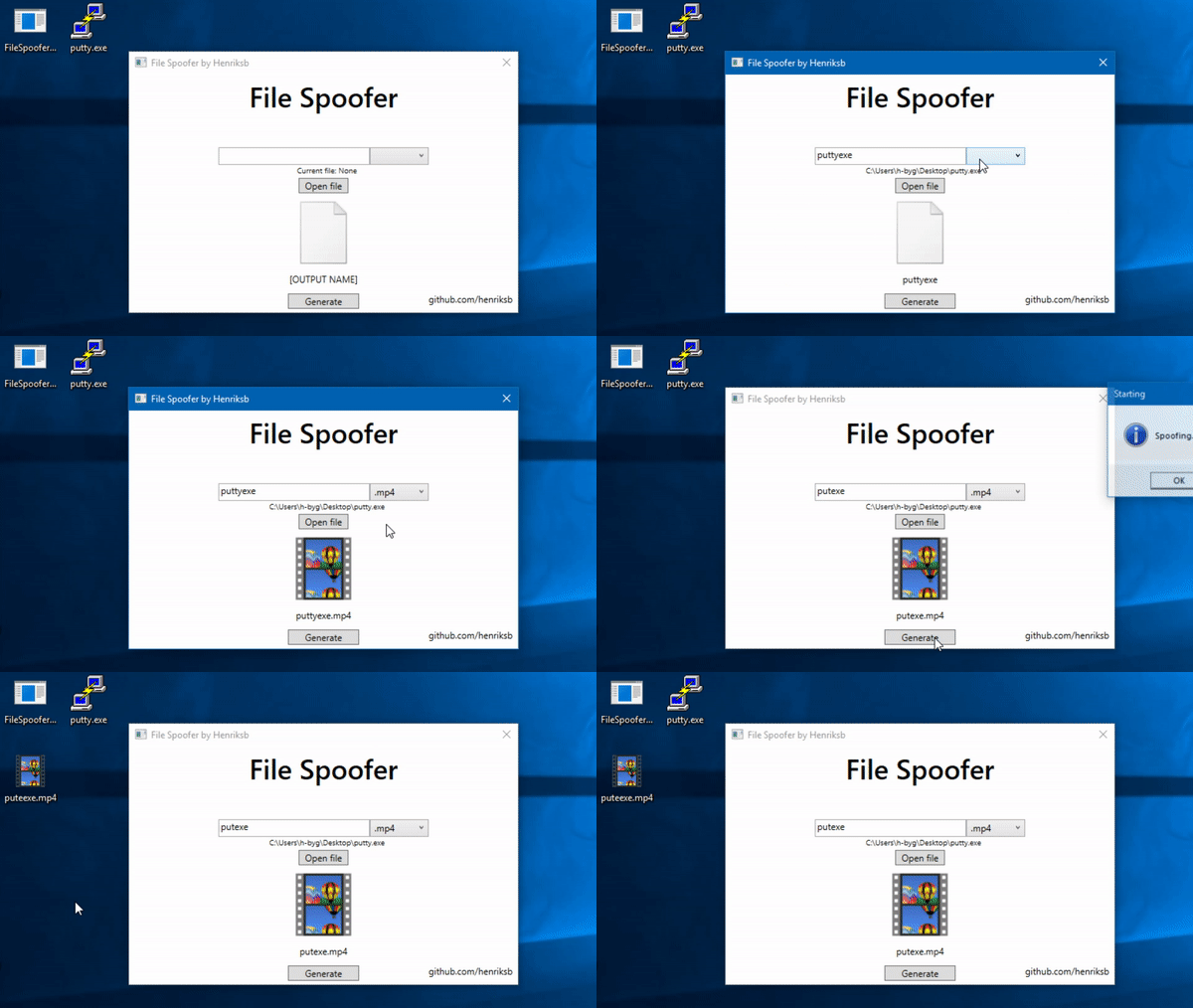
  1. Download the precompiled executable from the latest release.
  2. Place the executable next to the Win10Icons folder (or choose a custom icon folder at startup).
  3. Open an executable file.
  4. Enter a file name, choose source extension and spoof extension.
  5. Generate the spoofed file name.

Icon requirements

  • Icon files must be valid .ico files.
  • Renaming .png, .jpg, or other formats to .ico is not sufficient.
  • Each icon file should be named after the target display extension (for example pdf.ico, txt.ico).

Educational use and safety notice

This project is intended for education and awareness: for example, showing students why file names and icons alone are not trustworthy security indicators.

Always use responsibly and only in authorized environments.
Screenshots

Usage animation Spoofed file examples

Tool herunterladen