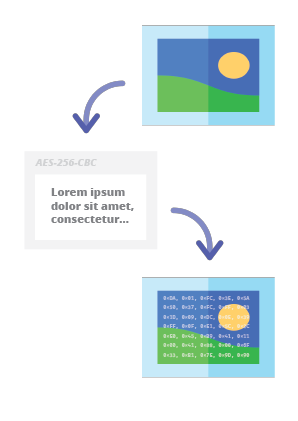
 pelock/steganography-online-codec-javascript
스테가노그래피 온라인 코덱을 사용하면 256비트 PBKDF2 파생 키를 사용하는 AES 암호화 알고리즘으로 이미지 및 사진 내부에 비밀번호로 암호화된 메시지를 숨길 수 있습니다.

스테가노그래피 온라인 코덱(Steganographic Online Codec) 을 사용하면 AES 암호화 알고리즘과 256비트 PBKDF2 파생 키를 사용하여 이미지 및 사진 내부에 비밀번호로 암호화된 메시지를 숨길 수 있습니다.
다음 사이트에서 무료로 사용할 수 있습니다:
https://www.pelock.com/products/steganography-online-codec
이 SDK는 WebAPI 인터페이스를 통해 코덱과 그 인코딩 및 디코딩 기능에 대한 프로그래밍 방식의 접근을 제공합니다.
스테가노그래피는 겉보기에는 무해해 보이는 다른 이미지 파일 내에 메시지를 삽입하여 정보를 숨기는 기술과 과학을 설명하는 용어입니다.
이 경우, 암호화된 숨겨진 메시지의 개별 비트는 선택한 이미지의 픽셀에 있는 RGB 색상 구성 요소의 최하위 비트(LSB)로 저장됩니다.
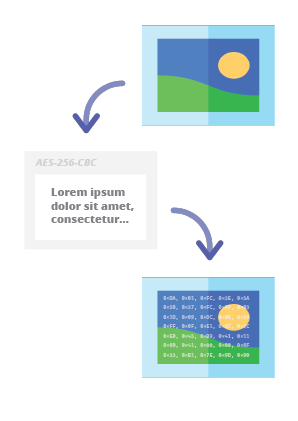
당사의 스테가노그래피 인코더를 사용하면 모든 텍스트 메시지를 안전한 방식으로 이미지에 숨기고 의심을 불러일으키지 않고 보낼 수 있습니다. 올바른 복호화 비밀번호를 제공한 후에만 메시지를 읽을 수 있습니다.
Web API SDK 설치의 권장 방법은 NPM(Node Package Manager)을 통한 것입니다.
다음을 실행하세요:
npm i steganography-online-codec
또는 package.json의 dependencies 섹션에 다음 항목을 직접 추가하세요:
  "dependencies": {
    "steganography-online-codec": "latest"
  },
설치 패키지는 https://www.npmjs.com/package/steganography-online-codec 에서 확인할 수 있습니다.
설치 패키지는 여러 인기 프로그래밍 언어의 저장소에 업로드되었으며 해당 소스 코드는 GitHub에 게시되었습니다:
| 저장소 | 언어 | 설치 | 패키지 | GitHub |
|---|---|---|---|---|
 | Python | pip install steganography-online-codec 실행 | PyPI | 소스 |
 | JavaScript, TypeScript | npm i steganography-online-codec 실행 또는 package.json의 dependencies 아래에 "steganography-online-codec": "latest" 추가 | NPM | 소스 |
 | Rust | cargo add steganography-online-codec 실행 또는 Cargo.toml에 steganography-online-codec = "1" 추가 (선택 사항: 미출시 또는 벤더 빌드의 경우 git / path) | crates.io | 소스 |
Python 모듈을 사용하고 싶지 않다면 파일에서 직접 가져올 수 있습니다:
from pelock.steganography_online_codec import *
"use strict";

/******************************************************************************
 *
 * Steganography Online Codec WebApi interface usage example.
 *
 * In this example shows how to hide an encrypted secret message in an image file.
 *
 * Version      : v1.00
 * Language     : JavaScript
 * Author       : Bartosz Wójcik (original example)
 * Project      : https://www.pelock.com/products/steganography-online-codec
 * Homepage     : https://www.pelock.com
 *
 * @link https://www.pelock.com/products/steganography-online-codec
 * @copyright Copyright (c) 2020-2025 PELock LLC
 * @license Apache-2.0
 *
/*****************************************************************************/

// include Steganography Online Codec module
import { SteganographyOnlineCodec, Errors } from 'steganography-online-codec';
// or if tested locally use:
//import { SteganographyOnlineCodec, Errors } from '../src/SteganographyOnlineCodec.mjs';

// create Steganography Online Codec class instance (we are using our activation key)
const mySteganographyOnlineCodec = new SteganographyOnlineCodec('YOUR-WEB-API-KEY');

// encode a hidden message (encrypted with your password) within an image file
(async () => {

	const inputFile = 'input_file.jpg';
	const secretMessage = 'Secret message';
	const password = 'Pa$$word';
	const outputFile = 'output_file_with_hidden_secret_message.png';

	try {
		const result = await mySteganographyOnlineCodec.encode(inputFile, secretMessage, password, outputFile);

		// result object holds the encoding results as well as other information
		console.log('Secret messaged encoded and saved to the output PNG file.');
	} catch (err) {
		console.error('Encoding failed:', err.error_message || err.message || String(err));
	}
})();
"use strict";

/******************************************************************************
 *
 * Steganography Online Codec WebApi interface usage example.
 *
 * In this example, we will see how to hide an encrypted message in an
 * image file using our codec.
 *
 * Version      : v1.00
 * Language     : JavaScript
 * Author       : Bartosz Wójcik
 * Project      : https://www.pelock.com/products/steganography-online-codec
 * Homepage     : https://www.pelock.com
 *
 * @link https://www.pelock.com/products/steganography-online-codec
 * @copyright Copyright (c) 2020-2025 PELock LLC
 * @license Apache-2.0
 *
 /*****************************************************************************/

// include Steganography Online Codec module
import { SteganographyOnlineCodec, Errors } from 'steganography-online-codec';
// or if tested locally use:
//import { SteganographyOnlineCodec, Errors } from '../src/SteganographyOnlineCodec.mjs';


// create Steganography Online Codec class instance (we are using our activation key)
const mySteganographyOnlineCodec = new SteganographyOnlineCodec('YOUR-WEB-API-KEY');

// encode a hidden message within the source image file
(async () => {
	// full version image size limit is set to 10 MB (demo 50 kB max)
	// supported image formats are PNG, JPG, GIF, BMP, WBMP, GD2, AVIF, WEBP (mail me for more)
	const inputFilePath = 'input_file.webp';

	// full version message size is unlimited (demo 16 chars max)
	const secretMessage = 'Secret message';

	// full version password length is 128 characters max (demo 8 chars max)
	const password = 'Pa$$word';

	// where to save encoded image with the secret message
	const outputFilePath = 'output_file_with_hidden_secret_message.png';

	try {
		// encode a hidden message (encrypted with your password) within an image file
		const result = await mySteganographyOnlineCodec.encode(inputFilePath, secretMessage, password, outputFilePath);

		// result object holds the encoding results as well as other information
		const versionType = result.license && result.license.activationStatus ? 'full' : 'demo';
		console.log(`You are running in ${versionType} version`);

		console.log(`Secret messaged encoded and saved to ${outputFilePath}`);
		if (result.license && result.license.usagesCount !== undefined) {
			console.log(`Remaining number of usage credits - ${result.license.usagesCount}`);
		}
	} catch (err) {
		const errorCode = err.error;
