 orange-cyberdefense/graphcat
Genera grafici e diagrammi basati sul risultato del cracking delle password.

Script semplice per generare grafici e diagrammi dal potfile e ntds di hashcat (e john).
git clone https://github.com/Orange-Cyberdefense/graphcat
cd graphcat
pip install .
$ graphcat.py -h
usage: graphcat.py [-h] -potfile hashcat.potfile -hashfile hashfile.txt [-john] [-format FORMAT] [-export-charts] [-output-dir OUTPUT_DIR] [-debug]

Password Cracking Graph Reporting

options:
  -h, --help            show this help message and exit
  -potfile hashcat.potfile
                        Hashcat Potfile
  -hashfile hashfile.txt
                        File containing hashes (one per line)
  -john                 John potfile
  -format FORMAT        hashfile format (default 3): 1 for hash; 2 for username:hash; 3 for secretsdump (username:uid:lm:ntlm)
  -export-charts        Output also charts in png
  -output-dir OUTPUT_DIR
                        Output directory
  -debug                Turn DEBUG output ON
Graphcat ha bisogno solo di un potfile con -potfile (l'impostazione predefinita è hashcat, ma puoi usare -john per inviare un potfile di John) e di un hashfile con -hashfile. L'hashfile deve essere in uno dei 3 formati disponibili con il flag -format. L'impostazione predefinita è Secretsdump.
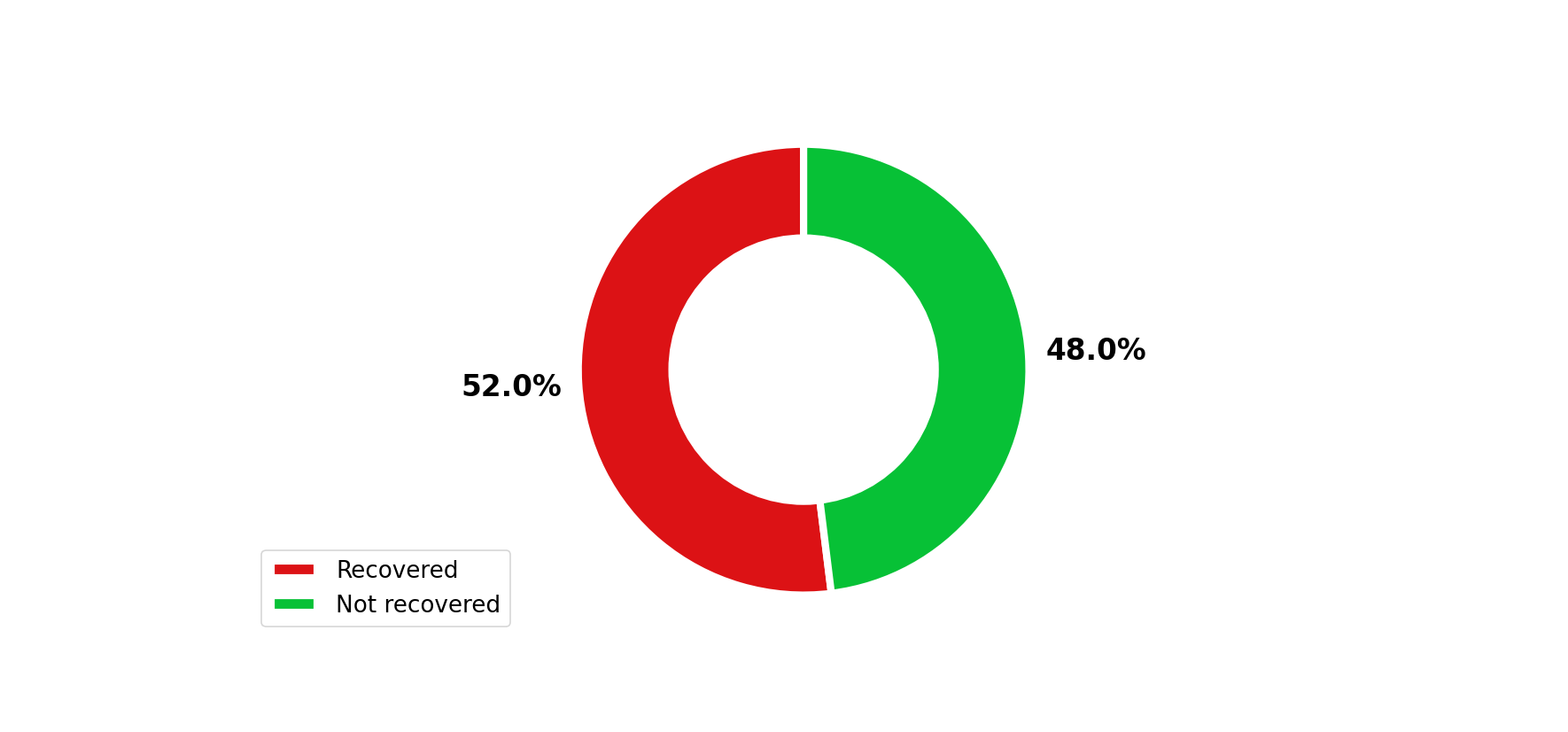
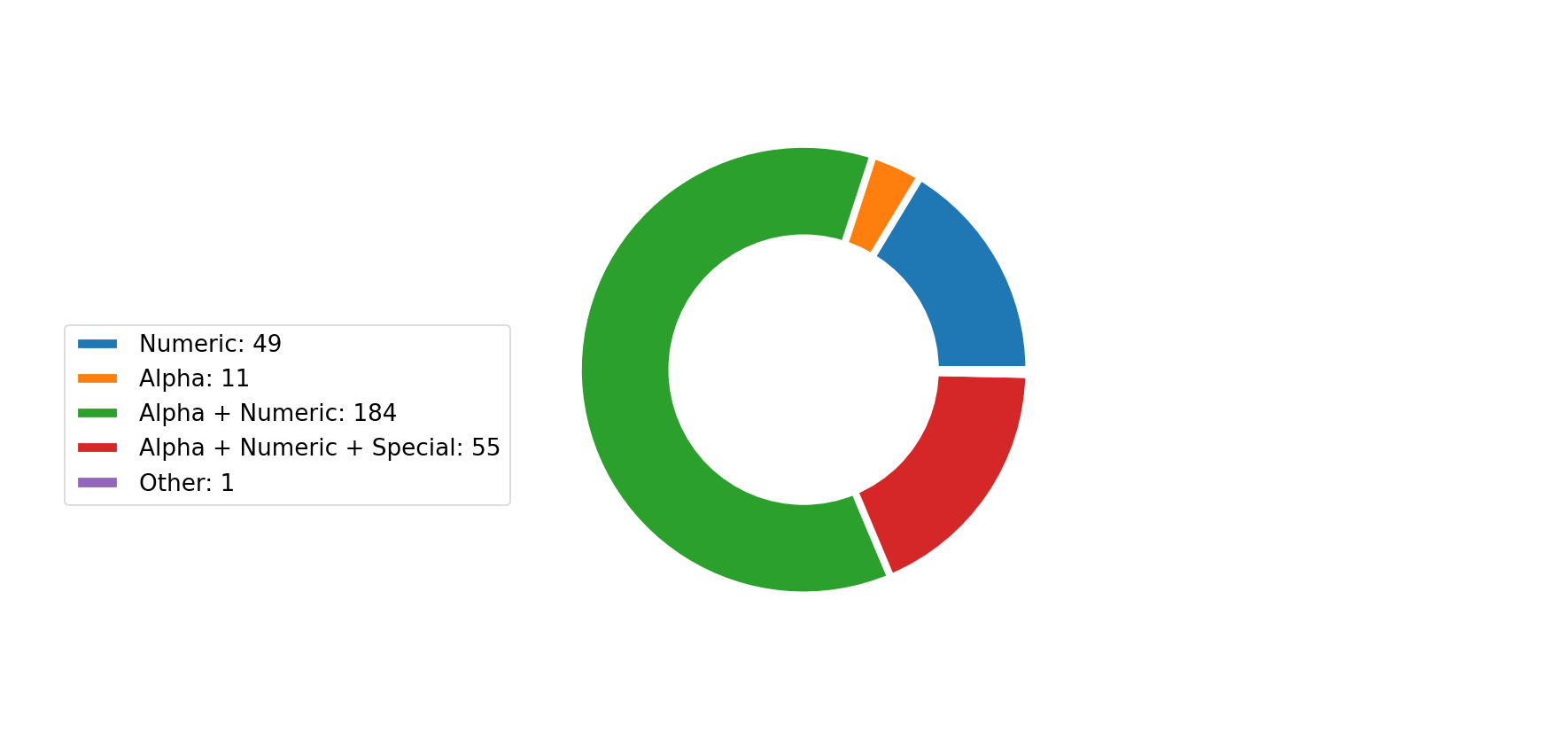
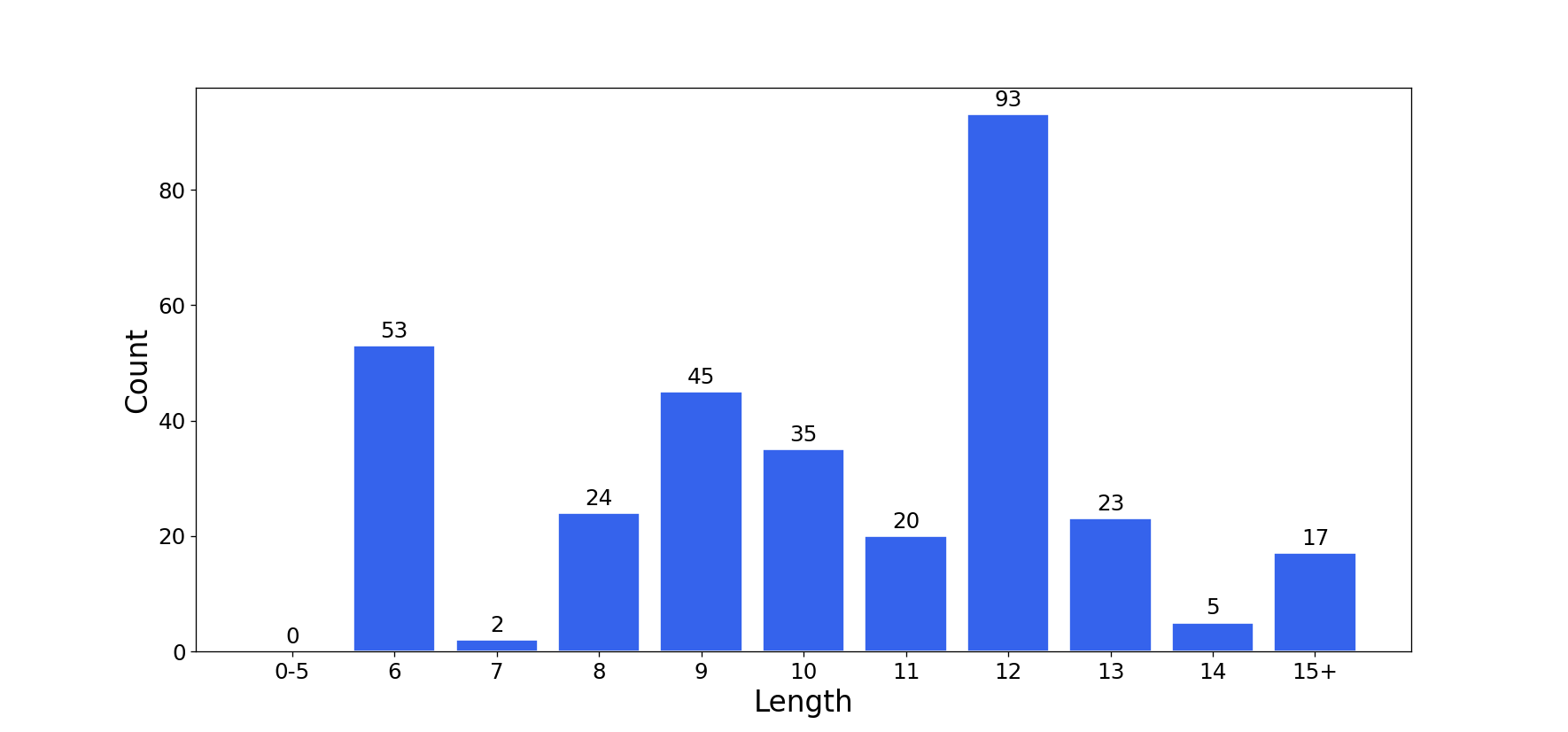
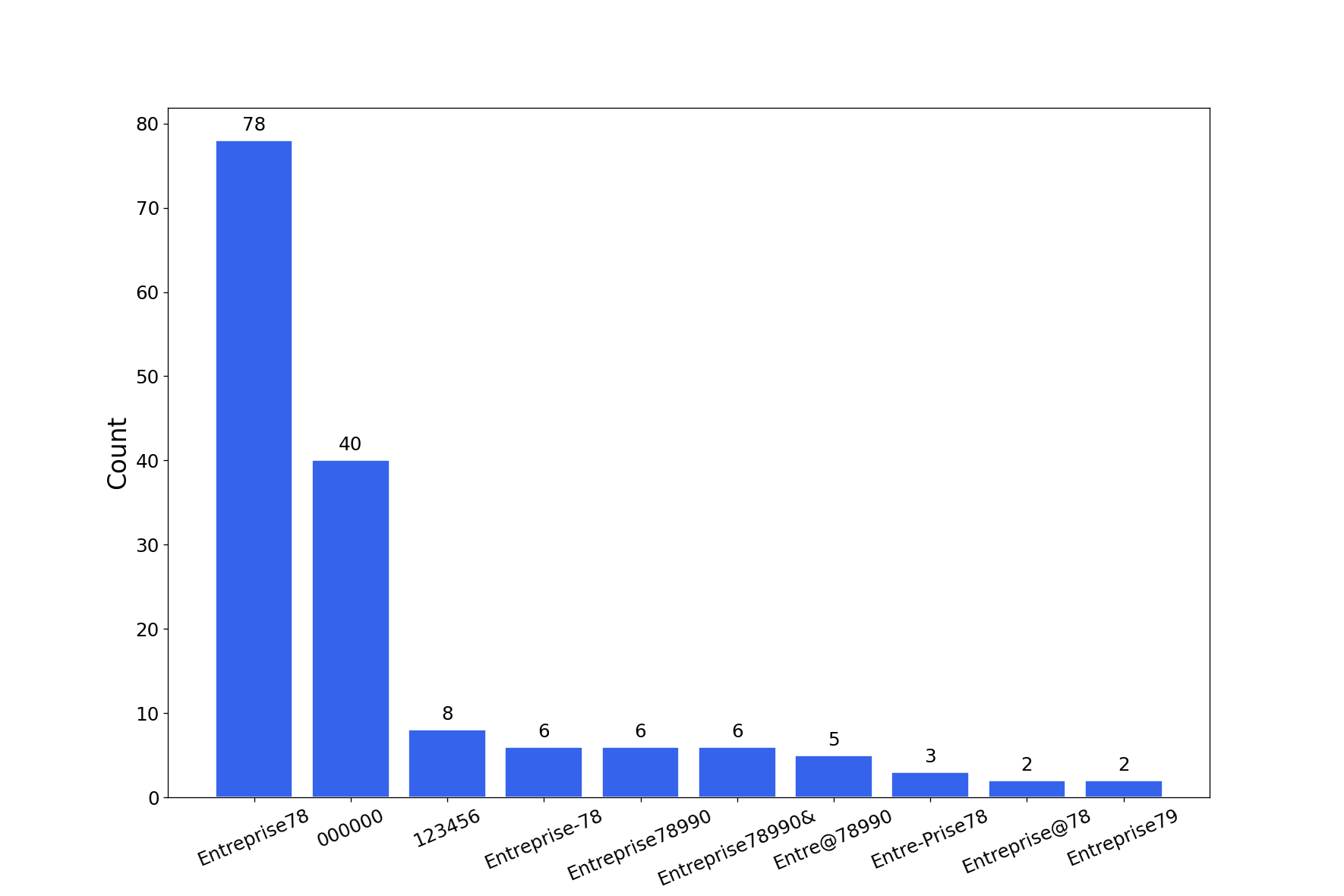
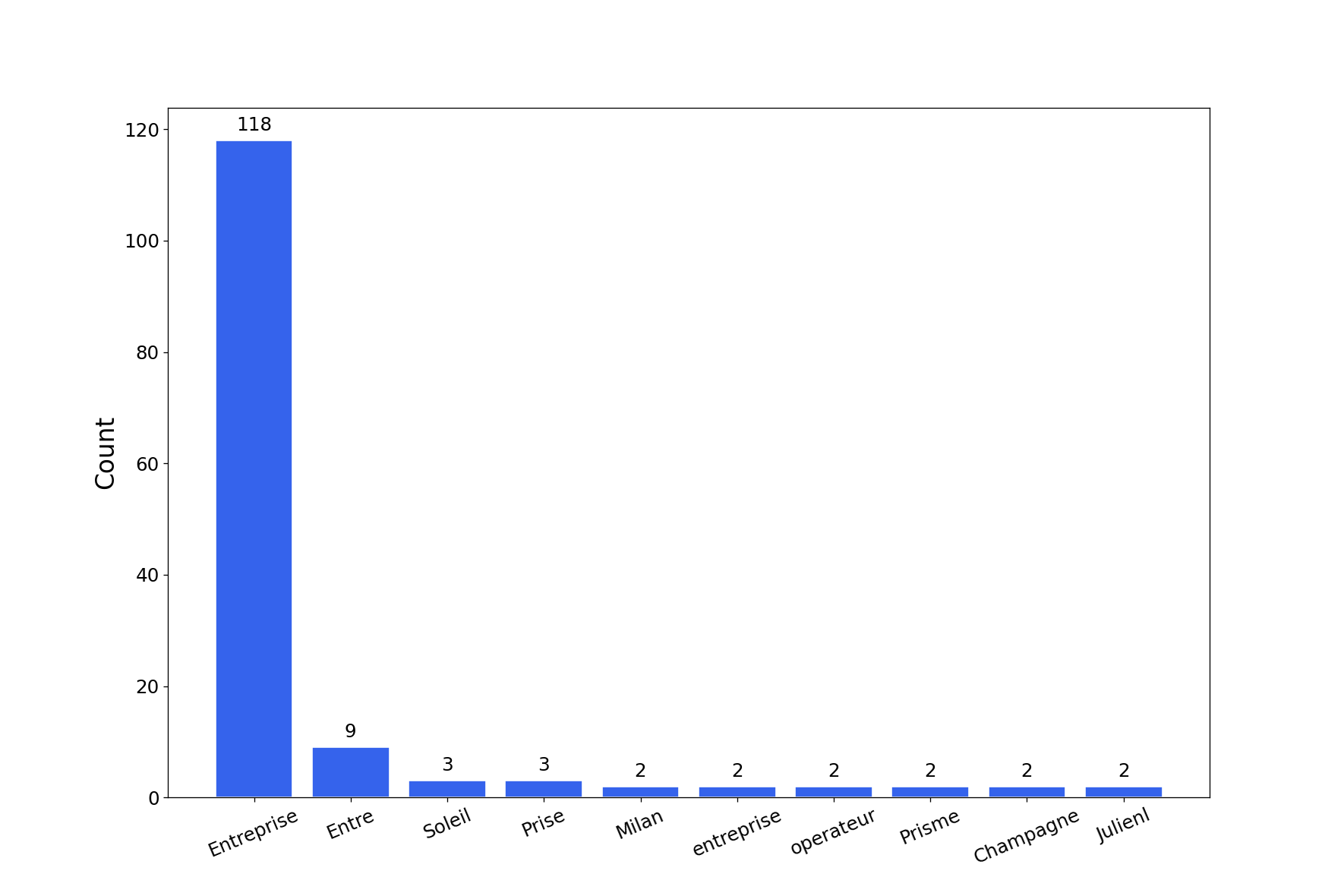
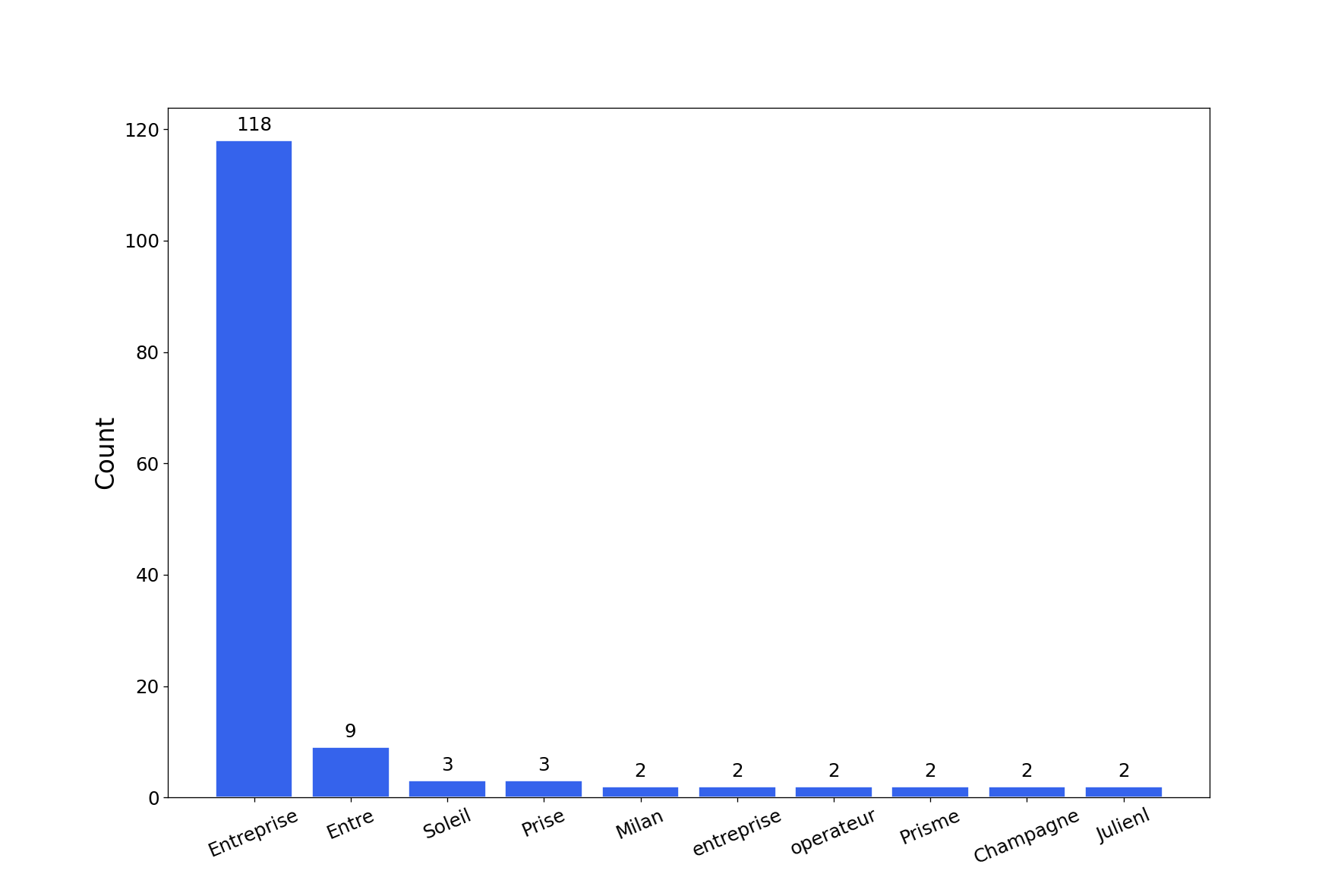
Lo strumento genererà un report con diversi grafici di cracking delle password. Puoi ottenere i grafici in png con il flag -export-charts.
$ graphcat.py -hashfile entreprise.local.ntds -potfile hashcat.pot
[-] Parsing potfile
[-] 164 entries in potfile
[-] Parsing hashfile
[-] 1600 entries in hashfile
[-] Generating graphs...
[-] Generating report...
[-] Report available at graphcat_1672941324.pdf
1: Solo hash
aad3b435b51404eeaad3b435b51404ee
aad3b435b51404eeaad3b435b51404ee
aad3b435b51404eeaad3b435b51404ee
2: Username + hash
test1:aad3b435b51404eeaad3b435b51404ee
test2:aad3b435b51404eeaad3b435b51404ee
test3:aad3b435b51404eeaad3b435b51404ee
3: Secretsdump
waza.local\test1:4268:aad3b435b51404eeaad3b435b51404ee:aad3b435b51404eeaad3b435b51404ee:::
waza.local\test2:4269:aad3b435b51404eeaad3b435b51404ee:aad3b435b51404eeaad3b435b51404ee:::
waza.local\test3:4270:aad3b435b51404eeaad3b435b51404ee:aad3b435b51404eeaad3b435b51404ee:::
Se un hash compare più di una volta nel file hash, verrà conteggiato tutte le volte.
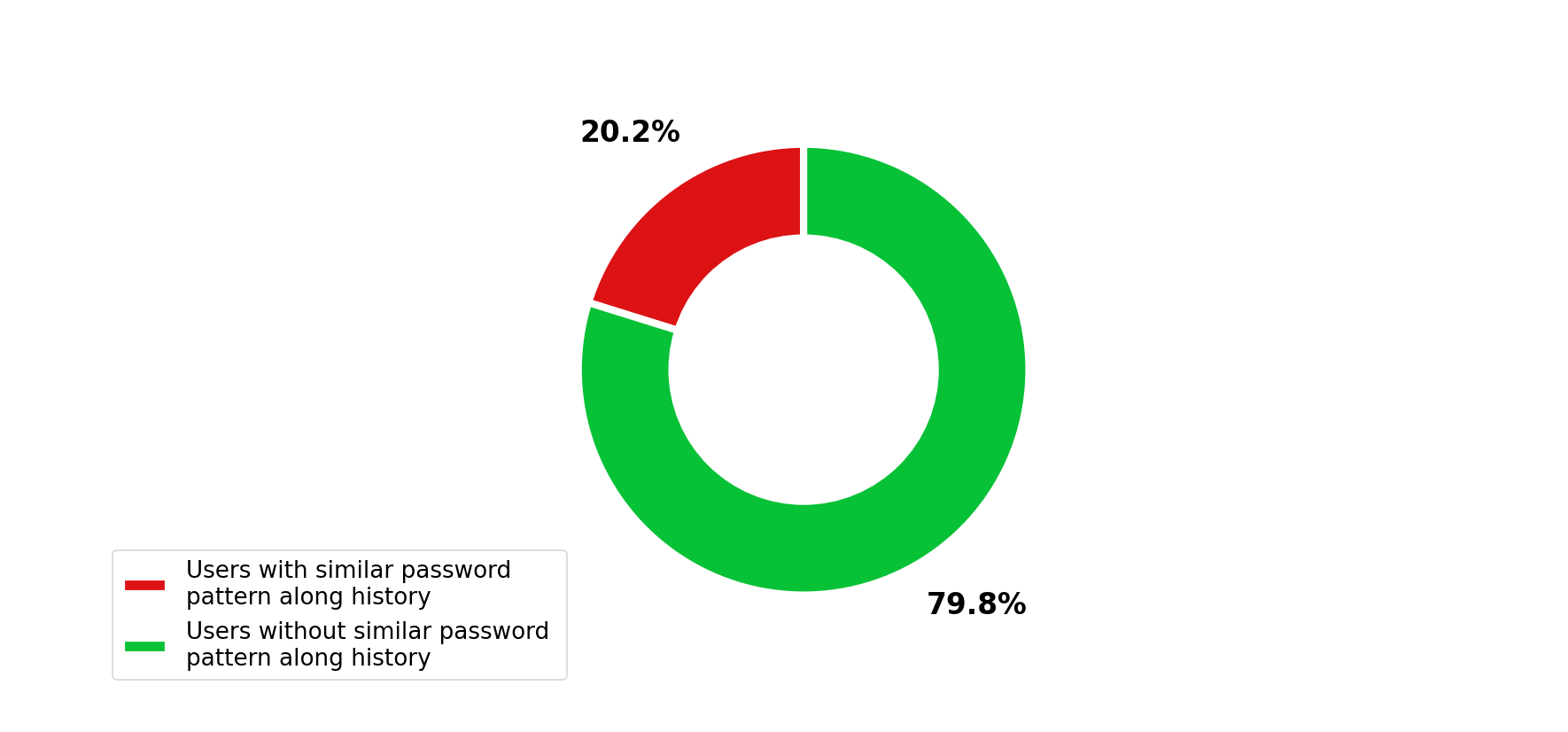
Inoltre, se invii secretsdump con la cronologia delle password (-history nel comando secretsdump), analizzerà la somiglianza nella cronologia delle password.