
incus-os
 lxc/incus-os
Immutable Linux OS image optimized for running Incus containers and virtual machines, with UEFI Secure Boot, TPM 2.0 disk encryption, and automated…
cloud-infrastructure-securityconfiguration-auditingcontainer-security+3
1.1k
lxc/incus-osImmutable Linux OS image optimized for running Incus containers and virtual machines, with UEFI Secure Boot, TPM 2.0 disk encryption, and automated…
 microsoft/litebox
A security-focused library OS supporting kernel- and user-mode execution
 smol-machines/smolvm
Portable, lightweight, self-contained virtual machine.
 kata-containers/kata-containers
Kata Containers is an open source project and community working to build a standard implementation of lightweight Virtual Machines (VMs) that feel…
 google/gvisor
Sandboxes containers via a userspace application kernel that intercepts system calls, limits host kernel access, and integrates with…
 microsoft/igvm
Rust library and format specification for creating and loading Independent Guest Virtual Machine (IGVM) files, supporting hardware-isolated VMs with…
 firecracker-microvm/firecracker
Secure and fast microVMs for serverless computing.
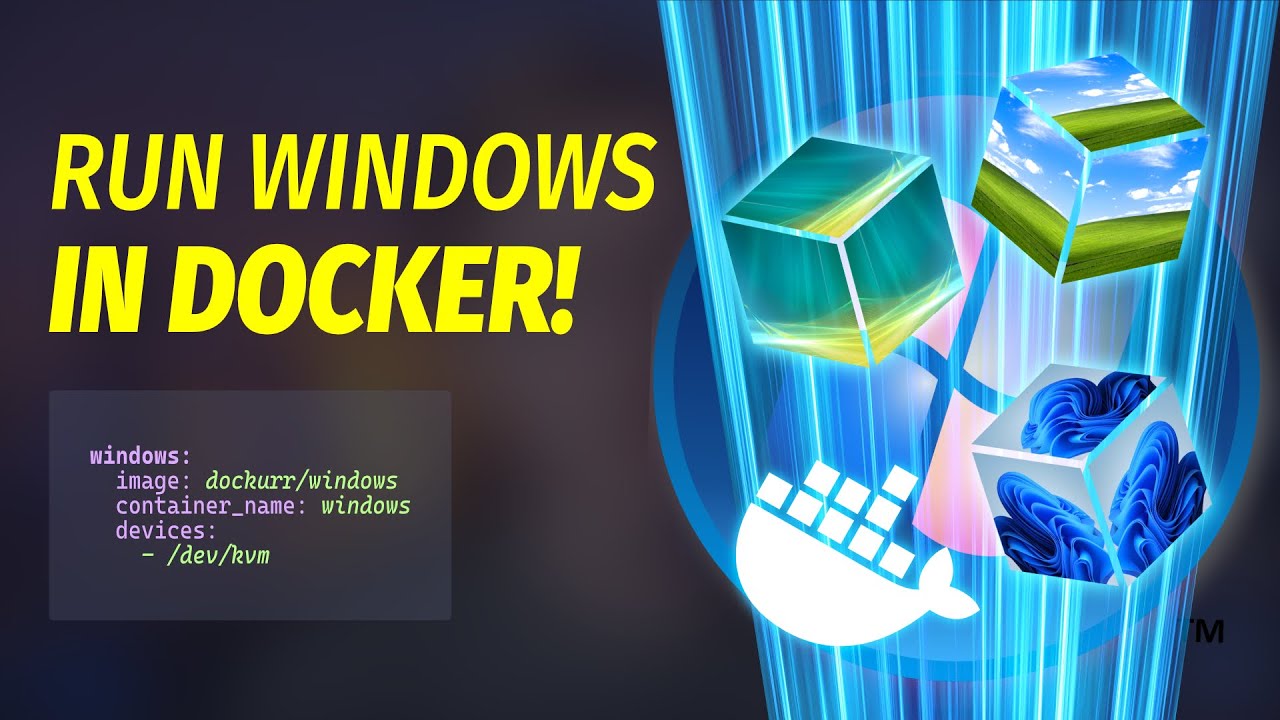 dockur/windows
Run Windows inside a Docker container with KVM acceleration, automatic installation, and customizable resources. Supports multiple Windows versions,…
 nestybox/sysbox
An open-source, next-generation "runc" that empowers rootless containers to run workloads such as Systemd, Docker, Kubernetes, just like VMs.
 getkern/kern
Rootless container runtime and sandbox that launches kernel-enforced OCI images in milliseconds with no daemon, featuring resource profiles, seccomp…
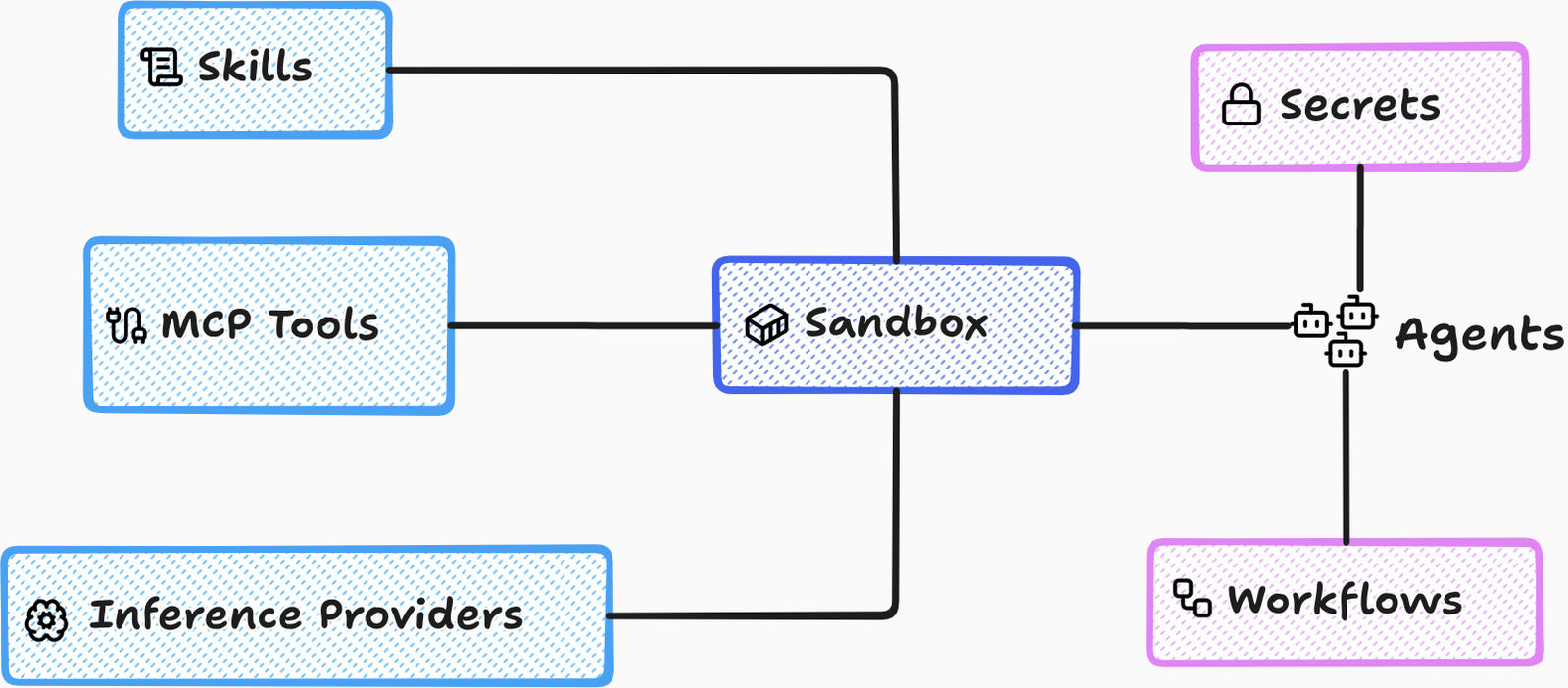 accuknox/agentz
Zero-trust agentic AI platform. Supports SaaS and OnPrem (airgapped) deployments.
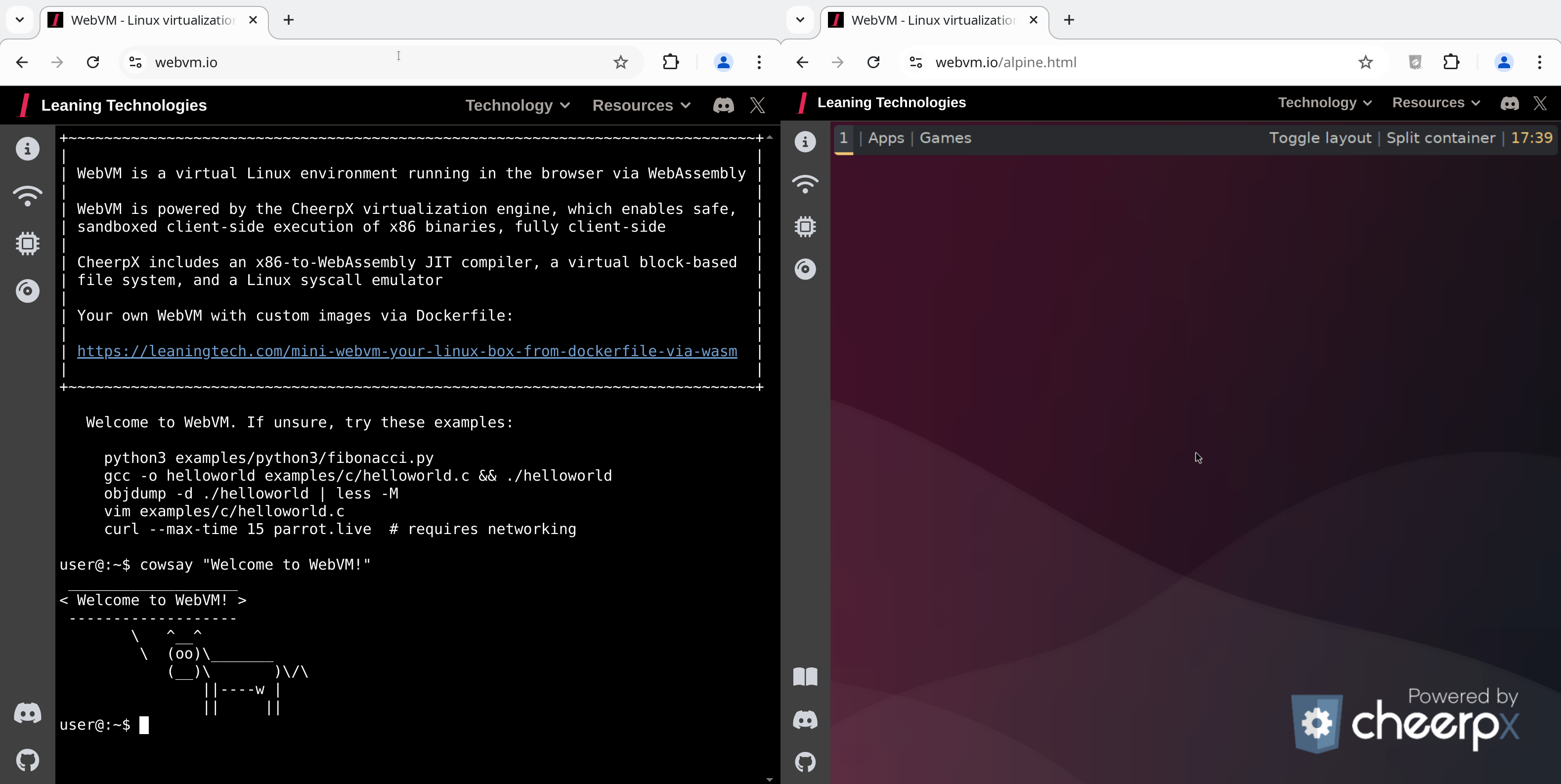 leaningtech/webvm
Client-side Linux virtual machine running in the browser via WebAssembly, with Tailscale networking, Dockerfile-based custom images, and CTF…
 zeroecco/holos
Declarative KVM/QEMU VM orchestration tool using YAML compose files. Manages multi-VM stacks with cloud-init, SSH, PCI passthrough, and image…
 kstenerud/yoloai
Your agent is a security risk, so treat it like one. yoloAI does AI agent sandboxing right.
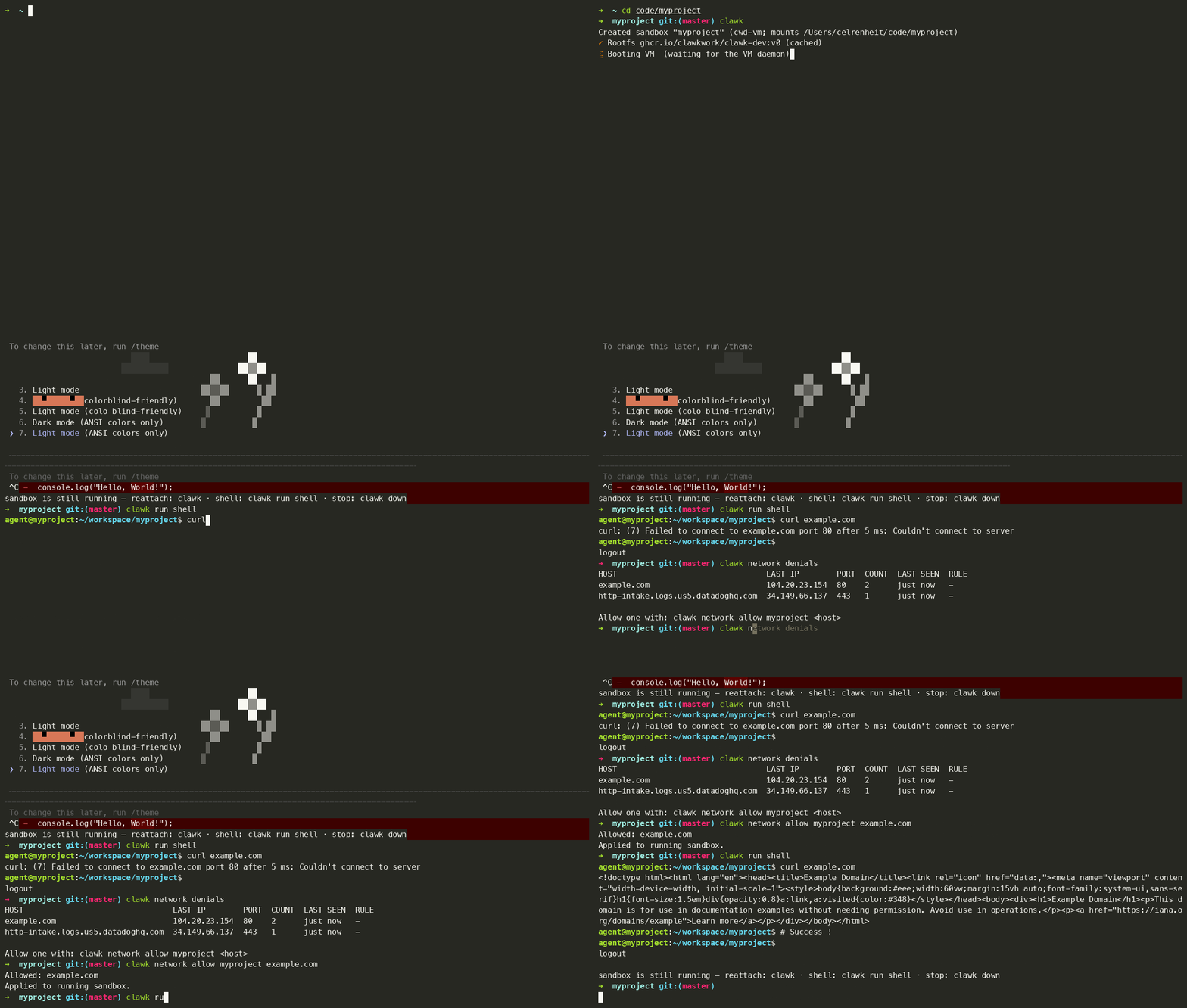 clawkwork/clawk
Give coding agents a disposable Linux VM, not your laptop
 aarif450/aarif450.github.io
Exploit KVM/x86 guest-to-host escape CVE-2026-64561 with Zapscape, a proof-of-concept demonstrating hypervisor vulnerability.
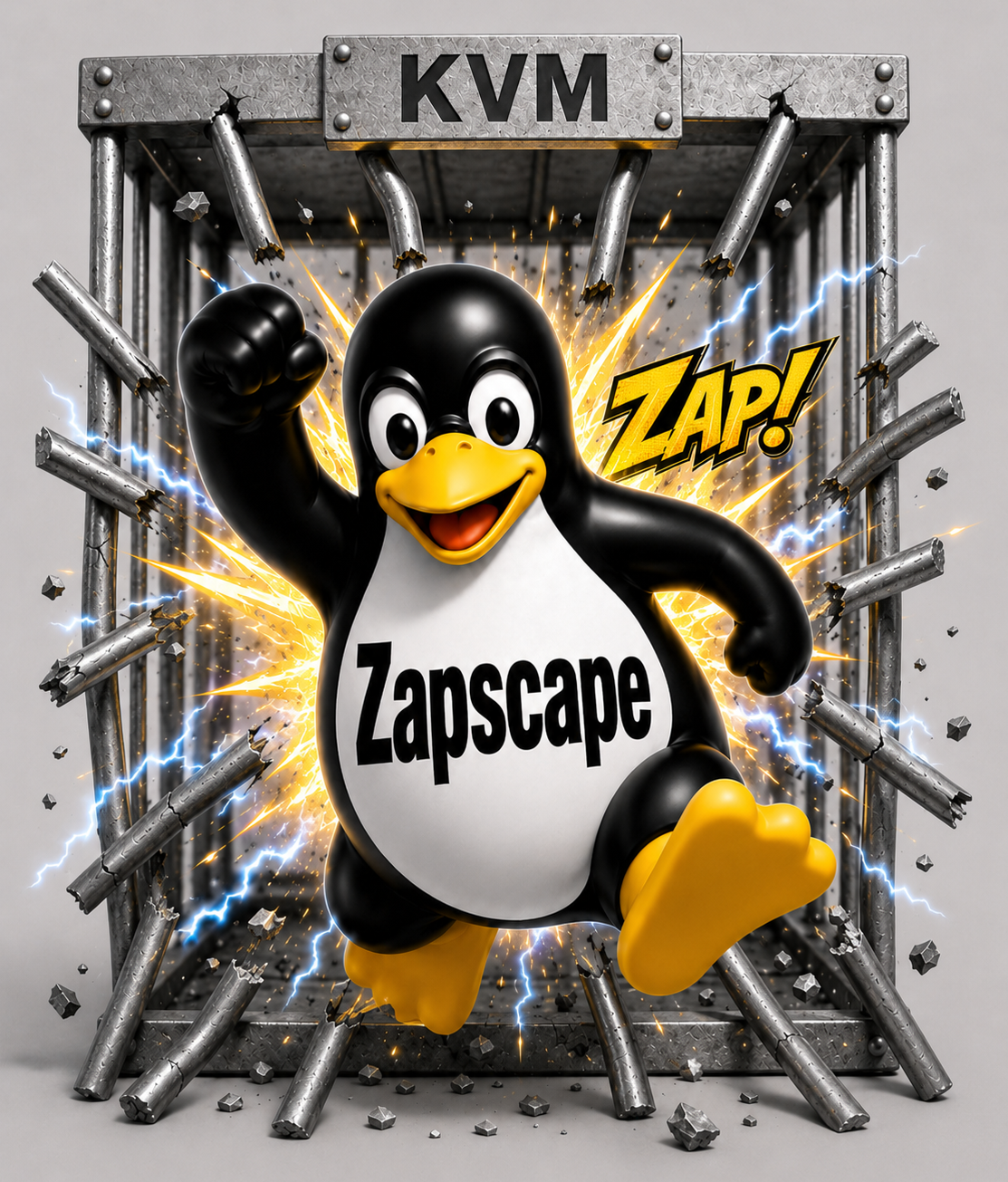 v4bel/zapscape
PoC exploit for CVE-2026-64561, a KVM/x86 shadow MMU use-after-free enabling guest-to-host escape with kernel root code execution on the host.
 0xblackash/cve-2026-64531
Reference analysis of a Linux kernel Open vSwitch memory-corruption vulnerability, covering root cause, impact, detection commands, and mitigation…