

malware-research
 eset/malware-research
Code written as part of our various malware investigations
digital-forensicsdynamic-code-analysismalware-analysis+4
417
eset/malware-researchCode written as part of our various malware investigations
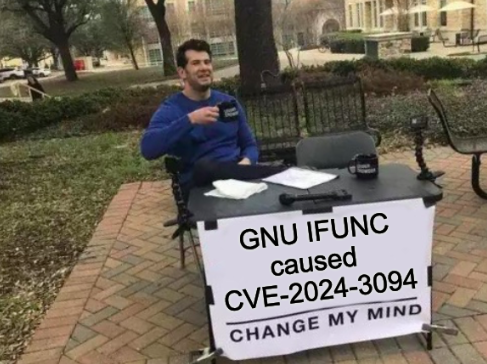 robertdfrench/ifuncd-up
GNU IFUNC is the real culprit behind CVE-2024-3094
 alixiacf/rep-openai-artifactory
Forensic Analysis and Local Replication of the OpenAI-Artifactory Privilege Escalation Incident (CVE-2026-65616)
 squeeze440/pasteguard-poc
PoC — cross-origin proxy abuse of configured provider API keys in PasteGuard (GHSA-q94x-p9rc-q89f, CVE-2026-86998, CVSS 7.6).
 theopaid/cve-2026-67182-http-request-smuggling-enables-front-end-access-control-bypass-rouille-
Security Advisory: HTTP Request Smuggling Enables Front-End Access Control Bypass (rouille)
 chpratik/nginx_2026_cve_bundle_cti_report
Covered CVEs: CVE-2026-28755, CVE-2026-42926, CVE-2026-9256, CVE-2026-42055, CVE-2026-42533
 razureink/cve-2026-49975-http2bomb_reproduction
PoC exploit for CVE-2026-49975 HTTP/2 Bomb DoS vulnerability. Demonstrates HPACK indexed reference bomb combined with flow-control window stall to…
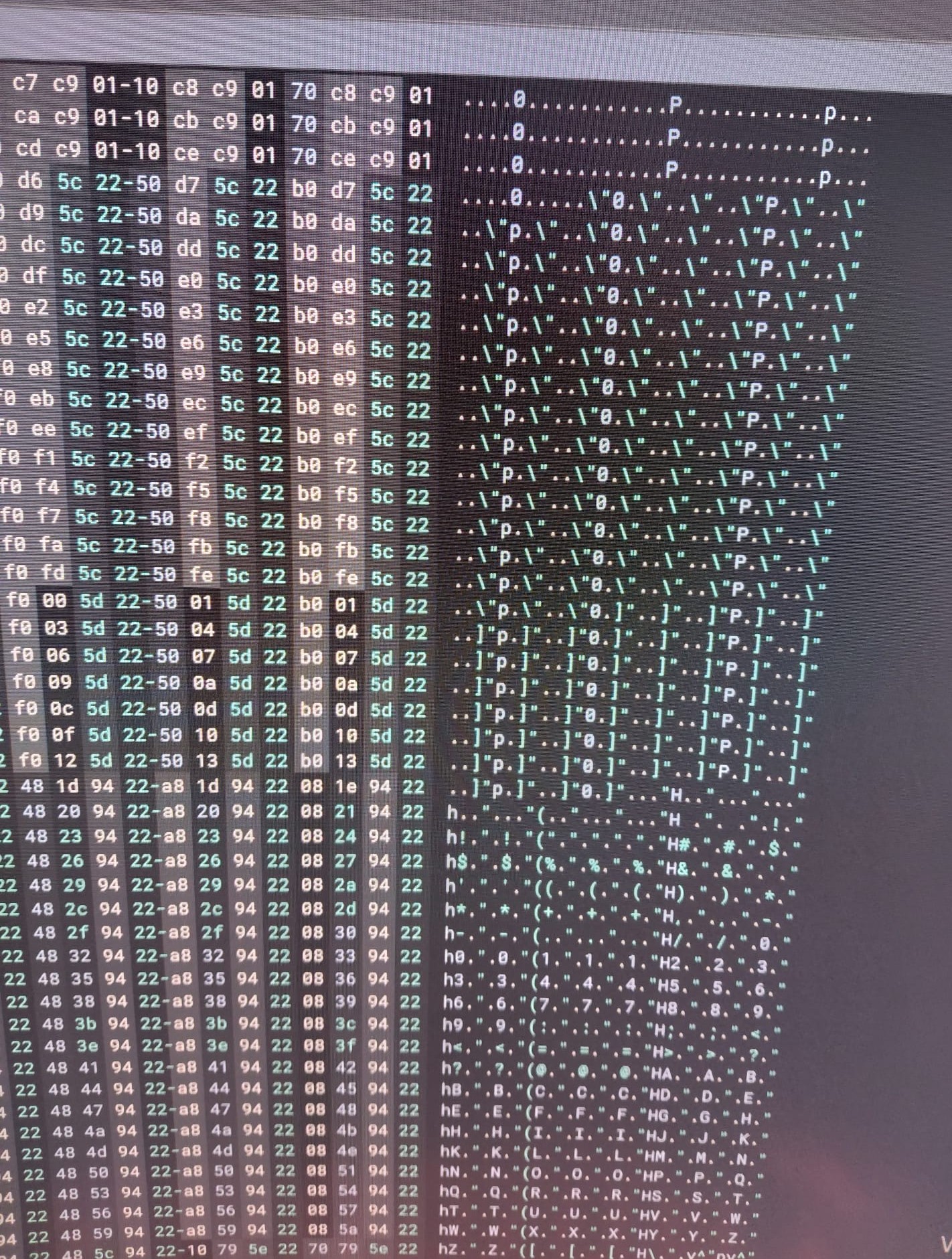 kaandemir993/salat-stealer-telegram-proxy-decoy-c2-analysis
"Reverse engineering analysis of Salat Stealer, a Go-based info-stealer that uses a Telegram proxy decoy, C2 communication, and encrypted memory…
 trailofbits/polytracker
An LLVM-based instrumentation tool for universal taint tracking, dataflow analysis, and tracing.
 agentsid-dev/agentsid-scanner
Security scanner for MCP servers. Grades auth, permissions, injection risks, and tool safety. The Lighthouse of agent security.
 abubakar-shahid/cve-2024-36886
Academic research on N-Day Linux kernel vulnerabilities, analyzing CVE-2024-36886 in the TIPC networking subsystem, lifecycle, impact, and mitigation…
 rshipp/awesome-malware-analysis
Defund the Police.
 federella/cve-2023-41717
Detailed write-up and proof of concept for CVE-2023-41717, demonstrating bypass of Zscaler proxy file download/upload restrictions via HTTP Range…
 0x3c3e/slides
CodeQL + DTrace = Memory Disclosure Vulnerabilities in XNU
 tca-iscas/cooper-ndss-2022
A tool for effective testing the binding layer of scripting languages
 pratikshad19/cve-2020-15051
CVE-2020-15051 : Artica Proxy before 4.30.000000 Community Edition allows Stored Cross Site Scripting.
 pratikshad19/cve-2020-15053
Artica Proxy before 4.30.000000 Community Edition allows Reflected Cross Site Scripting.