
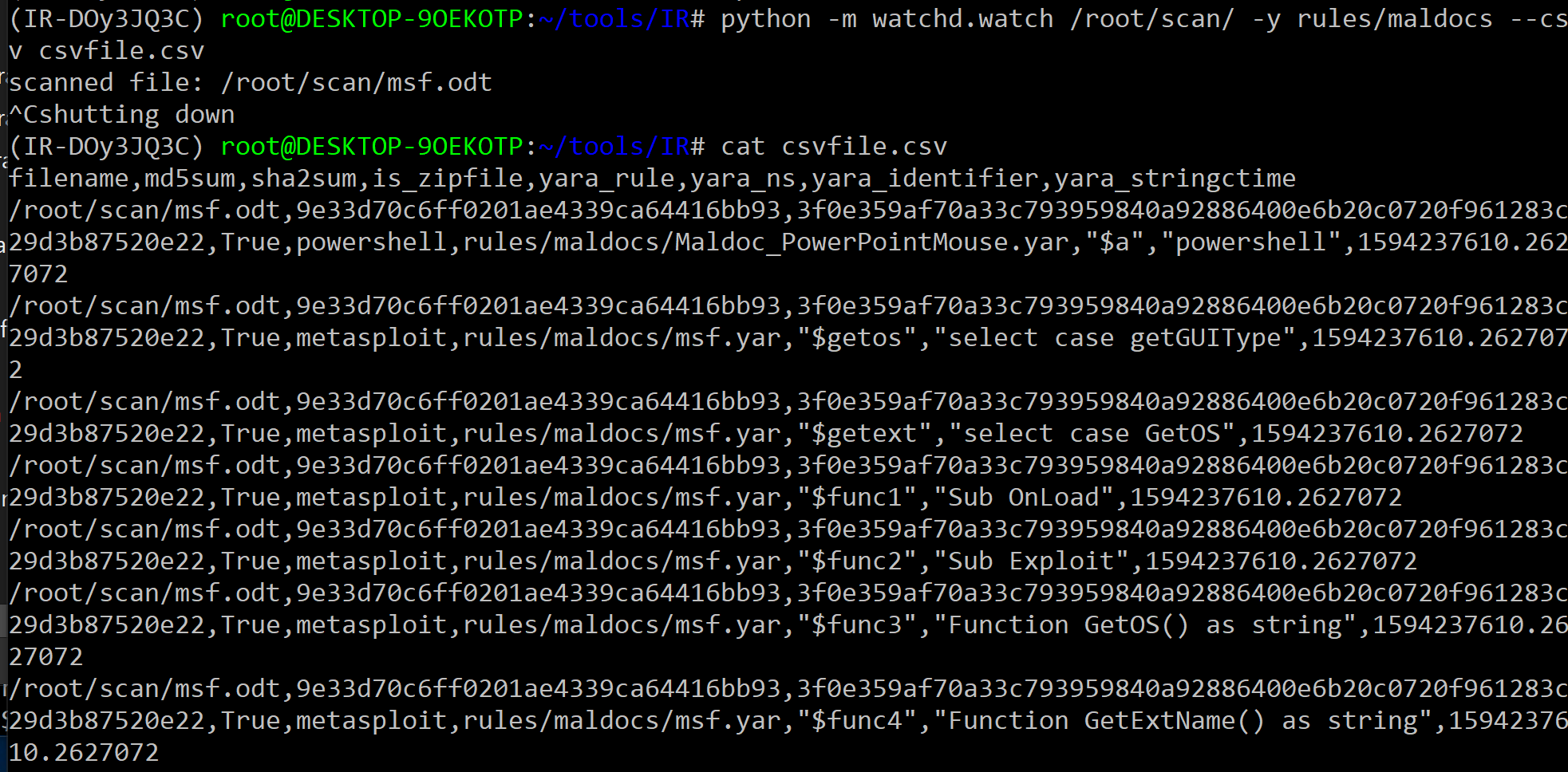
IRFuzz
 oxiqa/irfuzz
YARA-based file scanner that monitors directories, detects malware in document archives, and outputs CSV results for SIEM integration.
malware-analysisvulnerability-scanners
oxiqa/irfuzzYARA-based file scanner that monitors directories, detects malware in document archives, and outputs CSV results for SIEM integration.
 zwclose/cve-2021-26258
Files and tools for CVE-2021-26258
 ir-huntguardians/cve-2023-38831-hunt
PowerShell-based tool to detect and analyze exploitation attempts targeting CVE-2023-38831, aiding incident response and forensic investigations.
 llgsjsm/cve-2026-3008
Technical analysis and proof-of-concept for CVE-2026-3008, a format string injection in Notepad++ 8.9.3 via nativeLang.xml, enabling denial of…
 xuedugu/cve-2024-7965-poc
CVE-2024-7965是Google Chrome浏览器中V8 JavaScript引擎的一个高危漏洞。该漏洞源于V8引擎在处理特定JavaScript代码时实现不当,导致堆内存损坏。攻击者可通过诱导用户访问包含特制JavaScript的恶意网页,利用此漏洞在Chrome渲染器中执行任意代码。
 mrtaheramine/cve-2018-10583
An information disclosure vulnerability occurs when LibreOffice 6.0.3 and Apache OpenOffice Writer 4.1.5 automatically process and initiate an SMB…
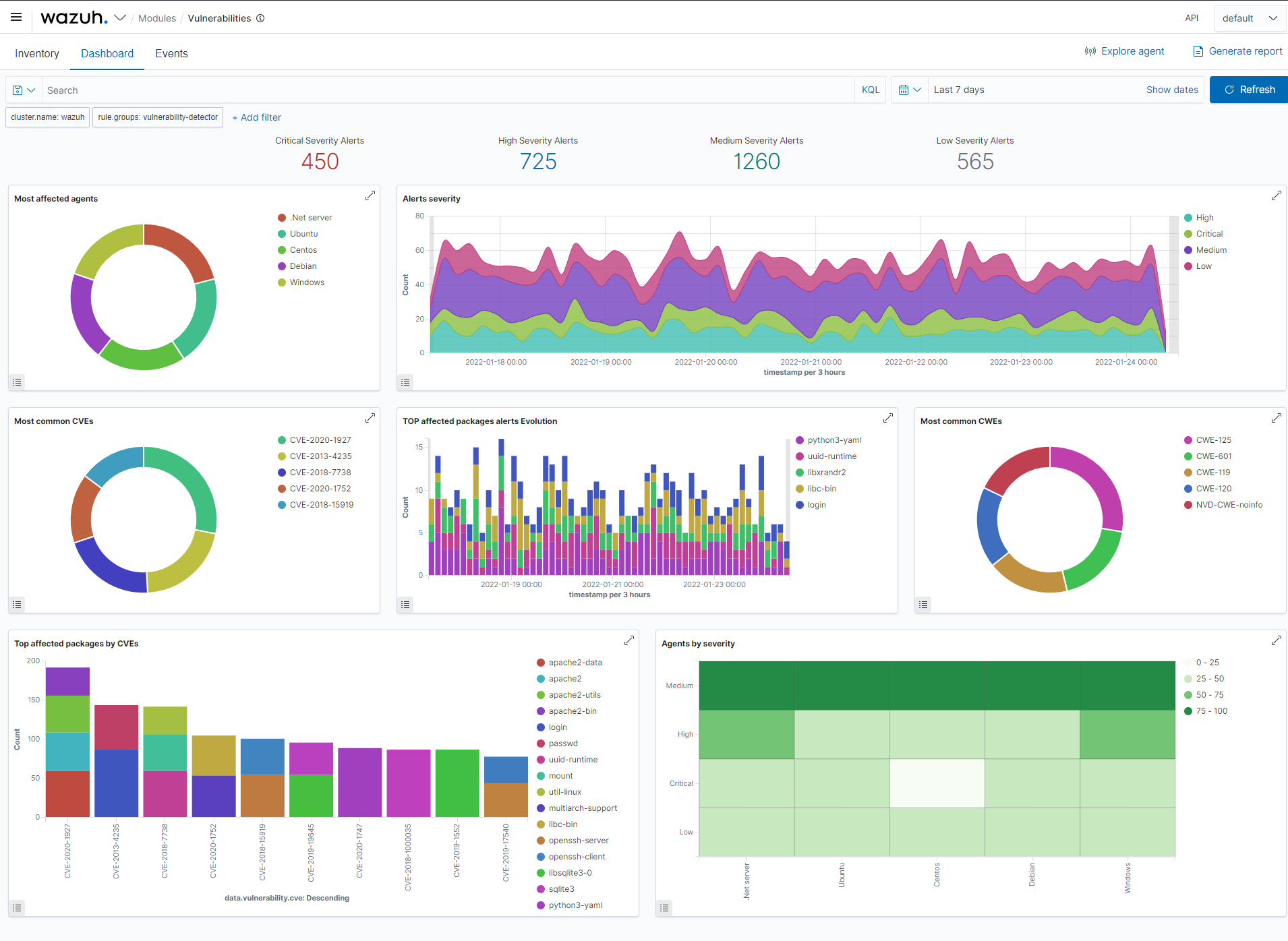 wazuh/wazuh
Open-source XDR and SIEM platform for threat detection, log analysis, file integrity monitoring, vulnerability assessment, and compliance management…
 trailofbits/skills
Trail of Bits Claude Code skills for security research, vulnerability detection, and audit workflows
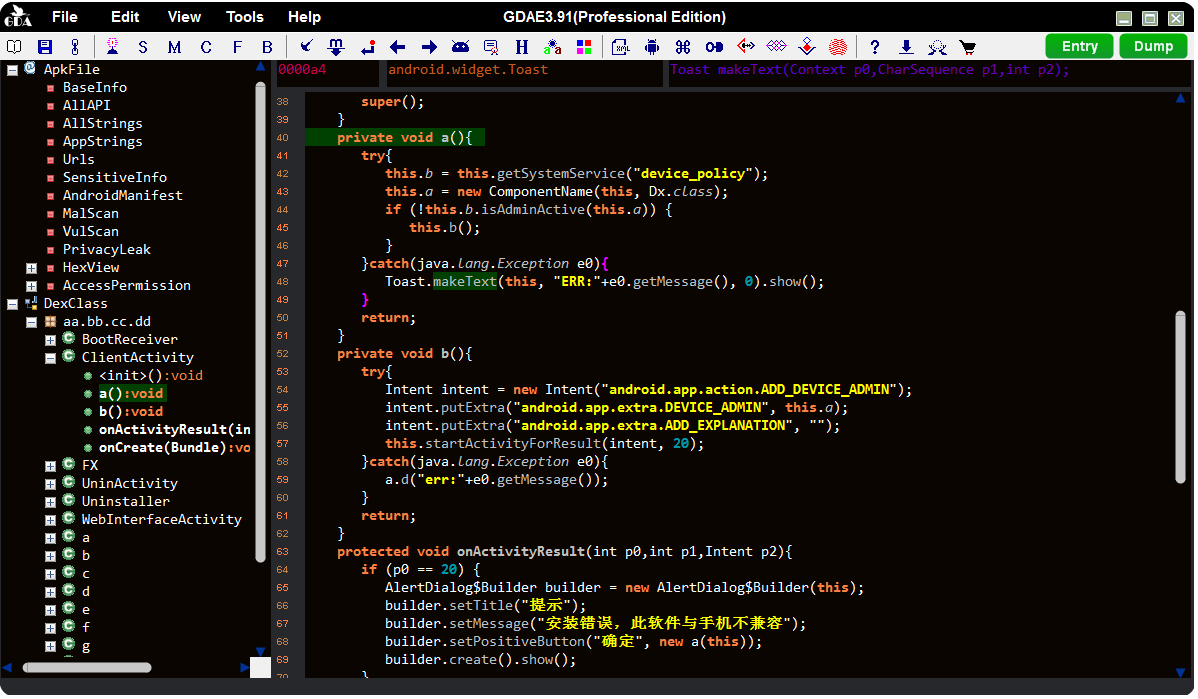 charles2gan/gda-android-reversing-tool
the fastest and most powerful android decompiler(native tool working without Java VM) for the APK, DEX, ODEX, OAT, JAR, AAR, and CLASS file. which…
 radareorg/r2ai
Radare2 AI plugin using local or remote LLMs for decompilation, function explanation, vulnerability detection, renaming, and scripted reverse…
 sjkim1127/reversecore_mcp
A security-first MCP server that empowers AI agents to perform automated reverse engineering, malware analysis, forensics, vulnerability research,…
 tihanyin/rex-skill
REx@Skill - Agentic Reverse Engineering eXecution Skill for binary vulnerability discovery
 user1342/obfu-de-scate
Fuzzy comparison tool for deobfuscating Android APKs by identifying renamed functions across versions, generating mapping files and interactive HTML…
 jfrog/cve-2024-3094-tools
Shell-based scanner to detect the XZ Backdoor (CVE-2024-3094) vulnerability in files and directories, enabling rapid identification and mitigation of…
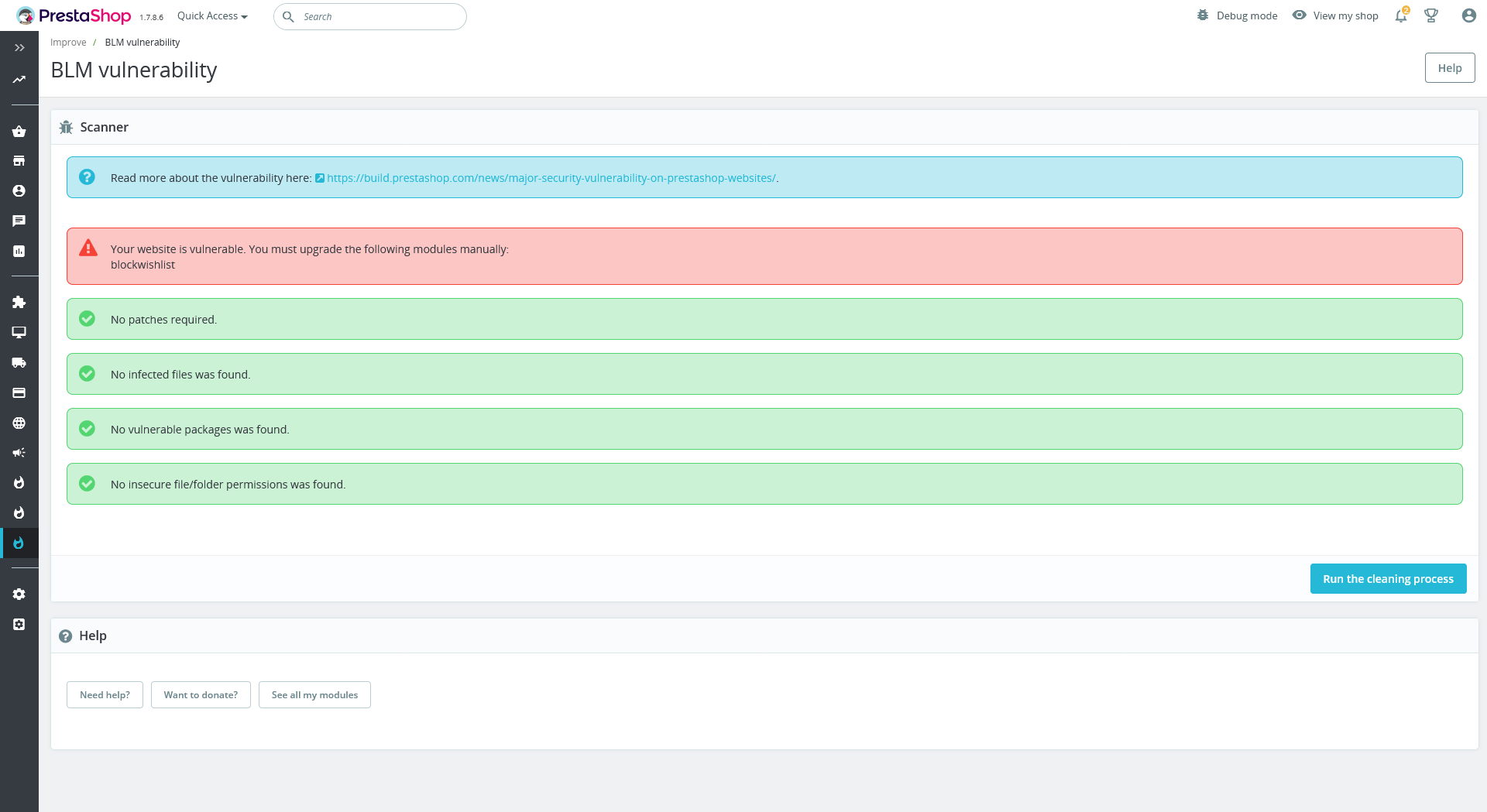 mathiasreker/blmvuln
Major Security Vulnerability on PrestaShop Websites - CVE-2022-31101
 ronf98/cve-2024-43451-poc
CVE-2024-43451 is a Windows NTLM vulnerability that allows an attacker to force authentication and capture NTLM hashes by using malicious shortcuts.
 xm0kht4r/cve-2025-7771
A simple PoC demonstrating the vulnerability in the ThrottleStop.sys driver, showcasing arbitrary physical memory read and write capabilities, as…
 wowfunhappy/fix-apple-mail-cve-2020-9922
Patches the zero-click Apple Mail vulnerability (CVE-2020-9922) on macOS, preventing remote code execution without user interaction.