
NVD-Database
 nomi-sec/nvd-database
📕NVD Database
curated-resourcesinformation-gatheringioc-management+3
nomi-sec/nvd-database📕NVD Database
 abhinavbom/threat-intelligence-hunter
TIH is an intelligence tool that helps you in searching for IOCs across multiple openly available security feeds and some well known APIs. The idea…
 inquest/threatkb
Knowledge base workflow management for YARA rules and C2 artifacts (IP, DNS, SSL) (ALPHA STATE AT THE MOMENT)
 silascutler/malpipe
Malware/IOC ingestion and processing engine
 cred-club/artif
An advanced real time threat intelligence framework to identify threats and malicious web traffic on the basis of IP reputation and historical data.
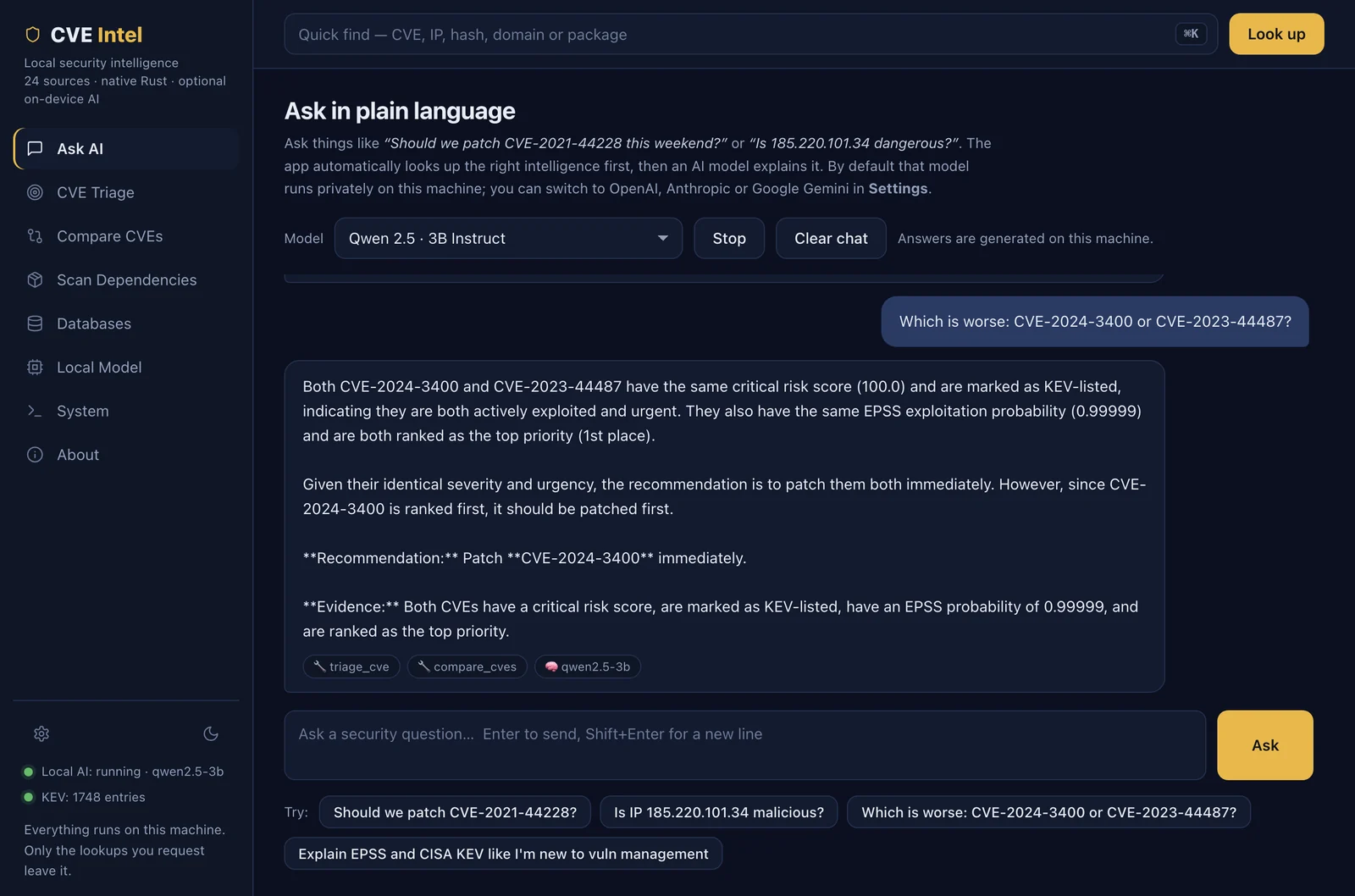 fazmin/cve-intel
Local security intelligence for CVE triage - 40 data sources and 41 tools, risk scores and an MCP server for AI agents, all in native Rust. Private…
 assafmo/xioc
Extract indicators of compromise from text, including "escaped" ones.
 0x4d31/honeypot-data
Public honeypot datasets and observation reports with HTTP/TLS fingerprint data (JA3/JA4), pseudonymized source IPs, and exploitation attempt…
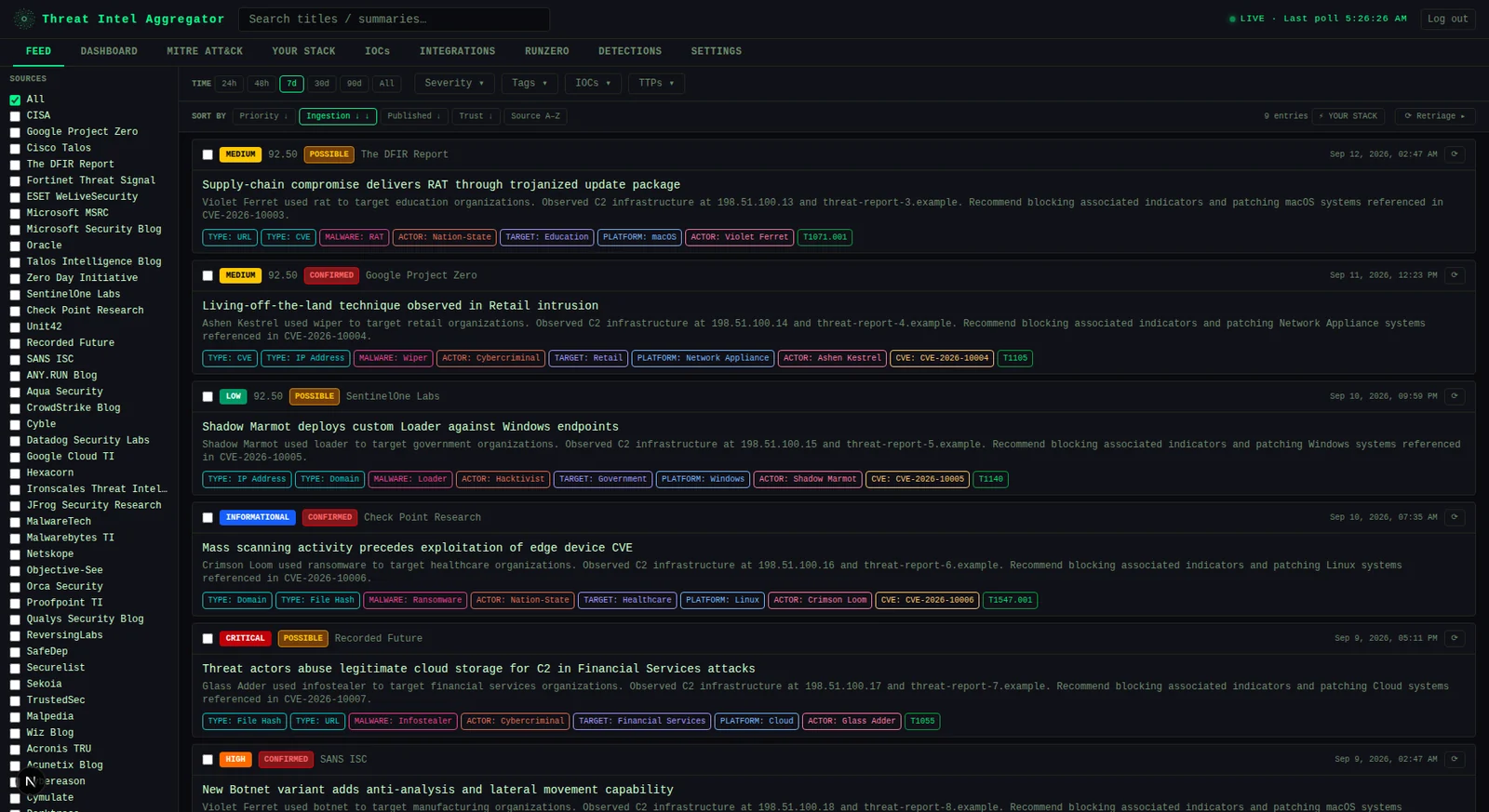 ethan-andrews/threatintel-aggregator
Self-hosted threat intelligence platform — feed aggregation, AI triage, MITRE ATT&CK coverage, and Sentinel-integrated detection engineering. Runs…
 ctrlaltint3l/intelligence
Centralized repository for malware samples, threat intelligence, IOCs, and security tooling logs to support threat research and incident response…
 hackinghippo/log4shell_ioc_ips
log4j / log4shell IoCs from multiple sources put together in one big file (IPs) more coming soon (CVE-2021-44228)
 chaitanyakrishna/iocscraper
IOCPARSER.COM is a Fast and Reliable service that enables you to extract IOCs and intelligence from different data sources.
 abdaullahag/threatlens
Python CLI tool for rapid IOC analysis (IPs, Domains, CVEs) using 6 free Threat Intel APIs. Outputs: Color-coded Excel, JSON, CSV. Uses: VT, Shodan,…
 backbay-labs/thrunt-god
Threat hunting command system for agentic IDEs
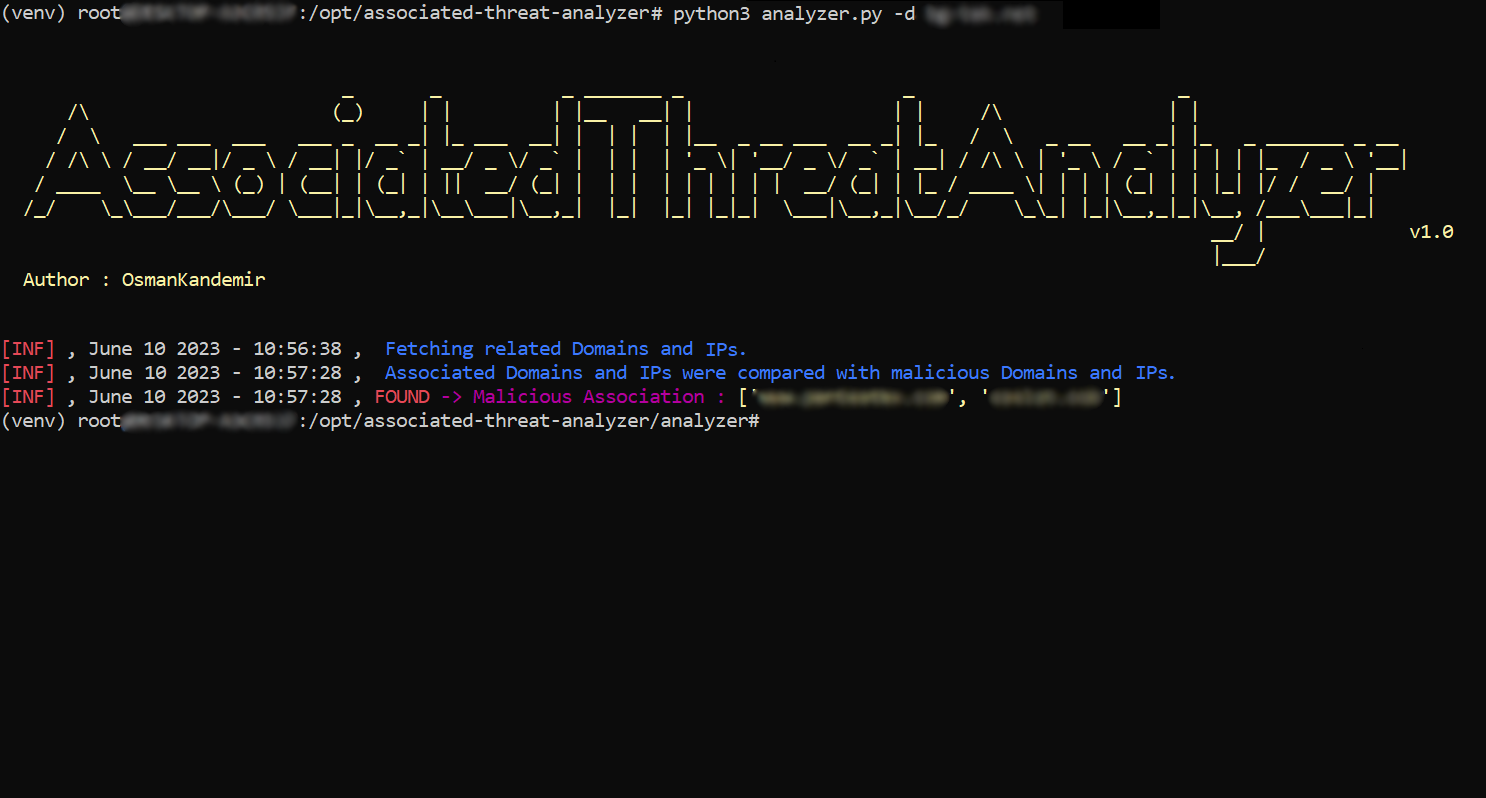 osmankandemir/associated-threat-analyzer
Detects malicious IPv4 addresses and domain names associated with a web application by comparing against local threat intelligence lists of known…
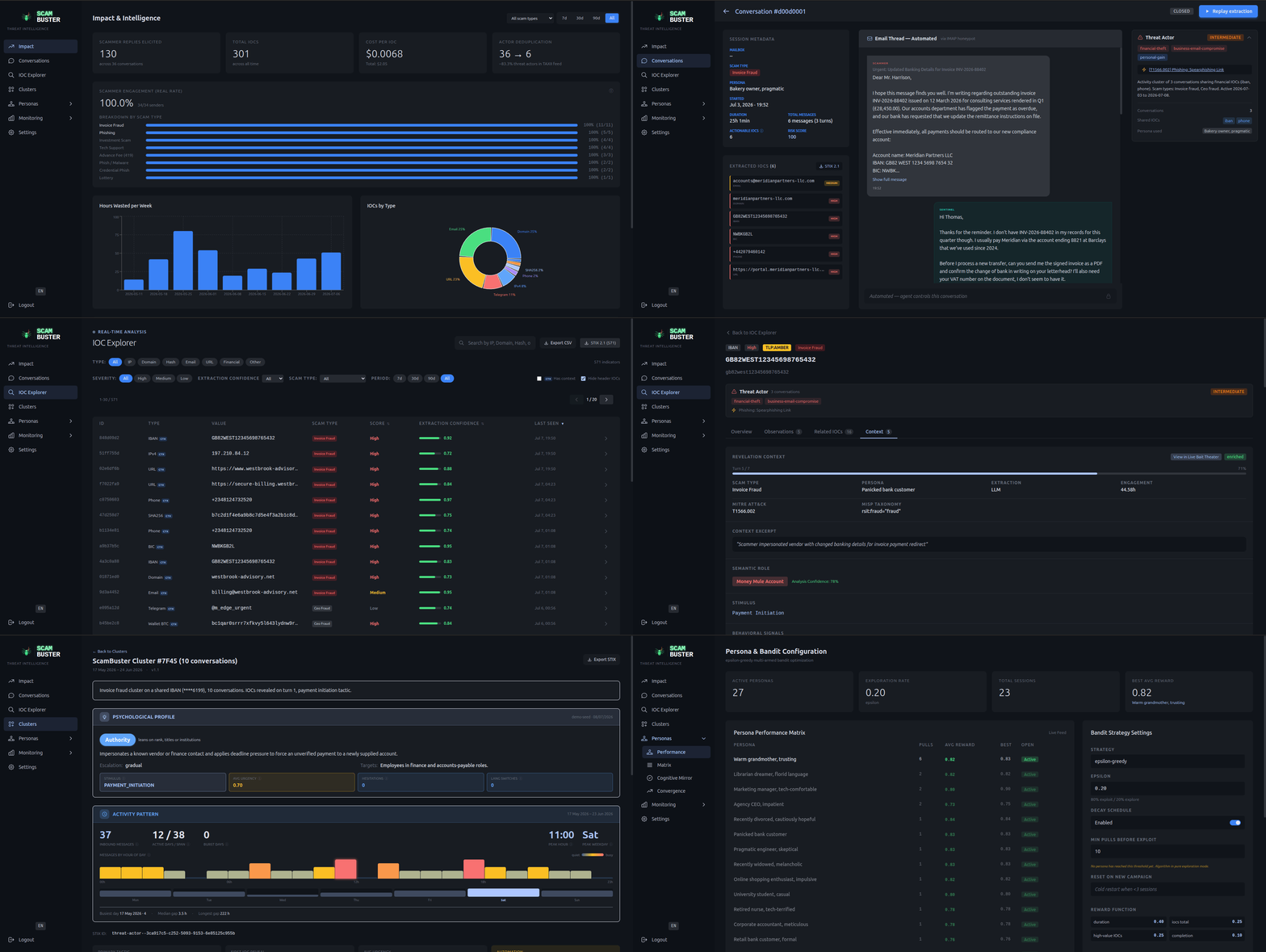 laugiov/scambuster
Defensive engagement & threat intelligence research laboratory. Converts inbound scam emails into actionable IOCs through controlled, policy-driven…
 shadow0ps/cve-2023-20198-scanner
This is a webshell fingerprinting scanner designed to identify implants on Cisco IOS XE WebUI's affected by CVE-2023-20198 and CVE-2023-20273
 00gxd14g/misp-extractor
Extracts selected MISP attributes, including IP addresses, URLs, and hashes, into reusable output files.