
autopsy
 sleuthkit/autopsy
Autopsy® is a digital forensics platform and graphical interface to The Sleuth Kit® and other digital forensics tools. It can be used by law…
data-recoverydigital-forensicsdisk-forensics+3
3.4k
sleuthkit/autopsyAutopsy® is a digital forensics platform and graphical interface to The Sleuth Kit® and other digital forensics tools. It can be used by law…
 last-byte/persistencesniper
Powershell module that can be used by Blue Teams, Incident Responders and System Administrators to hunt persistences implanted in Windows machines.…
 opencti-platform/connectors
Collection of OpenCTI connectors that ingest and synchronize threat intelligence, IOCs, and CTI data from external sources like MISP and MITRE ATT&CK…
 cyb3rfox/aurora-incident-response
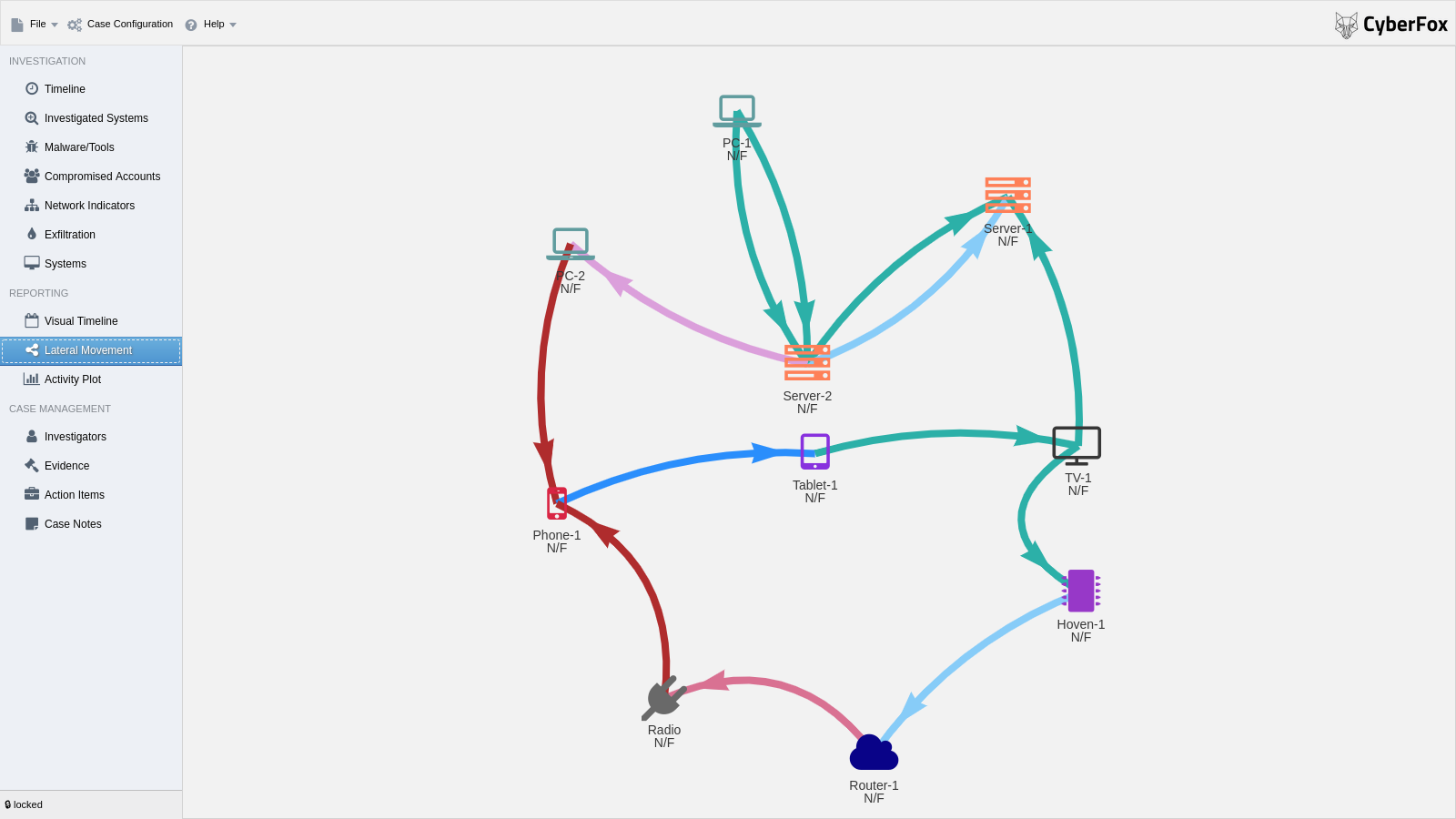
Incident Response Documentation made easy. Developed by Incident Responders for Incident Responders
 sepinf-inc/iped
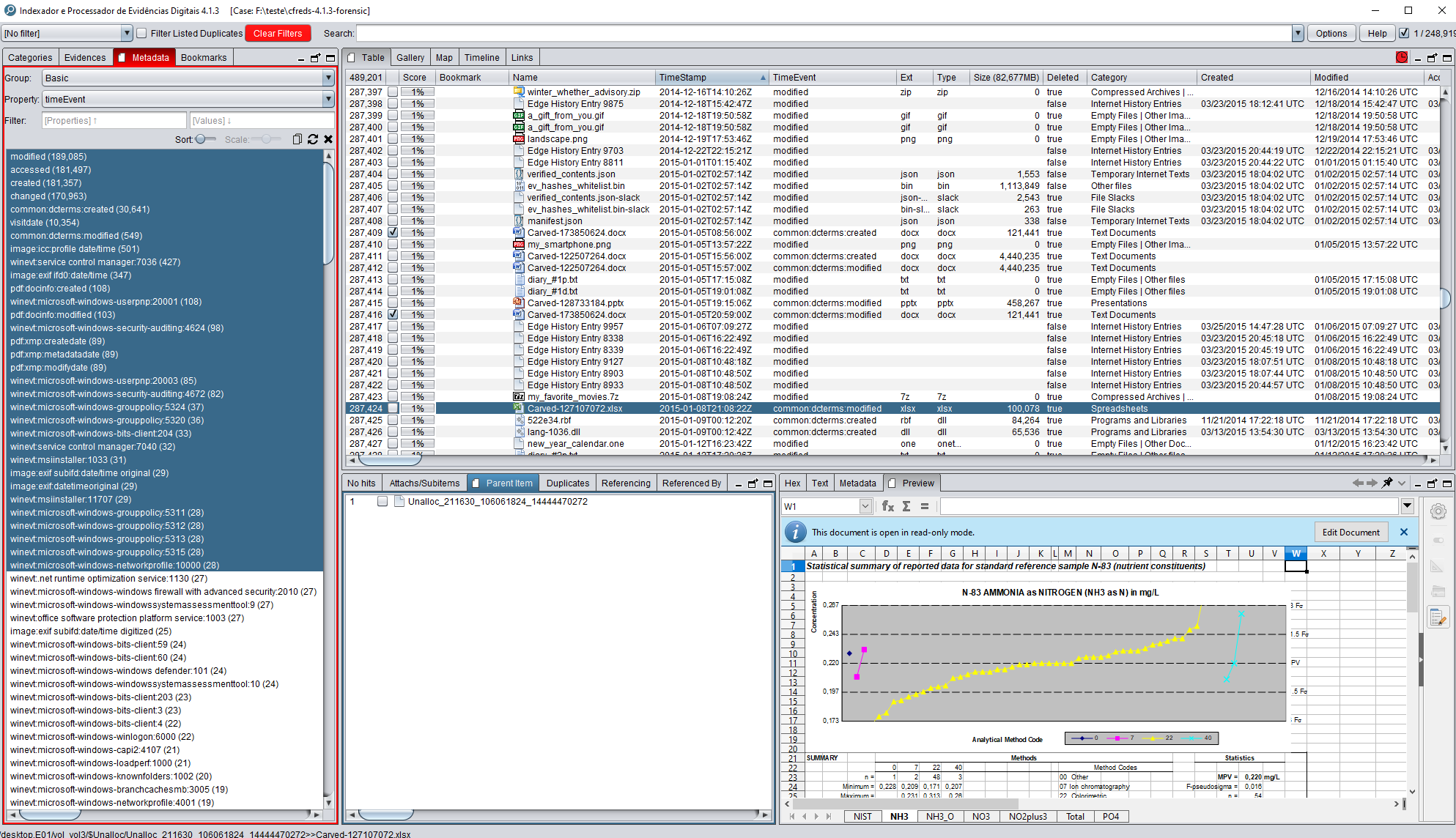
IPED Digital Forensic Tool. It is an open source software that can be used to process and analyze digital evidence, often seized at crime scenes by…
 log2timeline/plaso
Digital forensics engine that parses logs, files, and system artifacts to build super timelines, enabling chronological event correlation for…
 pjlantz/hale
Botnet command & control monitor
 corelight/emudhra-weak-keys
A Zeek package that detects when compromised eMudhra intermediate certificates are used in TLS 1.2 and below.
 inverse-inc/packetfence
PacketFence is a fully supported, trusted, Free and Open Source network access control (NAC) solution. Boasting an impressive feature set including a…
 byinarie/zirconium
Tool to search for IOCs related to HAFNIUM: CVE-2021-26855 CVE-2021-26857 CVE-2021-26858 CVE-2021-27065
 sec17br/cve-2026-31431-copy-fail
Bash script to assess Linux host exposure to CVE-2026-31431, check kernel module status, apply mitigation by blocking algif_aead, and update kernel…
 bruneaug/dshield-siem
DShield Sensor Log Collection with ELK
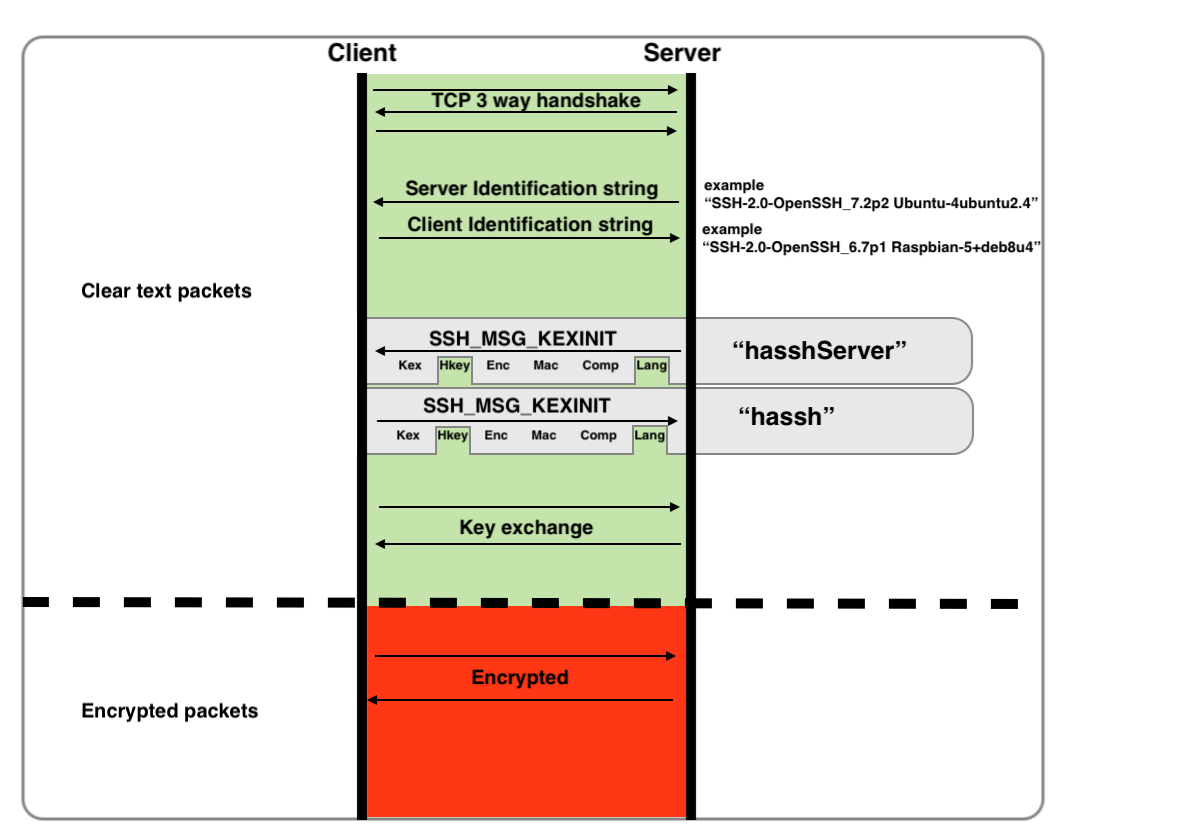 salesforce/hassh
HASSH is a network fingerprinting standard which can be used to identify specific Client and Server SSH implementations. The fingerprints can be…
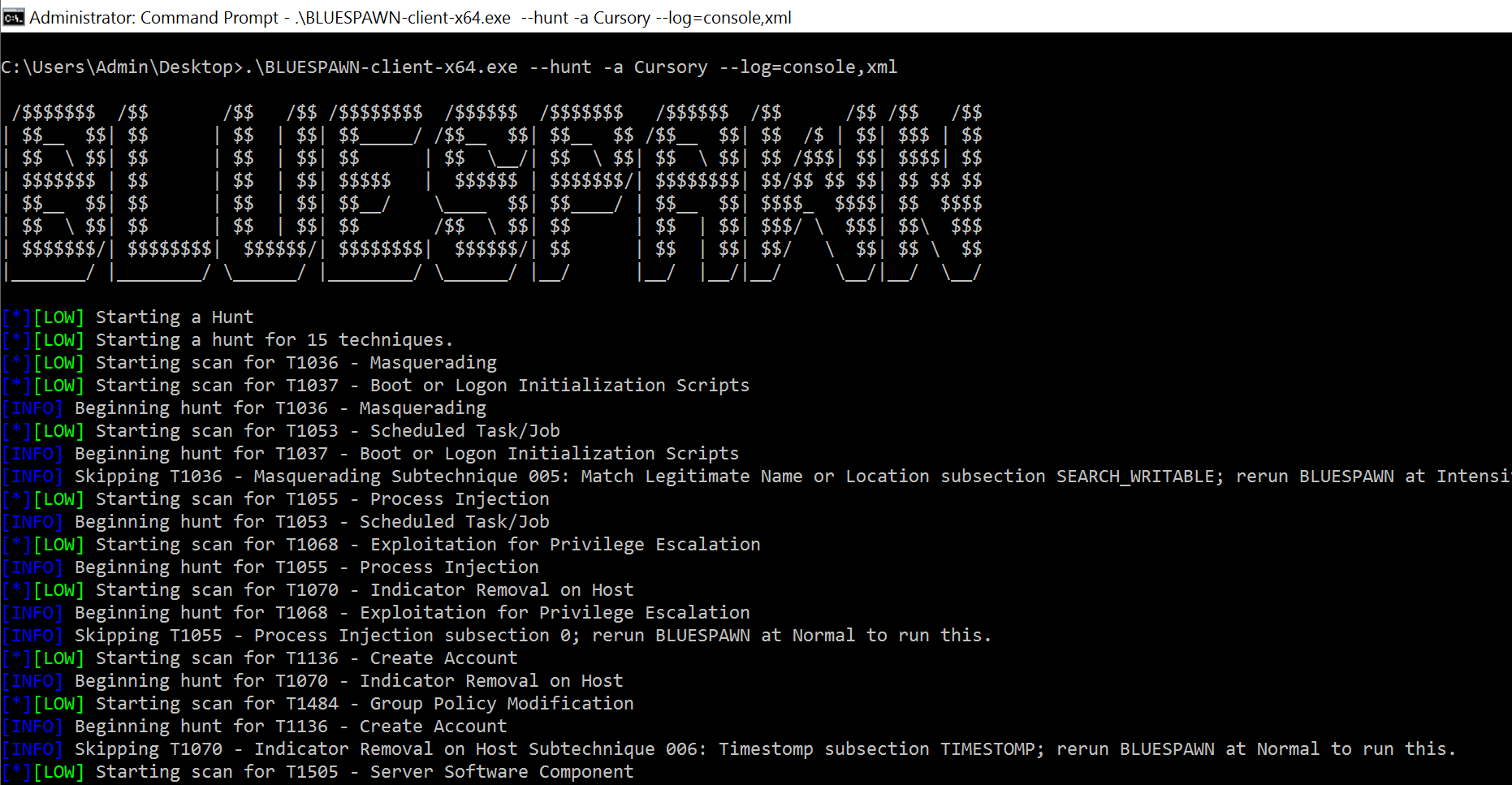 ion28/bluespawn
An Active Defense and EDR software to empower Blue Teams
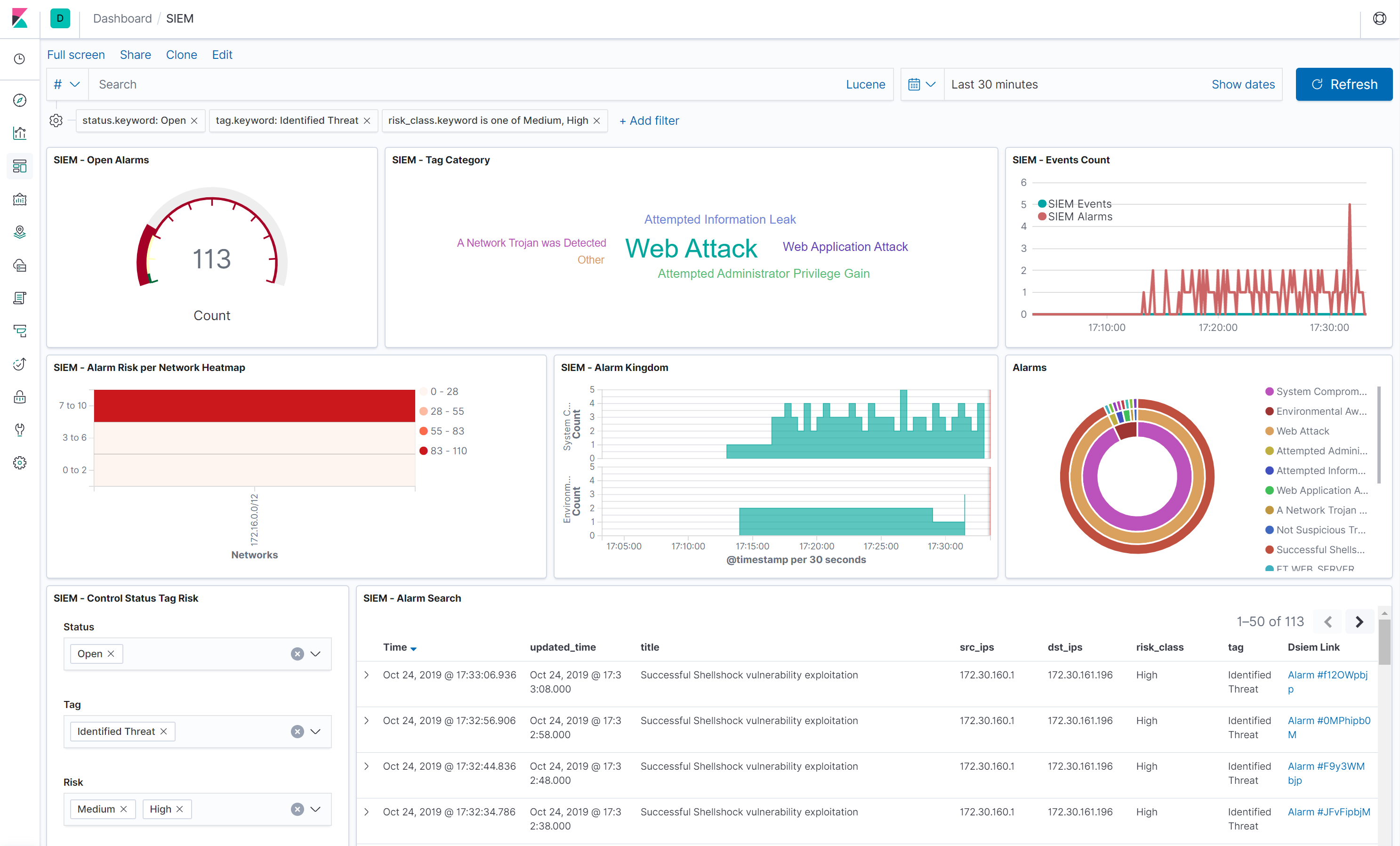 defenxor/dsiem
Security event correlation engine for ELK stack
 hybridbrothers/hunting-queries-detection-rules
The purpose of this repository is to share KQL queries to help identify security misconfigurations, hunt for specific patterns, or detect malicious…
 rjsudlow/proxynotshell-ioc-checker
Script to check for IOC's created by ProxyNotShell (CVE-2022-41040 & CVE-2022-41082)
 kevthehermit/ratdecoders
Python Decoders for Common Remote Access Trojans