

scapy
 secdev/scapy
Python-based interactive packet manipulation library for forging, decoding, sending, capturing, and analyzing network packets across a wide range of…
bluetooth-securitycryptographydata-exfiltration+23
secdev/scapyPython-based interactive packet manipulation library for forging, decoding, sending, capturing, and analyzing network packets across a wide range of…
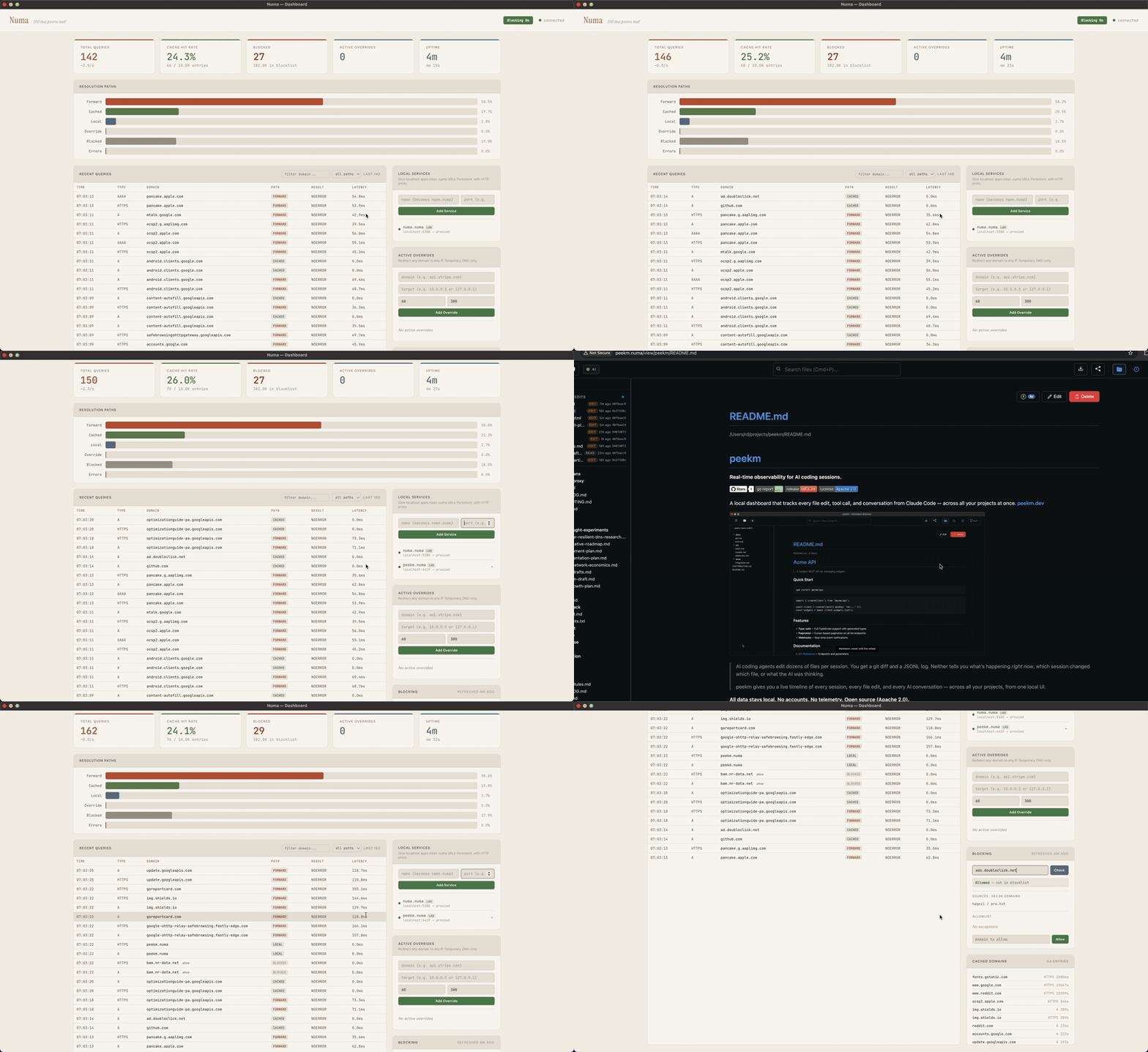 razvandimescu/numa
Portable DNS resolver in Rust — .numa local domains, ad blocking, developer overrides
 nmap/nmap
High-performance network discovery and security auditing tool with advanced port scanning, OS detection, service version detection, and scriptable…
 danielmiessler/seclists
Curated collection of wordlists for security assessments, including usernames, passwords, URLs, fuzzing payloads, and sensitive data patterns for…
 aflplusplus/aflplusplus
The fuzzer afl++ is afl with community patches, qemu 5.1 upgrade, collision-free coverage, enhanced laf-intel & redqueen, AFLfast++ power schedules,…
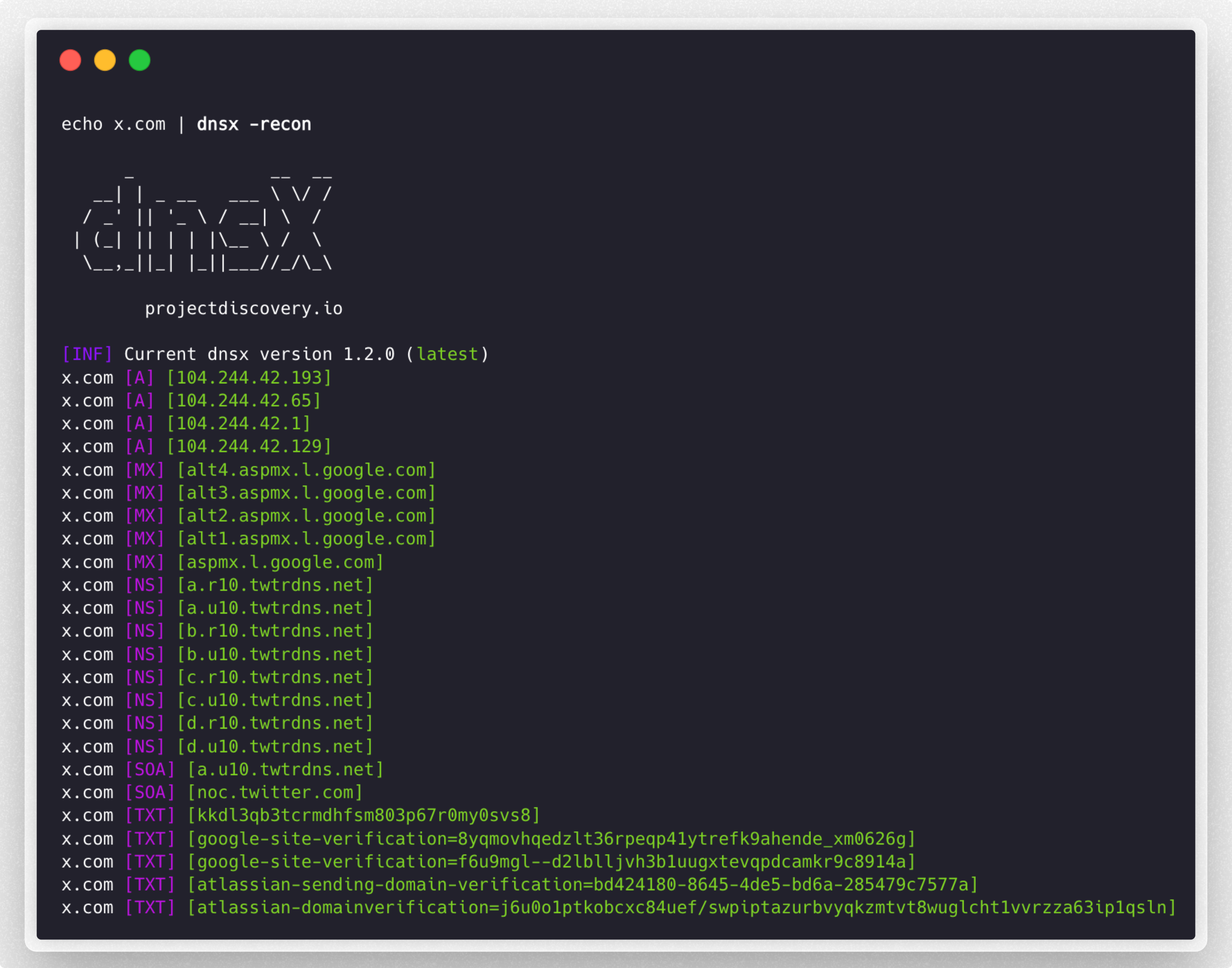 projectdiscovery/dnsx
dnsx is a fast and multi-purpose DNS toolkit allow to run multiple DNS queries of your choice with a list of user-supplied resolvers.
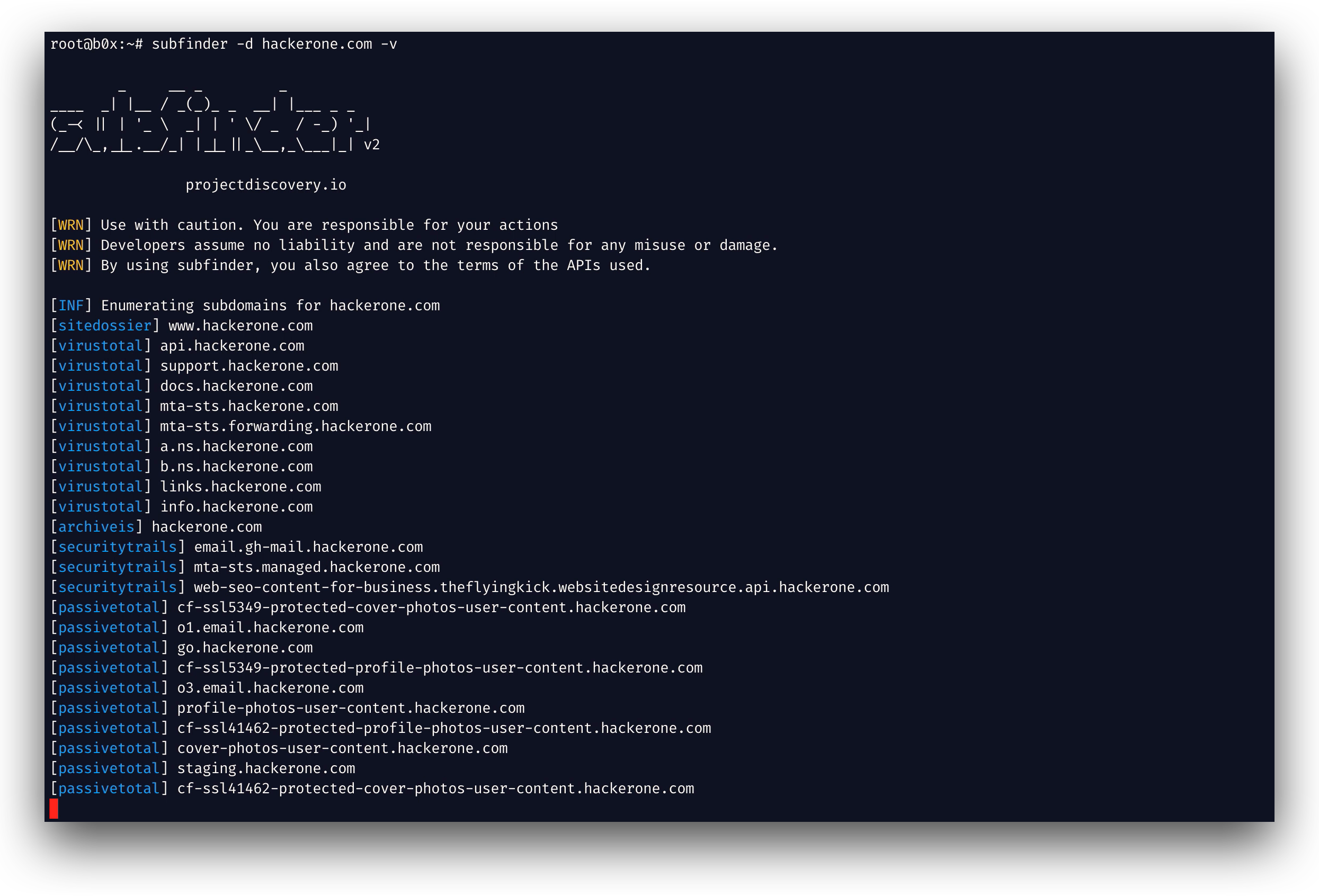 projectdiscovery/subfinder
Fast passive subdomain enumeration tool.
 findomain/findomain
The fastest and complete solution for domain recognition. Supports screenshoting, port scan, HTTP check, data import from other tools, subdomain…

 jtpereyda/boofuzz
A fork and successor of the Sulley Fuzzing Framework
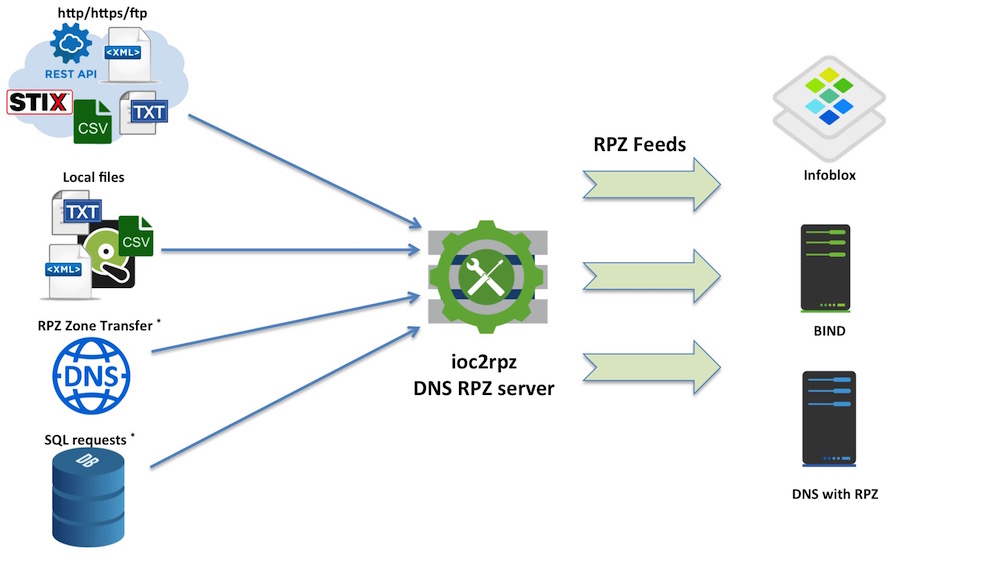 homas/ioc2rpz
ioc2rpz is a place where threat intelligence meets DNS.
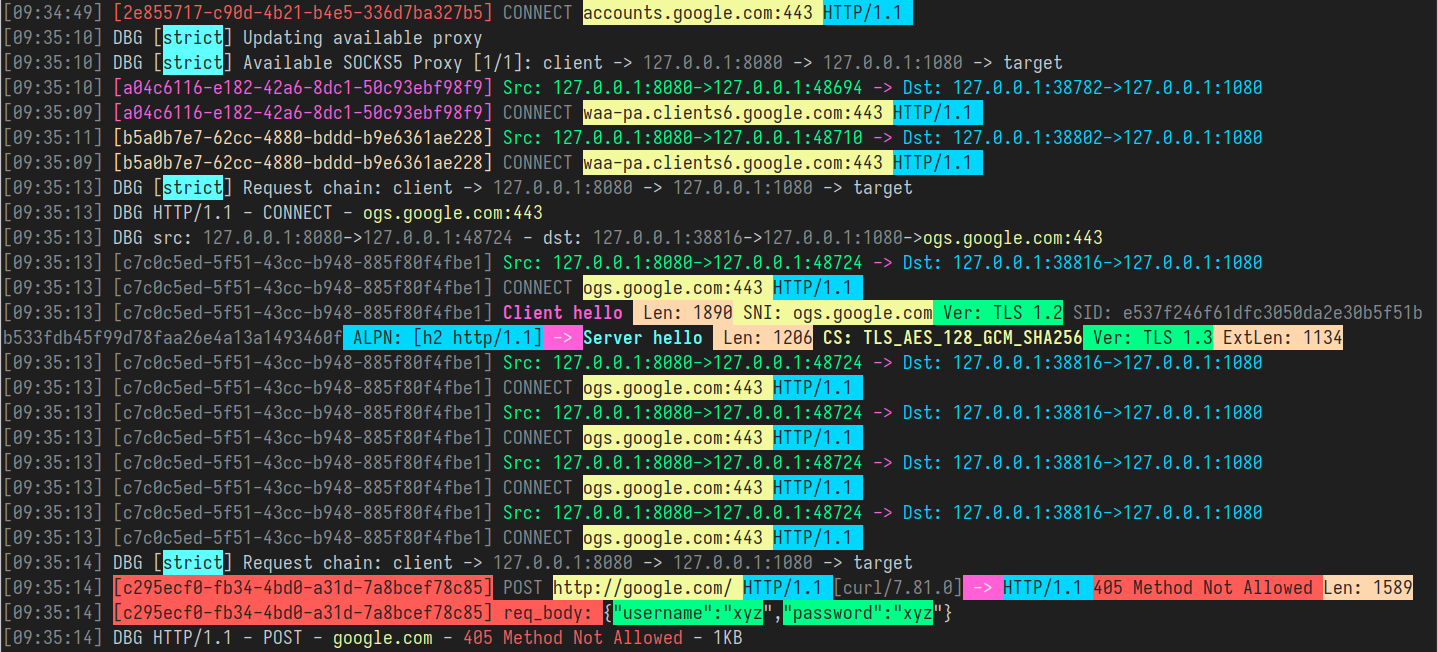 shadowy-pycoder/go-http-proxy-to-socks
CLI MITM proxy that converts SOCKS4/SOCKS5 into HTTP/HTTPS/HTTP2/HTTP3 proxy with transparent TCP/UDP redirection, ARP/NDP/DNS spoofing, traffic…
 google/honggfuzz
Security oriented software fuzzer. Supports evolutionary, feedback-driven fuzzing based on code coverage (SW and HW based)
 lgandx/responder
Responder is a LLMNR, NBT-NS and MDNS poisoner, with built-in HTTP/SMB/MSSQL/FTP/LDAP rogue authentication server supporting NTLMv1/NTLMv2/LMv2,…
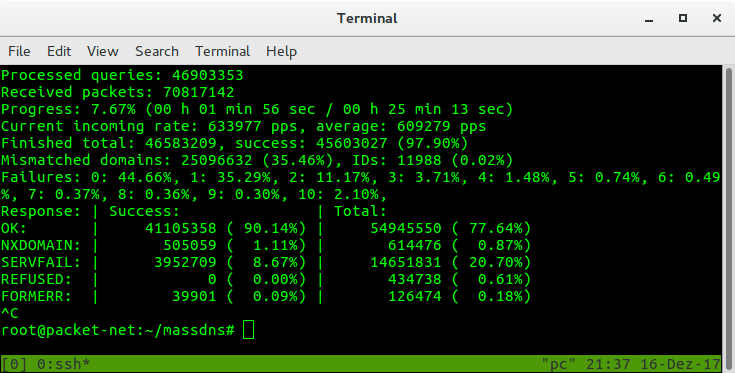 blechschmidt/massdns
A high-performance DNS stub resolver for bulk lookups and reconnaissance (subdomain enumeration)
 cyberdev.hacker/nsec3-x
The modern, high-speed successor to nsec3walker. A specialized NSEC3 forensics engine built in Go for rapid zone harvesting and automated hash…
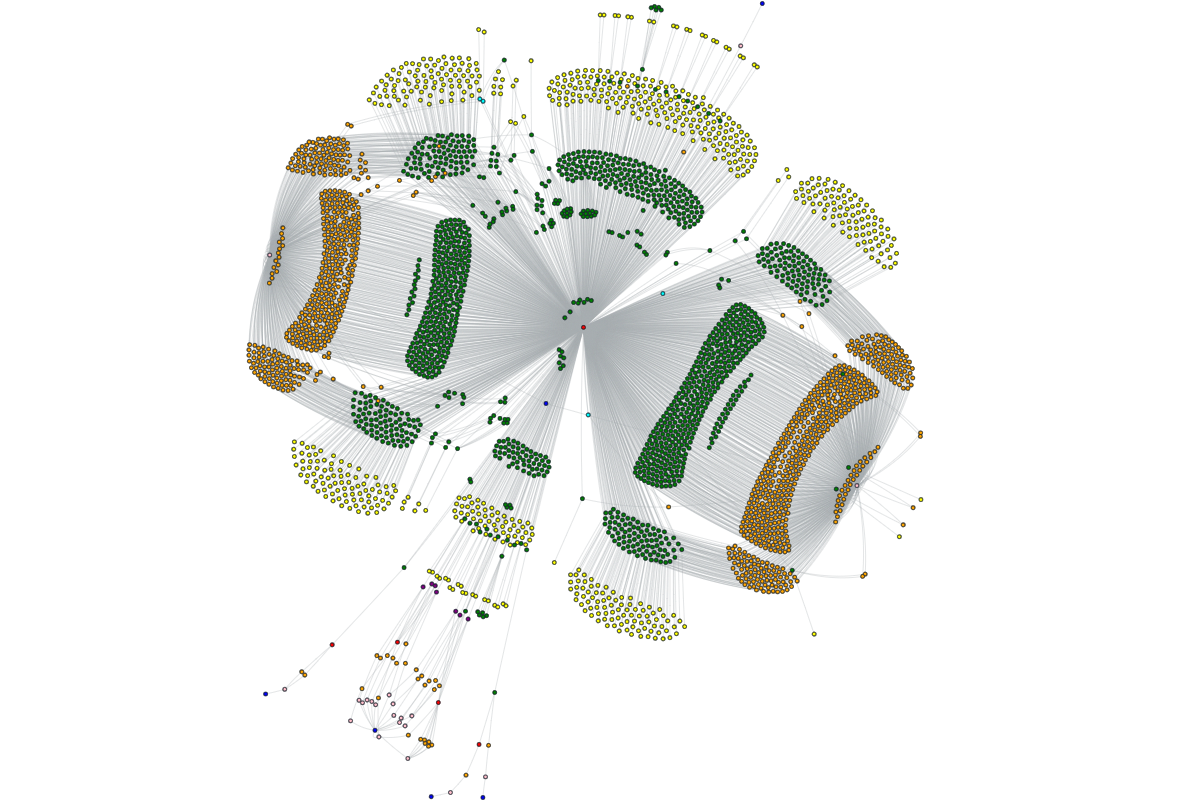 owasp-amass/amass
In-depth attack surface mapping and asset discovery
 boy-hack/ksubdomain
Subdomain enumeration tool, asynchronous dns packets, use pcap to scan 1600,000 subdomains in 1 second