
CVE-2022-26809
 websecnl/cve-2022-26809
Remote Code Execution Exploit in the RPC Library
binary-exploitationexploitationpenetration-testing+2
274 years ago
websecnl/cve-2022-26809Remote Code Execution Exploit in the RPC Library
 edubr2020/rp_recordclip_dll_hijack
Remote DLL hijack exploit for Real Player (CVE-2022-32291) using malicious DLLs from WebDAV/SMB shares to achieve code execution.
 mr-alperen/cve-2022-26810
Remote code execution exploit for CVE-2022-26809 targeting Windows RPC heap buffer overflow with msfvenom shellcode integration and meterpreter…
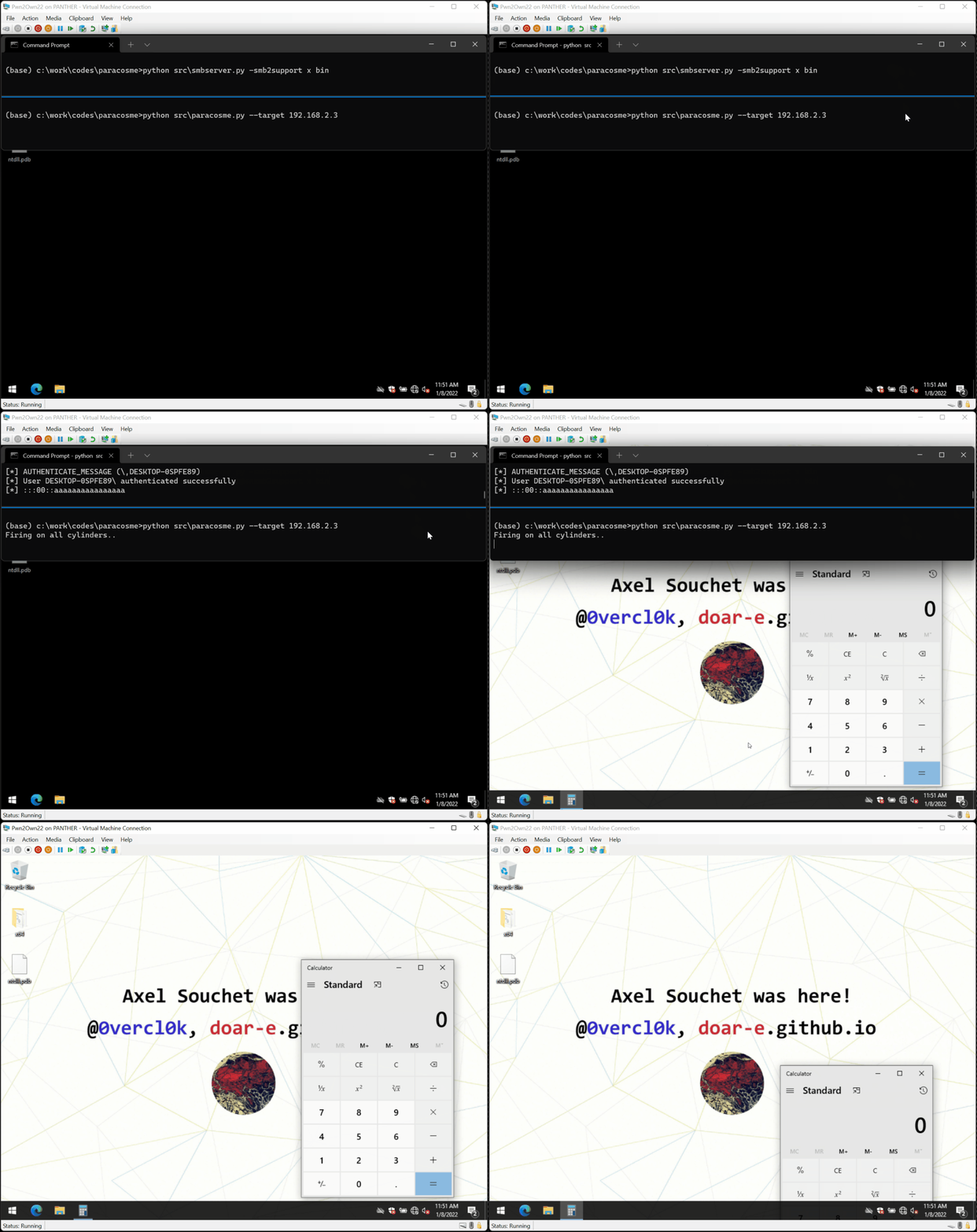 0vercl0k/paracosme
Paracosme is a zero-click remote memory corruption exploit that compromises ICONICS Genesis64 which was demonstrated successfully on stage during the…
 estimated1337/lenovo_exec
CVE-2022-3699 with arbitrary kernel code execution capability
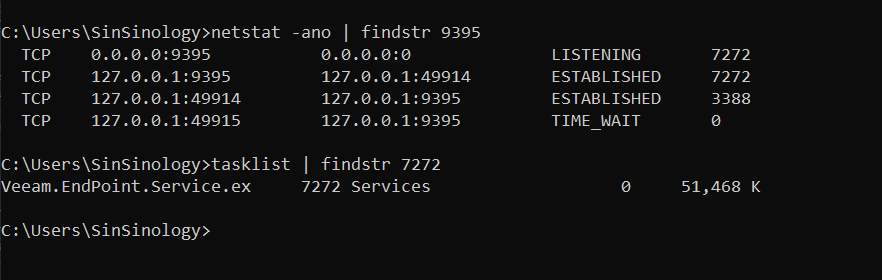 sinsinology/cve-2022-26503
Proof-of-concept exploit for CVE-2022-26503, a local privilege escalation vulnerability in Veeam Agent for Windows via .NET deserialization, enabling…
 joeymeech/cve-2022-0847-exploit-implementation
Using CVE-2022-0847, "Dirty Pipe Exploit", to pop a reverse bash shell for arbitrary code execution on a foreign machine.
 adhikara13/cve-2022-4510-walkingpath
A Python script for generating exploits targeting CVE-2022-4510 RCE Binwalk. It supports SSH, command execution, and reverse shell options. Exploits…
 bariskizilkaya/cve-2022-20186_ctxz
Exploit for CVE-2022-20186 in Arm Mali kernel driver, achieving arbitrary kernel code execution from untrusted app domain to disable SELinux and gain…
 smiletablabo/cve-2022-46395
Exploit for CVE-2022-46395, an Arm Mali kernel driver vulnerability, achieving arbitrary kernel code execution to disable SELinux and gain root on…
 smiletablabo/cve-2022-20186
Exploit for CVE-2022-20186 in the Arm Mali kernel driver, achieving arbitrary kernel code execution to disable SELinux and gain root on Google Pixel…
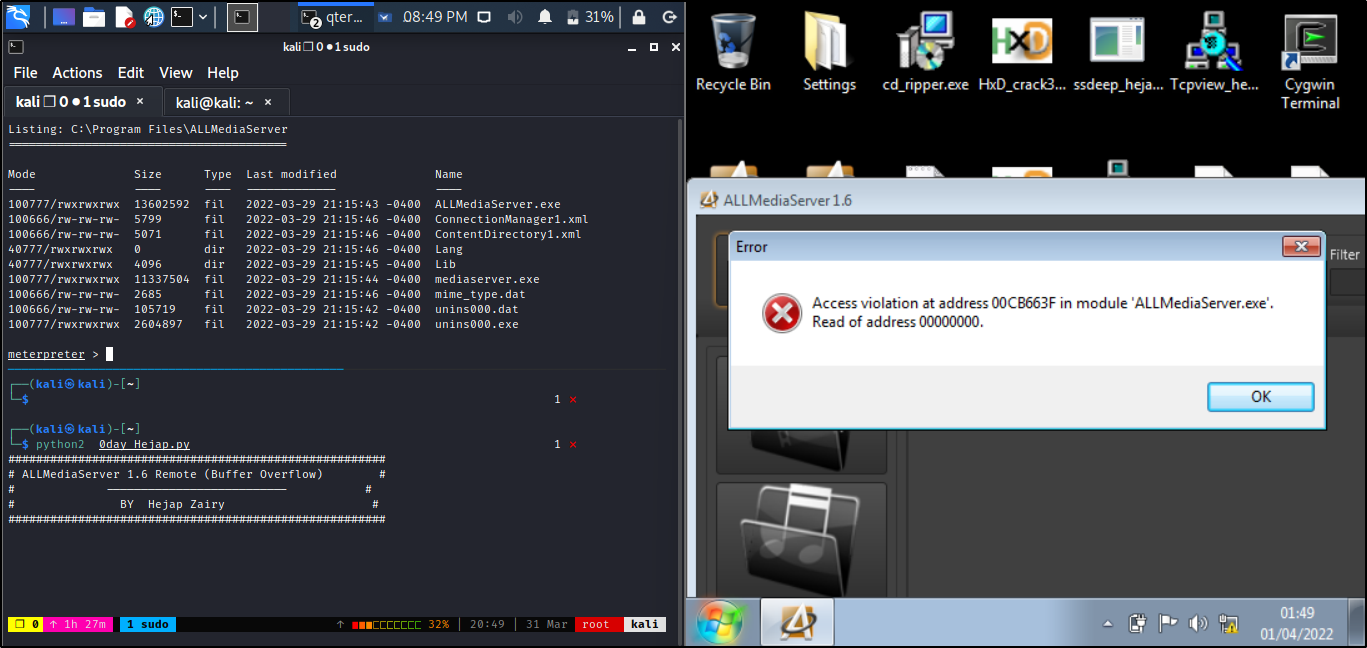 matrix07ksa/allmediaserver-1.6-buffer-overflow
Remote buffer overflow exploit with SEH overwrite for ALLMediaServer 1.6, provided as a Metasploit module targeting CVE-2022-28381.
 ruia-ruia/cve-2022-29582-exploit
Exploit for CVE-2022-29582 targeting Google's Kernel CTF
 code-byter/cve-2022-28113
Unauthenticated RCE exploit for Fantec MWiD25-DS
 iamdarshana/cve-2022-49186-research
Security research and proof-of-concept exploit for CVE-2022-49186, a Linux kernel privilege escalation vulnerability in the Visconti clock driver,…
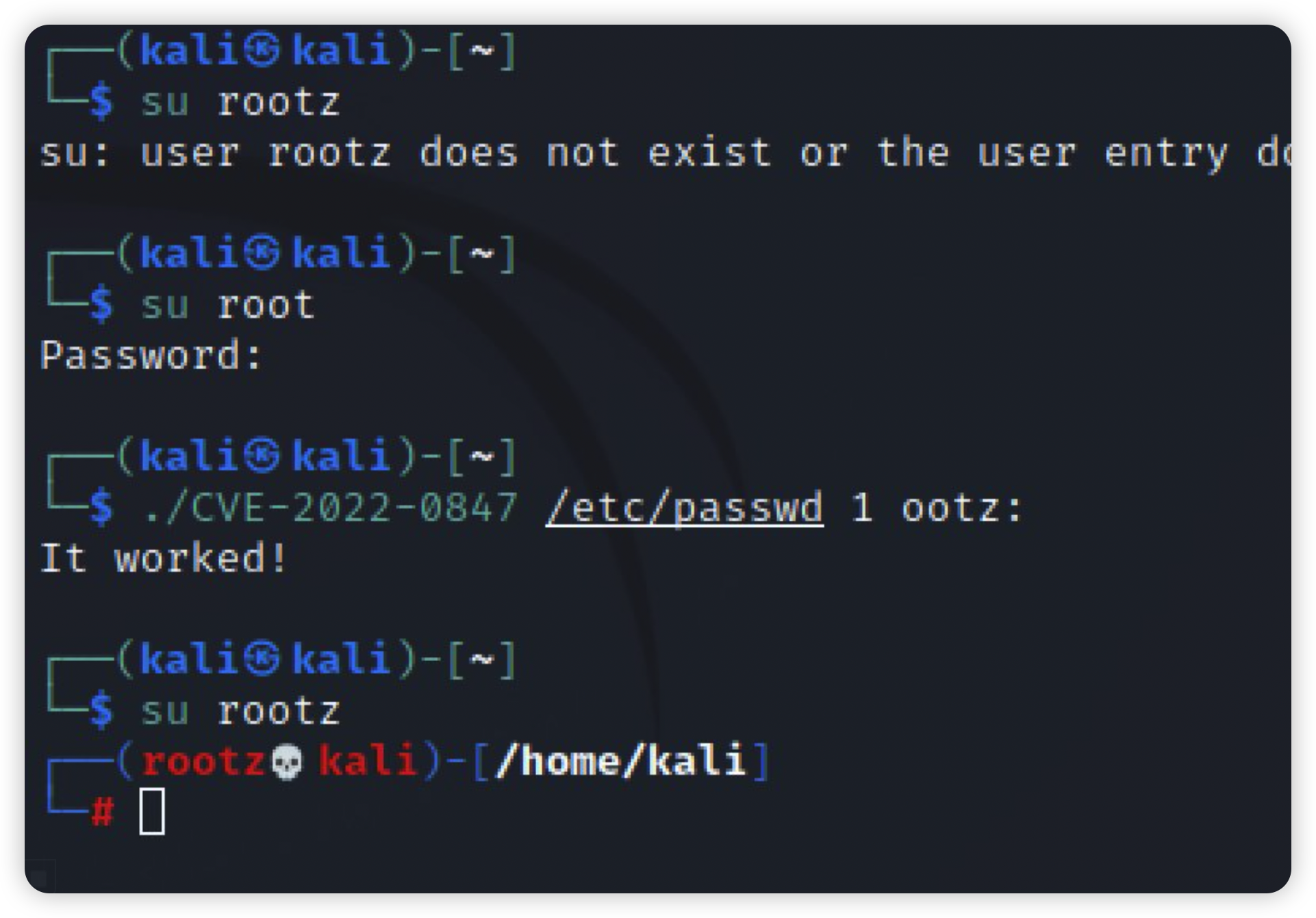 lucksec/cve-2022-0847
Linux kernel privilege escalation exploit for CVE-2022-0847 (Dirty Pipe). Provides a root shell by overwriting arbitrary read-only files. Includes…
 ianyong/cve-2022-32223
Demonstration exploit for CVE-2022-32223: DLL hijacking in Node.js on Windows via malicious providers.dll, targeting OpenSSL installations.
 vportal/cve-2022-22715
Exploit code for CVE-2022-22715 (Windows Dirty Pipe), a sandbox escape and privilege escalation via named pipe TOKEN object corruption, with a linked…