 yonathanpy/cve-2025-65320
CVE-2025-65320 proof-of-concept demonstrating cleartext license key extraction from process memory via debugger attachment, enabling software activation bypass on Abacre Restaurant POS.

Cleartext Storage of Sensitive Licensing Material in Process Memory in Abacre Restaurant Point of Sale (POS)
A vulnerability exists in Abacre Restaurant Point of Sale (POS) versions <= 15.0.0.1656 where sensitive licensing data is stored in cleartext in process memory during the software activation workflow.
During the license activation procedure, the application generates and processes device‑bound license keys that are intended to validate the software installation against a specific machine. However, these values are allocated in process memory without adequate protection or secure memory handling mechanisms.
Because these values remain in memory in plain form, an attacker with local access can attach a debugger to the running process and extract the licensing material directly from memory.
This allows recovery of valid license keys that can then be reused to activate the software on the same machine without purchasing a license.
Product: Abacre Restaurant Point of Sale (POS)
Vendor: Abacre Limited
Affected Versions: <= 15.0.0.1656
Primary weakness:
Related weakness:
During the activation routine, the POS application performs the following operations:
The application does not implement protections such as:
As a result, the license key can be extracted using common reverse‑engineering techniques.
The issue occurs during the license activation attempt, when the application processes and validates licensing material.
At this stage:
are all temporarily stored in process memory without obfuscation or protection.
An attacker with local access to the machine can perform the following steps:
Because the license key is stored in cleartext memory, it can be extracted directly from the process memory space.
The extracted key can then be reused to activate the software on the same machine without purchasing a license.
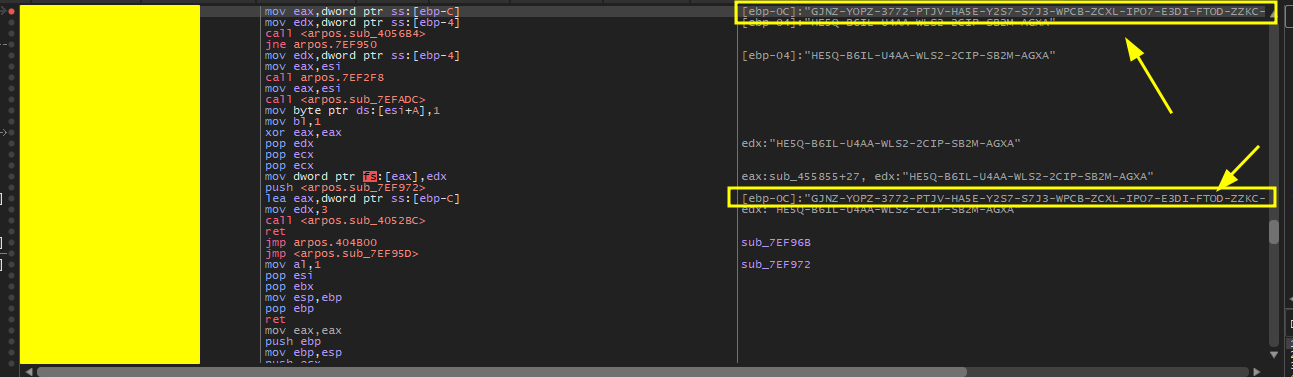
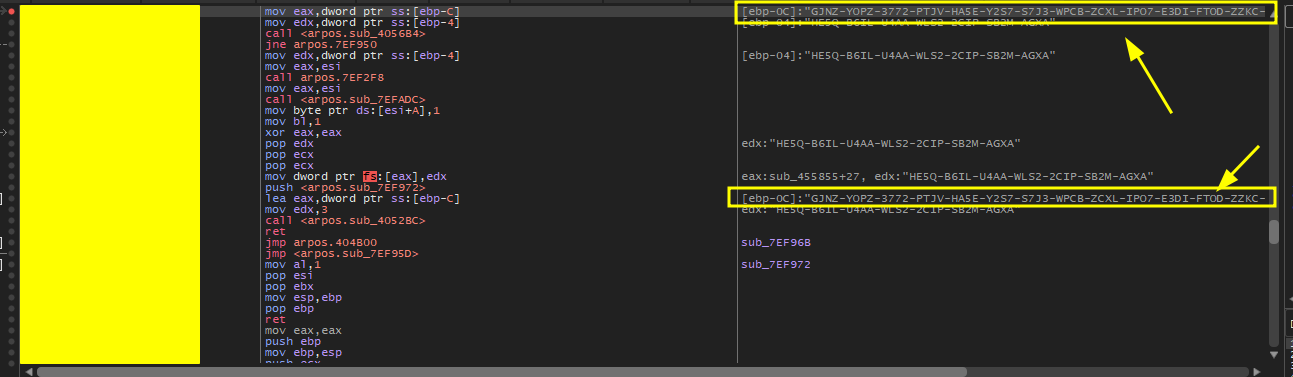
The following images show debugger output and runtime memory inspection where the license keys are visible in process memory during activation.
![Memory Analysis Evidence]
![Debugger Memory View]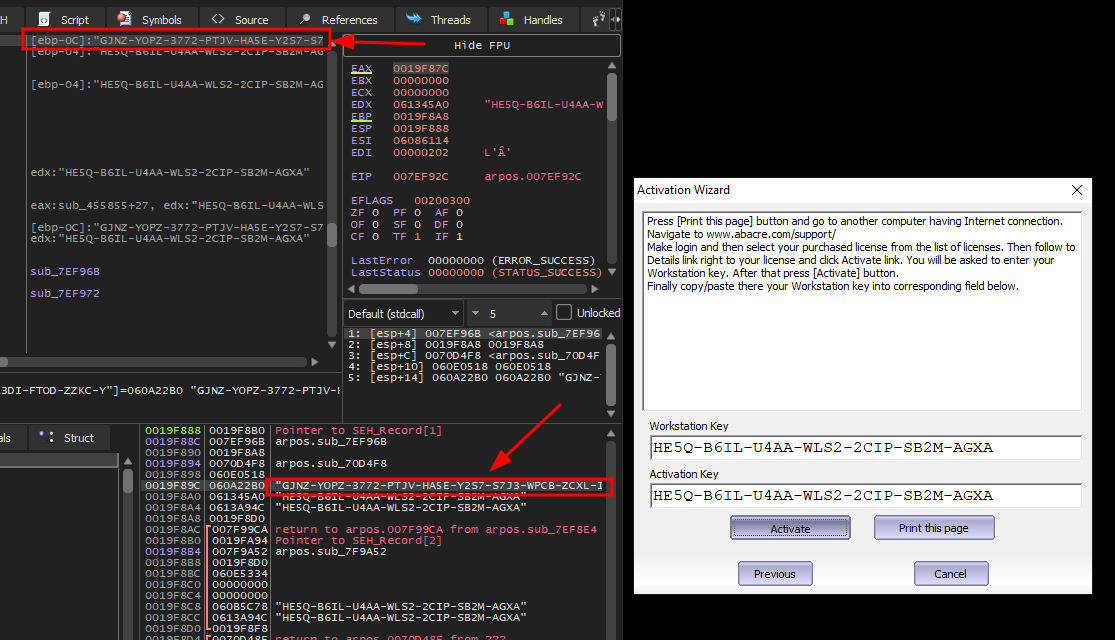
The following images demonstrate successful activation using the recovered license key.
![Activated Software Screenshot]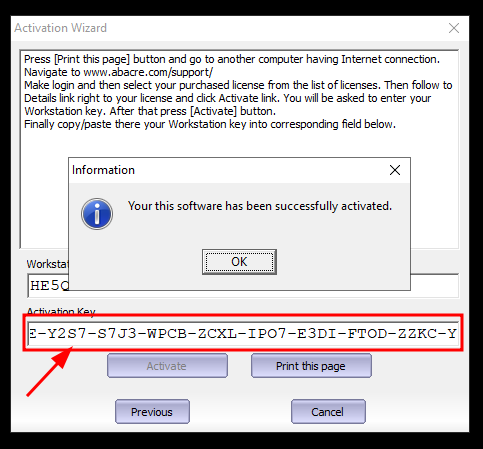
![Activation Confirmation]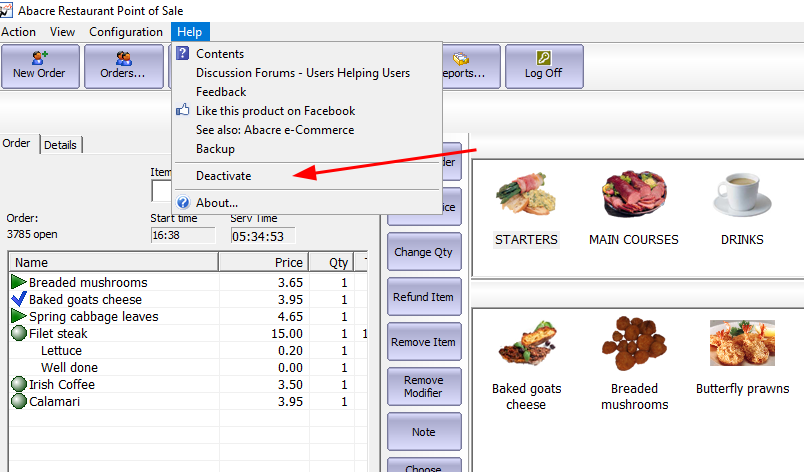
![Activated UI State]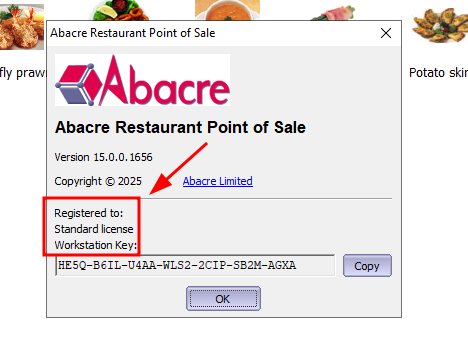
Successful exploitation allows an attacker to:
While this issue primarily impacts software licensing integrity, it demonstrates improper handling of sensitive information in memory.
The vulnerability is caused by insecure handling of sensitive licensing data in memory. Specifically:
To prevent similar vulnerabilities, the vendor should:
| Date | Event |
|---|---|
| 2025 | Vulnerability discovered |
| 2025 | Vendor notified |
| 2025 | CVE assigned |
