 wecooperate/imonitorsdk
The world's most powerful System Activity Monitor Engine · 一款功能强大的终端行为采集防御开发套件 ~ 旨在帮助EDR、零信任、数据安全、审计管控等终端安全软件可以快速实现产品功能, 而不用关心底层驱动的开发、维护和兼容性问题,让其可以专注于业务开发

iMonitorSDK is a development kit that provides system behavior monitoring for endpoint and the cloud security.
It is designed to help industrial applications such as security, endpoint management, and auditing can quickly implement necessary functions without worrying about the development, maintenance and compatibility of kernel drivers, allowing them to focus on business development.
iMonitorSDK uses a communication framework based on message protocol to make driver development more stable and fast. All monitoring is implemented in a stable, standard way and supports Windows from XP to Win11. Linux and MacOS are also planning support.
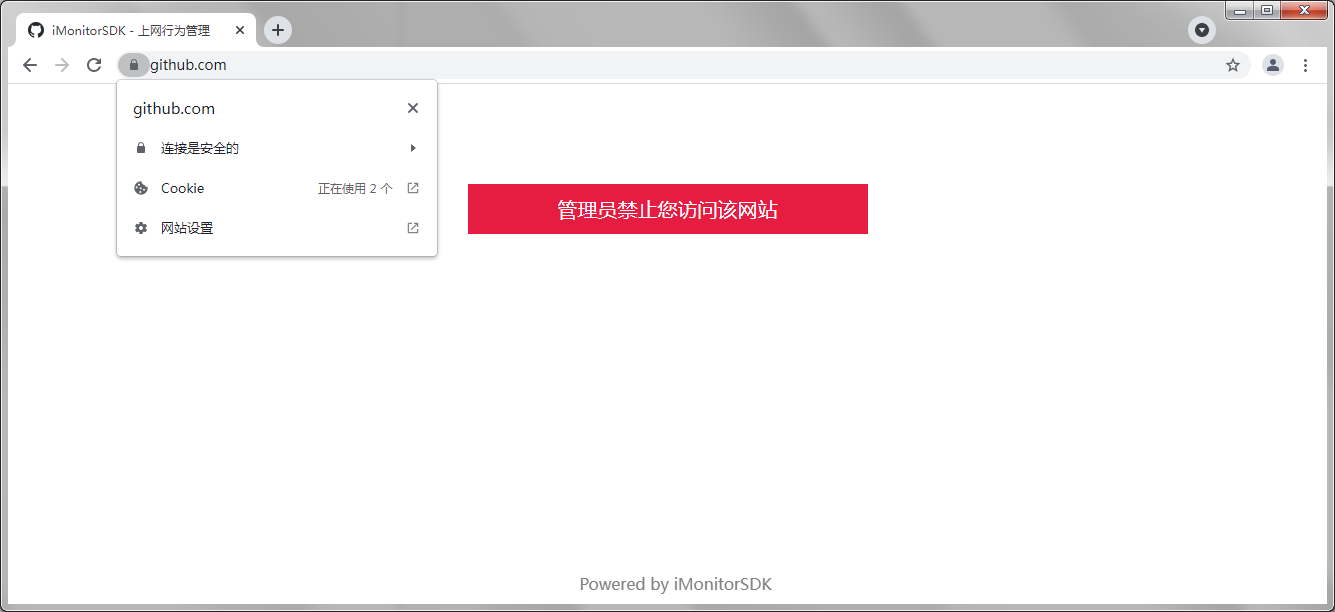
Using iMonitorSDK, you can realize self-protection, process interception, ransomware defense, active defense, Internet behavior management and other endpoint security functions at a very low cost.
Process, File, Registry, Network real-time monitoring, support interception and prohibition
Process, File, Registry Protection
Process startup, module loading interception, module injection
File interception and redirection
Network firewall, traffic proxy, protocol analysis
Rule engine, script support
Example 1: Process start interception
class MonitorCallback : public IMonitorCallback
{
public:
	void OnCallback(IMonitorMessage* Message) override
	{
		if (Message->GetType() != emMSGProcessCreate)
			return;

		cxMSGProcessCreate* msg = (cxMSGProcessCreate*)Message;

		//
		// Block the process of the process name cmd.exe from starting
		//

		if (msg->IsMatchPath(L"*\\cmd.exe"))
			msg->SetBlock();
	}
};

int main()
{
	MonitorManager manager;
	MonitorCallback callback;

	HRESULT hr = manager.Start(&callback);

	if (hr != S_OK) {
		printf("start failed = %08X\n", hr);
		return 0;
	}

	cxMSGUserSetMSGConfig config;
	config.Config[emMSGProcessCreate] = emMSGConfigSend;
	manager.InControl(config);

	WaitForExit("Block the process of the process name cmd.exe from starting");

	return 0;
}
Example 2: Self-protection
class MonitorCallback : public IMonitorCallback
{
public:
	void OnCallback(IMonitorMessage* Message) override
	{}
};

int main()
{
	MonitorManager manager;
	MonitorCallback callback;

	HRESULT hr = manager.Start(&callback);

	if (hr != S_OK) {
		printf("start failed = %08X\n", hr);
		return 0;
	}

	manager.InControl(cxMSGUserEnableProtect());

	{
		cxMSGUserAddProtectRule rule;
		rule.ProtectType = emProtectTypeProcessPath | emProtectTypeFilePath;
		wcsncpy(rule.Path, L"*\\notepad.exe", MONITOR_MAX_BUFFER);
		manager.InControl(rule);
	}

	{
		cxMSGUserAddProtectRule rule;
		rule.ProtectType = emProtectTypeFilePath;
		wcsncpy(rule.Path, L"*\\protect>", MONITOR_MAX_BUFFER);
		manager.InControl(rule);
	}

	{
		cxMSGUserAddProtectRule rule;
		rule.ProtectType = emProtectTypeRegPath;
		wcsncpy(rule.Path, L"*\\iMonitor>", MONITOR_MAX_BUFFER);
		manager.InControl(rule);
	}

	{
		cxMSGUserAddProtectRule rule;
		rule.ProtectType = emProtectTypeTrustProcess;
		wcsncpy(rule.Path, L"*taskkill*", MONITOR_MAX_BUFFER);
		manager.InControl(rule);
	}

	WaitForExit("SelfProtect");

	manager.InControl(cxMSGUserRemoveAllProtectRule());
	manager.InControl(cxMSGUserDisableProtect());

	return 0;
}
Example 3: Sysmon
class MonitorCallback : public IMonitorCallback
{
public:
	void OnCallback(IMonitorMessage* msg) override
	{
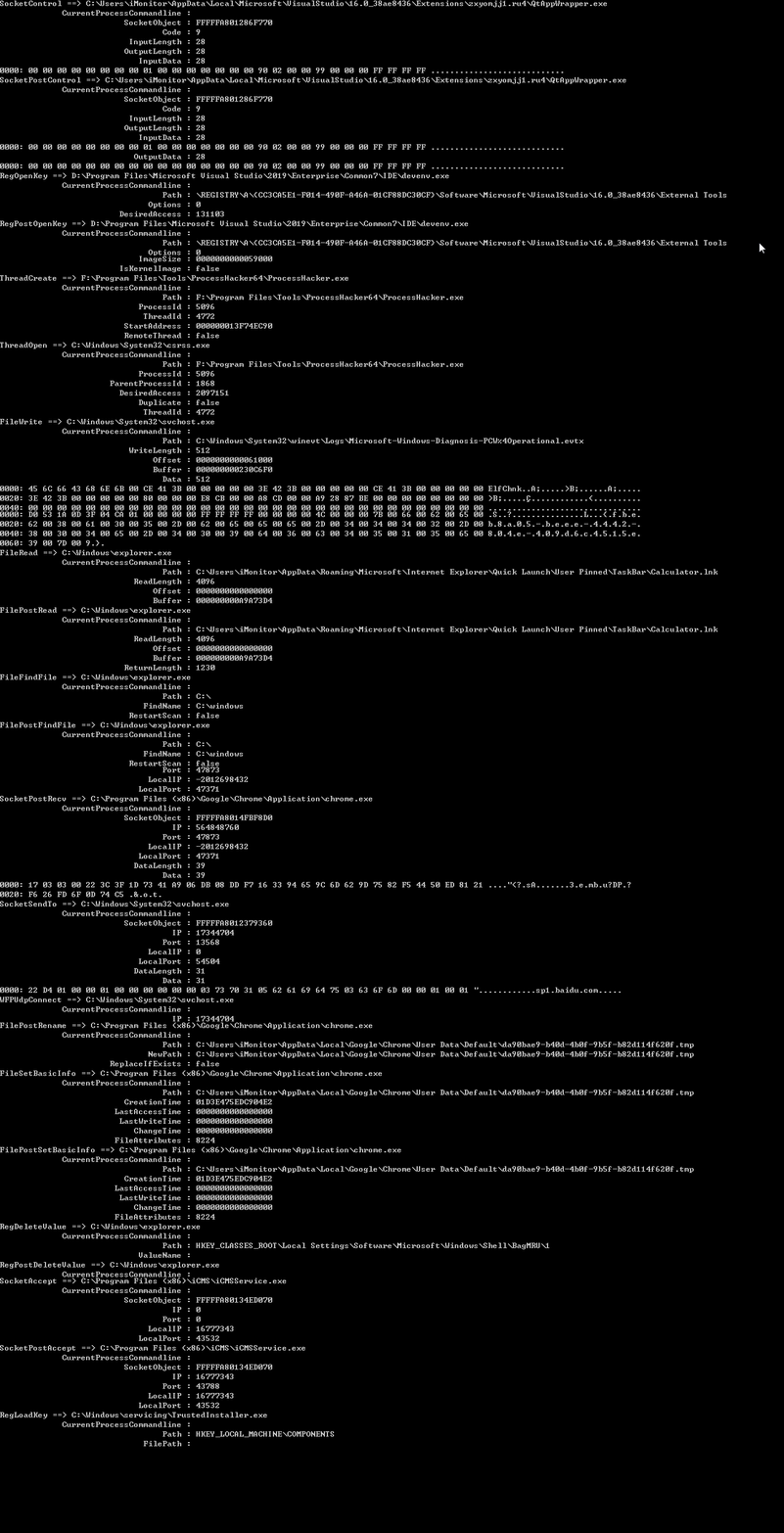
		printf("%S ==> %S\n", msg->GetTypeName(), msg->GetFormatedString(emMSGFieldCurrentProcessPath));

		for (ULONG i = emMSGFieldCurrentProcessCommandline; i < msg->GetFieldCount(); i++) {
			printf("\t%30S : %-30S\n", msg->GetFieldName(i), msg->GetFormatedString(i));
		}
	}
};

int main()
{
	MonitorManager manager;
	MonitorCallback callback;

	HRESULT hr = manager.Start(&callback);

	if (hr != S_OK) {
		printf("start failed = %08X\n", hr);
		return 0;
	}

	cxMSGUserSetMSGConfig config;
	for (int i = 0; i < emMSGMax; i++) {
		config.Config[i] = emMSGConfigPost;
	}
	manager.InControl(config);

	WaitForExit("");

	return 0;
}
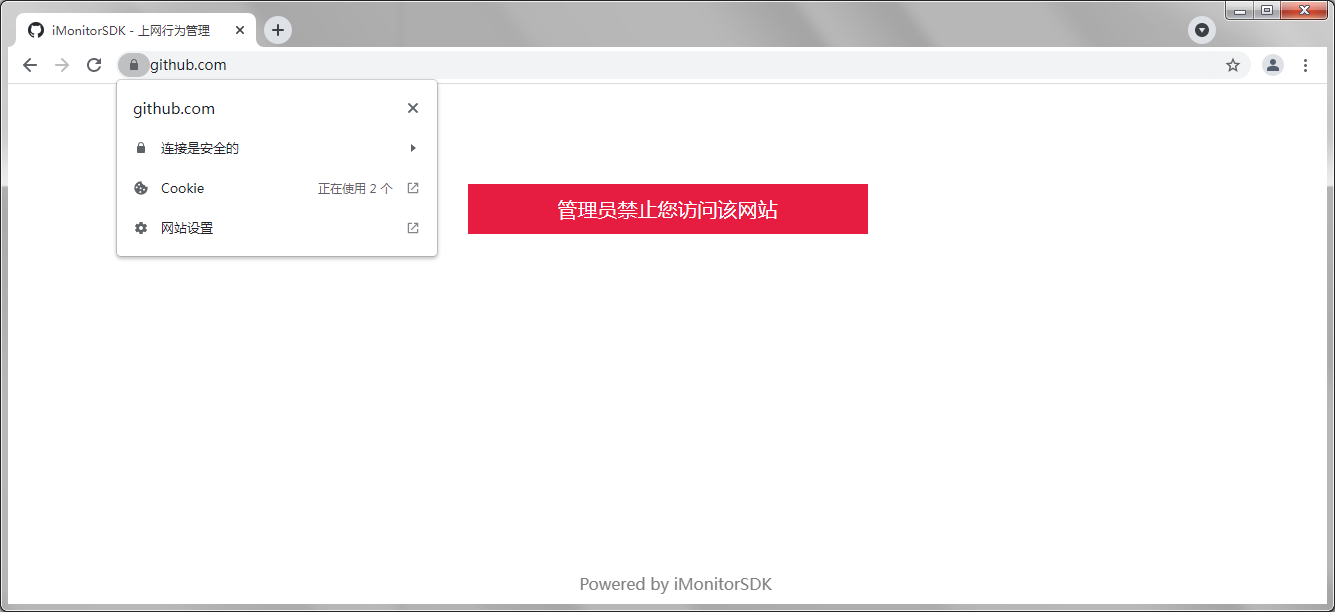
Example 4: Internet Access Control (based on network redirection, support https, refer to http_access_control example for details)
More examples can refer to the sample directory.
