 pkblanks/remediating-cve-2013-3900-enablecertpaddingcheck-
Step-by-step remediation report for CVE-2013-3900 on Windows Server 2019 Azure VM, using Tenable/Nessus credentialed scans and registry hardening to enforce certificate padding checks.

Remediating CVE-2013-3900 (EnableCertPaddingCheck)
During an authenticated vulnerability scan using Tenable/ Nessus, I identified CVE-2013-3900 on my Windows Server 2019 Datacenter instance hosted in Microsoft Azure. The scan utilized valid administrative credentials to perform in-depth checks, confirming the presence of this vulnerability at the OS level.
CVE-2013-3900 is a WinVerifyTrust signature validation vulnerability that can allow attackers to bypass digital signature verification, particularly through maliciously modified PE files.
To mitigate this vulnerability, I plan to apply Microsoft’s recommended registry-level fix, which enforces stricter signature verification. I will also validate whether this mitigation can be applied safely in our environment without breaking application compatibility.


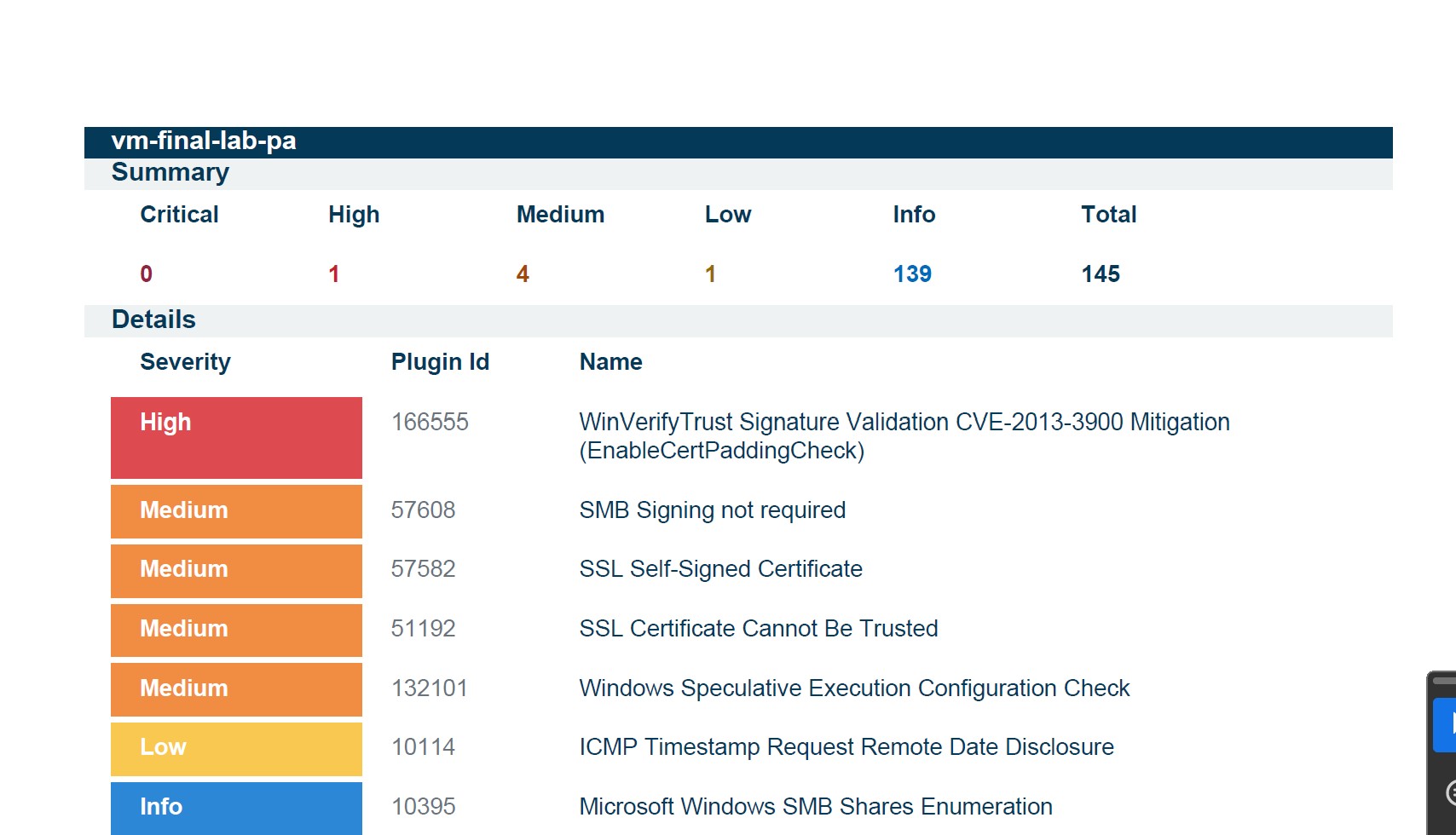
During a credentialed/ authenticated vulnerability scan using Tenable/ Nessus, the internal scan engine flagged CVE-2013-3900 — a known high-severity vulnerability — on a Windows Server 2019 Datacenter instance hosted in Microsoft Azure. Nessus classifies this vulnerability as High, due to its ability to bypass digital signature verification, enabling malicious payloads to appear as trusted code. The initial internal scan results using Nessus can be seen below:
To mitigate this vulnerability, the following registry-level configuration was applied:
Search for cmd, right-click on Command Prompt, and select Run as administrator.
reg add "HKLM\Software\Microsoft\Cryptography\Wintrust\Config" /v EnableCertPaddingCheck /t REG_DWORD /d 1 /f
reg add "HKLM\Software\Wow6432Node\Microsoft\Cryptography\Wintrust\Config" /v EnableCertPaddingCheck /t REG_DWORD /d 1 /f
These registry keys enable strict certificate padding checks by setting EnableCertPaddingCheck to 1, thus preventing attackers from exploiting padding flaws in signed PE files.
A system reboot was performed to ensure the changes applied across all processes and services.
After a successful credentialed scan , we can now observe that the vulnerability has been eliminated as shown below:
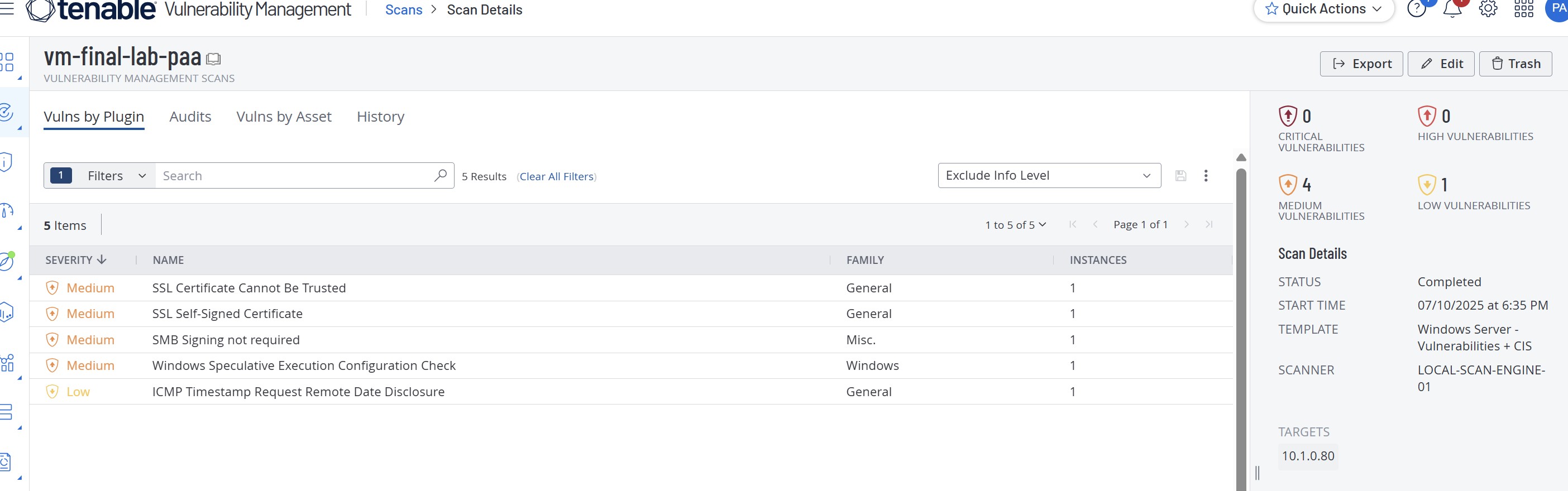
Following remediation, a subsequent authenticated Nessus scan confirmed that CVE-2013-3900 has been fully resolved.
⚠️ Risks of Leaving CVE-2013-3900 Unpatched:
CVE-2013-3900 is a critical stealth attack vector that undermines the trust model of digitally signed software. Through prompt remediation and verification, this system is now hardened against this threat.
Regular credentialed scanning, combined with patch validation and configuration enforcement, remains a cornerstone of our Vulnerability Management Program.
