 malaya-m/cve-2013-3900-remediation-report
Step-by-step remediation guide for CVE-2013-3900 WinVerifyTrust vulnerability on Windows Server 2019, including registry fix, reboot, and credentialed Nessus scan verification.

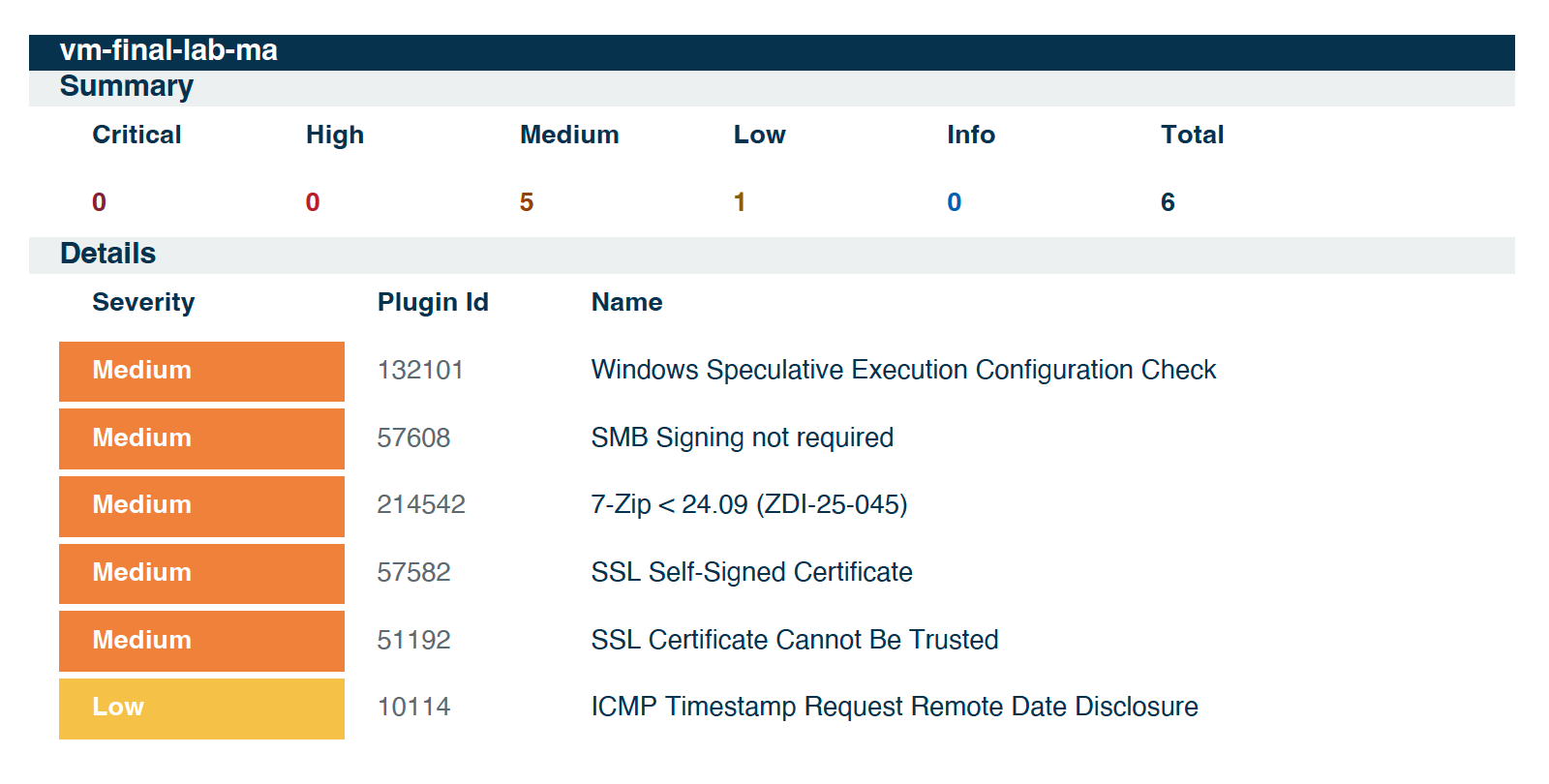
During a recent authenticated vulnerability assessment conducted using Tenable Nessus, CVE-2013-3900 was detected on a Windows Server 2019 virtual machine hosted in Microsoft Azure. This scan leveraged administrative credentials, allowing for in-depth inspection of the system’s configuration and registry settings.
The issue stems from a flaw in how Windows handles signature validation via the WinVerifyTrust function. Exploiting this vulnerability, a malicious actor could bypass integrity checks by appending data to signed executable files—potentially leading to the execution of untrusted code under the guise of a valid signature. (Source: Microsoft)
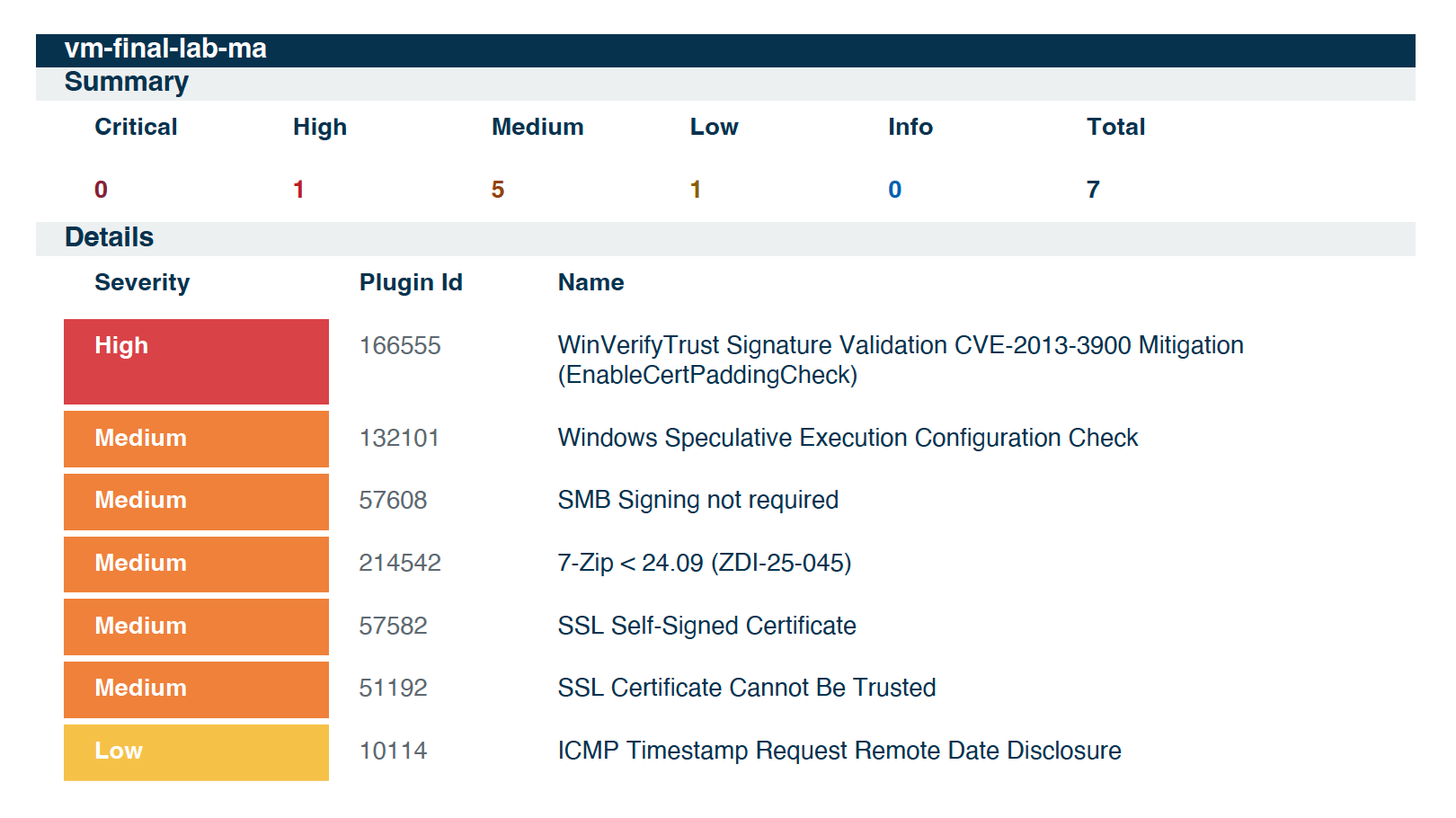
To address this issue, Microsoft recommends enabling the EnableCertPaddingCheck registry setting. This enforces stricter validation and prevents the acceptance of improperly padded PE files.
cmd, right-click, and select Run as AdministratorUse the following commands to modify registry values for both 64-bit and 32-bit subsystems:
reg add "HKLM\Software\Microsoft\Cryptography\Wintrust\Config" /v EnableCertPaddingCheck /t REG_DWORD /d 1 /f
reg add "HKLM\Software\Wow6432Node\Microsoft\Cryptography\Wintrust\Config" /v EnableCertPaddingCheck /t REG_DWORD /d 1 /f
Once the registry keys were successfully added, a system reboot was performed to ensure the configuration changes took full effect across all active services and processes.
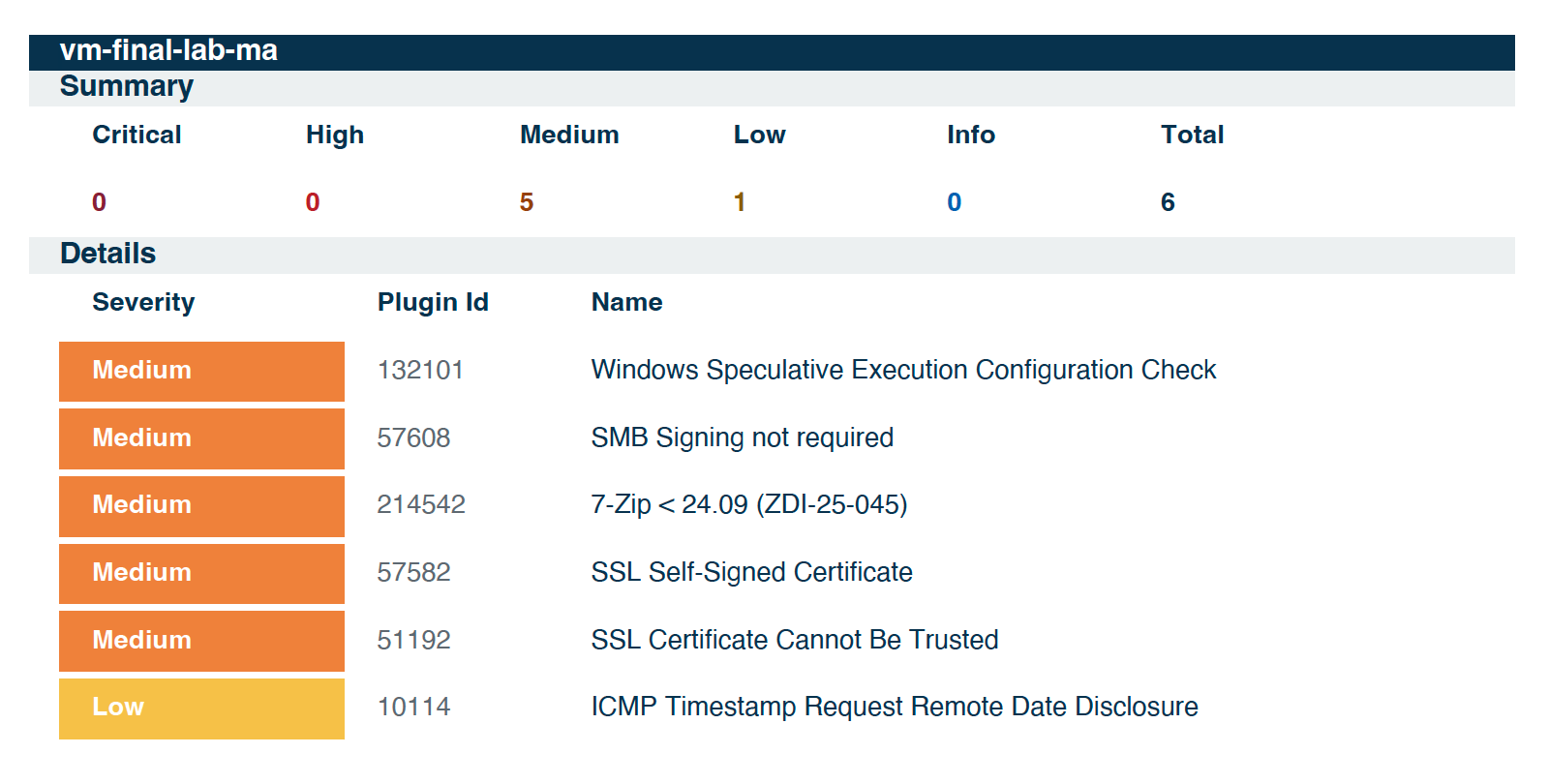
A follow-up credentialed Nessus scan was conducted after the reboot. The vulnerability CVE-2013-3900 no longer appeared in the scan results, confirming that the mitigation steps were successful and the system is no longer vulnerable to this signature bypass exploit.
Leaving this vulnerability unaddressed could lead to several significant security and compliance risks:
Bypassing Digital Signature Verification
Attackers may embed malicious code in signed executables without invalidating the signature.
Avoidance of Security Tools
Malware can evade antivirus, endpoint detection and response (EDR), and application whitelisting mechanisms.
Privilege Escalation & Remote Code Execution
Exploitation may lead to system compromise, data exfiltration, or lateral movement within the network.
Software Supply Chain Attacks
Unsuspecting users may install tampered software that appears to be signed and trusted.
Regulatory & Legal Exposure
Non-remediation may violate security requirements under HIPAA, NIST, PCI-DSS, CMMC, and other frameworks.
CVE-2013-3900 presents a serious threat by undermining trust in signed software. Through prompt detection, registry-level remediation, and verification via credentialed scanning, this vulnerability was successfully mitigated on the affected Windows Server 2019 system.
This process reinforces the importance of:
