
Step-by-step walkthrough of detecting and analyzing CVE-2024-24919 exploitation using a SIEM platform, including traffic analysis, IOC documentation, containment, and escalation procedures.


This project was conducted to investigate a potential exploitation attempt against a Check Point Security Gateway, specifically leveraging a zero-day vulnerability – CVE-2024-24919. The goal was to determine if this alert was a false positive or a legitimate breach attempt, analyze the traffic, and take appropriate containment and response steps.
172.16.20.146203.160.68.12aCSHELL/../../../../../../../../../../etc/passwdCVE-2024-24919 is a zero-day path traversal vulnerability affecting Check Point Security Gateways. It allows unauthenticated remote attackers to read arbitrary files, such as /etc/passwd and /etc/shadow, by sending crafted HTTP requests to vulnerable endpoints.
This type of request (seen in our logs) is consistent with this vulnerability and triggers alerts due to its attempt to exploit system file reads.
I navigated to the Log Management page, filtered for Destination IP 172.16.20.146, and inspected incoming HTTP traffic.
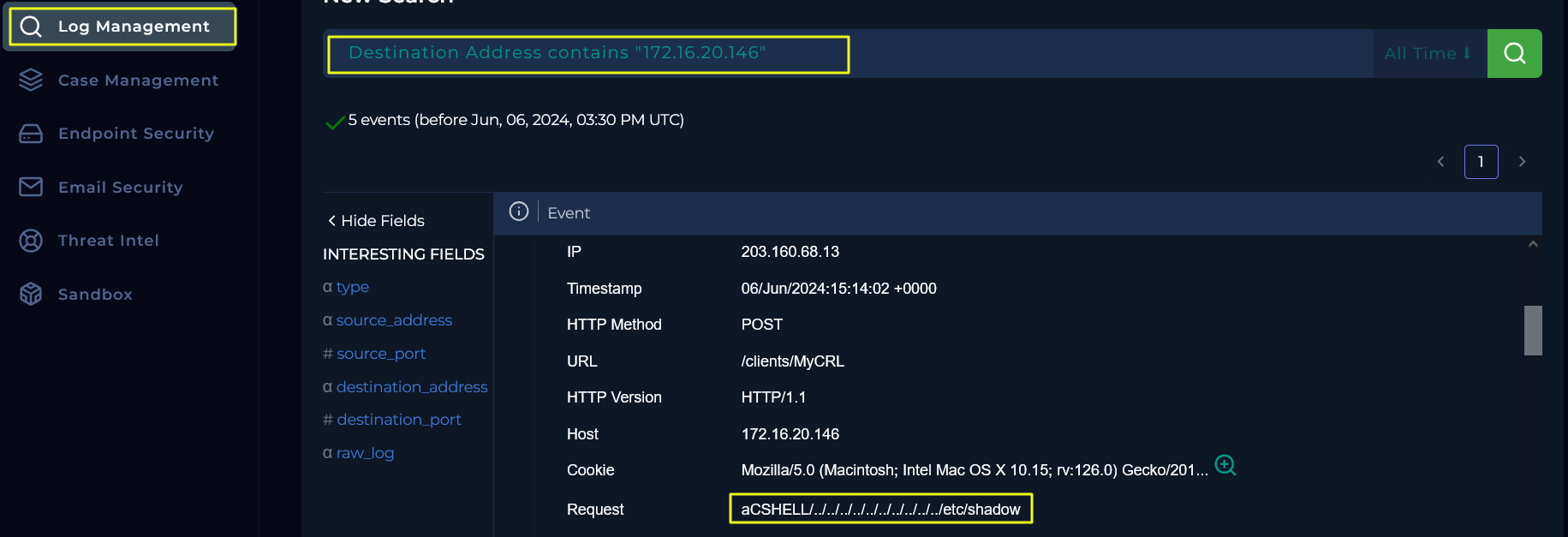
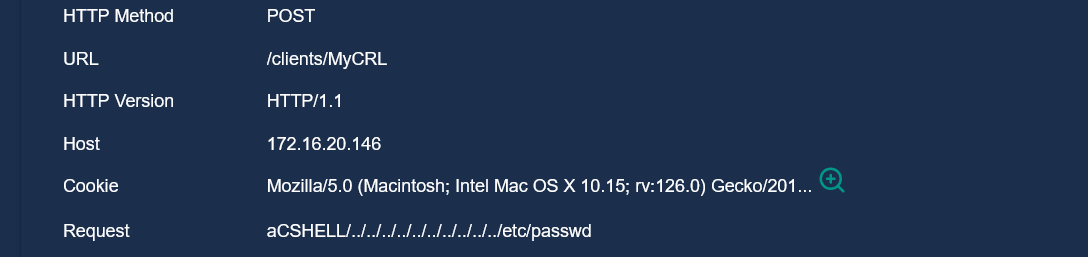

| Timestamp | Request Path | Payload |
|---|---|---|
| 15:12:45 | /clients/MyCRL | aCSHELL/../../../../etc/passwd |
| 15:13:10 | /clients/MyCRL | aCSHELL/../../../../etc/shadow |
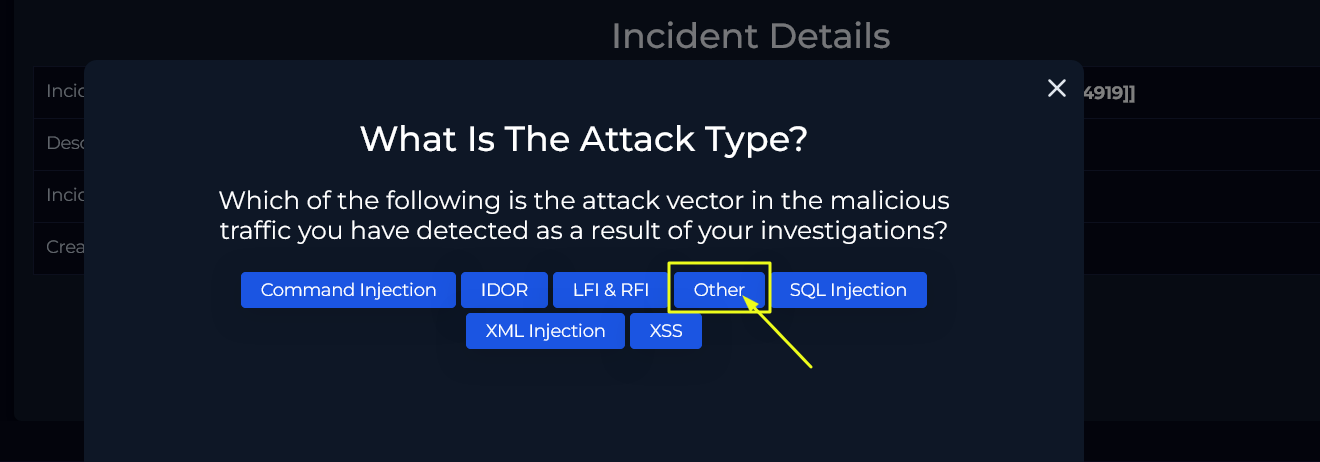
This is a Path Traversal Attack, also known as Directory Traversal. It allows attackers to navigate outside the intended web directory and access protected system files.
Why we concluded this:
../ (dot-dot-slash) patterns./etc/passwd and /etc/shadow are standard indicators.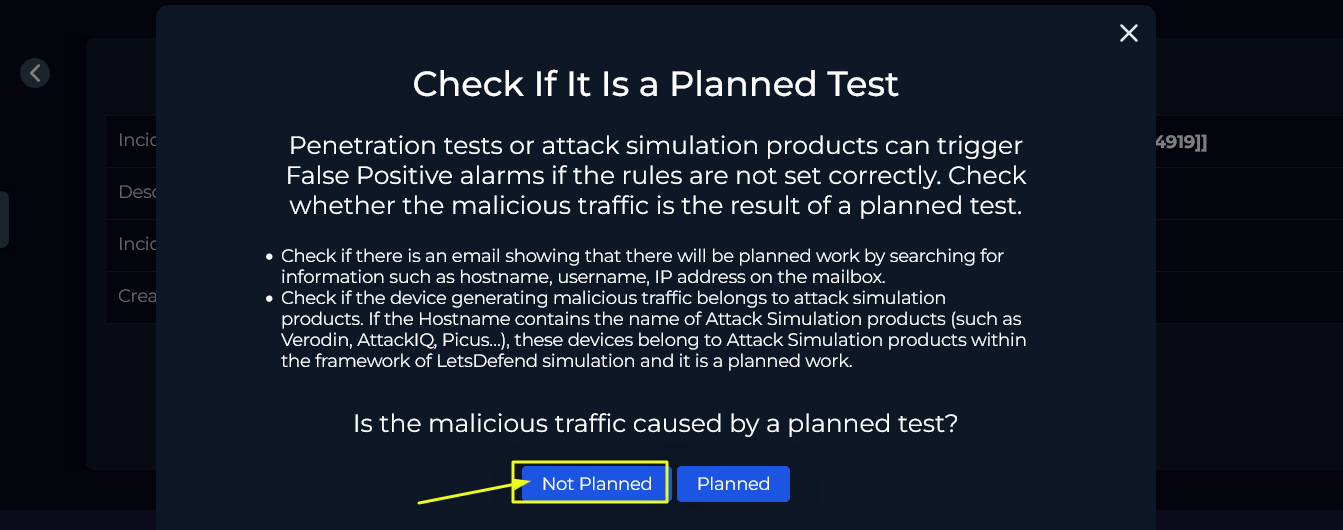
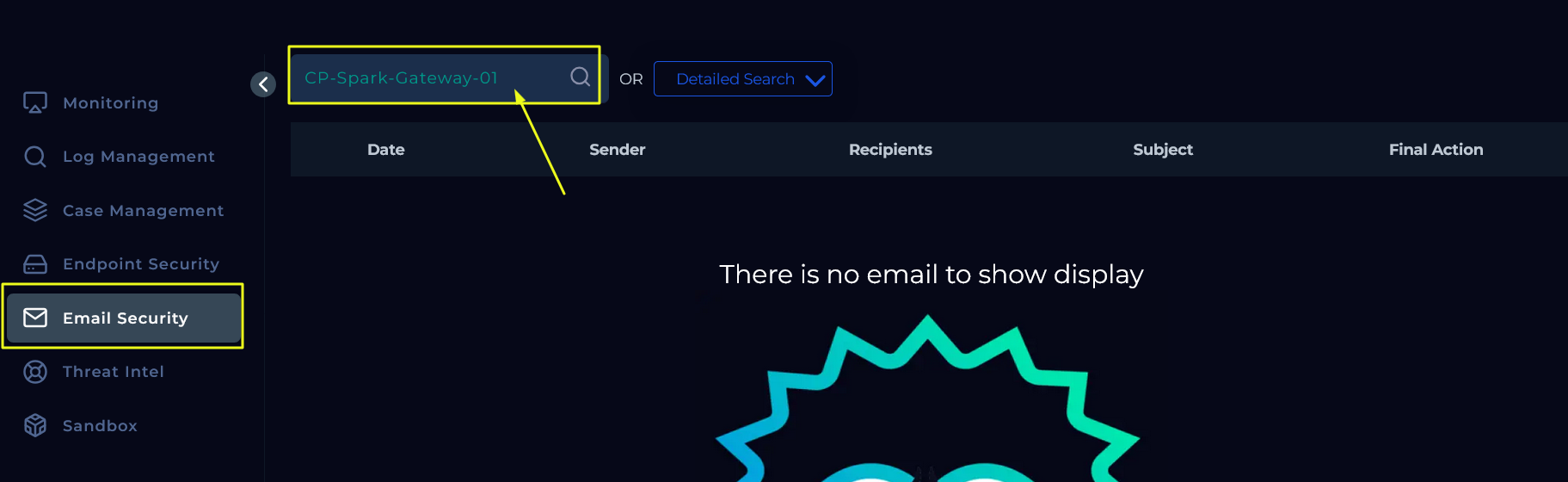
I checked the Email Security Page and searched using these keywords:
172.16.20.146CP-Spark-Gateway-01CVE-2024-24919penetration test🔍 No emails or documentation suggested this was a test. This likely rules out a simulation or red-team operation.
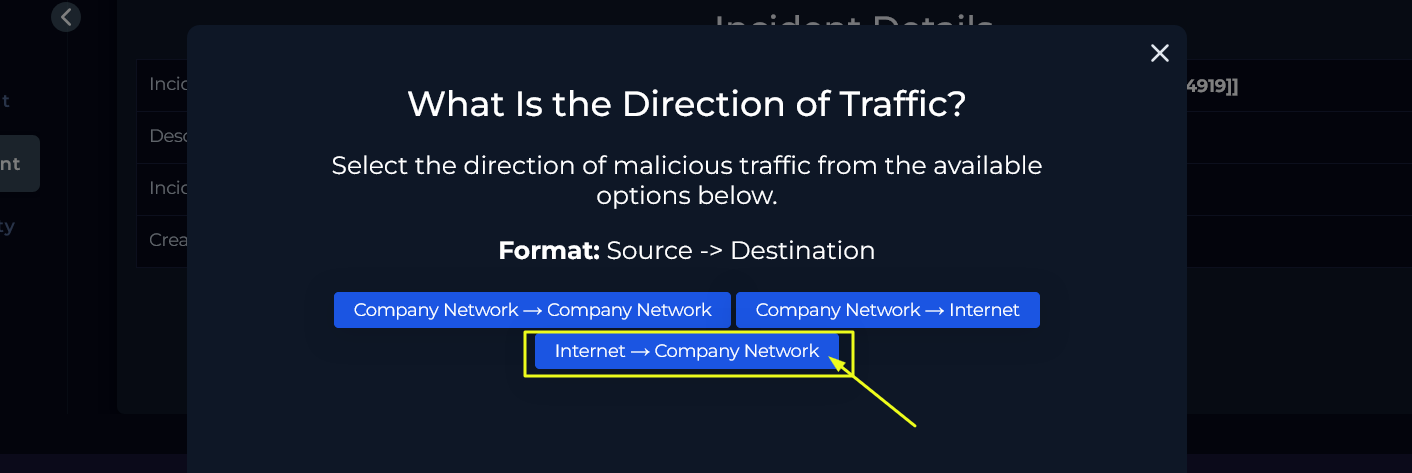
Source IP: 203.160.68.12 → Public IP Address
Destination IP: 172.16.20.146 → Private IP Address (RFC 1918 range)
This confirms the traffic is coming from an external attacker targeting internal infrastructure.
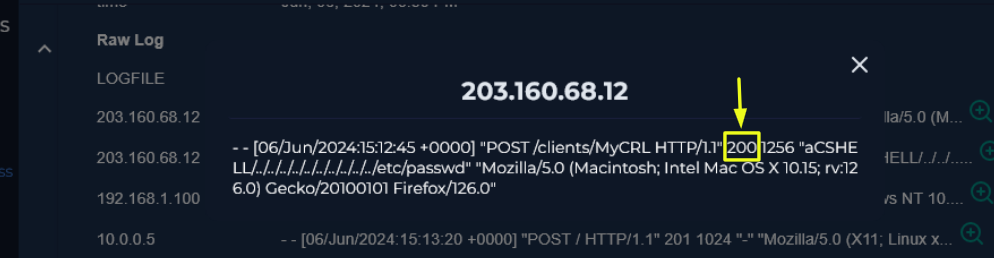
The HTTP log shows:
"POST /clients/MyCRL HTTP/1.1" 200 1256
/etc/passwd, validating a successful exploit.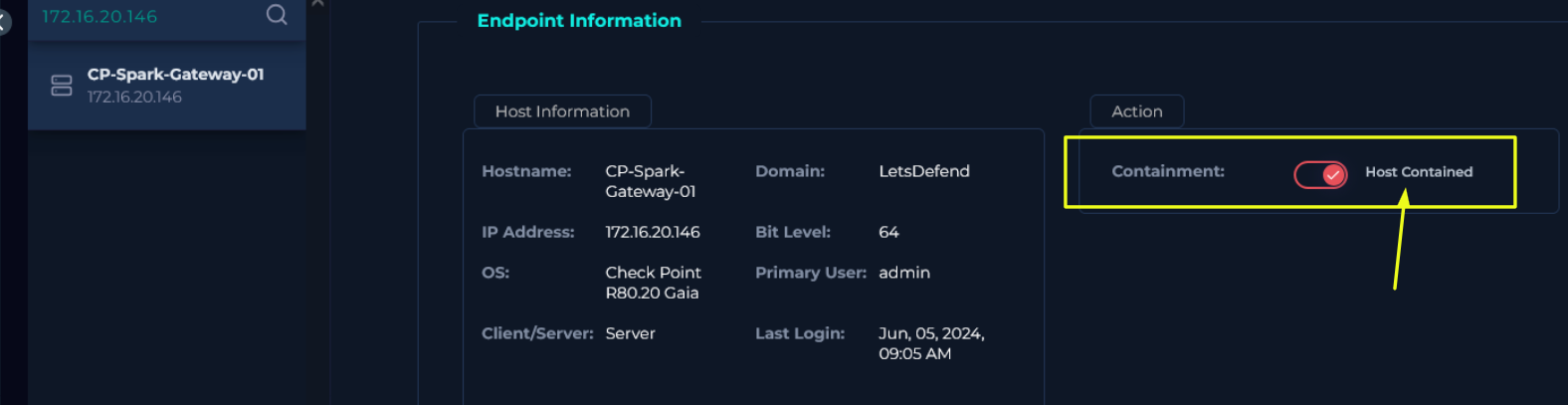
I accessed the Endpoint page, filtered by the destination IP 172.16.20.146, and issued a containment action to isolate the host.
Why?
Indicators of Compromise (IOCs) are crucial for:
Source IP: 203.160.68.12, 203.160.68.13
User-Agent: Mozilla/5.0 (Mac OS X; rv:126.0)
Request Paths:
/clients/MyCRL../../../../etc/passwd, ../../../../etc/shadowTarget Port: 4433 (non-standard HTTPS)
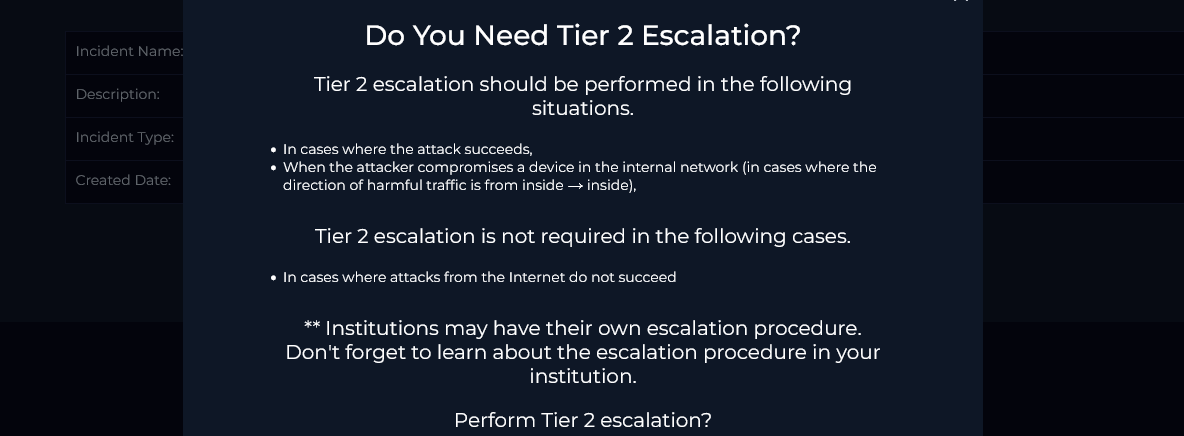
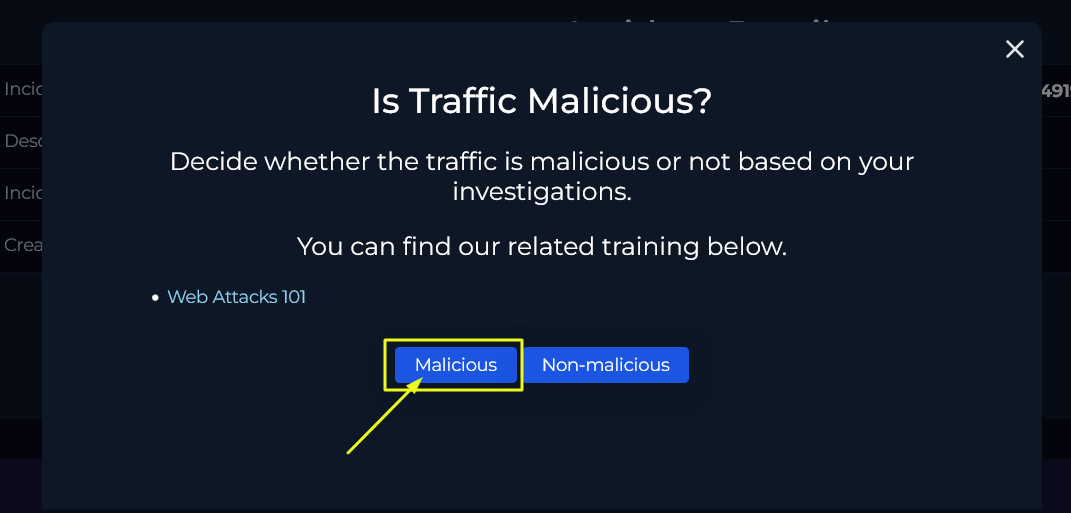
✅ Yes — This is a zero-day vulnerability successfully exploited in a live environment, exposing sensitive files.
Escalation is essential for:
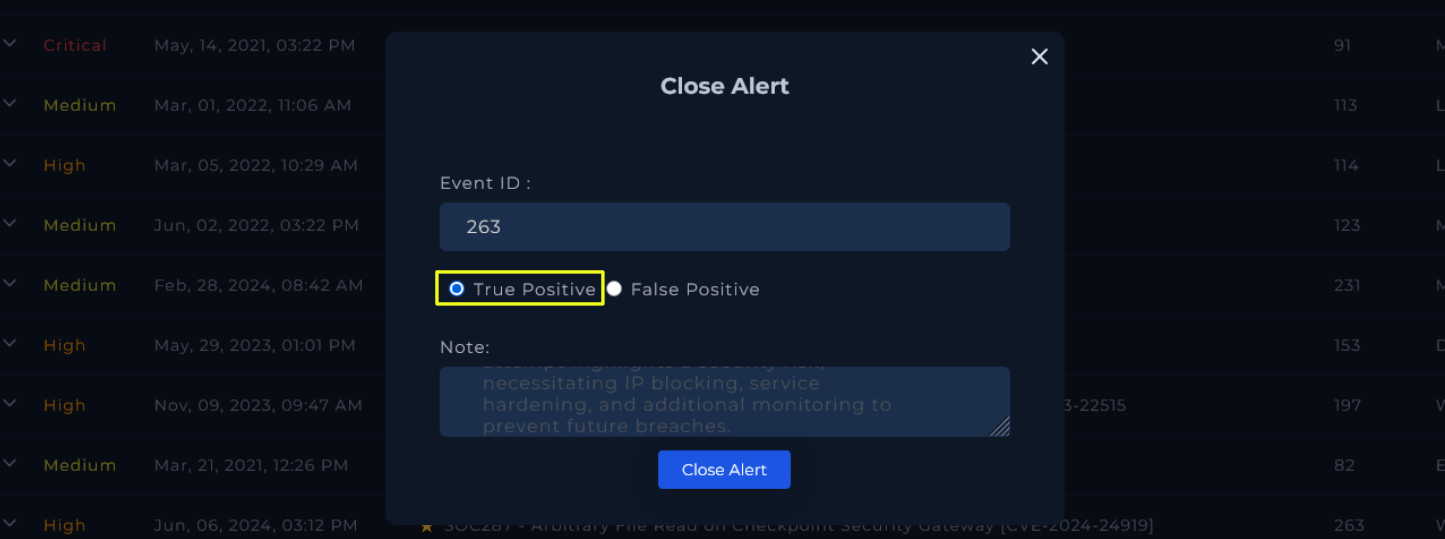
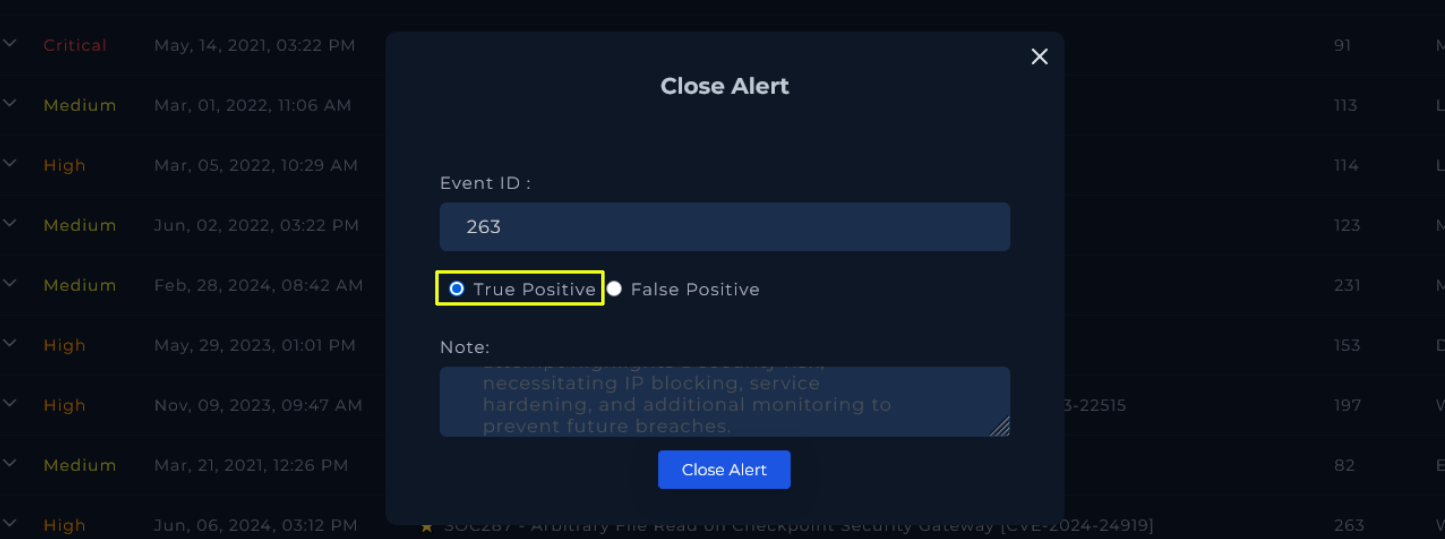
I closed the alert as a True Positive.